
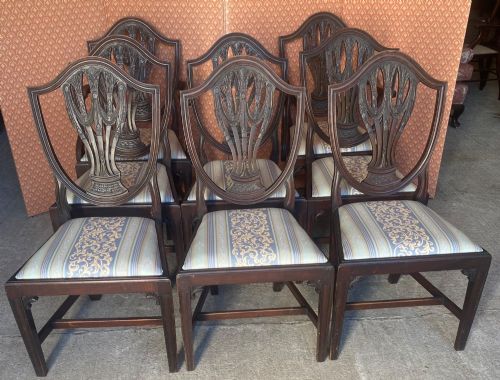
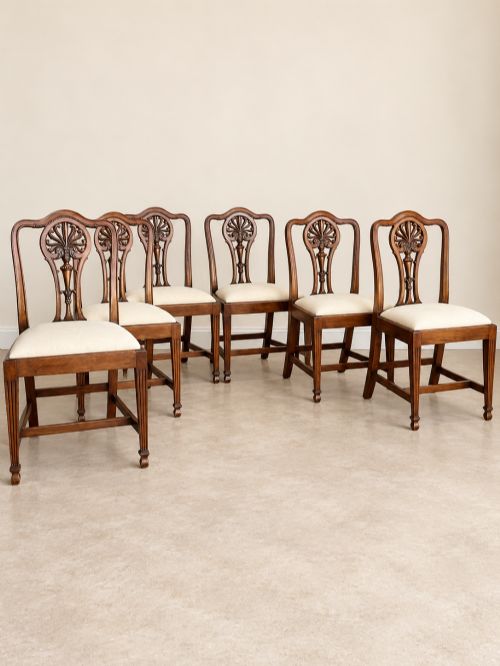
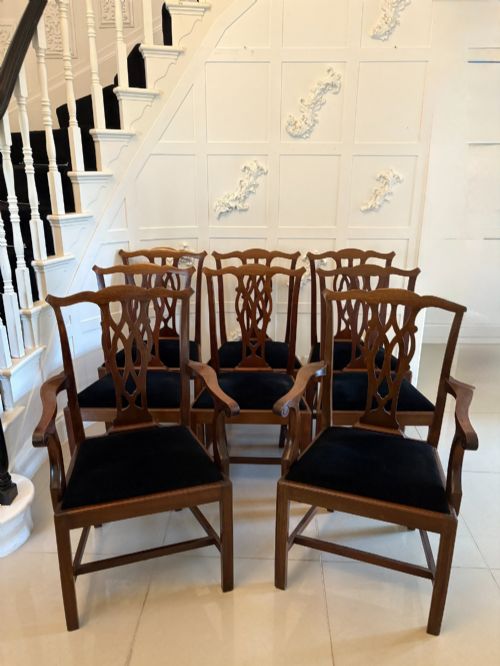
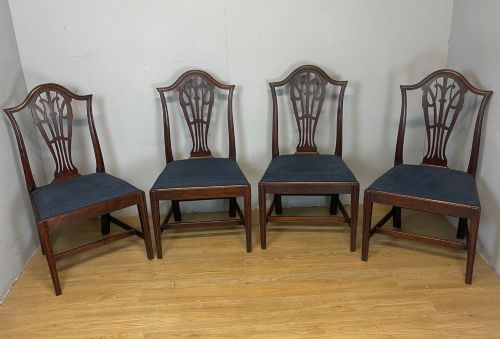
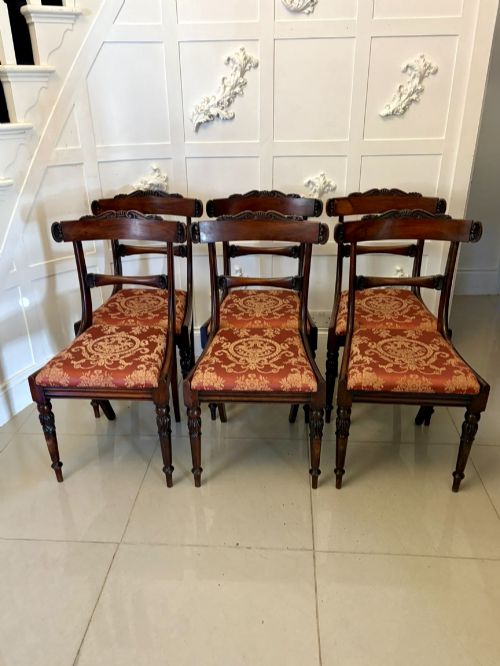
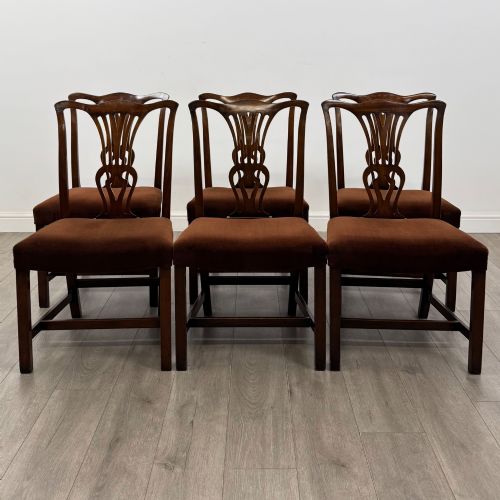
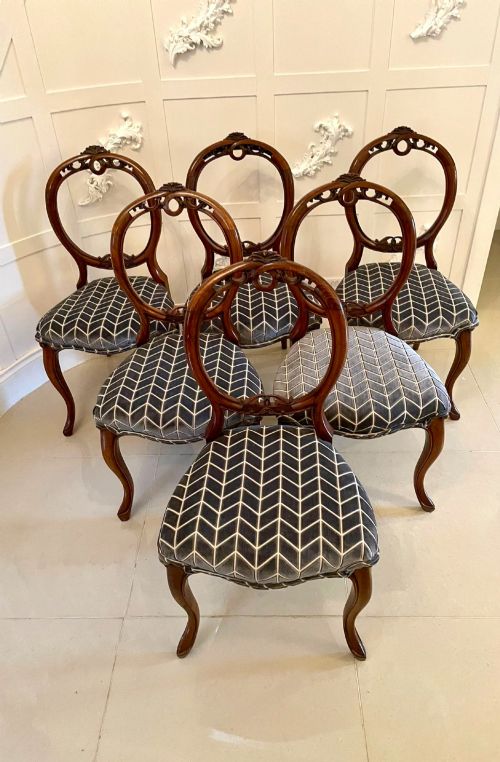
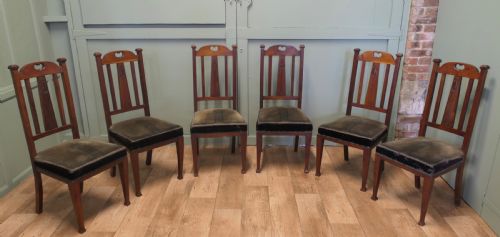


Period Style Side Chairs
These period style side chairs bring centuries of architectural seating design into domestic dining and reception rooms.
Period Style Side Chairs
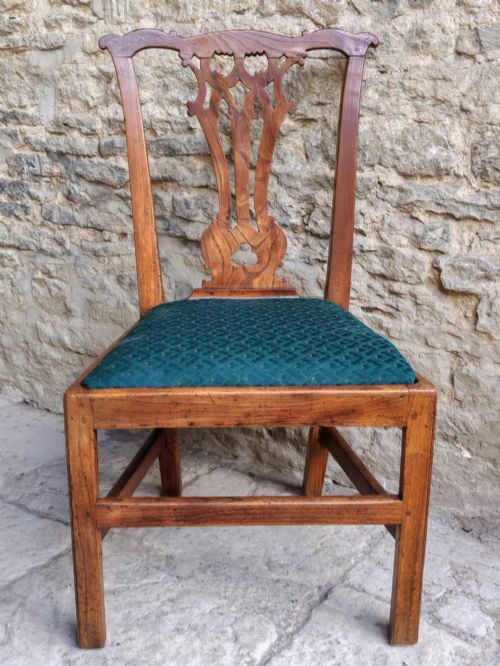
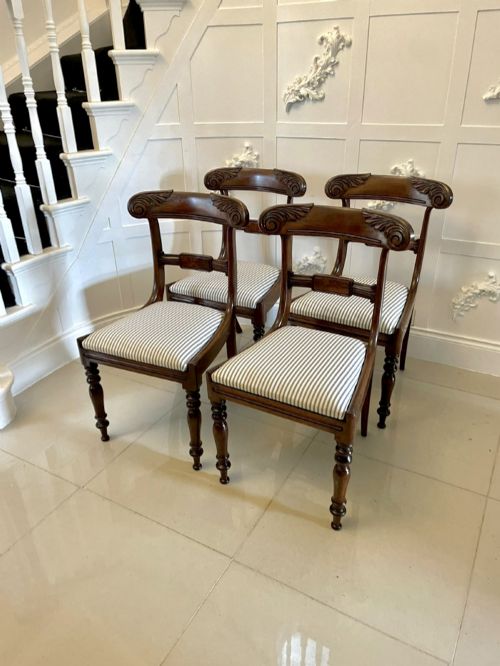
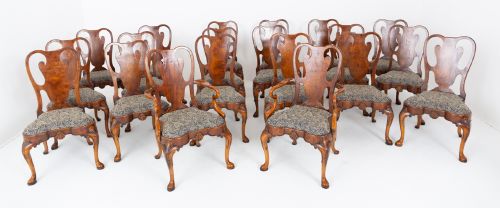
When searching for period style side chairs, buyers encounter dining chairs, salon chairs and side chairs spanning the eighteenth century through to the early twentieth century. The selection ranges from authentic Georgian and Regency examples to later interpretations executed in specific historical revivals.
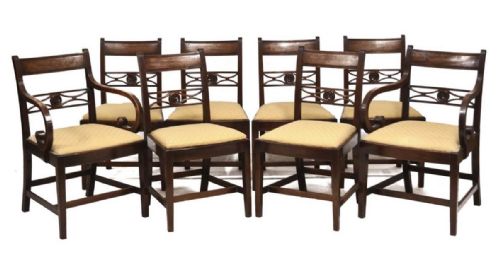
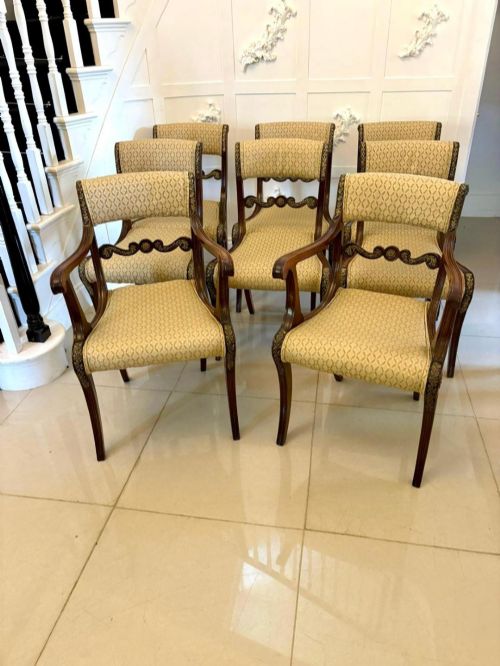
Mahogany and oak dominate the timber choices, frequently upholstered in textiles, velvet or fabric to match the period aesthetic. Sets appear in various configurations, from pairs and quartets to extensive suites numbering eight, ten or twelve pieces.
Materials and Construction
Cabinetmakers utilised hardwoods such as mahogany, walnut, oak and elm to construct the frames, relying on traditional joinery methods to ensure rigidity. Carved details, shield backs and bar backs were shaped directly from the solid timber.
Upholstery involved webbing, stuffing and covering the seat pads in durable fabrics, leather or silk velvet, secured with tacks to support daily use around dining tables.
Distinctions in Quality
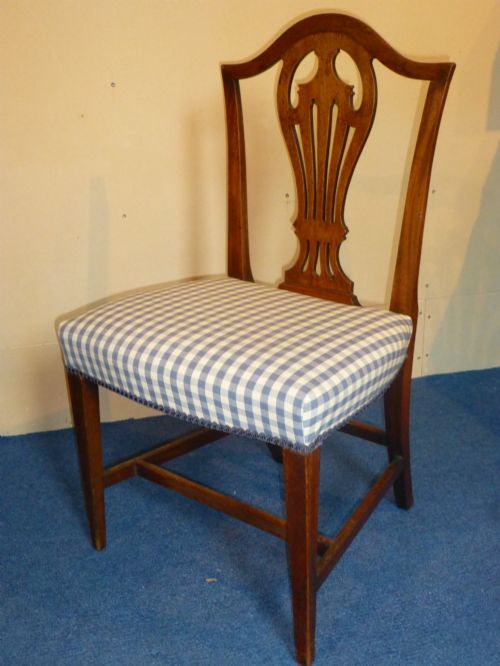
The refinement of the carving and the choice of timber figure set the finer sets apart from standard utilitarian seating. Crisp execution of design motifs, such as Chippendale ribbons or Hepplewhite shield backs, indicates skilled workshop production.
Original timber surfaces, balanced proportions and uniform sets without mismatched replacements distinguish higher tier examples from assembled or heavily altered groups.
Maple and Co·Charles Tozer
The Period Style Side Chairs Glossary
- Shield Back
- A chair back shaped in the outline of a heraldic shield, popularised in the eighteenth century by designers like Hepplewhite. This form often incorporates pierced splats and delicate carving.
- Bar Back
- A horizontal wooden rail across the upper backrest of a chair, characteristic of nineteenth-century seating including William IV designs. The rail is frequently curved to fit the spine.
- Balloon Back
- An oval or rounded upholstered chair back resembling a balloon, associated with Victorian walnut salon and dining seating. This shape allowed for ergonomic comfort and decorative wood grain display.
- Splat
- The vertical central strip of wood in a chair back connecting the seat to the top rail. It can be plain, pierced or elaborately carved depending on the style.
- Cane
- Woven rattan material used for chair seats and backs, offering a lightweight and flexible surface. It requires careful handling to preserve the natural fibres over decades.
Period Style Side Chairs: Frequently Asked Questions
How do I care for antique wood chairs?
Keep wooden frames away from direct heat sources and sudden humidity shifts to prevent timber splitting or joint loosening. Apply appropriate wax polish occasionally to nourish the polished surface.
Avoid sitting heavily on antique cane or fragile joints, and lift chairs by the seat rails rather than the top rail when moving them.
Can I mix side chairs with armchairs?
Historical dining sets frequently paired a majority of side chairs with matching armcarvers placed at the head of the table. This arrangement maintains visual harmony while providing distinct seating options.
Ensure the seat heights and overall proportions align when combining individual chairs from similar periods.
What defines a Georgian side chair?
Georgian chairs span the reigns of the Georges, encompassing robust walnut Queen Anne forms through to intricate mahogany Chippendale and Sheraton styles. They typically feature solid timber frames with carved splats and straight or cabriole legs.
Construction details include mortise and tenon joinery, hand-carved ornamentation and drop-in or upholstered seat pads.
How do I identify Regency style?
Regency chairs draw inspiration from classical antiquity, featuring saber legs, reeded frames and brass inlay or mounts. Mahogany and rosewood are typical woods, often finished with dark patination.
Backrests frequently incorporate horizontal tablet rails or curved crossbars reflecting ancient Greek and Roman klismos forms.