


20th Century Chairs
When buying 20th century chairs, you are acquiring seating that spans decades of shifting domestic design from formal dining sets to relaxed country house armchairs.
20th Century Chairs
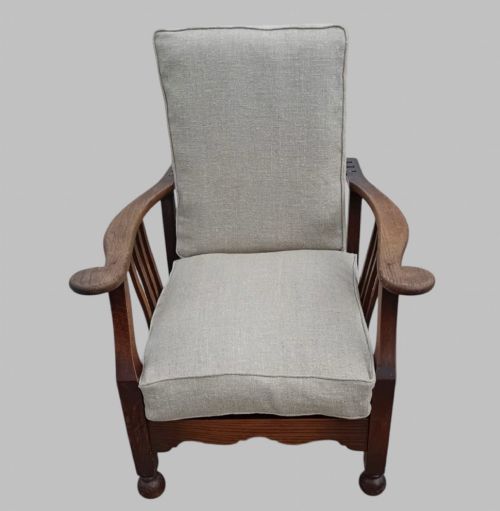
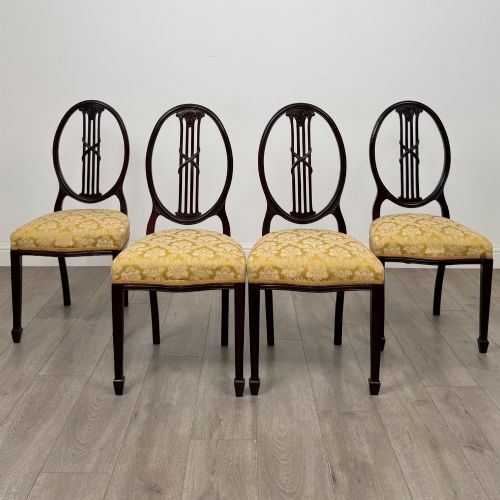
When you search for 20th century chairs, you encounter a vast spectrum of domestic and commercial seating spanning several decades of craftsmanship. The selection encompasses everything from large sets of dining chairs in oak and mahogany to solitary fireside armchairs and office swivel chairs.
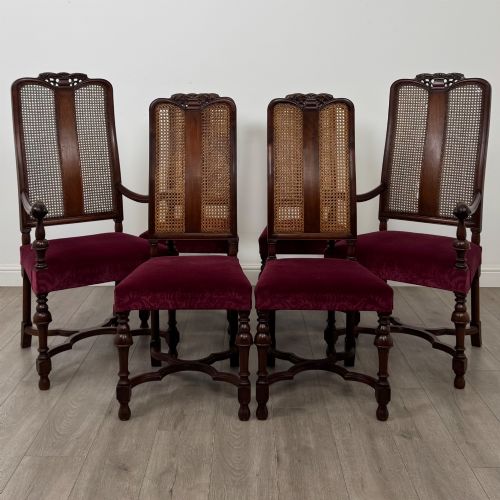
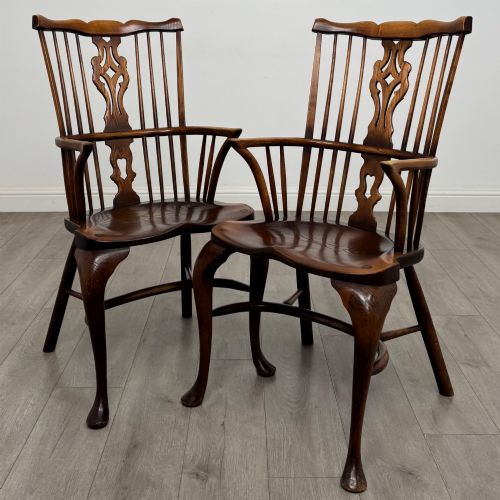
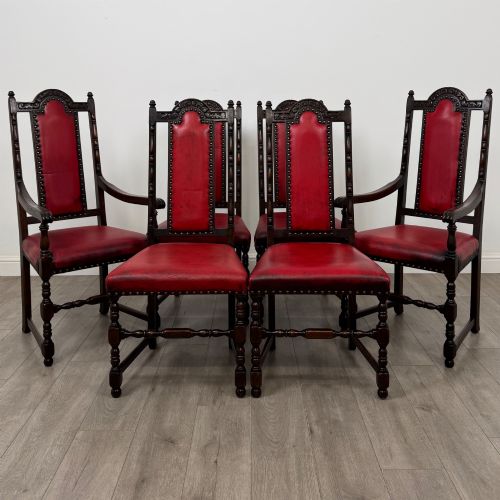
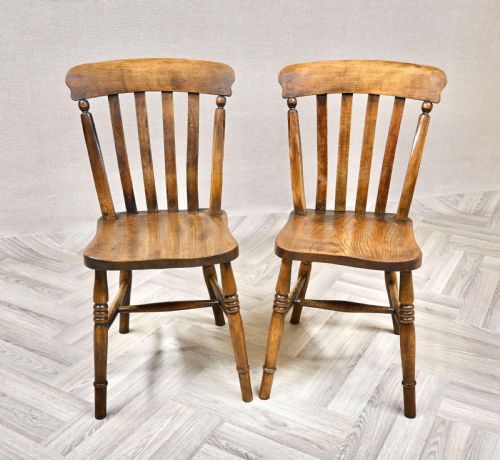
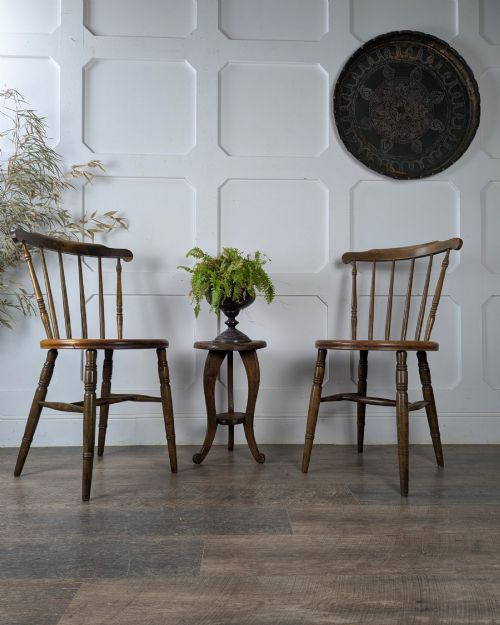
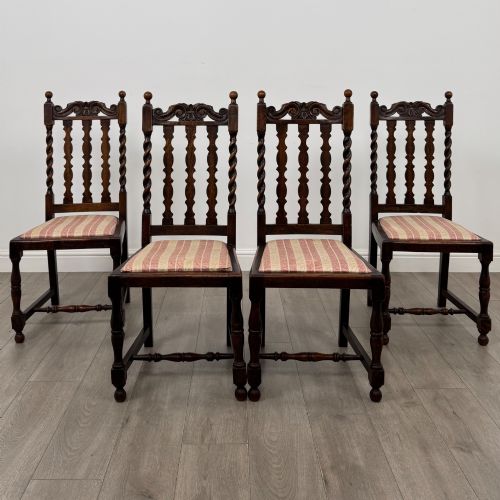
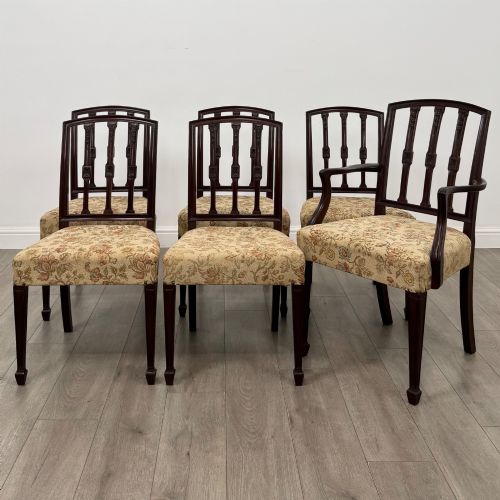
Dining chairs appear frequently as matched sets originating from the Edwardian period or executed in revival styles such as Queen Anne and Jacobean. Alongside these dining sets, buyers regularly find lounging forms including Windsor armchairs, wicker rattan pieces, and deep-seated club chairs.
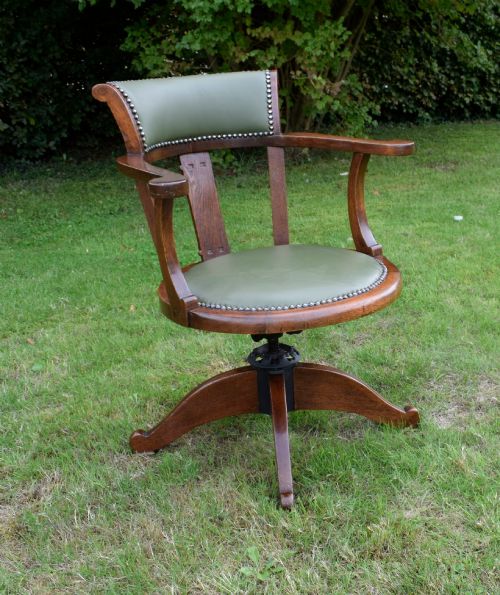
Functional seating forms also populate the category, ranging from early desk chairs and office swivel models to steamer deck chairs and shop advertising pieces. These diverse seating options reflect the evolving needs of homes and businesses throughout the hundred-year span.
What Varies in Quality
The distinction between ordinary and exceptional pieces often lies in the selection of timber and the precision of carved details. Finer examples display carefully figured veneers like burr walnut, crisply executed revival styling such as George II or Louis XV motifs, and substantial frame construction.
Upholstery standards and original hardware also dictate the standing of a piece, with high-grade leather, supportive interior webbing, and branded workshop attribution elevating specific models above standard utilitarian output.
Listings feature diverse seating forms including rocking chairs, deck chairs, and library armchairs executed in mahogany, oak, and cane.
Jacob and Josef Kohn·Dryad And Co·Heals
The 20th Century Chairs Glossary
- Barley Twist
- A type of turned wooden furniture leg or stretcher carved in a spiral resembling a twisted rope. This decorative feature appears frequently on Edwardian dining chairs.
- Bentwood
- Wood that has been heated with steam and bent into curved structural shapes. This technique defines notable rocking chairs and lounge seating.
- Windsor
- A traditional wooden chair featuring a solid saddle-shaped seat into which the legs and back spindles are direct-inserted. These country seating forms often utilise elm or ash.
- Gainsborough
- A wide, open armchair with padded armrests, a low back, and upholstered seat designed in the 18th-century style and revived later. Fine examples employ mahogany frames and leather upholstery.
- Wingback
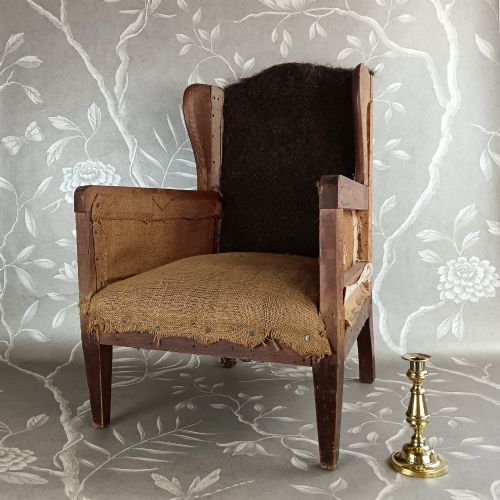
- An armchair featuring side panels attached to the back to shield the sitter from draughts. These deep-seated forms appear in both country house and library settings.
20th Century Chairs: Frequently Asked Questions
How do I date a chair?
Dating relies on examining the timber species, construction methods, and stylistic revival cues present in the frame. Edwardian and early decades frequently utilise specific revival idioms like Queen Anne or Jacobean.
Secondary clues include the type of upholstery webbing, screw heads, and secondary woods used internally. Comparing these physical traits to documented pieces helps narrow down the production era.
Are dining chairs sold in sets?
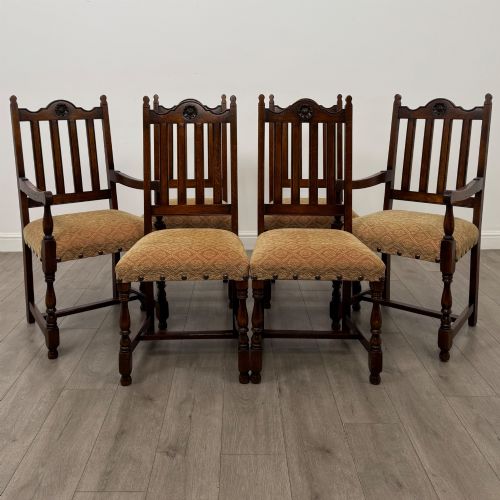
Many dining chairs are offered in matched sets ranging from four to twelve pieces, particularly those originating from the Edwardian period. Oak and mahogany are the predominant timbers for these grouped seating arrangements.
Single dining chairs and pairs also appear for use at desks or as occasional accent seating. Complete sets with matching tables occasionally supplement the chair selections.
What is bentwood furniture?
Bentwood furniture is created by subjecting timber, often beech, to moisture and steam until it becomes pliable enough to bend into curves. This process produces lightweight yet sturdy frames.
Makers utilised this technique to manufacture distinctive rocking chairs and armchairs with flowing, continuous structural lines. The method allowed for graceful forms without heavy joinery.
How were office chairs constructed?
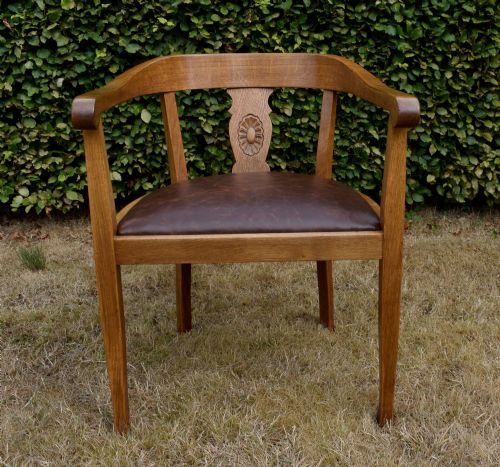
Early office and desk chairs were built using sturdy oak or mahogany frames designed to withstand daily commercial use. Many incorporated wooden swivel mechanisms and adjustable heights.
Some models featured metal hardware and leather seats to provide comfort during long working hours. Machinist and swivel variations demonstrate the functional engineering of the period.