
20th Century British Watercolour
These pieces capture landscapes, coastal views and rural scenes across the decades.
20th Century British Watercolour
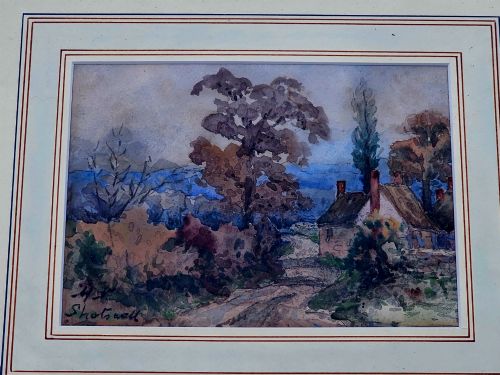
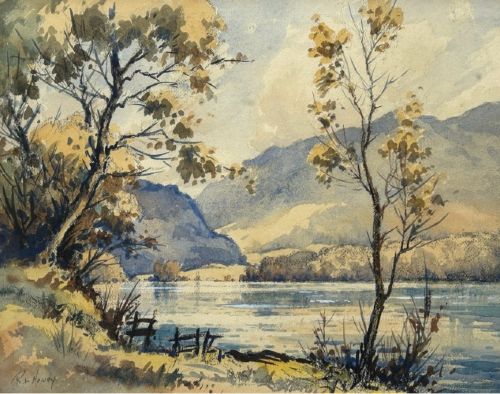
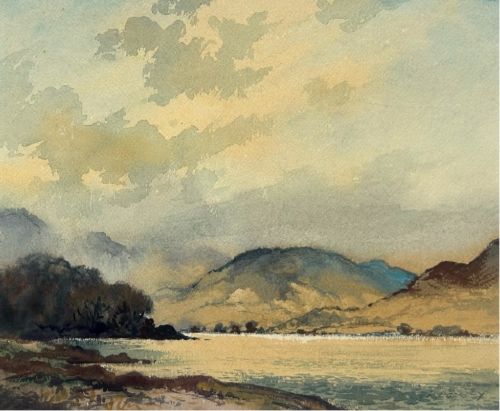
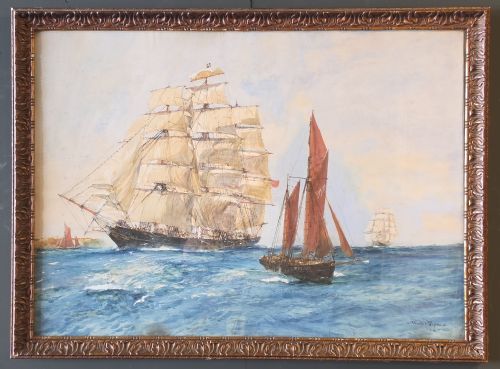
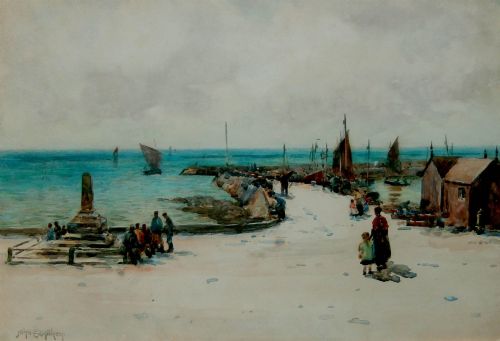
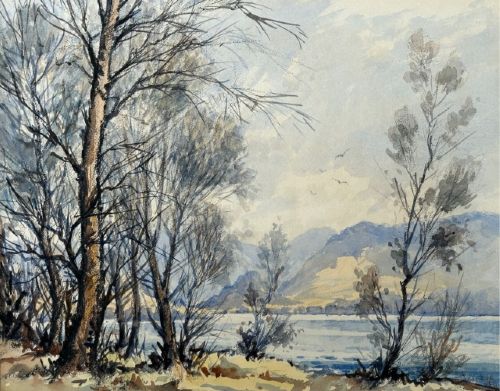
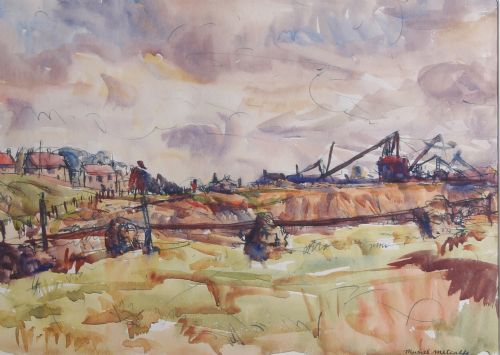
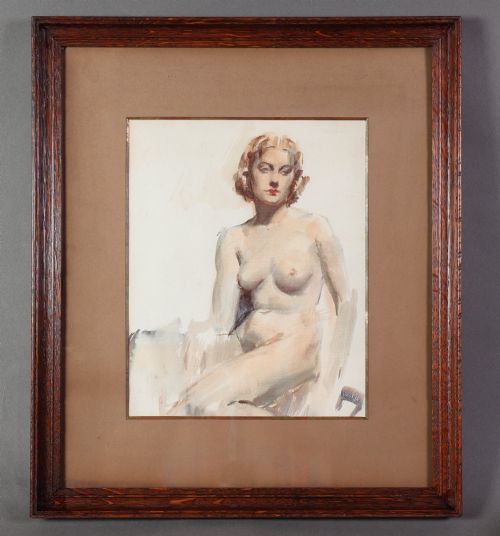
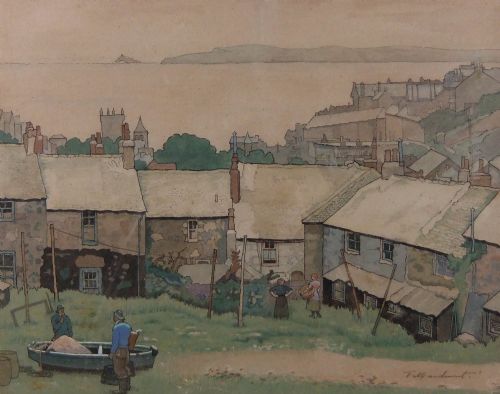
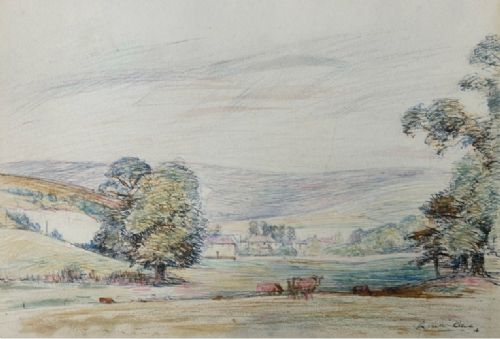
A 20th century british watercolour captures landscapes, coastal views, and townscapes created across the decades from the Edwardian era through the mid-century. These works range from delicate pastoral scenes and northern industrial valleys to coastal harbours and architectural studies.
Buyers encounter depictions of English lakes, Yorkshire dales, Scottish castles, and Welsh rivers created by regional artists and Royal Institute members alike. The subjects reflect both traditional rural life and changing British environments through varied artistic movements.
How They Were Made
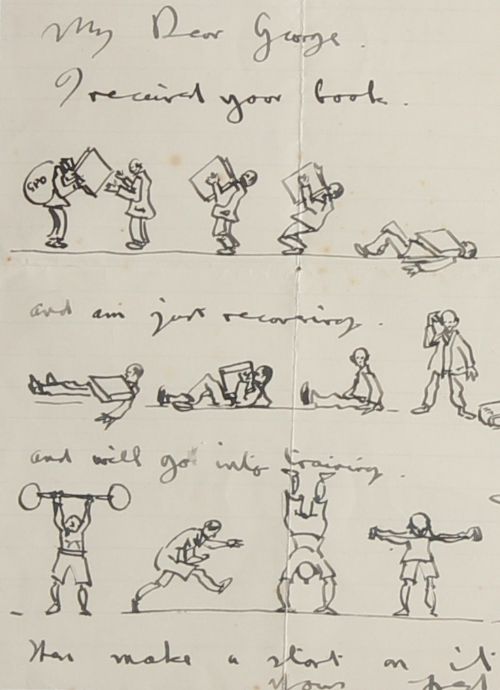
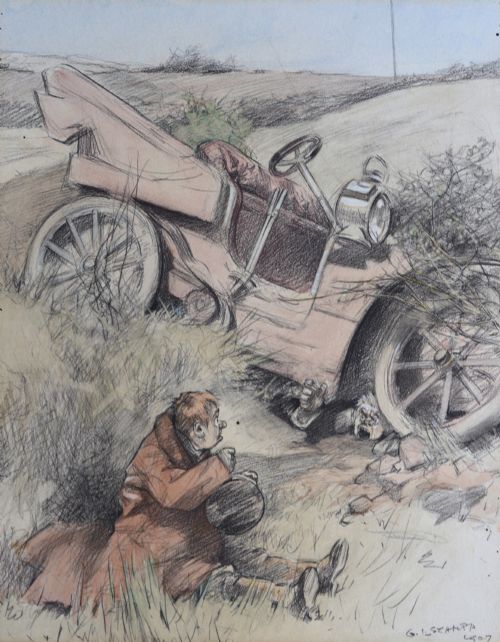
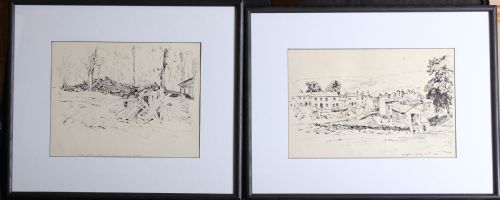
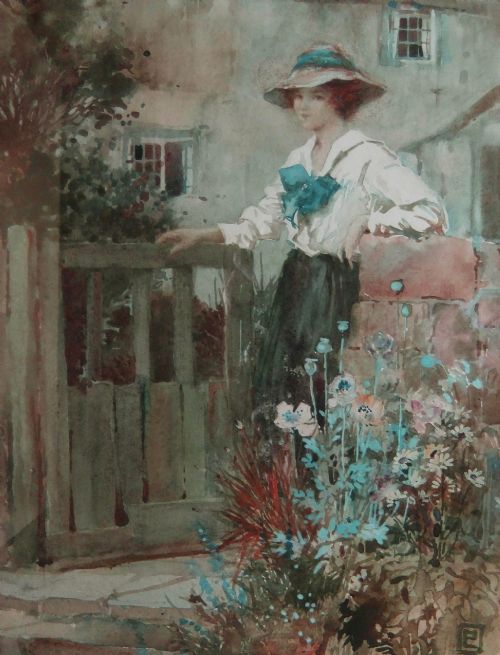
Artists painted primarily with watercolour pigment suspended in water, applied directly to paper substrates using fine brushes to achieve transparent washes and delicate tones. Many works incorporate ink, pencil underdrawing, or gouache to add graphic structure and opaque highlights to the composition.
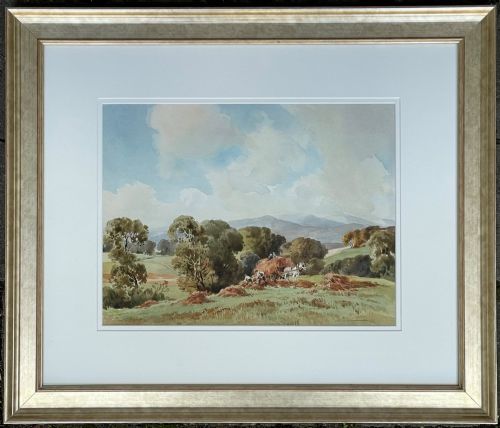
The finished paintings were typically mounted behind glass within wooden frames, protecting the delicate water-soluble pigments from moisture and handling over the decades.
20th Century British Watercolour Retail Price Guide 2026
Typical asking prices for 20th century british watercolour among the pieces listed under this phrase on Sellingantiques today, from the lower quarter to the upper quarter. They describe what is for sale here now, not the wider market.
The listings feature works on paper spanning from 1900 to the 1960s, executed in watercolour, ink, gouache, and pencil.
What Varies in Quality
Execution and composition separate skilled handwork from simpler illustrative pieces, with accomplished artists demonstrating precise brush control and atmospheric light effects. The strength of the perspective, handling of tone, and depth of the landscape define the artistic merit of each painting.
Condition plays a part, as exposure to light alters pigment vibrancy and paper tone over time. Well-preserved sheets retaining their original colour intensity and clean paper grounds stand above faded examples.
Fred Lawson·George Lorain Stampa·Robert Leslie Howey·Percy Lancaster·Dame Elisabeth Frink·John Rattenbury Skeaping
The 20th Century British Watercolour Glossary
- Watercolour
- A painting method where pigment is mixed with water-soluble binders and applied to paper. This medium allows for transparent washes of colour that reveal the white paper beneath.
- Gouache
- An opaque water-based paint that includes a white pigment filler, creating a heavier and denser finish than standard watercolour. Artists utilise it to introduce solid highlights and opaque details.
- Wash
- A fluid layer of diluted watercolour pigment spread evenly across the paper surface. Painters employ washes to render expansive skies, water, and distant atmospheric effects.
- Impressionist
- A style focusing on the general impression of a scene, particularly the shifting effects of light and colour. Works in this manner prioritise spontaneous brushwork over rigid academic detail.
- Provenance
- The documented history of ownership and origin surrounding an artwork. Clear provenance helps verify the creator, date, and historical context of the piece.
20th Century British Watercolour: Frequently Asked Questions
How should I frame and display my watercolour?
Watercolours require framing behind glass with acid-free mounts to prevent the paper from touching the glazing directly. This separation protects the delicate pigments from humidity and physical damage.
Keep the framed painting away from direct sunlight to prevent the watercolour pigments from fading over time. Stable indoor humidity levels further protect both the paper and the wooden frame.
How do I identify the date of a painting?
Examine the lower corners for artist signatures, inscribed locations, or explicit year dates written in pencil or ink. Style cues, clothing details in figures, and framing materials also offer clues to the decade of creation.
Compare the handling with known dated works by the same artist or regional school. Archive records and exhibition labels attached to the reverse often confirm the exact period.
What subjects are most common in these works?
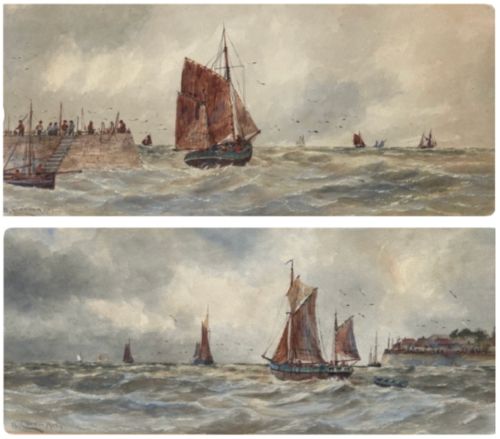
British landscapes dominate the selection, featuring rural cottages, country lanes, livestock, and pastoral hillsides. Coastal scenes depicting harbours, fishing boats, and sandy bays appear frequently alongside urban townscapes.
Artists also recorded specific regional landmarks such as the Cumbrian lakes, Yorkshire dales, and Scottish rivers. Occasional portraits, architectural studies, and maritime shipping views expand the range of subjects.
Are these works original or printed?
Every listed item is an original hand-painted work created directly on paper using brush and pigment. Close inspection under magnification reveals individual brushstrokes, pooling pigment edges, and pencil underdrawing.
Unlike mechanical reproductions, original watercolours show texture in the paint layer and variations across the paper surface. Signatures and inscriptions are applied by hand rather than printed.