

20th Century British Artwork
These pieces of 20th century british artwork capture landscapes, portraits, and maritime scenes through the eyes of domestic artists working across changing decades.
20th Century British Artwork
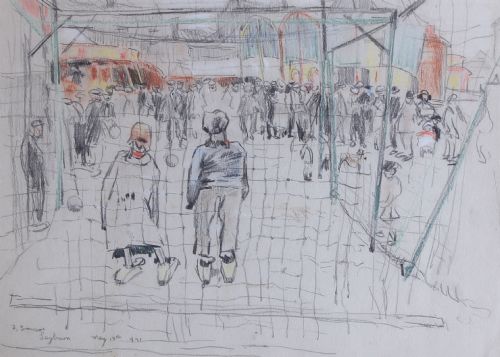
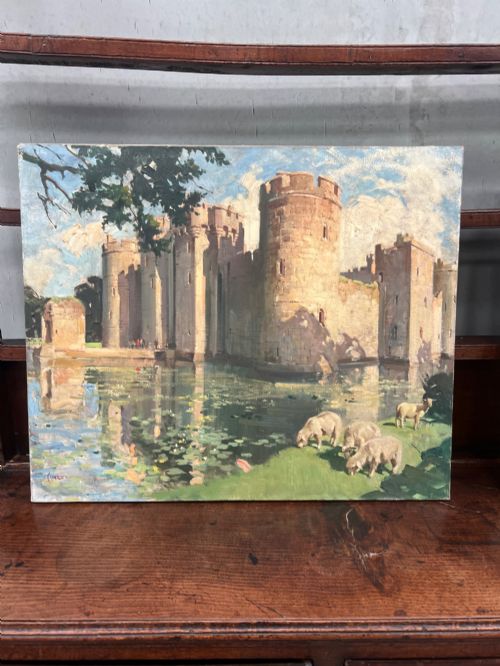
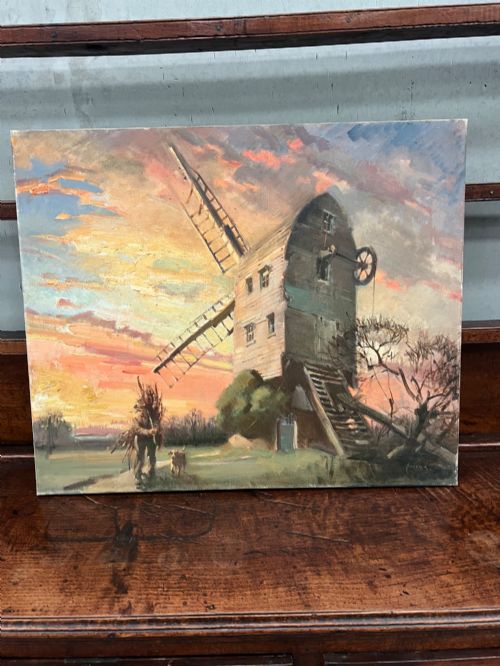
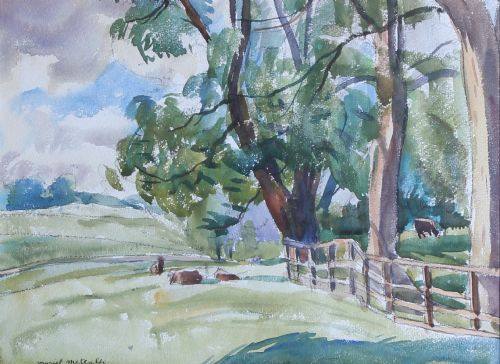
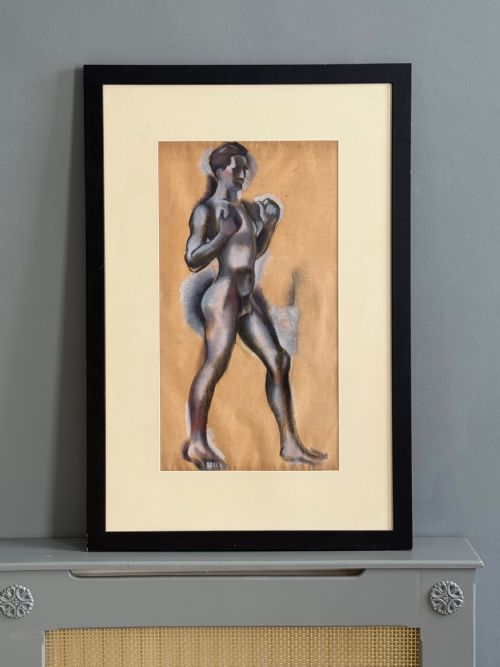
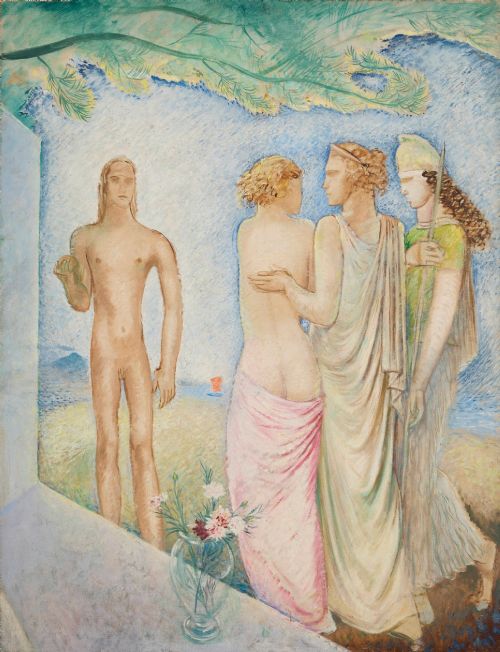
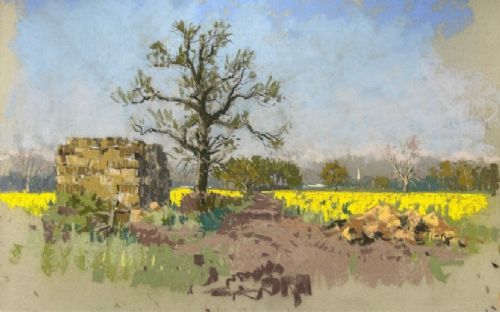
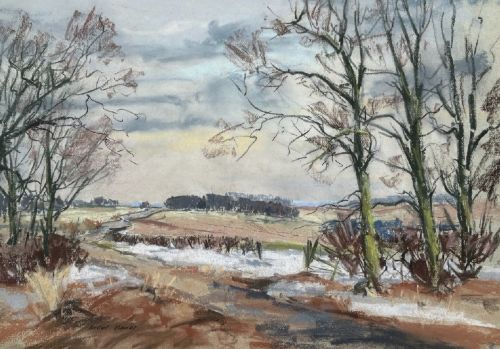
When you search for 20th century british artwork, you encounter a varied selection of paintings, drawings, and watercolours produced across the decades from Edwardian times into the mid-century period. These works record domestic scenery, coastal views, and intimate portraits created by regional artists and named painters alike.
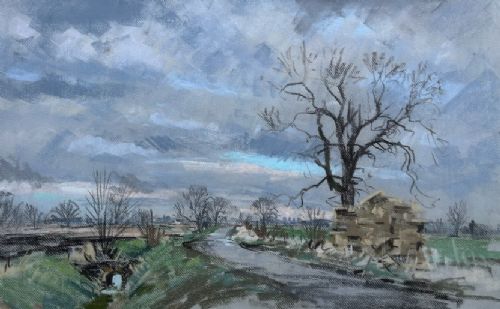
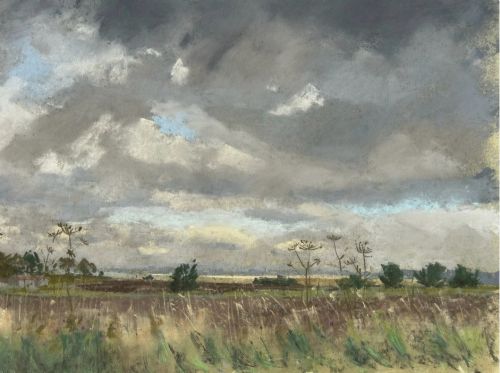
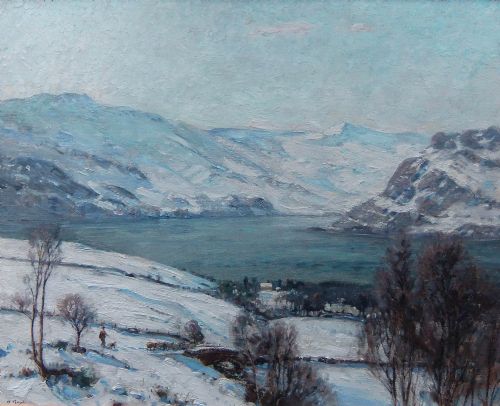
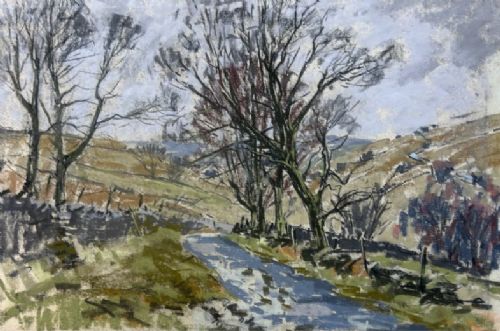
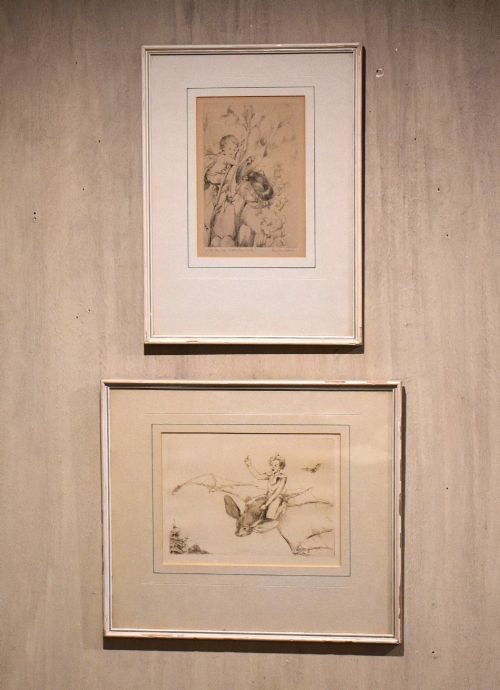
You are most likely to meet watercolours on paper and oil paintings on board or canvas among these listings, alongside pencil and ink drawings. The subjects range from Cumbrian lakes and Scottish highlands to maritime scenes and still life arrangements.
The scope extends from early century impressionist watercolours to mid-century modern and expressionist compositions. Each piece reflects the prevailing aesthetic currents of its specific decade, from the 1900s onward.
Materials and Technique
The makers utilised traditional supports including canvas, prepared wood panels, heavy art board, and textured paper for their watercolours, oils, pastels, and pencil studies. Pigments were applied with brushes or sketching tools to capture immediate visual impressions of light and atmosphere.
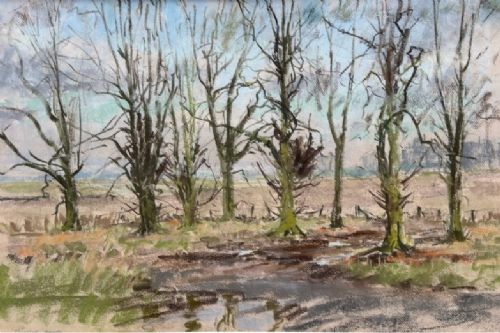
Oils on canvas or board provide rich texture and depth, particularly visible in landscape and portrait works from the mid-century era. Watercolours and drawings on paper rely on transparent washes and careful line work to define form and movement.
20th Century British Artwork Retail Price Guide 2026
Typical asking prices for 20th century british artwork among the pieces listed under this phrase on Sellingantiques today, from the lower quarter to the upper quarter. They describe what is for sale here now, not the wider market.
Several artists preferred painting stormy northern seas over calm southern shores, perhaps finding greater inspiration in a chilly Cumbrian breeze.
Judging Quality
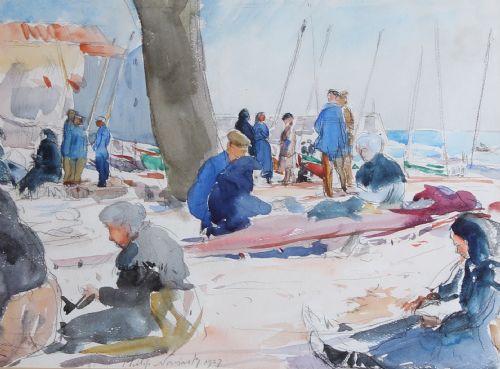
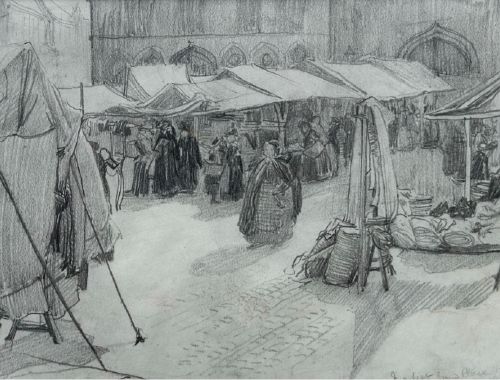
Quality rests upon the sureness of the artist's hand, the sensitivity of the colour palette, and the vitality of the composition. Stronger examples display confident brushwork and a clear command of light, whether rendering a bustling market or a quiet coastal inlet.
The distinction between standard decorative output and a compelling collector piece lies in the expressive depth of the brushstrokes and the originality of the viewpoint. Works that capture an authentic sense of place tend to outshine routine topographical records.
Kenneth Cozens·George Lorain Stampa·Henry Percy Huggill·William H Myers·Emily Eyres·Tom Campbell·Percy Lancaster·Robert Leslie Howey·Kershaw Schofield·Charles Edward Dixon·John E Aitken·Robert Morson Hughes·Muriel Metcalfe·Bernard Gribble·Fred Lawson·Augustus John·Clive Browne·Peter Brannan·Raymond Booth·Francis Plummer·James Stroudley·Ethel Sands·Cyril Walduck Edwards·Eric Brown·Samuel Rabin
The 20th Century British Artwork Glossary
- Oil on Canvas
- Pigment suspended in drying oil applied to a woven fabric stretched across a wooden frame. This surface allows for subtle blending and textured impasto application.
- Watercolour Painting
- Pigments suspended in a water-soluble base applied to paper supports. It relies on the white of the paper to show through translucent washes.
- Oil on Board
- Pigment applied to a rigid wooden or composition board rather than fabric. It offers a firm, stable surface favoured for outdoor sketching.
- Pencil Drawing
- A monochrome work executed with graphite on paper. It often records preliminary studies or finished portraits with fine tonal shading.
- British Impressionism
- A painting style influenced by French techniques but rooted in domestic landscape traditions. It emphasises natural light and visible brush marks.
20th Century British Artwork: Frequently Asked Questions
What subjects appear in these works?
The subjects span rural landscapes, highland scenes, coastal waters, and still life arrangements. Portraits of figures and local town views also feature prominently across the selection.
Artists frequently drew inspiration from regional settings across Britain, capturing local characteristics in paint, pastel, or watercolour.
How should I care for paper works?
Works on paper and watercolour paintings require framing behind protective glass to shield them from airborne dust and moisture. Direct sunlight causes pigments to fade over time.
Keeping them away from bright windows and damp walls preserves the integrity of the paper supports and the vibrancy of the colours.
How do I identify the period?
Period identification relies on stylistic clues, framing materials, and documentation recorded by the artist or previous owners. Edwardian works often show different tonal choices compared to mid-century modern pieces.
Signatures, dates written on the reverse, and labels from historic exhibitions or galleries offer additional confirmation of the era.
Can I hang oil paintings in sunlight?
Oil paintings on canvas or board are generally more robust than works on paper, but prolonged exposure to direct sunlight still affects oil pigments and varnishes.
Placing them in rooms with indirect, ambient light prevents the surface varnish from yellowing prematurely while still displaying the texture clearly.