


19th Century Work Box
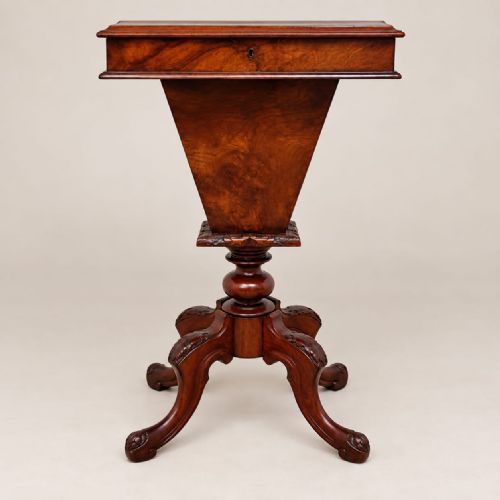
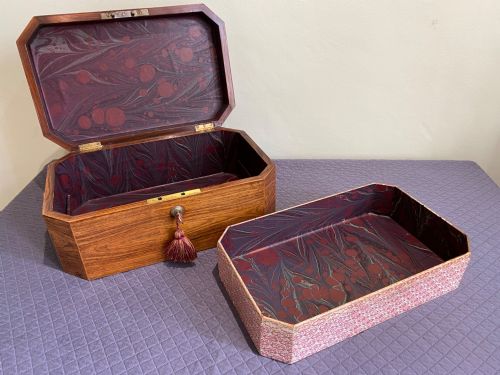
A 19th century work box provides a neat tabletop vessel for sorting threads, needles and personal trinkets while bringing period timber grain to a surface.
19th Century Work Box
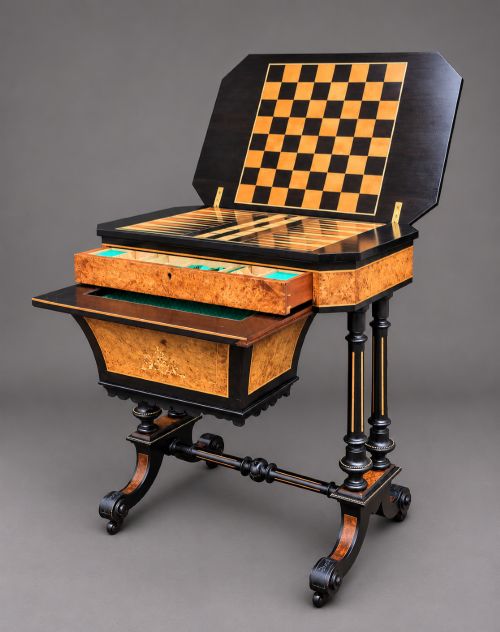
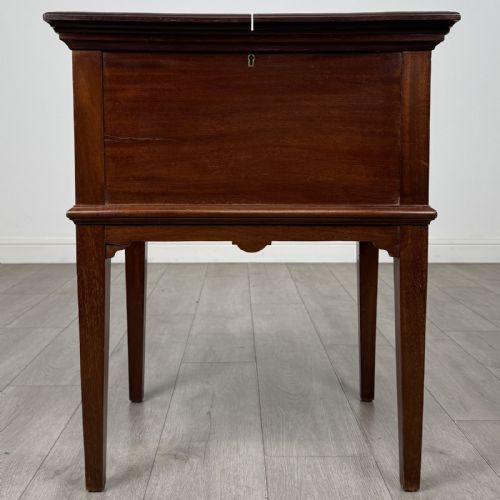
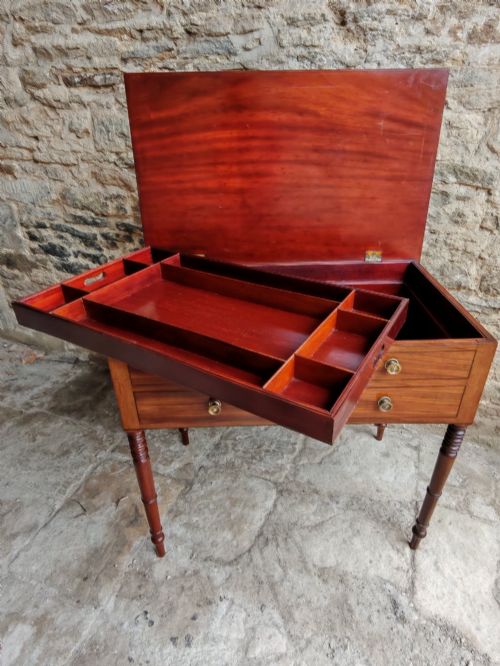
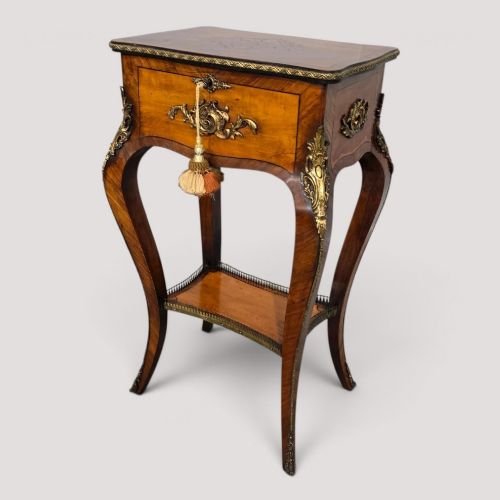
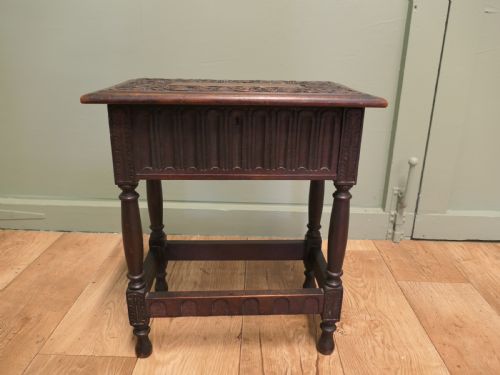
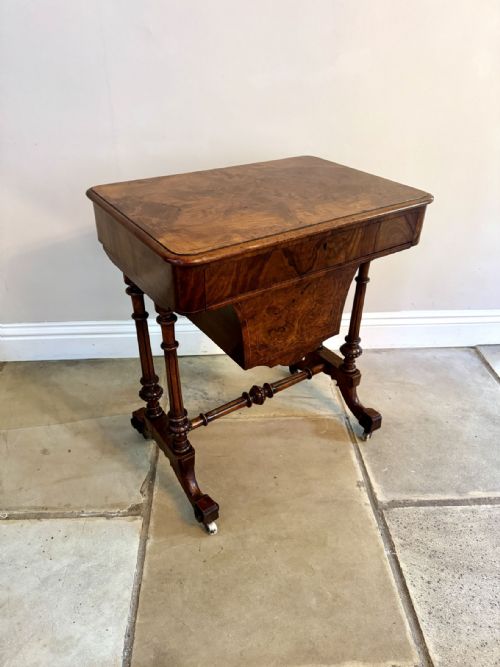
Buyers exploring a 19th century work box find portable lidded containers designed specifically for sewing, needlework and precious personal items. These pieces frequently turn up as compact tabletop caskets or freestanding tables with internal fitted trays and compartments.
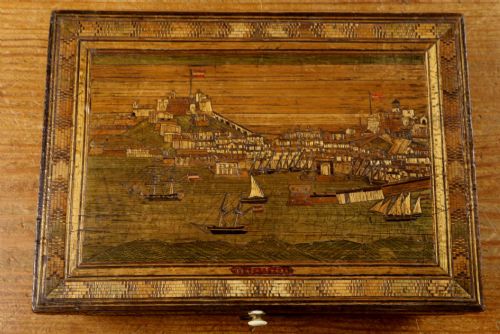
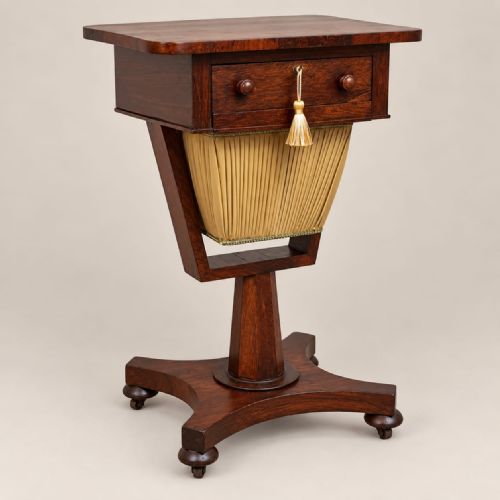
The selections span the Regency and Victorian eras, reflecting diverse regional aesthetics from British Tunbridgware and Killarney ware to Chinese Export lacquer. Smaller portable boxes dominate the category alongside drop-leaf sewing tables fitted with stretchers and storage bags.
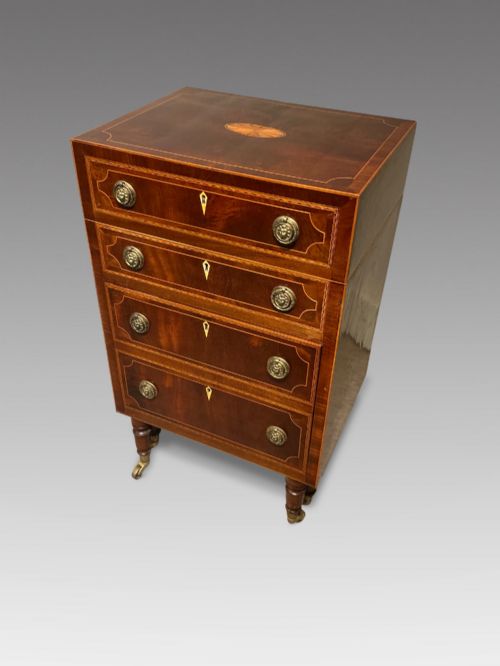
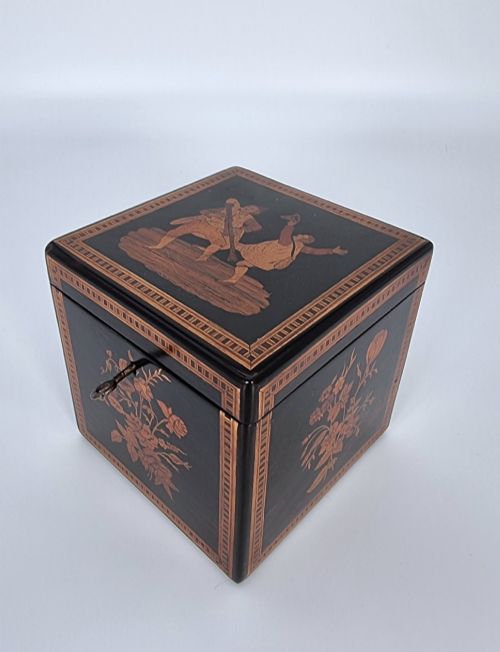
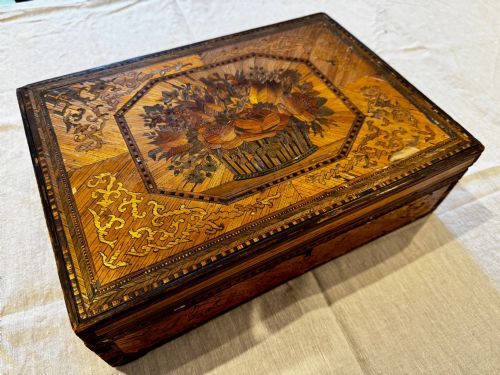
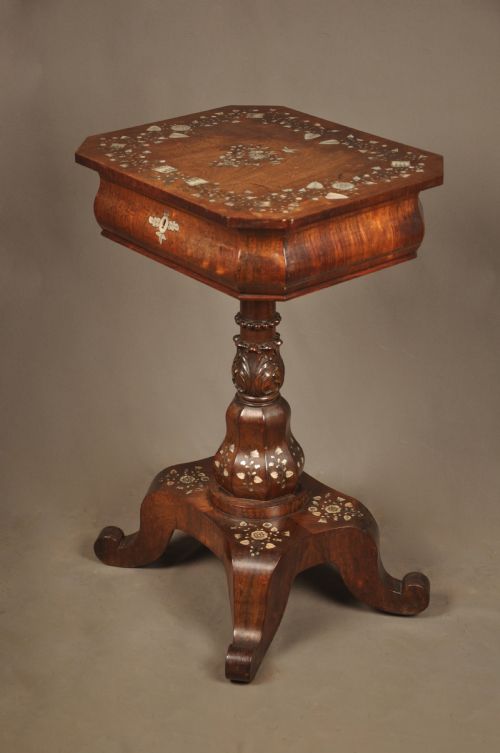
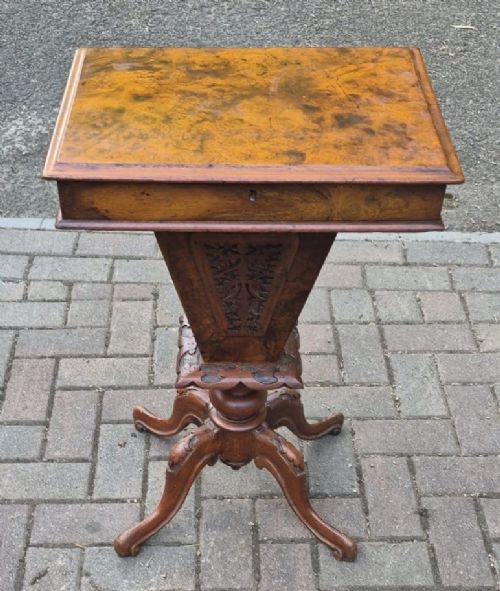
Makers utilised rich hardwoods such as rosewood, mahogany and burr walnut, often enhancing surfaces with brass inlay, tortoiseshell or marquetry. Each variation demonstrates the period demand for combining utility with orderly elegance in domestic spaces.
Materials and construction methods
Cabinet makers built these pieces using dense tropical and native timbers like rosewood, coromandel, mahogany and walnut, frequently selecting burr veneers for striking grain patterns on the lids. Interiors were lined with silk, velvet or plain paper, incorporating fitted wooden compartments for spools, bodkins and thimbles.
Decoration relied on precision craftsmanship such as brass stringing, mother-of-pearl inlay, parquetry and delicate penwork or lacquer. Many examples include working brass locks and keys, alongside specialised structural elements like drop leaves and compartmentalized lift-out trays.
19th Century Work Box Retail Price Guide 2026
Typical asking prices for 19th century work box among the pieces listed under this phrase on Sellingantiques today, from the lower quarter to the upper quarter. They describe what is for sale here now, not the wider market.
Assessing build quality and condition
Superior examples display crispness in their exterior inlay, intact veneer surfaces without lifting, and fully original fitted interior trays with functional lids. The precision of the joinery at the box corners and the smoothness of the hinge mechanisms indicate the original maker's standard of work.
Retaining the original fabric linings, working locks with matching keys, and complex internal arrangements elevate a piece above standard utilitarian storage boxes. Inferior specimens show heavy timber shrinkage, replacement hardware, or lost internal compartments that disrupt the original layout.
James Bruce
The 19th Century Work Box Glossary
- Tunbridgware
- A form of British woodworking consisting of tiny mosaic tiles made from different coloured woods to create pictorial scenes or geometric bands on box lids. It originated in Kent during the nineteenth century.
- Pique
- A technique of inlaying tiny points or shapes of gold or silver into tortoiseshell or ivory surfaces. It appears frequently on luxury nineteenth-century boxes.
- Penwork
- A method of decorating wooden surfaces using India ink applied with a fine pen to render intricate black line drawings. This technique often mimics more expensive marquetry.
- Sadeli mosaic
- An intricate micro-mosaic craft originating in nineteenth-century India, utilising horn, bone, tin and various woods to form geometric patterns on boxes. It reached the West through trade routes during the British colonial period.
19th Century Work Box: Frequently Asked Questions
What is a 19th century work box?
A 19th century work box is a portable container or small table created to hold sewing equipment, threads, and needlework accessories.
These pieces typically feature hinged lids opening to reveal fitted compartments, small trays, and sometimes built-in pincushions for domestic handcrafts.
How were work boxes used originally?
Victorians and Regency ladies used these boxes to keep their sewing gear, embroidery supplies, and letters organised in the parlour or bedroom.
Many included specialised compartments for spools, needles, and wax, serving as personal depots for fine needlework and correspondence.
How do you tell Regency from Victorian boxes?
Regency boxes often exhibit cleaner neoclassical lines with contrasting light wood stringing, brass lion paw feet, and geometric brass mounts.
Victorian pieces lean toward heavier proportions, utilising dark burr walnut or rosewood with elaborate mother-of-pearl inlay or carved foliate details.
How do you care for antique timber boxes?
Keep wooden boxes away from direct sunlight and dramatic humidity shifts to prevent the delicate veneers and box lids from warping or cracking.
Apply a microcrystalline wax occasionally to nourish the timber surface without building up excessive residue on the grain or inlay.