



19th Century Woolwork Tapestry
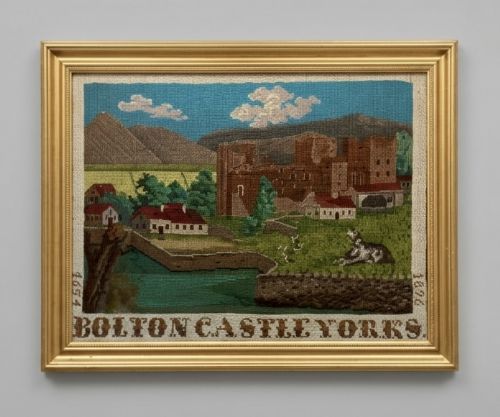
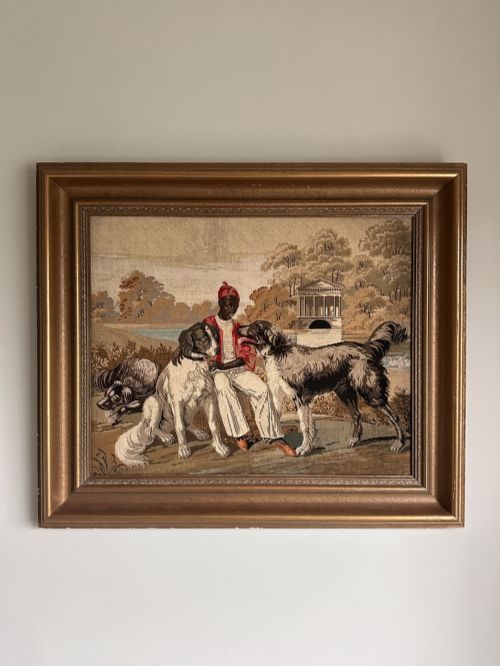
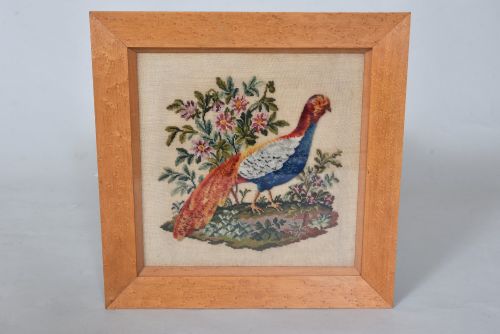
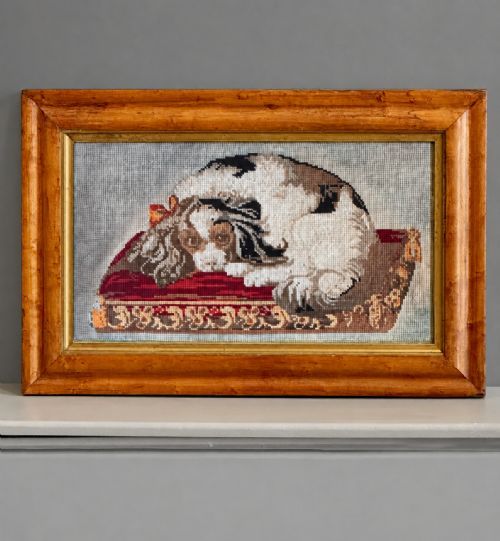
These 19th century woolwork tapestry pieces bring vibrant textured scenes of animals, birds and figures into modern rooms through needle and thread.
19th Century Woolwork Tapestry
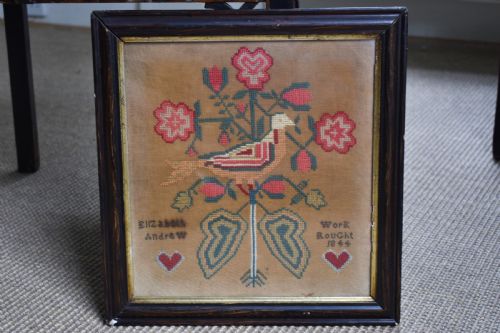
A 19th century woolwork tapestry represents needle-worked textile art framed for wall display or set into seating furniture. These works range from small oval pictures of girls in gardens to large German wall hangings depicting courtly maidens and animals.
The versions most commonly met on this page include Victorian framed wall art, Berlin work panels, and samplers created using wool on canvas grounds. Buyers also find occasional side chairs featuring period wool work seats.
Originating across Britain, continental Europe and Scotland, these textiles capture domestic and romantic subjects from the Victorian and Regency eras. Each piece preserves the hand of its maker through distinct stitches and wool weights.
Materials and construction
Craftsmen and makers utilised wool yarns worked across open-weave canvas foundations using needlepoint techniques such as gros point and petit point. Plushwork and Berlin work variants introduced raised pile surfaces and intricate printed charts for guiding colour placement.
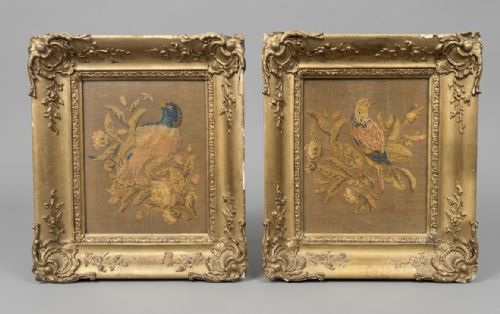
The finished needlework panels were housed in timber frames made from rosewood, burr maple, oak, mahogany, and giltwood. Many examples incorporate glass protection, including verre églomisé glass mats with gilded borders.
19th Century Woolwork Tapestry Retail Price Guide 2026
Typical asking prices for 19th century woolwork tapestry among the pieces listed under this phrase on Sellingantiques today, from the lower quarter to the upper quarter. They describe what is for sale here now, not the wider market.
Listings feature wool, glass, canvas, wood, gold leaf, giltwood, rosewood, and maple wood across Victorian and Regency periods.
Quality variations in woolwork
The distinction between standard and superior pieces rests on the complexity of the needlework and the fidelity of the framing. Finer works employ dense petit point stitches to render facial expressions and avian plumage with high clarity.
Surviving frames significantly influence the character of a piece, with original rosewood, burr maple, or gilded surrounds adding structural integrity and period context to the textile.
The 19th Century Woolwork Tapestry Glossary
- Berlin work
- A style of needlepoint popular in the nineteenth century that used charted designs printed on grid paper. It allowed makers to produce complex pictorial scenes with shaded wools.
- Gros point
- A coarse needlepoint stitch executed on canvas that forms the background and bolder areas of a tapestry. It provides a durable texture compared to finer needlework.
- Plushwork
- A variant of needlework where loops of wool are cut to create a velvet-like pile. This technique gives animals and foliage a tactile, three-dimensional quality.
- Verre églomisé
- A process of applying gold or silver leaf to glass and engraving designs through it. These panels serve as decorative mounts within picture frames.
19th Century Woolwork Tapestry: Frequently Asked Questions
How do I hang a heavy tapestry frame?
Heavy wooden frames require secure wall fixings suited to the weight of the timber and glass. Ensure the hanging cord or D-rings match the load.
Position the piece away from direct sunlight to protect the wool threads from fading over time.
Were these always framed pictures?
Many nineteenth century woolworks were made specifically as framed wall art or samplers. Others began as cushion covers or chair seats before later being mounted behind glass.
Checking the reverse of the frame often reveals whether the textile was remounted or remains in its original housing.
How do I clean woolwork tapestry?
Dust textile art gently with a soft brush or microfibre cloth while keeping the piece vertical. Avoid liquid cleaners or submerging the canvas in water.
Professional textile conservators should handle deep cleaning or structural repairs to the wool and backing.
What is the difference between Berlin work and standard tapestry?
Berlin work relies on hand-coloured printed paper guides that directed makers to use bright Berlin wools. Standard tapestries often followed hand-painted canvas designs or traditional sampler patterns.
Berlin work pieces typically display vibrant shading and dense floral or animal motifs.