
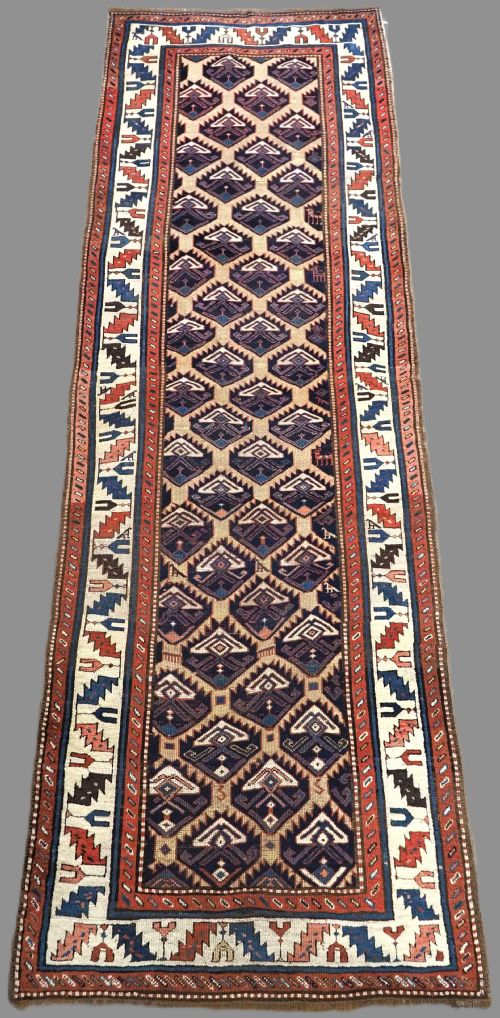
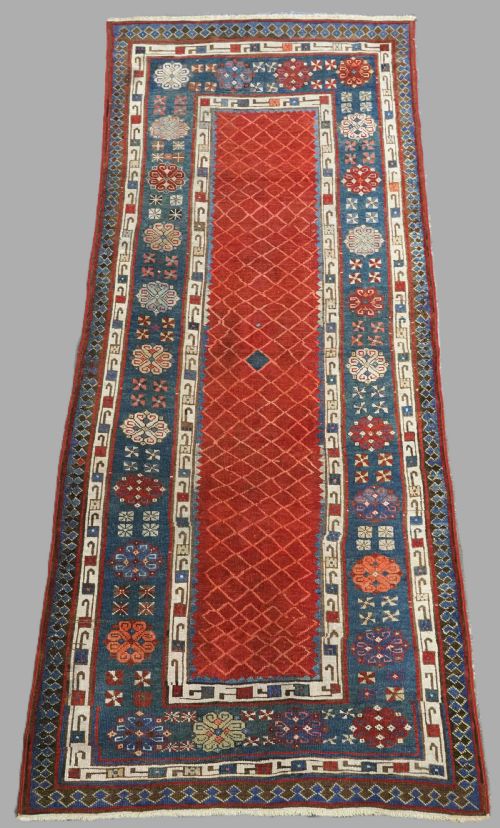
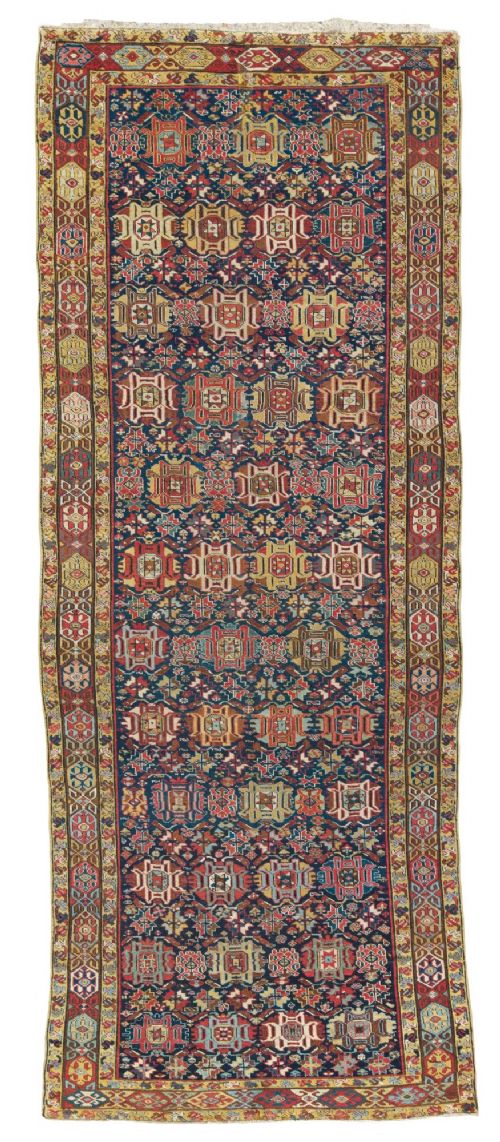

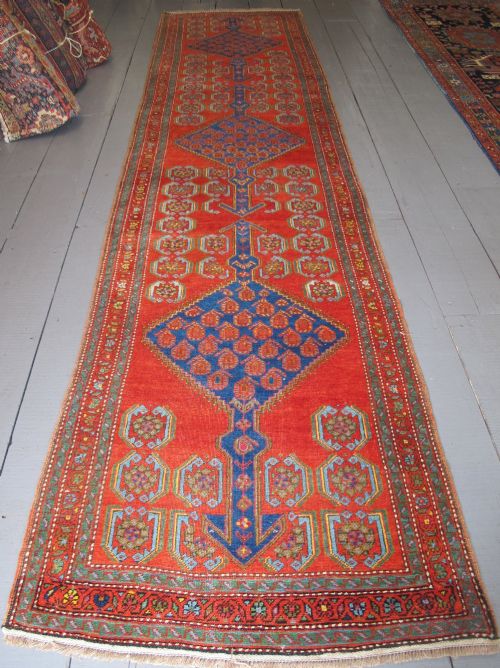
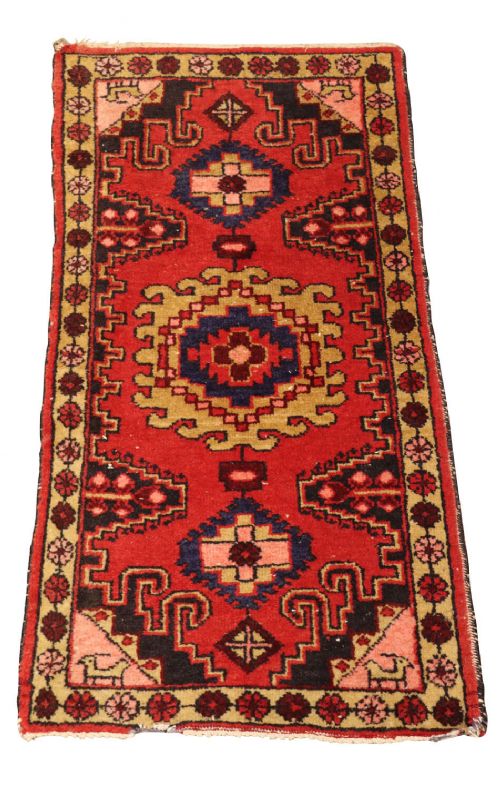


19th Century Wool Runner
When you search for a 19th century wool runner, you enter a world of tribal weavers, village looms, and geometric artistry designed to anchor a hallway with history.
19th Century Wool Runner
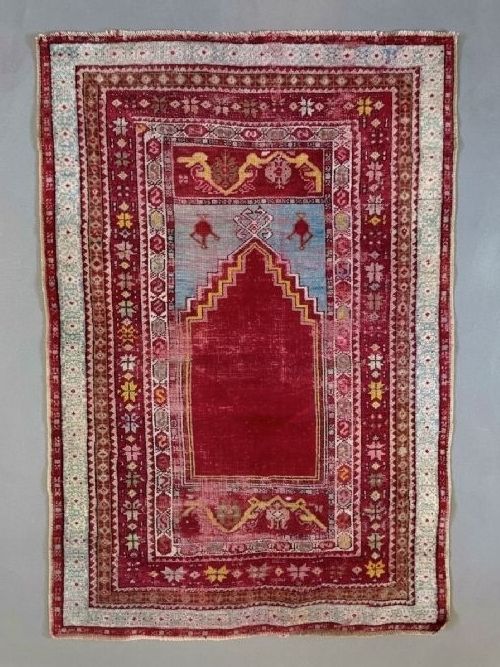
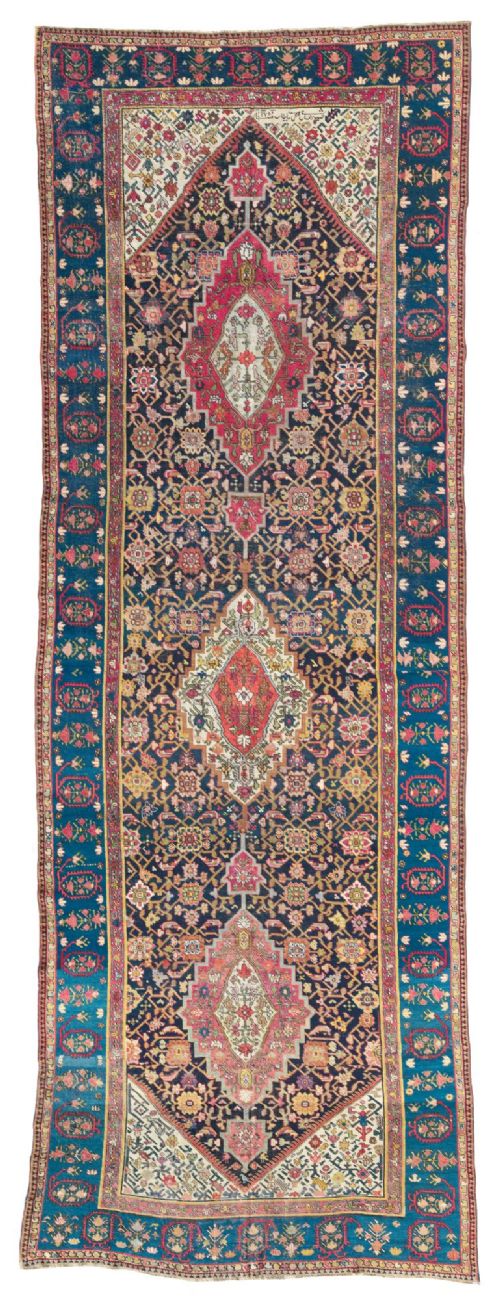
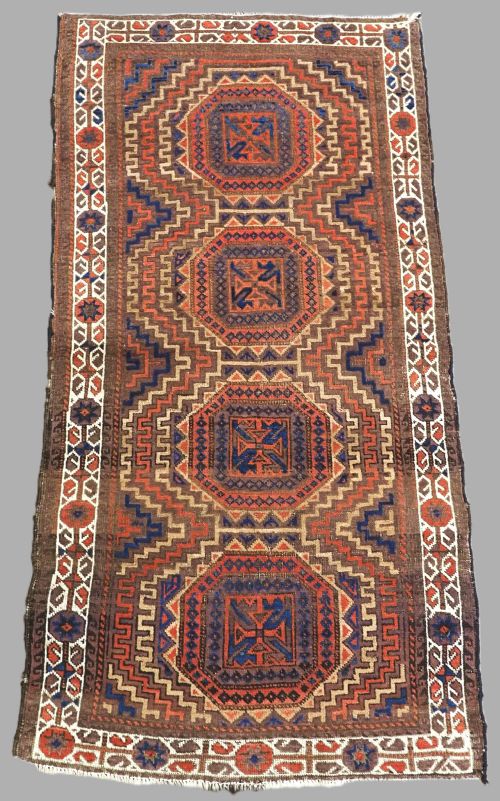
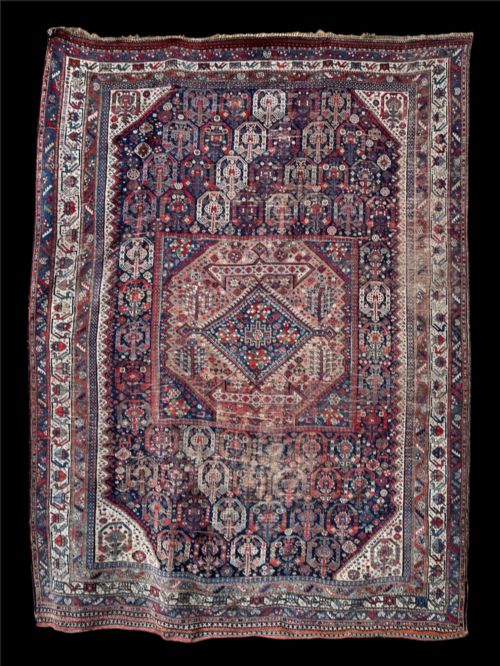
A 19th century wool runner represents an elongated floor covering created by nomadic tribes, village cooperatives, and regional weavers across the Caucasus, Persia, Anatolia, and Central Asia.
The selections on this page span styles such as Caucasian, Persian Tribal, and Anatolian Traditional, alongside specific long formats like the Talish, Gendje, and Fereghan narrow runner.
These textiles served practical functions in tents and homes, moving beyond simple decoration to embody the cultural motifs and structural traditions of their makers.
Materials and construction
The foundation of a 19th century wool runner relies on hand-spun wool for the pile, frequently paired with cotton or natural wool foundations to provide structural stability.
Weavers utilised natural dyes derived from plants and minerals, creating complex palettes that aged gracefully over generations of use and exposure.
Additional materials such as goat hair and jute appear in select tribal pieces, contributing to the durable edge finishes and foundational integrity of the weaving.
Some tribal weavers tucked stray animal hairs directly into the wool, leaving a charming, woolly signature of the flock behind.
Assessing the weave
Knot density and the precision of the geometric or floral motifs separate ordinary village work from exceptional tribal masterworks.
The vibrancy and depth of the natural dyes dictate the visual strength of the piece, with complex abrasash showing shifts in colour that indicate genuine dye pots.
Structural preservation, including the survival of original borders and selvedges, determines the long-term integrity of the textile.
Karabagh weavers·Shahsavan workshops·Ersari Turkmen·Tekke Turkmen
The 19th Century Wool Runner Glossary
- Abrasash
- A natural variation in tone within a single field of colour, caused by changes in dye batches or hand-spun yarn lots.
- Gul
- A medallion or repeating octagonal motif commonly found in Turkmen and Baluch tribal weavings.
- Kelleh
- A large, elongated format rug traditionally utilised as a room-size carpet or wide gallery runner.
- Selvedge
- The bound or reinforced edge of a rug that protects the structure from fraying along the sides.
- Talish
- A specific Caucasian long rug format known for its narrow proportions and open, medallion-free field designs.
19th Century Wool Runner: Frequently Asked Questions
Where were these runners originally placed?
Nomadic families placed these long textiles inside tents to insulate packed earth floors against cold weather. Village households utilised them in corridors and long rooms.
Their narrow formats made them ideal for transitional spaces. Today, they transition naturally into modern hallways and long corridors.
How do I identify a regional weaving style?
Regional attribution relies on examining the specific palette, border arrangements, and structural quirks of the foundation. Caucasian pieces tend to feature crisp geometric polygons and primary blues.
Persian and Anatolian examples often incorporate softer floral elements or repeating tribal lattice designs. Comparing knot directions aids in pinpointing the origin.
Can I use an antique runner on stairs?
Placing a fragile antique textile on a staircase subjects the fibres to continuous heavy friction. Most collectors prefer placing them in low-traffic hallways to preserve the pile.
If chosen for stairs, a thick, high-quality underlay is essential to cushion footfalls. Regular rotation ensures even wear across the length of the runner.