




Traditional Geometric Runner
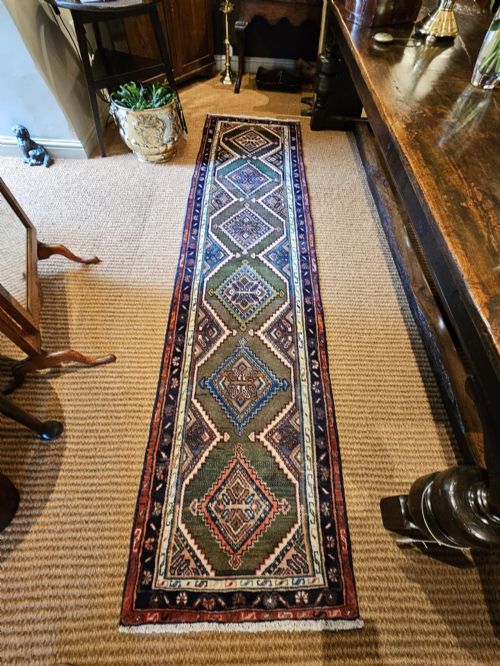
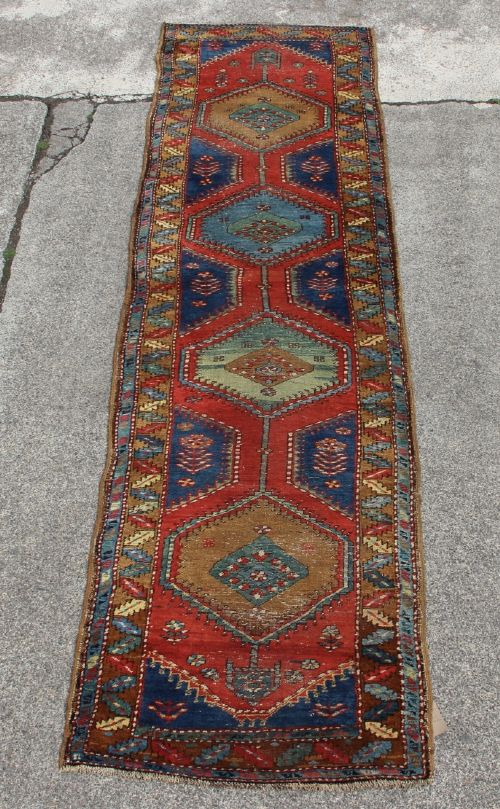
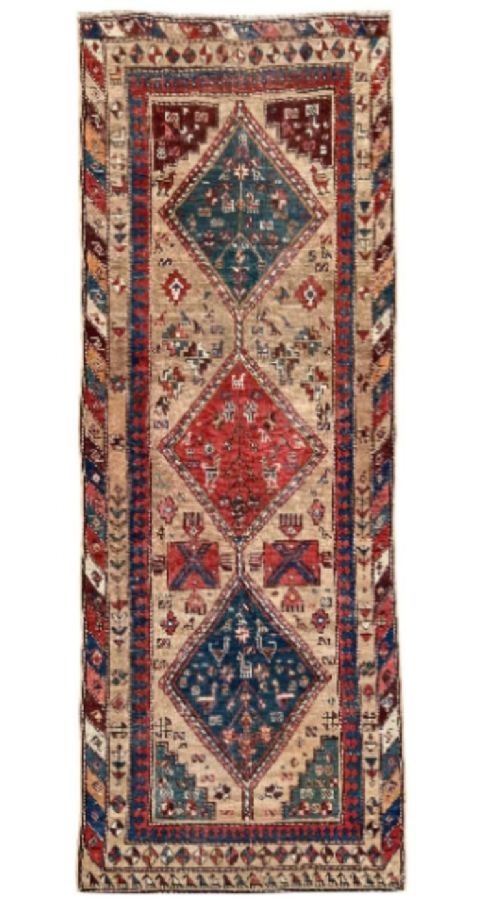
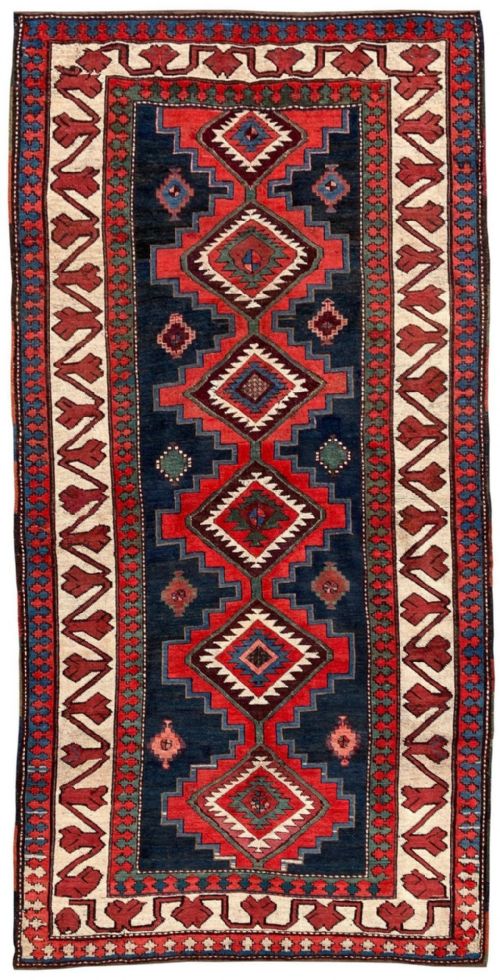
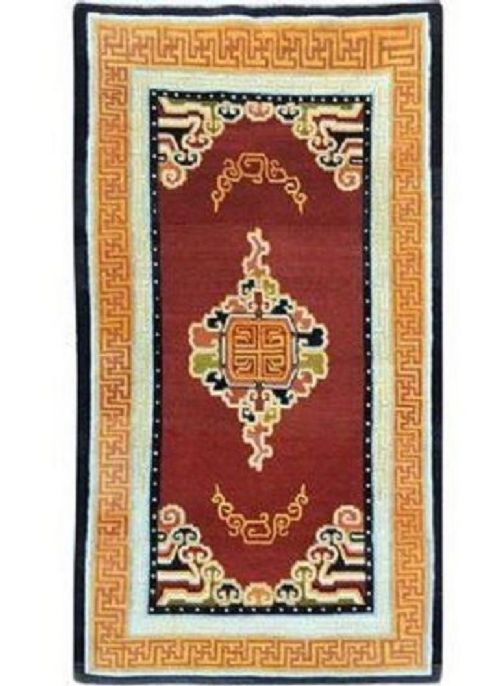
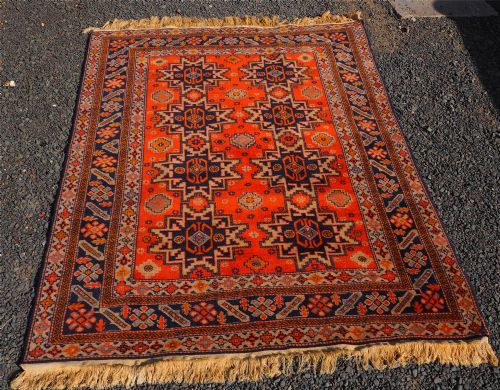
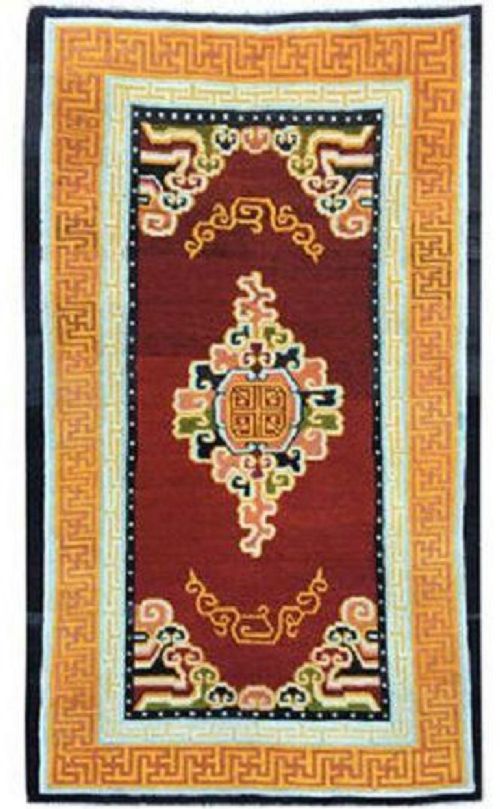
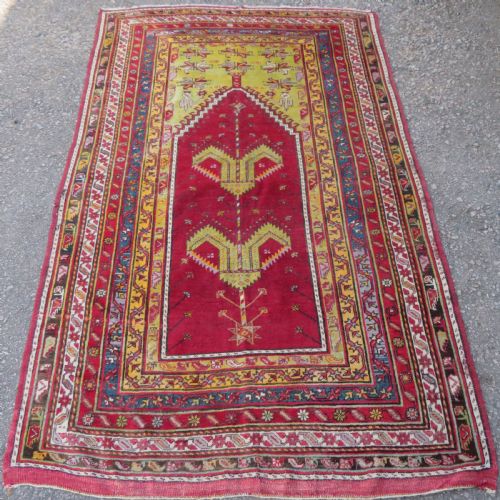
When you search for a traditional geometric runner, you are exploring long, narrow carpets woven with linear patterns originating from Persia, the Caucasus, Anatolia, and Central Asia.
Traditional Geometric Runner
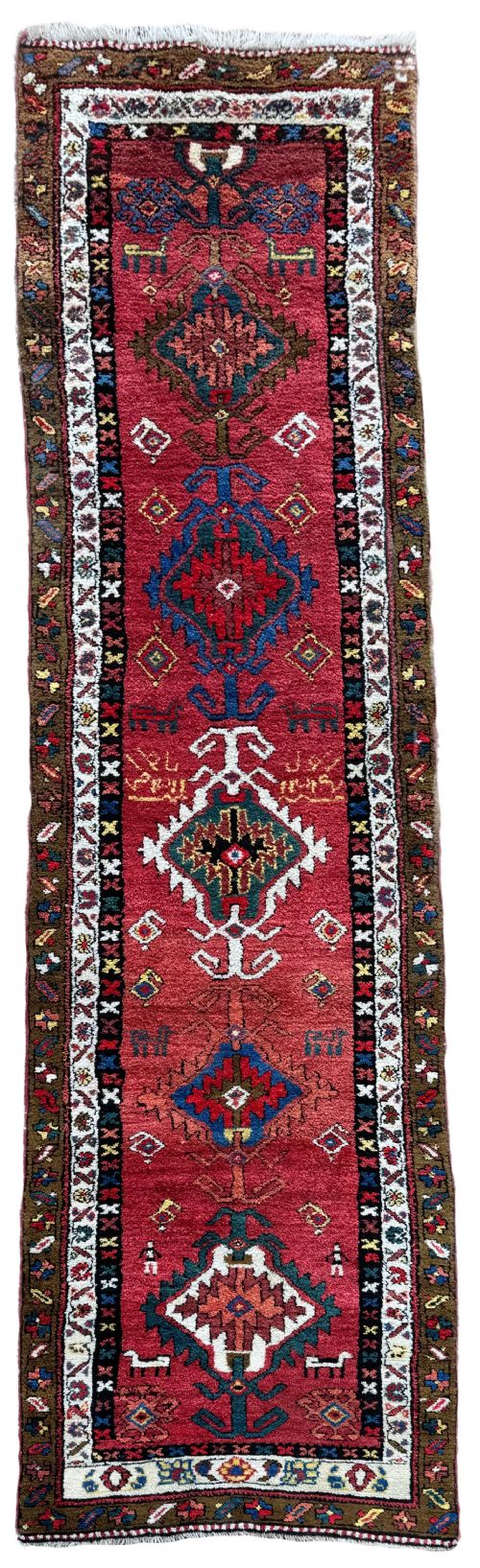
A traditional geometric runner provides a narrow format designed for hallways, corridors, and long spaces, combining linear motifs with historical weaving traditions. These pieces stretch across various lengths while maintaining the proportions required for transitional domestic settings.
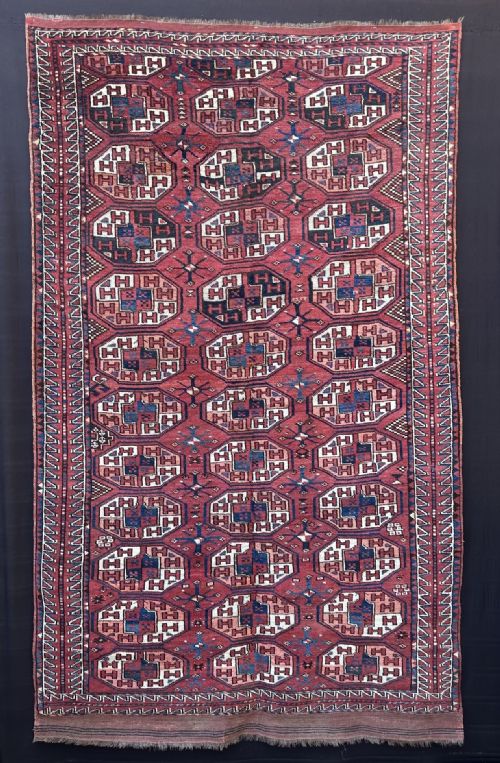
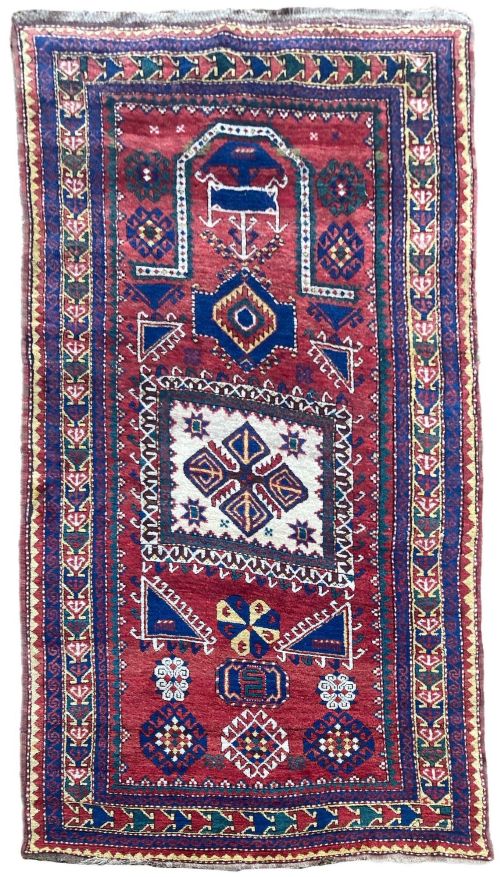
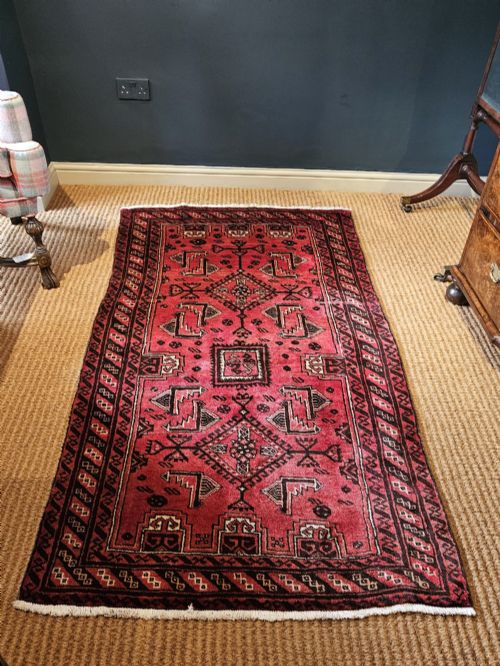
The inventory encompasses examples originating from Persian, Caucasian, and Anatolian weaving centres, alongside pieces attributed to nomadic and tribal groups such as the Baluch, Kurdish, and Kazak communities. Production dates span from the late nineteenth century through to the early decades of the twentieth century.
Makers utilised repeated medallions, lattice frameworks, and angular borders rather than curvilinear floral schemes, anchoring the aesthetic in rigid geometry. This structure makes them particularly suited to high-traffic areas where linear designs help direct the eye along a corridor.
How They Were Made
Weavers constructed these long carpets predominantly using wool, cotton foundations, hand-spun wool, and occasional camel hair for durability and texture. Natural dyes supplied the palette, yielding mellow tones and saturated hues that age organically over decades of use.
The construction relies on hand-knotting techniques executed on upright looms, producing dense floor coverings built to withstand heavy foot traffic. Artisans tied symmetrical or asymmetrical knots onto cotton or wool warp and weft threads, securing the ends with woven selvedges.
Current listings feature runner rugs and hallway runners dated across the late nineteenth and early twentieth centuries, constructed from wool, cotton, and camel hair.
What Varies in Quality
Knot density and the precision of the geometric layout dictate the baseline execution of each runner, separating standard village work from finer tribal pieces. Tighter knotting allows sharper definition in recurring medallions and lattice frameworks.
The integrity of the materials, particularly the use of hand-spun wool and stable natural dye sources, governs how gracefully a runner ages under foot. Variations in wool quality influence the tactile depth of the pile and the resilience of the fibre.
The Traditional Geometric Runner Glossary
- Runner
- A long, narrow carpet format specifically proportioned for hallways, corridors, and stairs.
- Warp
- The vertical foundation threads stretched lengthwise on a loom before weaving begins.
- Weft
- The horizontal threads passed alternately over and under the warp threads to bind the knots in place.
- Natural Dyes
- Colourants derived from plant, insect, and mineral sources rather than synthetic chemical compounds.
- Gul
- A medallion or repeating octagonal motif frequently found in tribal rugs and carpets from Central Asia and Persia.
Traditional Geometric Runner: Frequently Asked Questions
Where should I place a traditional geometric runner?
These narrow formats suit hallways, corridors, entryways, and narrow galley spaces where linear patterns draw the eye forward.
Their elongated proportions also function effectively alongside long dining tables or beside bedroom furniture.
How do I care for an antique wool runner?
Regular gentle vacuuming without a rotating brush roll prevents dust accumulation in the wool pile. Professional cleaning by specialists in antique textiles maintains the integrity of the natural dyes and fibres.
Rotating the rug periodically ensures even wear across high-traffic areas of the hallway.
What defines a geometric pattern in these rugs?
Geometric designs rely on straight lines, triangles, squares, diamonds, and stylized polygons rather than flowing floral curves. This strict adherence to angles reflects the traditional aesthetic of tribal and village weavers.
Such patterns provide visual structure that complements both period interiors and modern minimalist spaces.
How can I tell the age of a runner?
Age is assessed through structural evidence such as the composition of the wool, hand-spun irregularities, and the characteristic palette of natural dyes. Specific weaving structures and regional tribal attributions also help narrow down the period of production.
Most examples on this page date from the late nineteenth century to the early twentieth century.