


19th Century Wood Carving
These 19th century wood carving pieces offer rich decorative character and traditional craftsmanship for period interiors.
19th Century Wood Carving
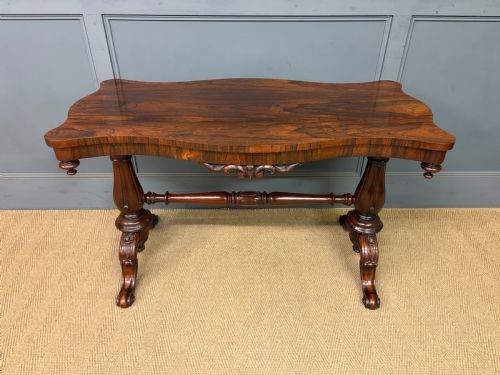
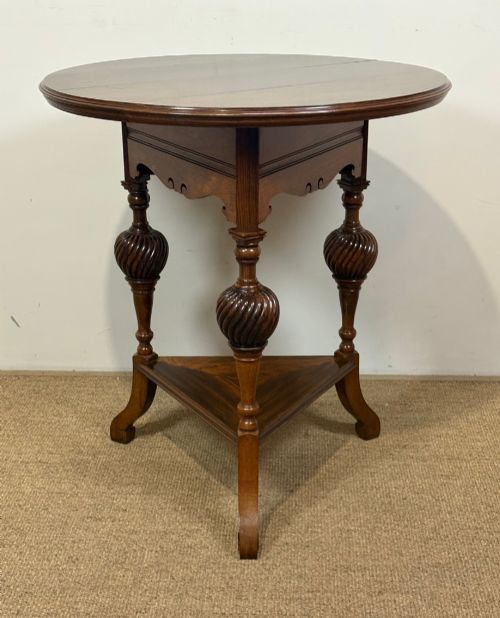
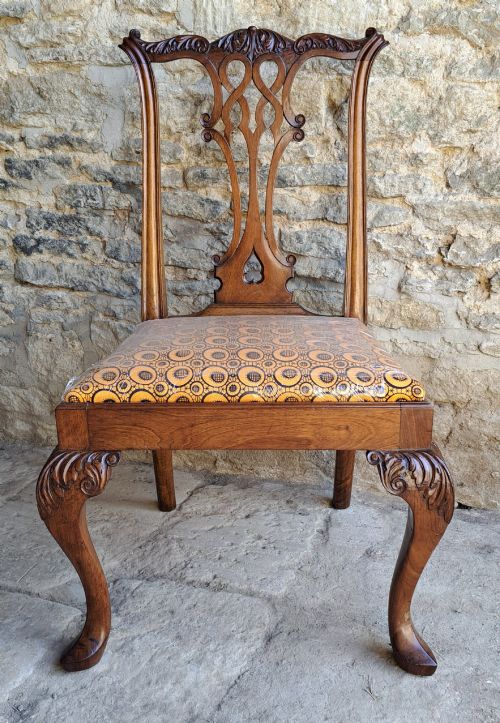
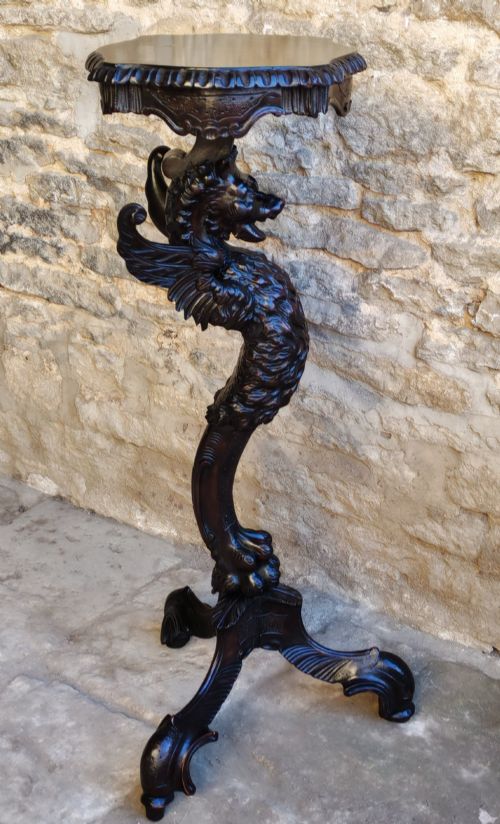
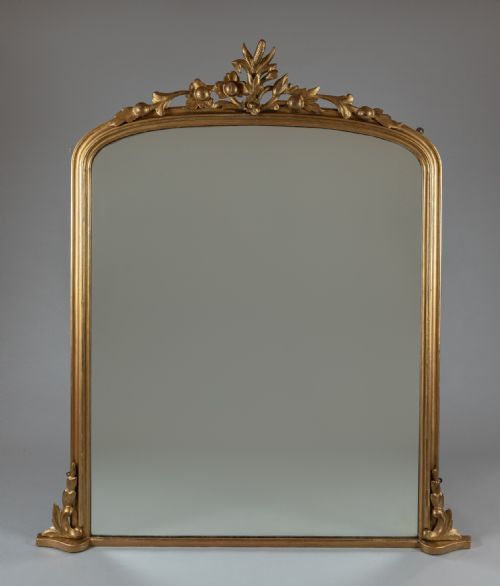
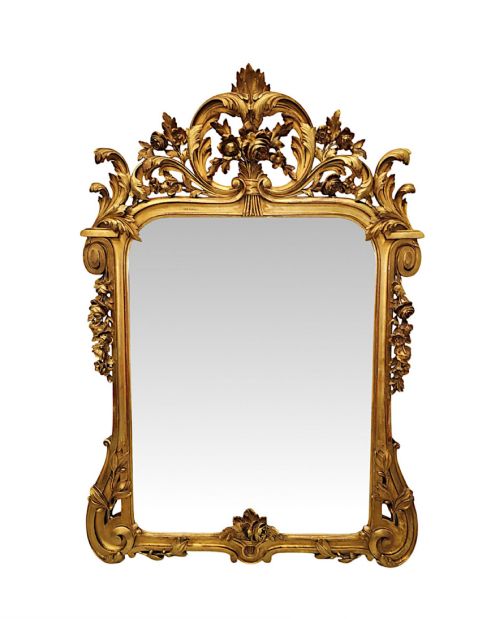
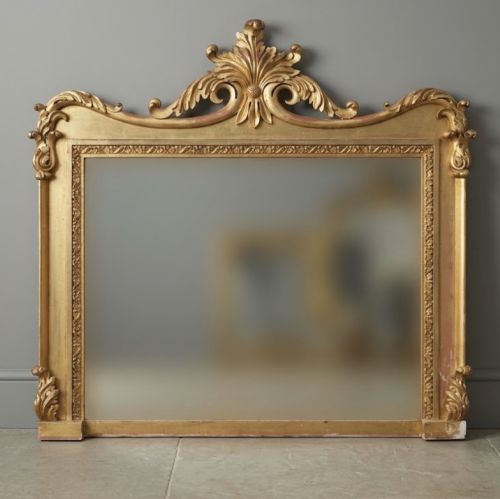
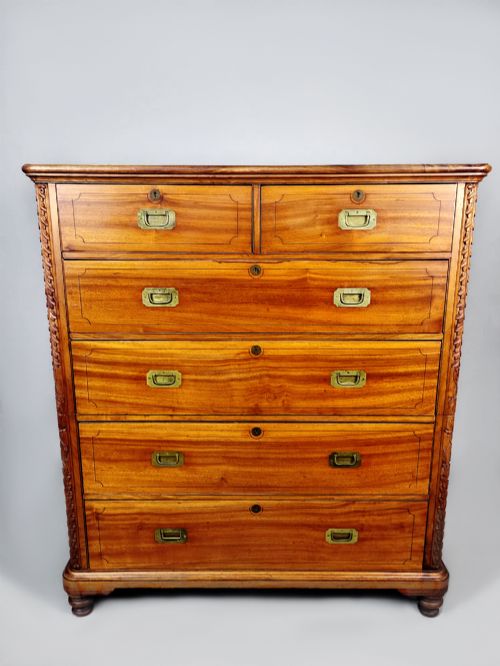
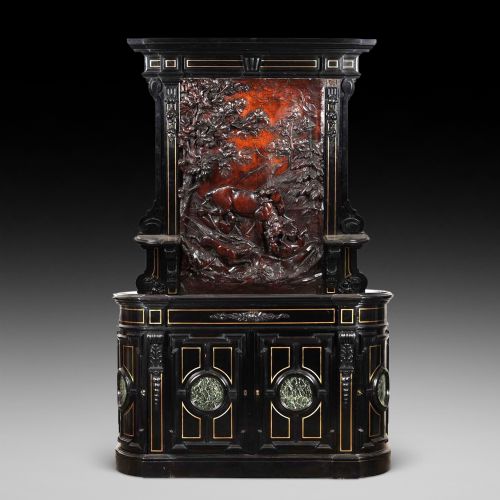
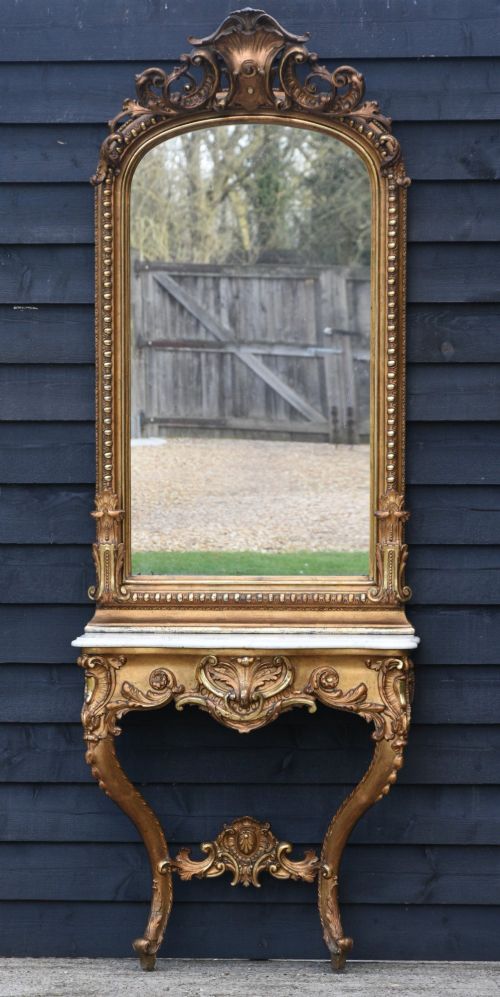
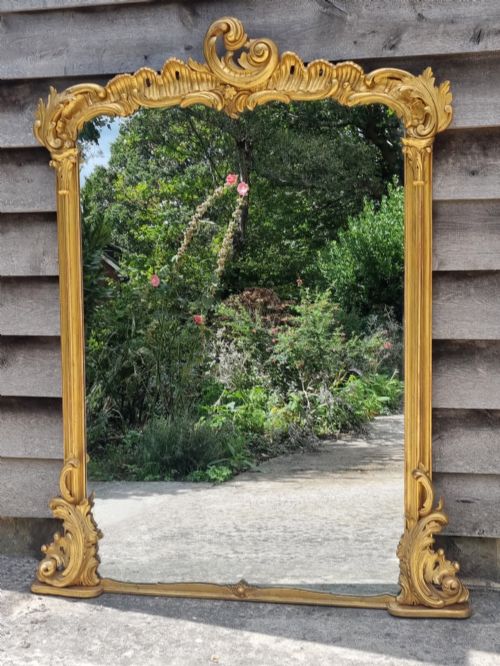
When you search for 19th century wood carving, you encounter a diverse range of furniture, mirrors, and decorative objects shaped during the Victorian, Regency, and various revival periods. These items encompass substantial pieces like sideboards, console tables, and bookcases alongside intricate decorative items such as wall mirrors and smaller ornaments.
The objects frequently reflect stylistic revivals including French Rococo, French Renaissance, and classical influences, demonstrating the period's preference for ornate ornamentation. Mahogany, rosewood, oak, and pine serve as the primary structural foundations for these items.
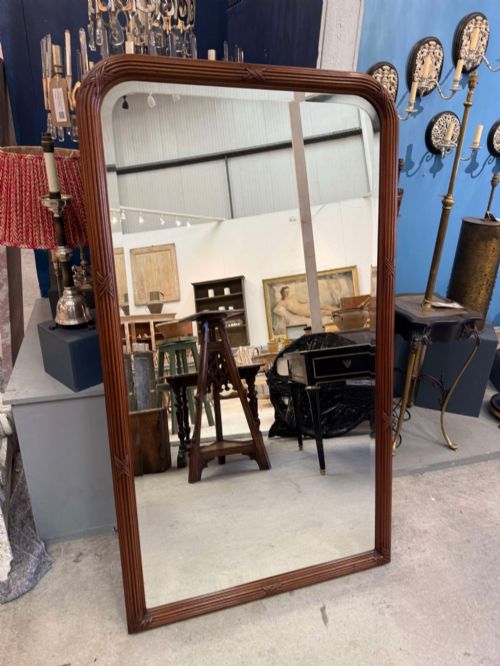
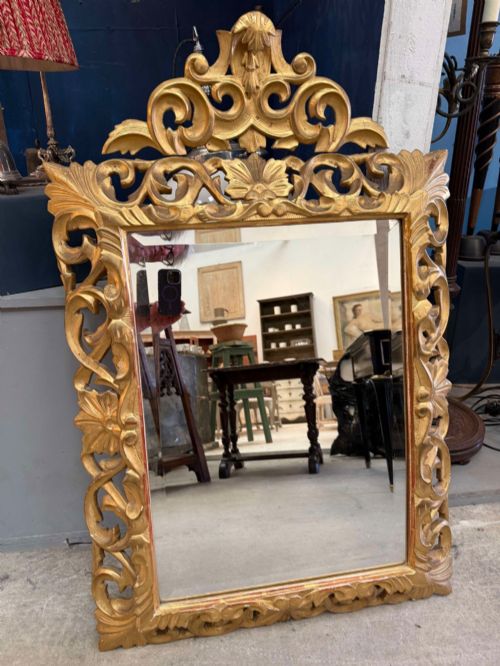
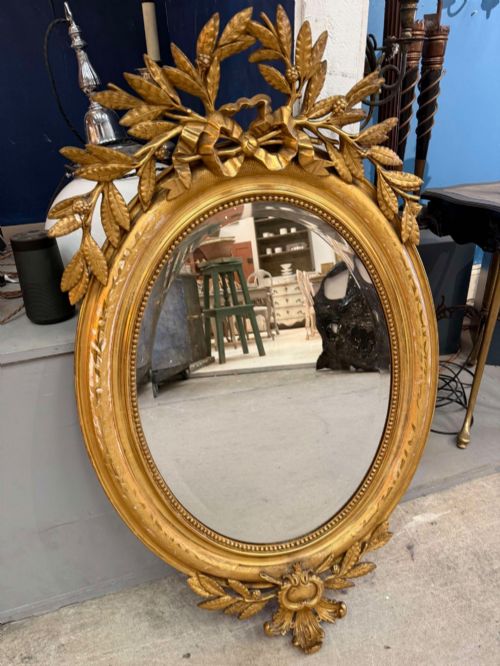
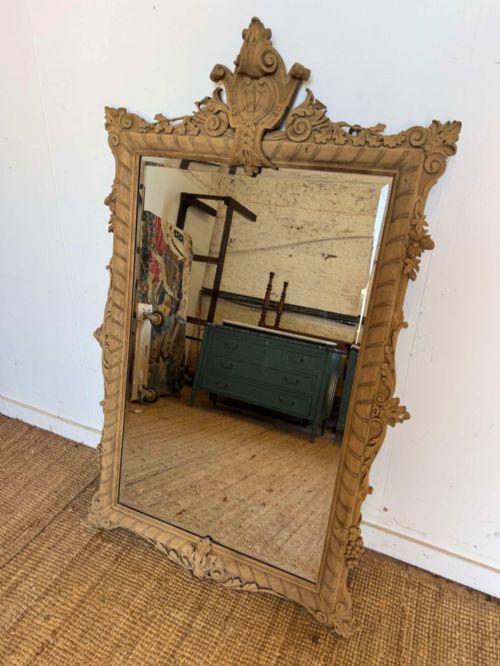
Buyers most commonly meet large giltwood mirrors, mahogany sideboards, and occasional tables within this selection. Each piece illustrates the distinct aesthetic priorities of 19th century workshops across England, France, Sweden, and beyond.
Materials and construction
Craftsmen shaped these items from dense hardwoods like mahogany, rosewood, and oak, as well as softer timbers such as pine and linden wood. Artisans applied hand-carving techniques directly to the timber, creating deep relief patterns and sculptural details.
Giltwood and gesso pieces required layers of plaster applied over a wooden base before applying gold leaf for a reflective, ornamental finish. Joinery methods relied on traditional mortise and tenon joints to ensure structural stability alongside decorative flourish.
19th Century Wood Carving Retail Price Guide 2026
Typical asking prices for 19th century wood carving among the pieces listed under this phrase on Sellingantiques today, from the lower quarter to the upper quarter. They describe what is for sale here now, not the wider market.
Listings feature 19th century items spanning the Victorian, Regency, and William IV periods, constructed from mahogany, rosewood, oak, and giltwood.
Judging the work
Quality rests upon the crispness and depth of the hand-carving, where skilled execution results in sharply defined motifs and smooth contours. Pieces featuring finely figured veneers and robust timber selection demonstrate superior workshop standards.
The integrity of the original surface finish, whether polished mahogany or applied giltwood and gesso, dictates the visual harmony of the piece. Superior examples maintain balanced proportions and secure structural joinery without loss to their decorative elements.
Felix Alfred Ternisien
The 19th Century Wood Carving Glossary
- Giltwood
- Wood that has been coated with gold leaf or gold paint for decorative effect. This finish appears frequently on 19th century mirrors and console tables.
- Gesso
- A plaster mixture applied to wood surfaces to prepare them for gilding or painting. It provides a smooth base for intricate carved relief work.
- Faux Bois
- An artistic imitation of wood grain applied to objects or furniture. It demonstrates the period's interest in rustic and naturalistic visual themes.
- Burr veneer
- Wood sliced from a tree growth that yields swirling, highly figured grain patterns. Cabinetmakers applied these thin sheets to surfaces of tables and cabinets.
- Pricket
- A sharp metal spike on a candlestick or chandelier designed to hold a candle in place. These fixtures often accompany carved wooden standards.
19th Century Wood Carving: Frequently Asked Questions
How do I identify a 19th century mirror?
Examine the construction of the frame behind the glass, noting the type of wood and joinery methods used. Older mirrors frequently feature heavy giltwood, gesso ornament, and original plate glass with subtle distortions.
Look for period specific design motifs such as French Rococo Revival or Victorian styling. Maker labels or stamps on the reverse can also provide definitive clues to origin.
What woods were commonly used?
Craftsmen relied heavily on dense hardwoods like mahogany, rosewood, and oak for structural furniture pieces and case work. Softer timbers such as pine, birch, and linden wood suited items requiring deep relief carving or specialised decorative forms.
Giltwood items typically utilised pine or other softwood bases covered in gesso before gilding. Exotic materials like burr birch and padouk appeared on select decorative tables and sideboards.
How should I care for carved wooden furniture?
Keep wooden pieces away from direct sunlight and steady heat sources to prevent the timber from drying out and cracking. Maintain a stable indoor environment with consistent humidity levels to protect veneers and joints.
Dust surfaces gently with a soft cloth and avoid applying harsh chemical polishes. For giltwood and gesso elements, consult a professional conservator before attempting any cleaning.
What distinguishes Victorian from Regency pieces?
Regency items generally reflect classical restraint influenced by Greek and Roman design, often utilising clean lines and dark mahogany. Pieces from this era frequently date from the early decades of the century.
Victorian furniture tends toward heavier proportions and exuberant revivals of Rococo, Renaissance, and Gothic styles. Richly figured woods like burr walnut and ornate carved ornamentation characterise the later Victorian era.