



19th Century Watercolour Miniature
A 19th century watercolour miniature captures human likeness and domestic scale through delicate pigments on paper, ivory, or glass, drawing collectors seeking portable intimacy from the Georgian and Victorian eras.
19th Century Watercolour Miniature
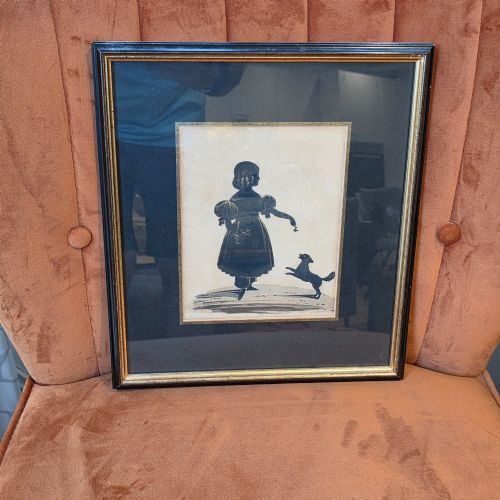
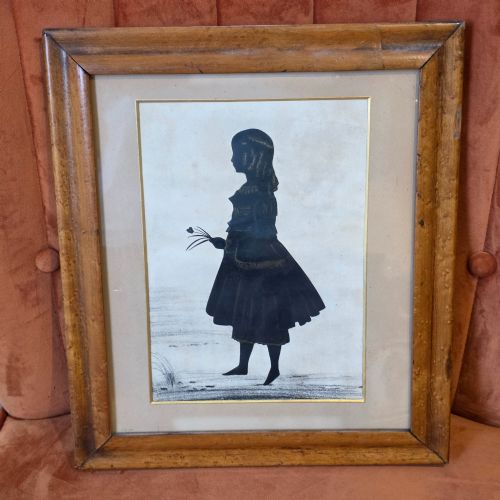
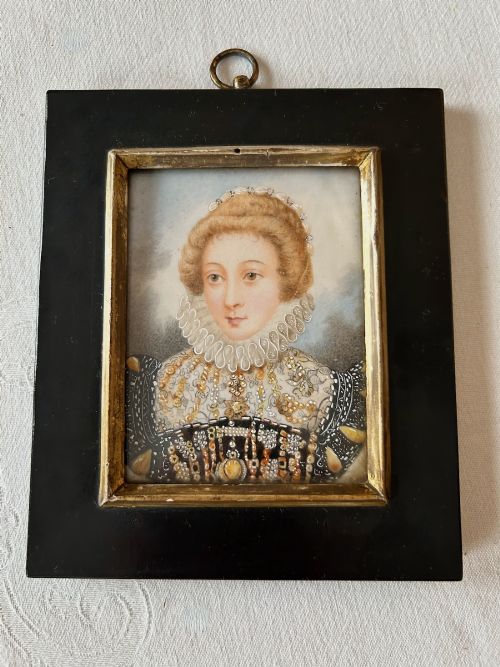
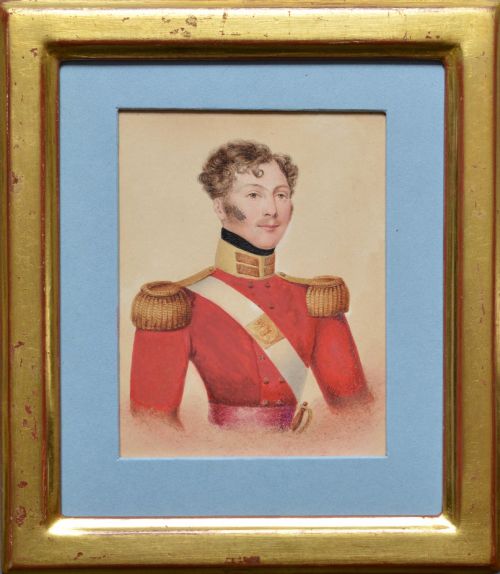
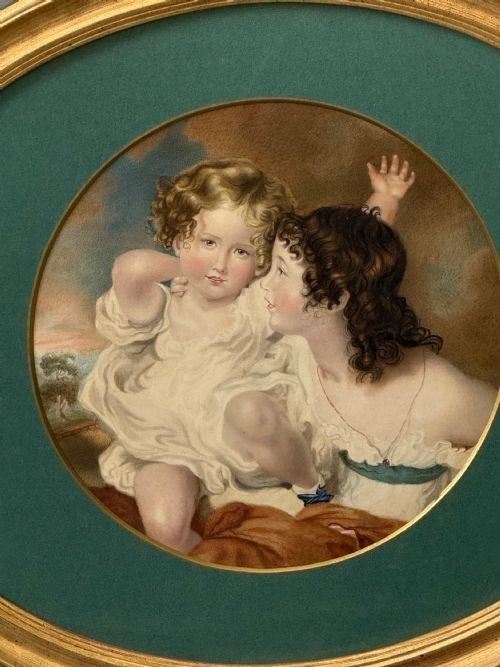
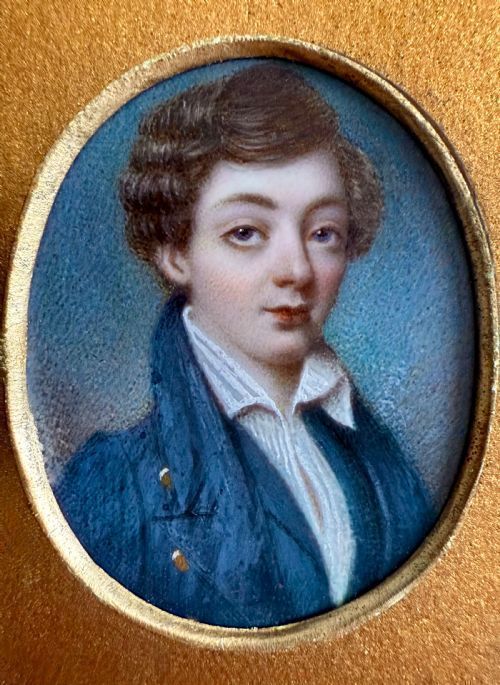
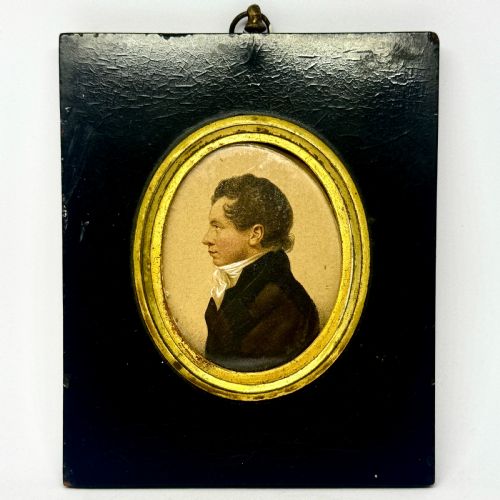
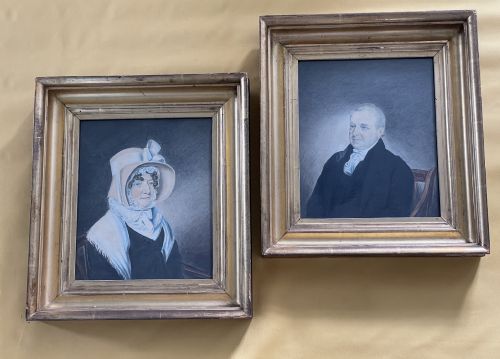
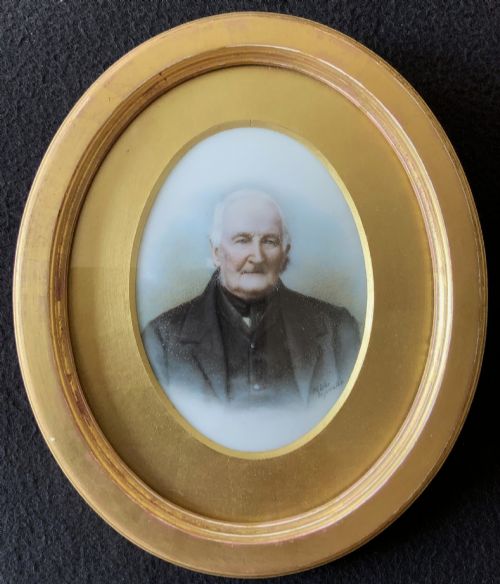
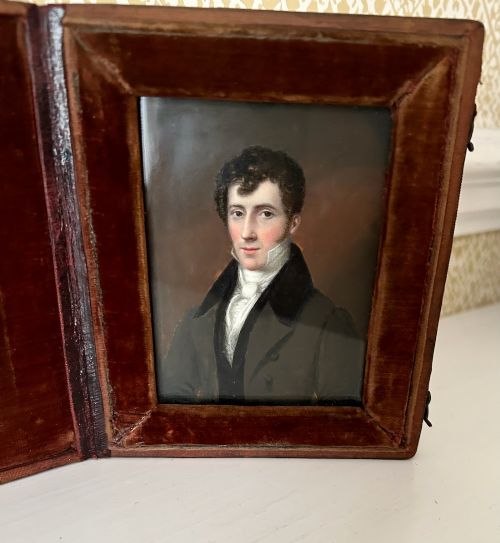
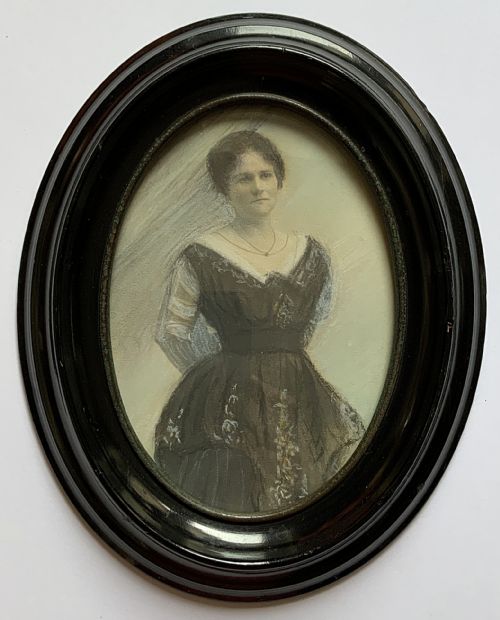
When searching for a 19th century watercolour miniature, collectors encounter small-scale painted portraits, silhouettes, and landscapes produced across the Georgian, Regency, and Victorian periods. These pieces frequently depict named individuals, military officers, children, and ladies in period dress rendered with meticulous brushwork.
The format spans oval frames, ebonised wood settings, gilt metal mounts, and occasionally piano key or paper mache surrounds. While portraiture dominates the offerings, companion pairs and small topographical landscapes also appear within the selection.
Originating from British, French, and American hands, these artworks reflect both professional studio practice and folk art traditions. The surviving examples bridge the gap between intimate personal tokens and finished fine art.
How They Were Made
Framing materials played a crucial role in preservation, utilising glass covers alongside gilt wood, ebonised timber, and brass bezels. Specialised enclosures like brooch mounts and hinged cases allowed these intimate portraits to be carried or worn close to the body.
Several miniatures double as wearable brooches, allowing a Victorian gentleman to literally carry his favourite lady close to his chest.
What Varies in Quality
The skill of the brushwork and the precision of facial expression determine the distinction between standard commercial output and master execution. Hand-painted delicacy in the rendering of eyes, hair, and lace separates skilled portraiture from stiff or formulaic studio copies.
The survival of original bezels, convex glass, and period frames influences the integrity of the piece. Clean preservation of the delicate water-soluble pigments without fading or damp staining preserves the visual impact intended by the artist.
William James Hubard·Henri Fradelle·Richard Cosway·Frederick Buck·Albin R Burt·William Egley·J Bizo·George Hargreaves·Thomas Woolnoth·Emma Kendrick·Henry Jacob Burch
The 19th Century Watercolour Miniature Glossary
- Ivory
- A smooth organic material used as a painting support because its translucent quality imparts a natural warmth to skin tones.
- Ebonised wood
- Timber stained to imitate ebony, frequently utilised for the dark, contrasting frames characteristic of Regency and early Victorian portraiture.
- Silhouette
- A solid profile portrait, often cut from black paper and embellished with watercolour wash highlights.
- Gouache
- An opaque watercolour paint that provides heavier coverage and brighter highlights on miniature paintings.
- Gilt metal
- Metal treated with a gold-coloured finish to create ornate surrounds and protective bezels for portable artworks.
19th Century Watercolour Miniature: Frequently Asked Questions
How were 19th century watercolour miniatures displayed?
These small artworks were designed to sit on desks, hang in tight groupings on parlor walls, or be worn as personal jewellery.
Many featured integrated folding stands, suspension loops, or brooch pins to accommodate different domestic and personal uses.
What subjects appear in these miniature paintings?
Human portraits dominate the category, ranging from named gentlemen and ladies to children and military officers in uniform.
Companion pairs, topographical landscapes, and silhouette profiles also emerge across the period production.
How do I care for a watercolour miniature?
Protect the delicate pigments and paper or ivory supports by keeping them away from direct sunlight and high humidity.
Maintain the original sealed frame to prevent dust and moisture from damaging the unvarnished paint surface.
How can I tell the period of a miniature?
Costume details, hairstyles, and frame styles offer the clearest clues to dating an unsigned portrait.
High collars, white muslin dresses, and side whiskers point toward Regency and early Victorian fashions.