



Victorian Oval Portrait
A victorian oval portrait brings immediate character to a room, offering intimate glimpses of past lives framed in distinctive curved borders.
Victorian Oval Portrait
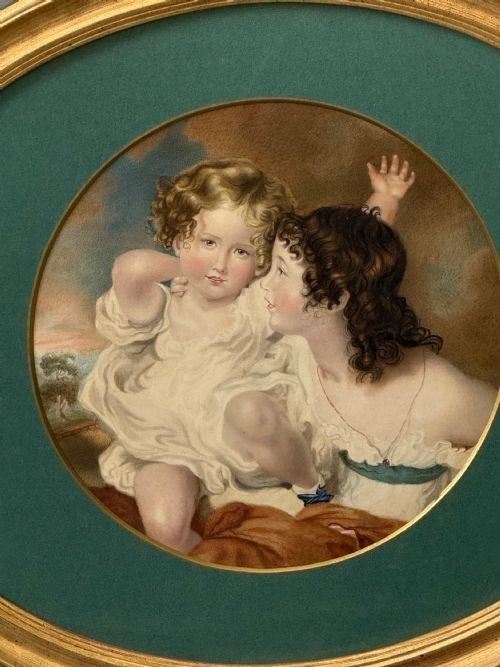
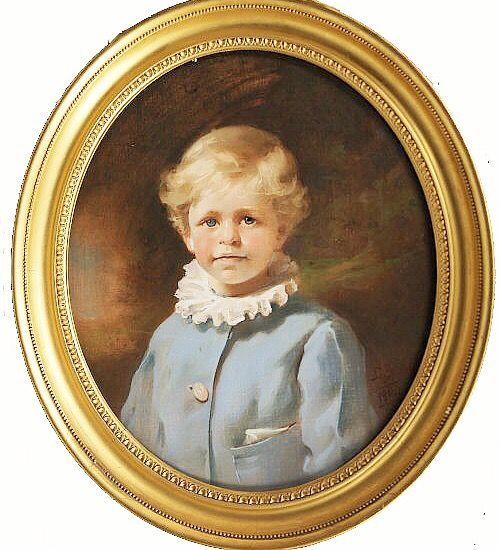
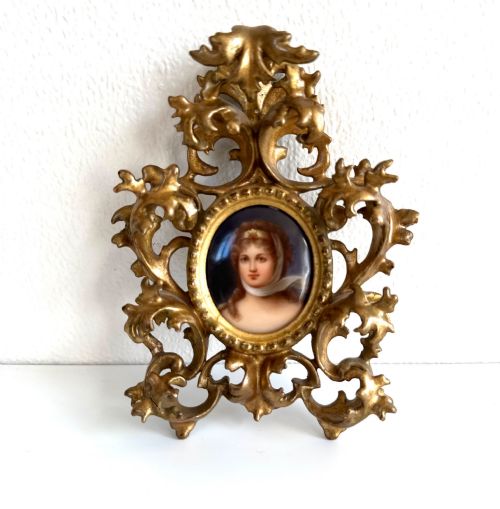
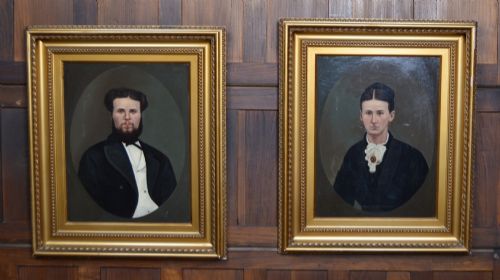
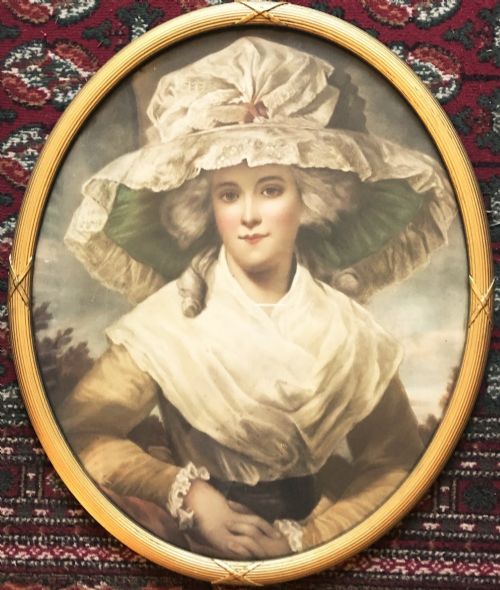
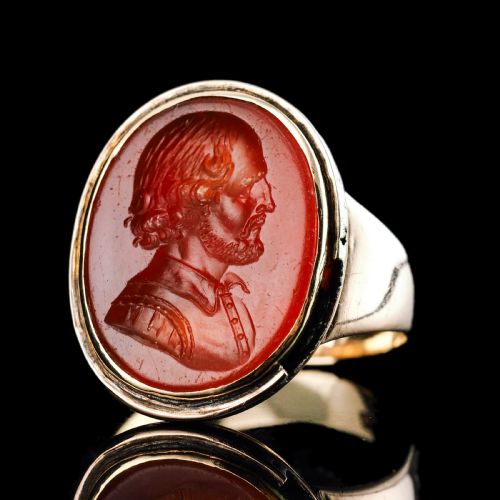
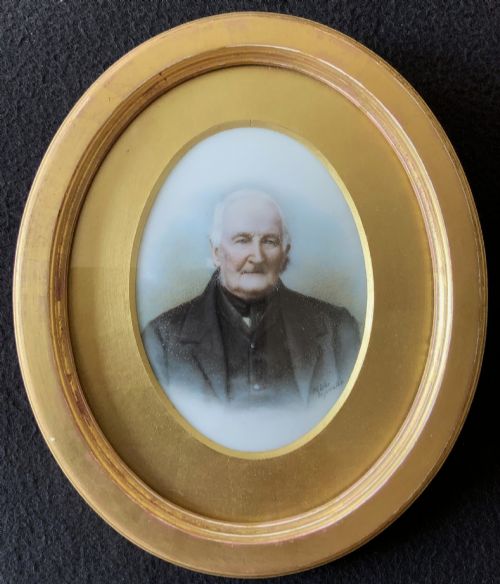
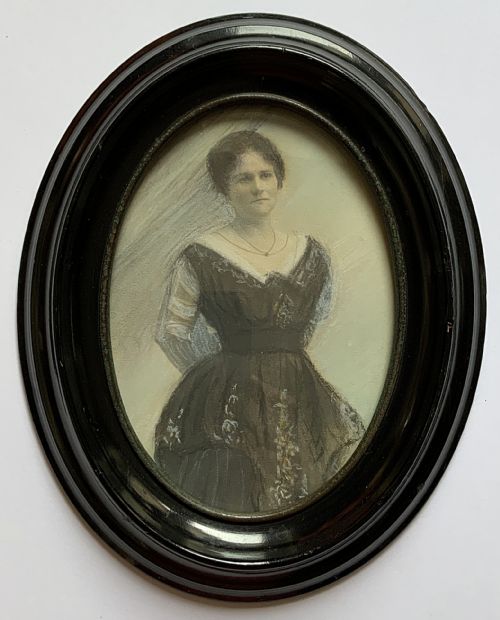
A victorian oval portrait captures likenesses through various mediums, spanning delicate watercolours, oils on canvas, and pastels housed within curved boundaries. You will frequently encounter framed paintings, portrait miniatures, and wall art originating across the nineteenth century.
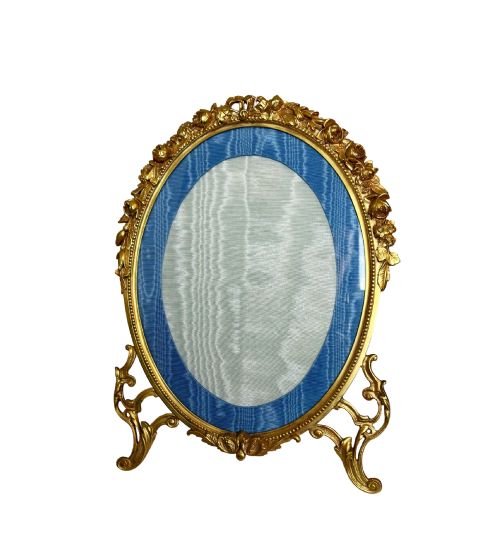
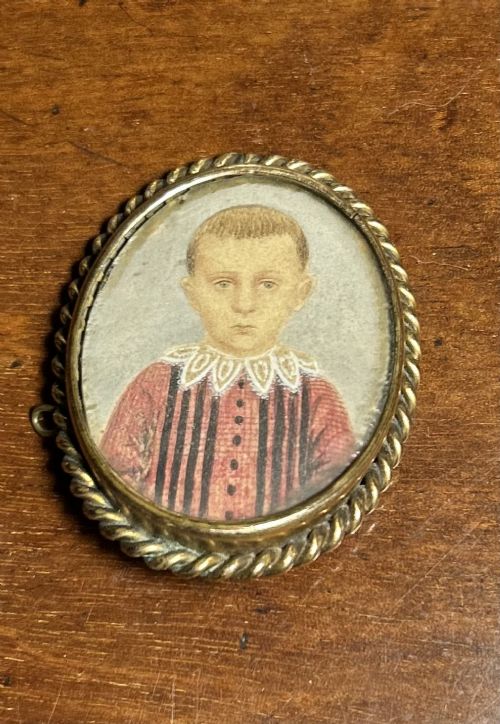
Many works depict individuals, children, or groups, often rendered with remarkable detail. These pieces frequently appear in period frames made of gilt wood, brass, or ebonised timber.
Origins stretch from British creators to French schools and Italian workshops. The selection encompasses standalone wall pieces, small wearable items, and decorative mirrors.
Materials and Technique
Artists worked on canvas, paper, glass, or card using oil, watercolour, pastel, or pencil. Miniature paintings on glass demand precise brushwork on a small scale.
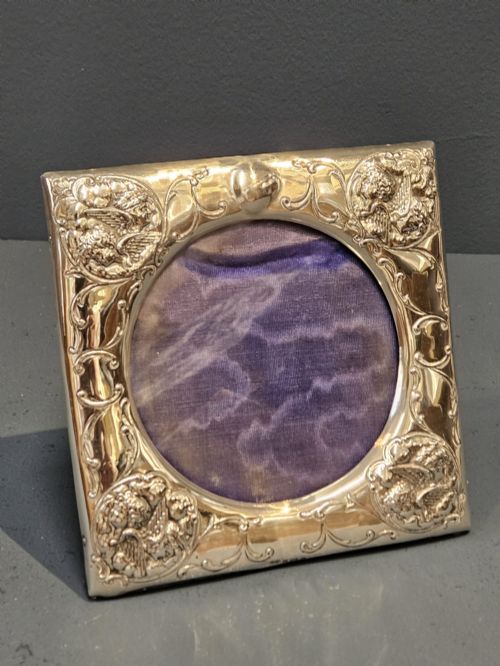
Frames and enclosures utilise carved giltwood, solid silver, brass, gesso, and wood. Gilt bronze and pinchbeck frequently support smaller portrait items and lockets.
Protection and presentation rely on glass glazing and fitted backings, preserving delicate pigments and papers over generations.
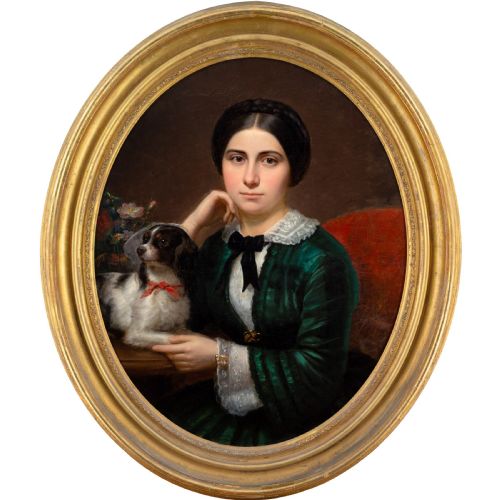
Several portraits capture beloved pets alongside their owners, proving that nineteenth-century families loved showing off their dogs just as much as we do today.
Judging Quality
Quality rests primarily on the skill of the draughtsman or painter in capturing proportion, expression, and texture. Masterful handling of light in oils or subtlety in pastels distinguishes superior works.
The integrity of the original frame matters significantly. Period giltwood, brass, or carved wooden surrounds that complement the artwork elevate the overall piece.
Condition of the medium influences worth, with clean watercolours, stable oils, and minimal fading retaining the intended visual impact.
Dumini Leopoldo·Leon Sprinck·J Bizo·Bown Jones·William Edward Frost·Robert Kemp
The Victorian Oval Portrait Glossary
- Portrait miniature
- A small painting executed on a delicate scale, often housed in a brooch, locket, or small desk frame. These items require magnifying inspection to appreciate the fine stippling and hatching techniques.
- Pastel
- A dry medium of powdered pigment bound into sticks, producing soft textures. Works on paper or canvas require protective glass glazing.
- Pinchbeck
- An alloy of copper and zinc developed to imitate gold. It frequently appears in jewellery housings for miniature portraits.
- Silhouette
- A portrait profile cut from dark paper or painted in solid black against a pale background. These stark likenesses became popular before photography.
Victorian Oval Portrait: Frequently Asked Questions
How should I hang a framed portrait?
Support heavier giltwood and oil pieces from secure wall anchors rather than standard picture hooks. Ensure the curved frame hangs level to showcase the symmetry of the shape.
Position works away from direct sunlight to protect watercolours and pastels from fading. Eye level placement usually offers the best viewing angle for facial details.
Are miniature portraits meant to be worn?
Some pieces function as brooches or lockets designed for personal wear, whilst others remain strictly for display on desks or walls. Check the reverse for pin mechanisms or hanging loops.
Wearable items require careful handling to protect the glass face and metal settings from daily knocks.
Can I replace a damaged frame?
Original period frames contribute significantly to the character and context of these artworks. Sourcing a matching nineteenth-century oval surround requires patience regarding exact dimensions.
Consult a restorer before attempting repairs on delicate gesso or carved giltwood elements.