

19th Century Wall Sconces
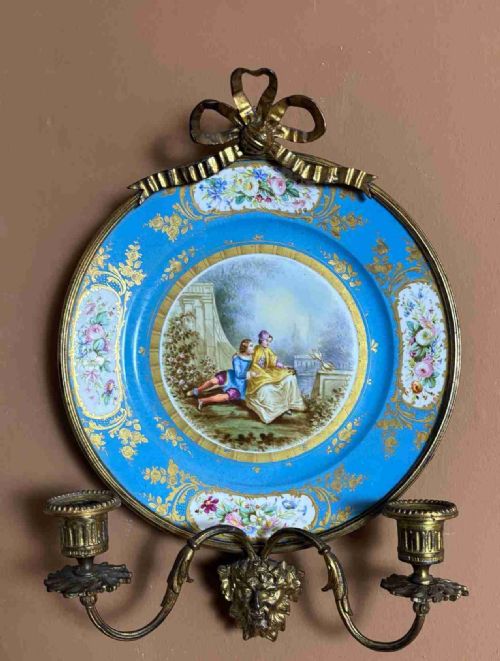
These 19th century wall sconces bring candle-lit illumination and decorative presence to interiors through cast brass, gilt bronze, and carved wood.
19th Century Wall Sconces
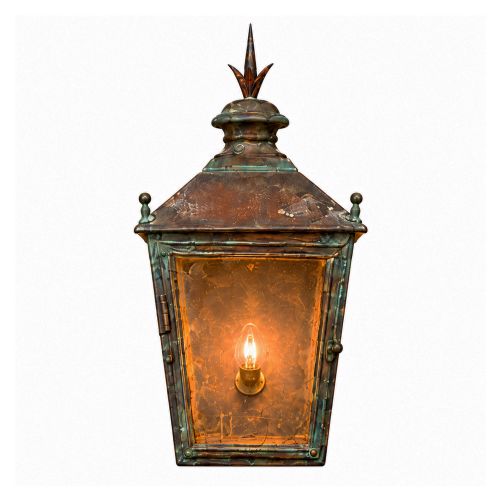
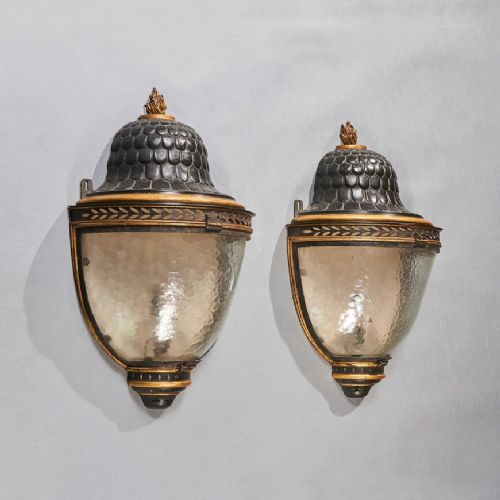
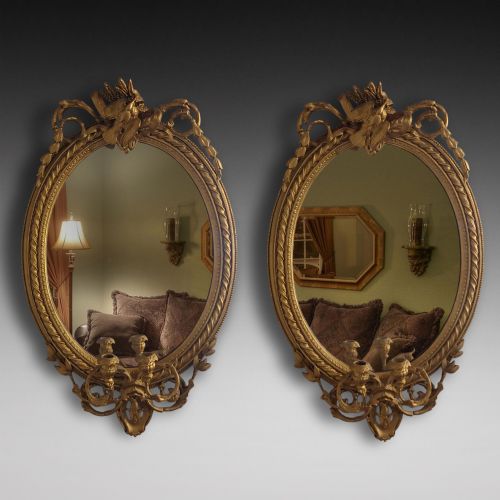
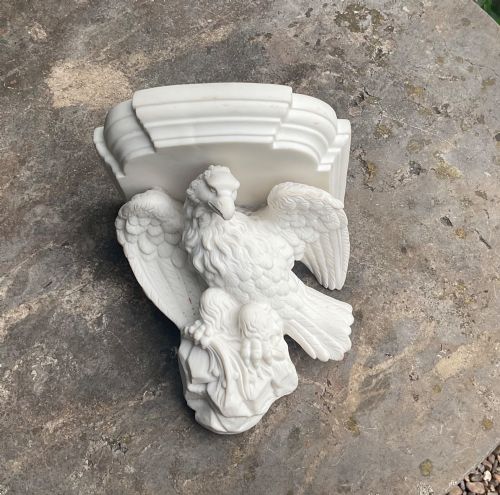
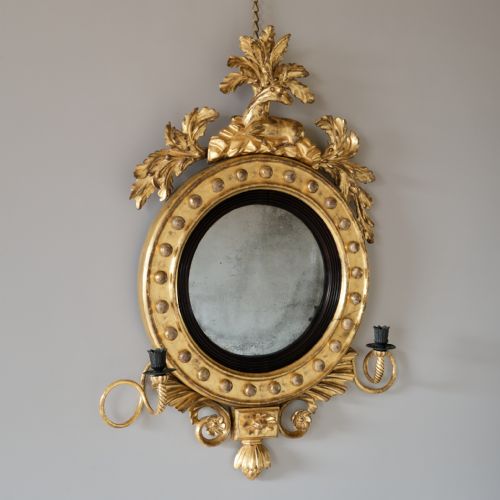
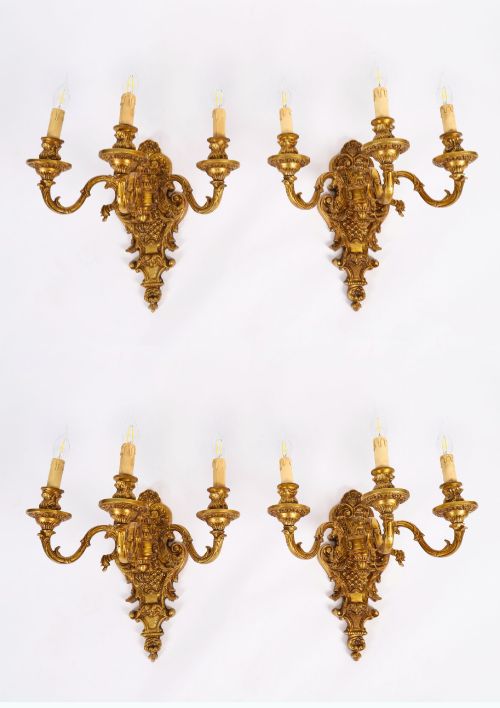
When searching for 19th century wall sconces, buyers encounter lighting fixtures and candle holders designed to mount directly onto vertical surfaces. These items include multi-branch appliques, girandoles combining mirrors with candle arms, and protective lanterns.
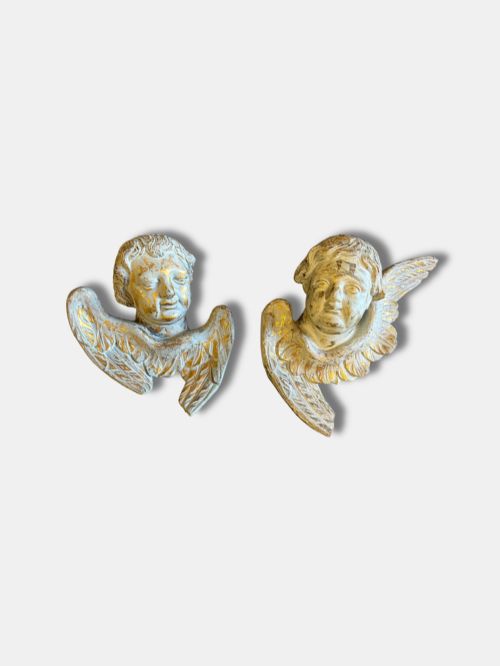
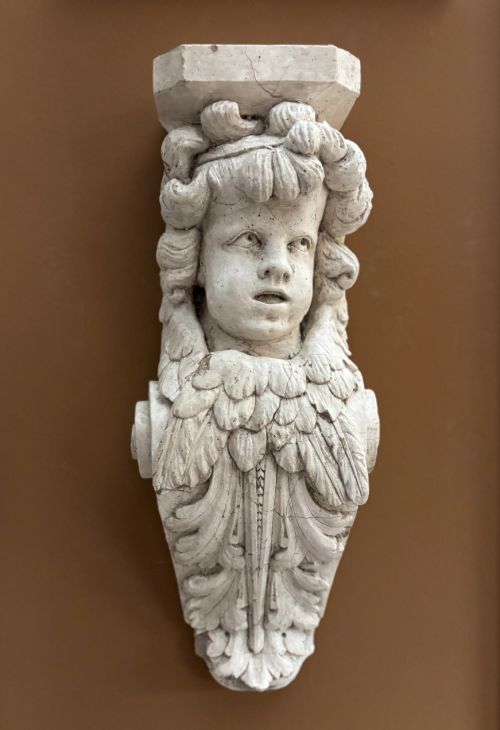
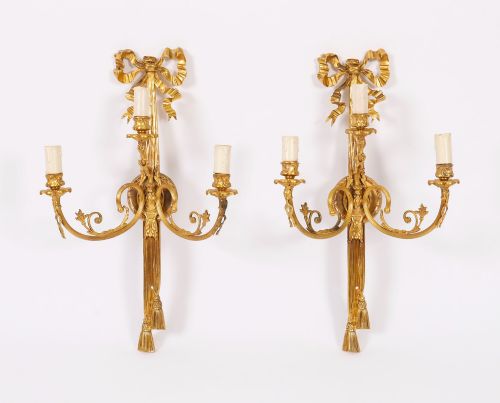
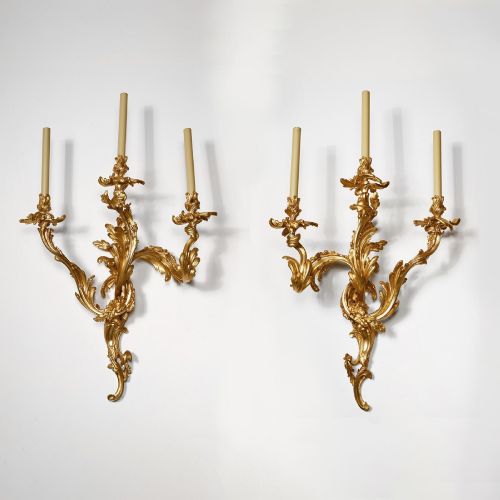
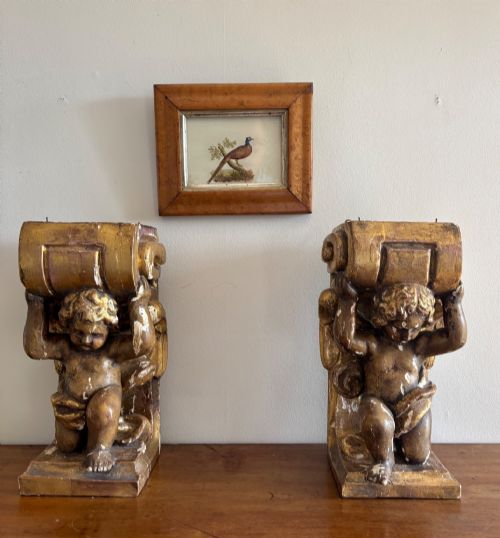
French workshops produced many of the gilt bronze and ormolu examples seen here, often featuring figural motifs like cherubs or putti. English and Dutch makers contributed substantial numbers of brass, repousse, and wooden alternatives from the Victorian era.
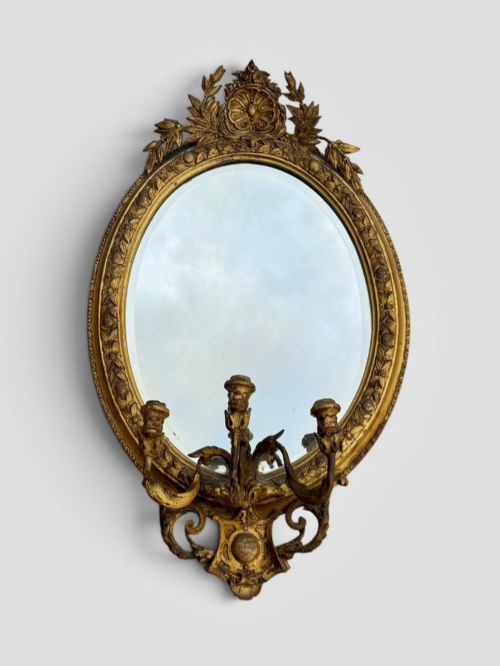
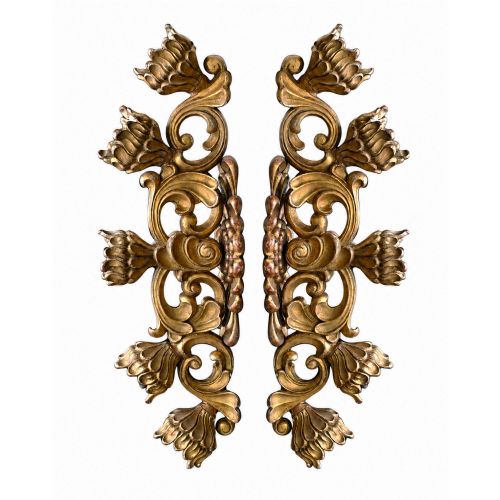
The selection ranges from single candle brackets to large five-light fixtures equipped with elaborate backplates. Girandole mirrors also appear frequently, reflecting candlelight into the room from carved giltwood or gesso frames.
How they were made
Foundry workers cast bronze and brass components using traditional methods, occasionally applying mercury gilding or modern electroplating to create an ormolu finish. Carvers worked with woods such as limewood, pine, and giltwood to fashion brackets and mirror frames.
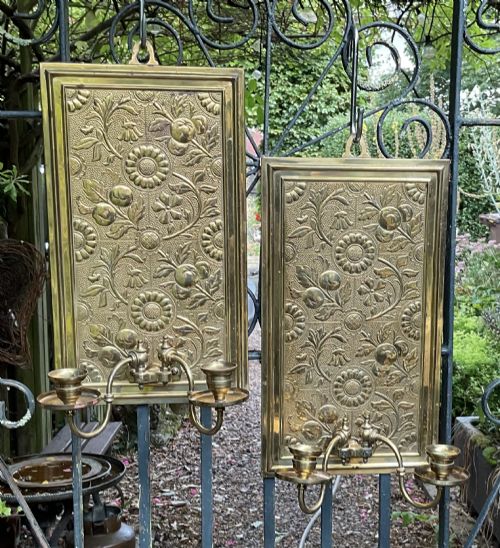
Repousse techniques allowed metalworkers to hammer thin sheets of brass from the reverse side to raise ornamental reliefs. Artisans combined mirror glass, gesso, and gold leaf on girandoles to amplify the ambient light of candles.
19th Century Wall Sconces Retail Price Guide 2026
Typical asking prices for 19th century wall sconces among the pieces listed under this phrase on Sellingantiques today, from the lower quarter to the upper quarter. They describe what is for sale here now, not the wider market.
Listings feature materials including brass, glass, gilt bronze, giltwood, ormolu, gesso, mirror glass, and gold leaf across multiple nineteenth century periods.
What varies in quality
Hand-carved wooden and gesso frames display varying depths of relief and smoothness in the preparation layers beneath the gold leaf. The structural integrity of multi-branch arm attachments and the original weight of the bronze or brass components indicate the tier of manufacture.
Bruce Talbert·Villeroy and Boch·Henri Vian·Cottier and Co
The 19th Century Wall Sconces Glossary
- Ormolu
- Gilded bronze, where a gold-mercury amalgam was applied to cast bronze and heated. This technique was widely utilised by French makers during the nineteenth century.
- Girandole
- A wall bracket or mirror equipped with branches for holding candles. The reflective glass surface helps to distribute light further into the room.
- Repousse
- A metalworking method where sheets of brass or copper are hammered from behind to form a raised design. It appears frequently on Dutch and English wall sconces.
- Gesso
- A plaster mixture applied to wood surfaces as a base for gilding or painting. It allows craftsmen to carve intricate relief details before applying gold leaf.
- Tole peinte
- Painted sheet metal used to form decorative lanterns and shades. These items often feature colourful hand-painted finishes.
19th Century Wall Sconces: Frequently Asked Questions
How do I clean 19th century wall sconces?
Dust metal and wooden surfaces gently with a soft, dry brush to prevent the accumulation of dirt. Avoid chemical polishes that can strip away original gilding or patina.
Water and harsh cleaning solutions should be kept away from antique mirror glass and gesso frames. Professional conservation is recommended for fragile or heavily tarnished gilt bronze.
Were these wall lights electrified later?
Many nineteenth century wall fixtures have been adapted to electricity during the twentieth century to suit modern domestic lighting needs. Conversion methods vary from hidden internal wiring to surface cords running along the arms.
Buyers should check individual listings to determine whether a piece retains its original candle fittings or has received electrical components. Unconverted examples preserve their original mechanical assembly.
What is the difference between an applique and a girandole?
An applique is a wall-mounted fixture designed specifically to hold candles on projecting arms without an accompanying mirror. These metal pieces rely entirely on their backplates for decorative impact.
A girandole incorporates a mirror plate into the backplate design, allowing the reflective glass to amplify the candlelight. Both forms were utilised extensively in nineteenth century interiors.
How can I tell French wall sconces apart from English ones?
French pieces from this period frequently employ cast ormolu and gilt bronze with elaborate rococo or neoclassical revival motifs. Makers across France favoured figural elements such as putti, urns, and scrolling acanthus leaves.
English equivalents often utilise carved limewood, pine, or stamped brass within Victorian and Regency design frameworks. Regional casting marks and construction techniques also help distinguish the origin.