




19th Century Velvet Sofa
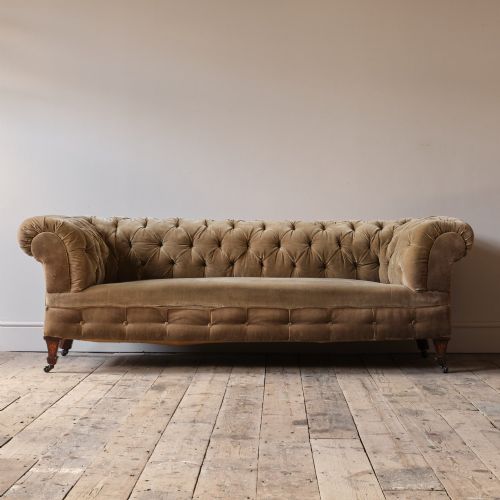
A 19th century velvet sofa brings deep texture and classic proportions to a room, ranging from buttoned Chesterfields to carved walnut daybeds.
19th Century Velvet Sofa
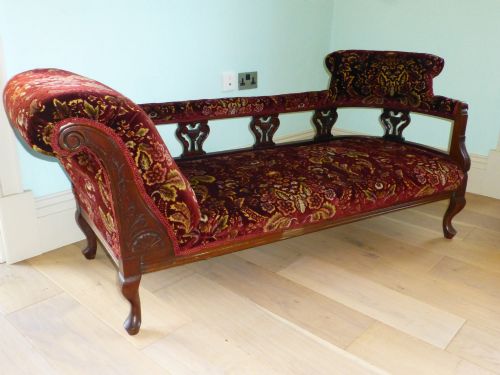
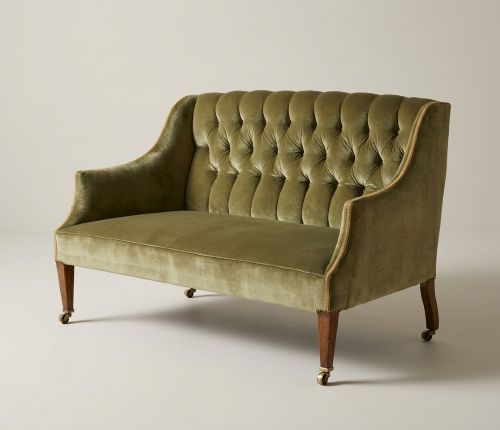
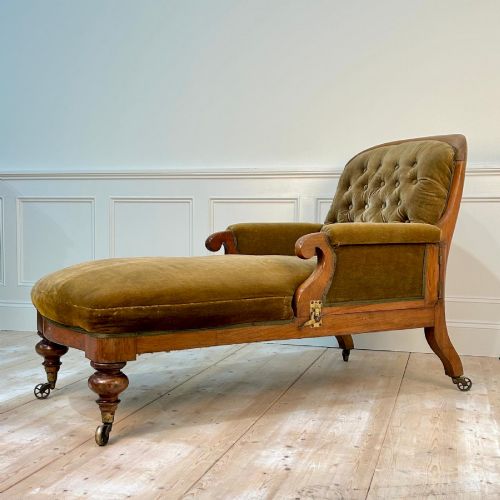
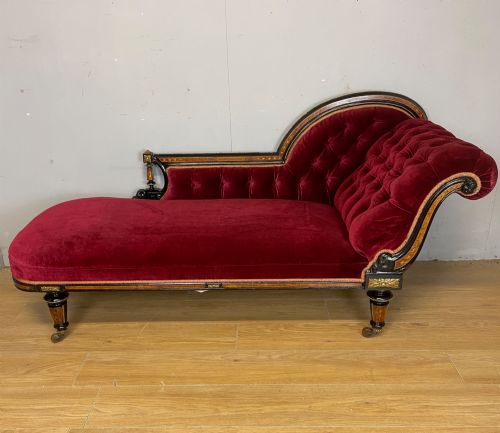
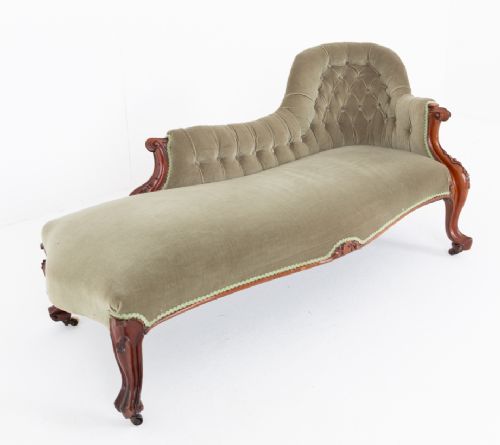
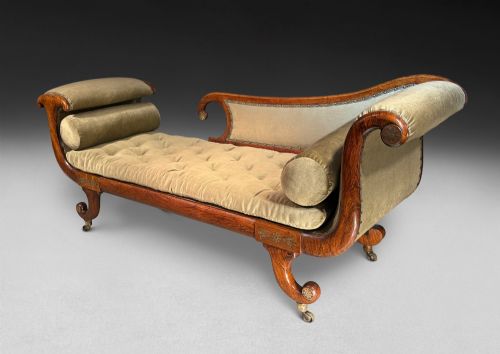
A 19th century velvet sofa encompasses a wide variety of seating forms, including deep-buttoned Chesterfields, elegant chaise longues, and scroll-ended settees. These pieces bridge several periods, spanning Regency elegance through high Victorian comfort and late-century French influences.
The most common examples on this page are Victorian walnut and rosewood frames upholstered in plush velvet, alongside French salon pieces and country house daybeds. Forms range from compact two-seaters and kidney sofas to expansive reception salon daybeds.
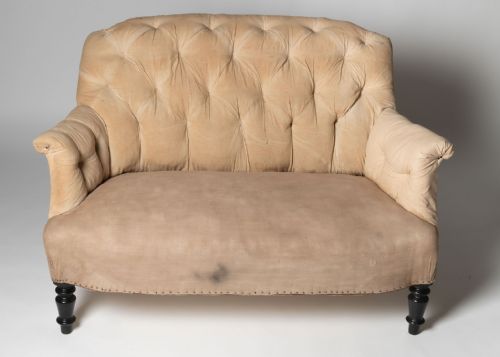
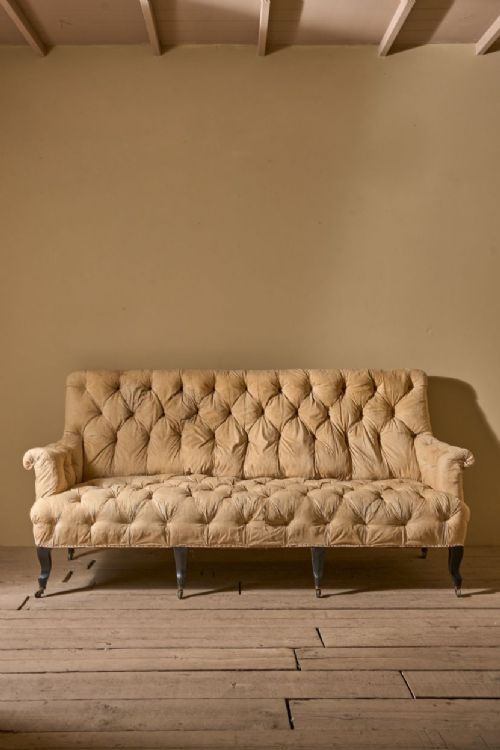
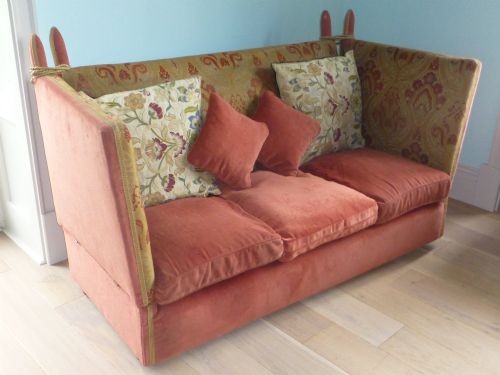
Makers and regional styles introduce distinct silhouettes, such as English Knole drop-arm settees, Howard style open arm sofas, and Napoleon III buttoned designs. Each piece reflects the seating requirements and aesthetic ambitions of its original domestic or salon setting.
Materials and Construction
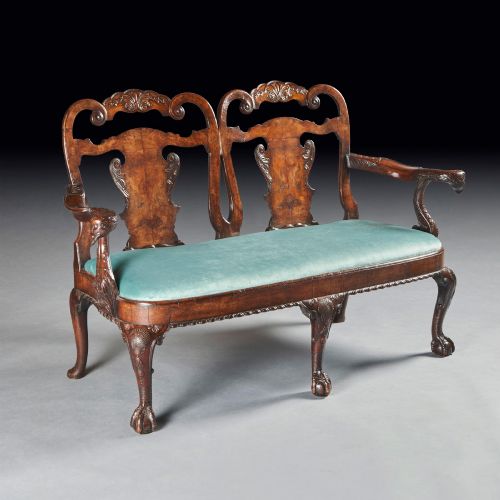
Frames are built from dense hardwoods such as mahogany, walnut, rosewood, fruitwood, and ebonised wood, often augmented by brass inlay or carved walnut details. Structural integrity relies on traditional joinery that supports heavy sprung upholstery and complex wooden frameworks.
Upholstery relies on traditional techniques supporting rich velvet texturing, frequently finished with deep buttoning, decorative brass nailing, or ormolu mounts. Frames display hand-carved elements, barley twist supports, or inlaid panels depending on the specific period and regional workshop.
19th Century Velvet Sofa Retail Price Guide 2026
Typical asking prices for 19th century velvet sofa among the pieces listed under this phrase on Sellingantiques today, from the lower quarter to the upper quarter. They describe what is for sale here now, not the wider market.
Listings feature 19th-century pieces spanning early Regency mahogany frames to late-Victorian ebonised and painted wood constructions.
Evaluating Quality and Craftsmanship
Quality rests in the crispness of the timber carving, the integrity of the underlying frame construction, and the sophistication of the silhouette. Pieces executed in richly figured rosewood or walnut with refined brass inlay or hand-carved details sit at the higher end of the range.
The harmony of proportions defines superior examples, whether in the sweeping scroll ends of a Regency daybed or the balanced serpentine lines of a salon settee. Original frame condition and the retention of decorative details like ormolu mounts or inlaid panels separate standard production from exceptional work.
Robert Strahan and Co
The 19th Century Velvet Sofa Glossary
- Chaise longue
- An upholstered sofa in the form of a chair with a long seat large enough to support the legs. These pieces combine the functions of a chair and a daybed for reclining.
- Chesterfield
- A large sofa with deep buttoned upholstery, traditionally in leather or velvet, featuring arms and back of the same height. This form offers robust seating with formal architectural lines.
- Knole sofa
- An early upholstered settee style featuring hinged or adjustable drop arms that can be lowered or raised. It takes its name from the historic English country house where the original prototype resides.
- Ormolu
- Gilded bronze ornamentation applied to furniture frames during the nineteenth century. This decorative technique adds metallic contrast to dark woods like ebonised timber and walnut.
- Serpentine
- A curved line or edge that turns inward and outward in a wave-like pattern. This contour frequently defines the backrest or seat rail of fine Victorian and Georgian style settees.
19th Century Velvet Sofa: Frequently Asked Questions
What is a 19th century velvet sofa?
A 19th century velvet sofa is an antique upholstered seating piece created during the eighteen-hundreds, encompassing styles from Regency scroll-ended settees to Victorian buttoned Chesterfields and French chaise longues.
These pieces utilise rich timber frames such as walnut, mahogany, and rosewood beneath plush velvet upholstery, reflecting the evolving domestic comfort and decorative tastes of the period.
How do I identify a Victorian velvet sofa?
Victorian velvet sofas often feature dark woods like walnut or rosewood, deep buttoning, and robust carved frames with cabriole legs or barley twist supports.
Look for distinctive silhouettes such as cameo backs, conversational double seats, and spoon-back designs that characterise mid to late nineteenth-century British upholstery.
Where were these sofas used originally?
These sofas served primarily in the formal reception rooms, drawing rooms, and private libraries of large country houses and urban townhouses.
Grand salon pieces accommodated visitors and social gatherings, while smaller daybeds and chaise longues provided places for private repose in bedroom suites or boudoirs.
How do I care for antique velvet?
Antique velvet requires gentle maintenance to protect the pile and underlying natural fibres from flattening or moisture damage. Regular dusting with a soft brush and professional specialist cleaning help preserve the fabric's texture over time.