


Victorian Velvet Settee
A victorian velvet settee brings rich texture and nineteenth-century craftsmanship into a modern interior.
Victorian Velvet Settee
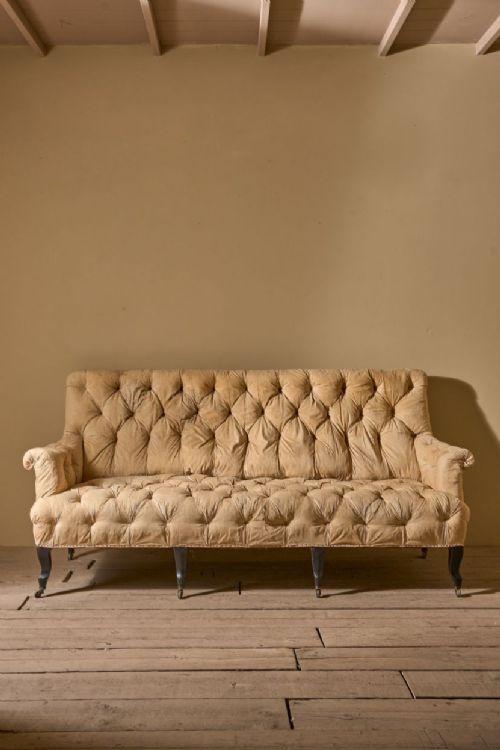
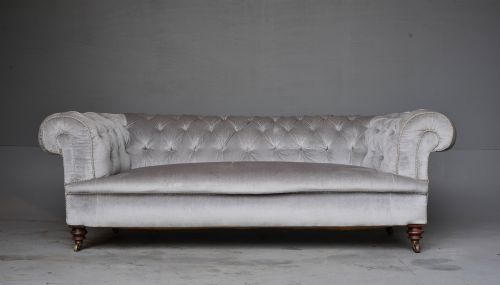
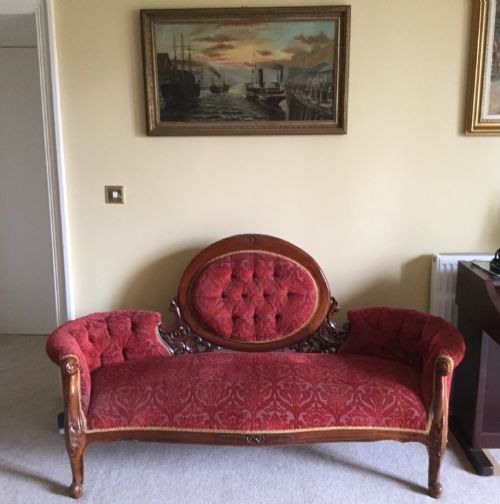
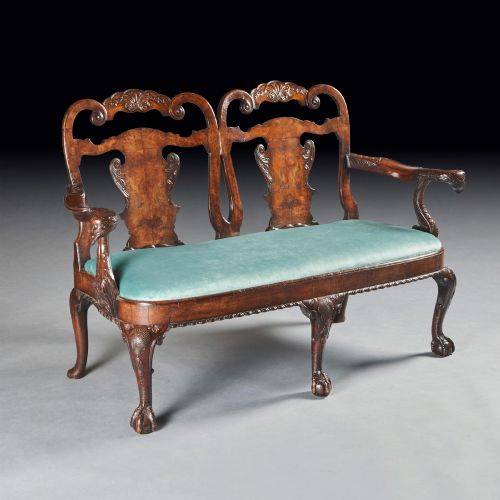
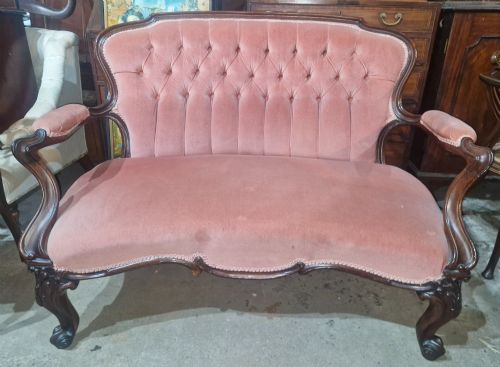
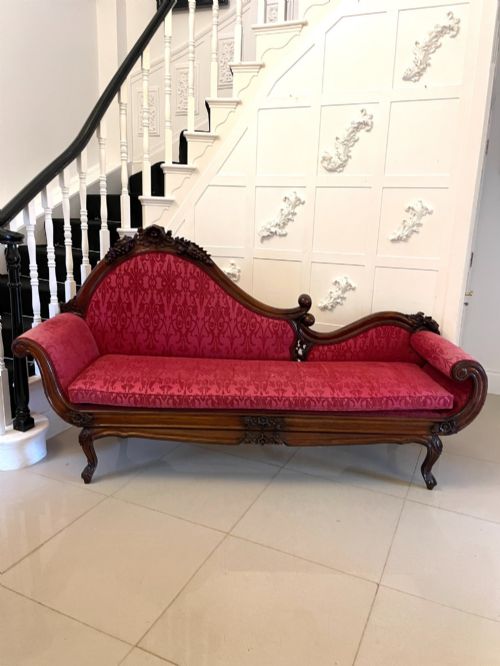
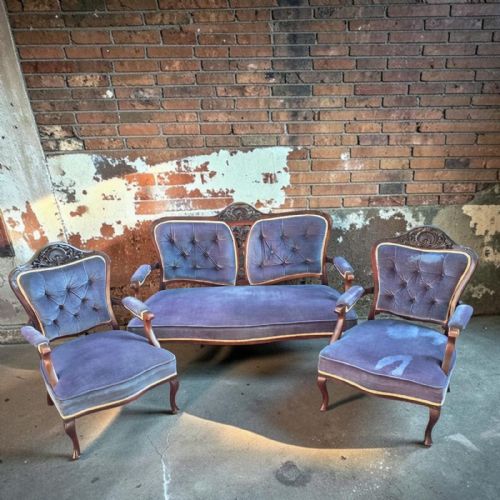
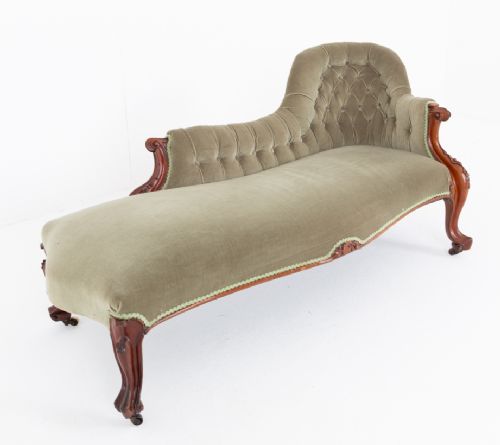
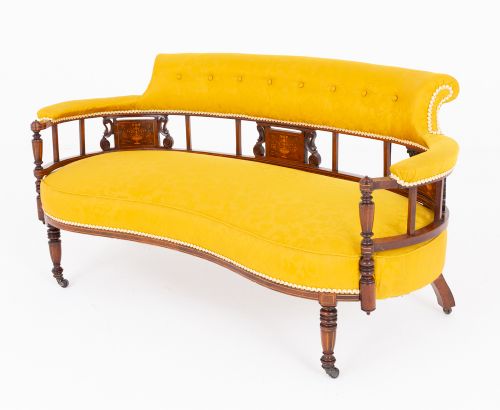
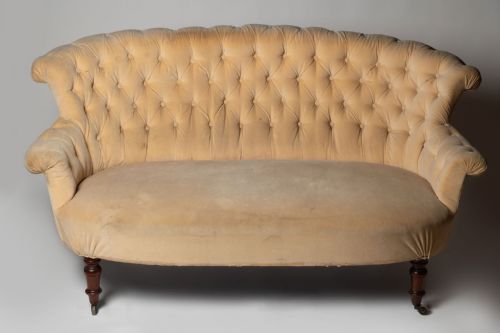
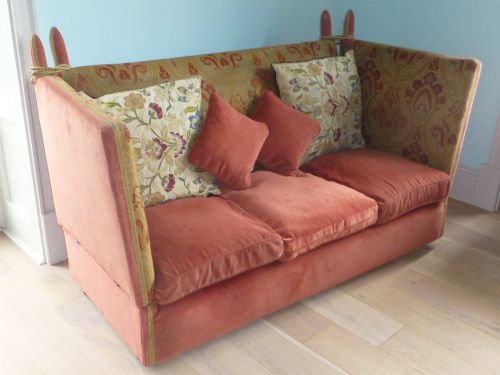
A victorian velvet settee encompasses a range of nineteenth-century upholstered seating, including double spoon back settees, conversation seats, and chaise longues. These pieces date across the 19th Century, drawing on styles such as Victorian Rococo Revival, Aesthetic Movement, and Napoleon III.
Buyers will most frequently encounter walnut and mahogany frames supporting deep pile fabric, velvet, and brocade. Forms vary from compact bedroom sofas to expansive reception salon settees designed for formal entertaining.
Origins span English country house workshops and continental makers, reflecting diverse aesthetic preferences from the 1840s through the turn of the century.
How they were made
Frames are constructed from dense hardwoods like mahogany, walnut, and rosewood, frequently carved with elaborate ornamentation or inlaid with contrasting timber. Structural support relies on traditional joinery paired with sprung settee bases.
Upholstery techniques involve durable fabric coverings such as velvet, secured with brass detailing, buttoned backs, and tassel trims. Wood surfaces receive polished finishes that highlight the natural grain of the timber.
Some nineteenth-century conversation seats allowed two people to sit close while facing opposite directions without missing a single piece of gossip.
What varies in quality
The distinction between tiers rests upon the crispness of the timber carving and the architectural ambition of the frame. Elaborate walnut framing and symmetrical spoon back designs demand higher levels of joinery skill than simple turned supports.
The integrity of the underlying sprung base and the handling of textile upholstery dictate the longevity and overall finish of the piece.
Howard and Sons·Jas James Shoolbred·Hampton and Sons
The Victorian Velvet Settee Glossary
- Settee
- An upholstered long seat with a back and arms, designed to accommodate multiple people. These forms vary from compact bedroom versions to grand salon pieces.
- Chaise Longue
- An upholstered chair with a long seat large enough to support the legs, popular in nineteenth-century reception rooms.
- Chesterfield sofa
- A distinctive sofa style characterised by deep buttoned upholstery, rolled arms, and equal height back and arms.
- Buttoned back
- An upholstery technique where buttons are pulled deep into the padding to create a geometric pattern of tufts and folds.
- Aesthetic Movement
- A nineteenth-century design style emphasising visual and compositional beauty over narrative or moral function, often featuring ebonised wood.
Victorian Velvet Settee: Frequently Asked Questions
How do I clean antique velvet upholstery?
Velvet requires gentle brushing with a soft-bristled brush to maintain the pile direction and remove surface dust. Avoid liquid cleaners unless handled by a professional textile conservator.
Harsh rubbing flattens the pile permanently, so blot spills immediately with a dry cloth rather than scrubbing.
Will a Victorian settee fit in a modern room?
These settees work effectively as statement pieces in contemporary living spaces, contrasting clean architectural lines with ornate woodwork and rich fabric. Their compact footprints suit entrance halls and bedrooms as well as principal reception rooms.
Measure doorways carefully before purchase, as nineteenth-century frames can present tight clearance angles.
How do I date a nineteenth-century settee?
Dating relies on stylistic markers such as the scrolling outlines of Rococo Revival frames or the ebonised surfaces typical of the Aesthetic period. Timber choice also offers clues, with rosewood prevailing mid-century and walnut gaining prominence later.
Construction methods within the frame help confirm the manufacturing era.