


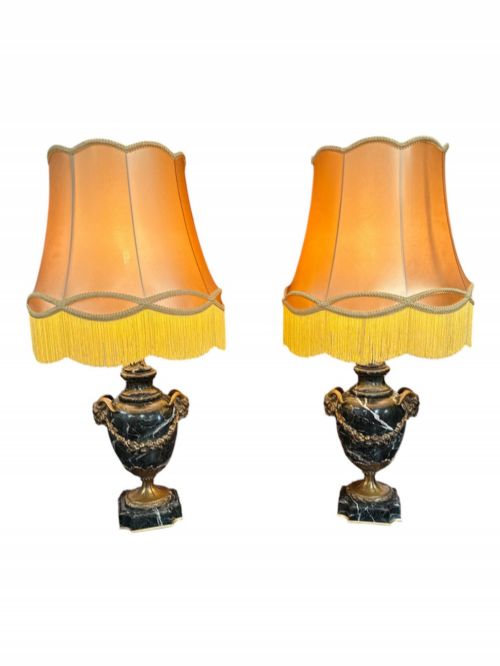
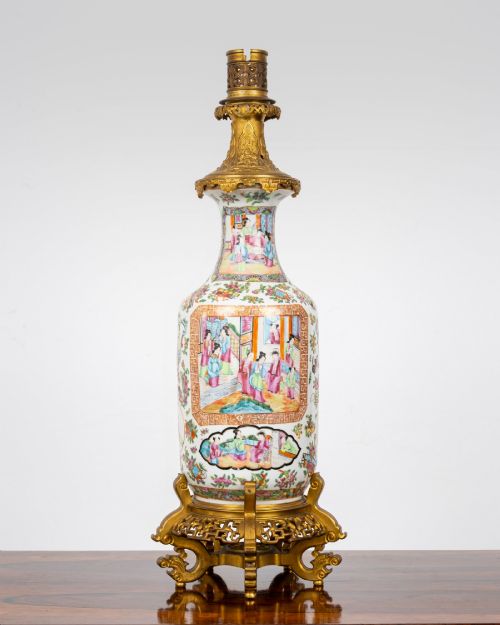
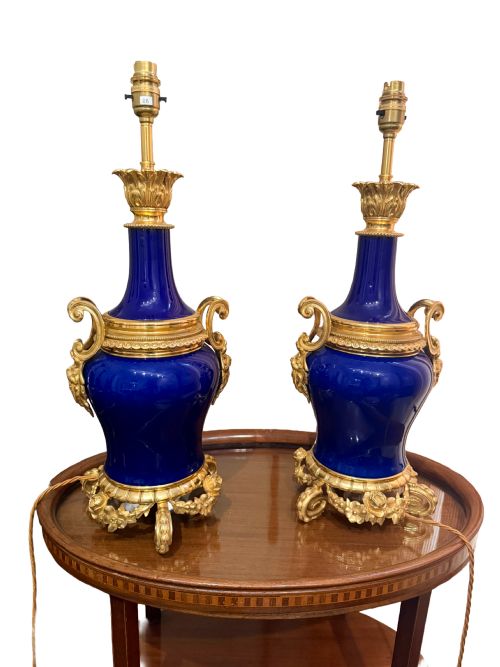
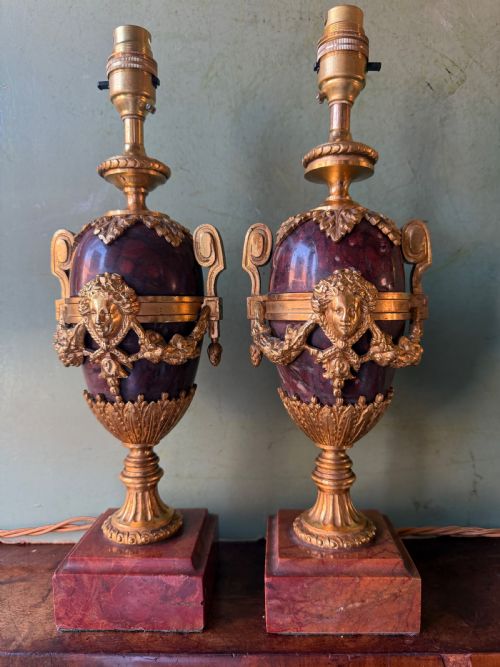


19th Century Urn Lamps
These 19th century urn lamps combine period craft with practical lighting, offering structured focal points for interior spaces.
19th Century Urn Lamps
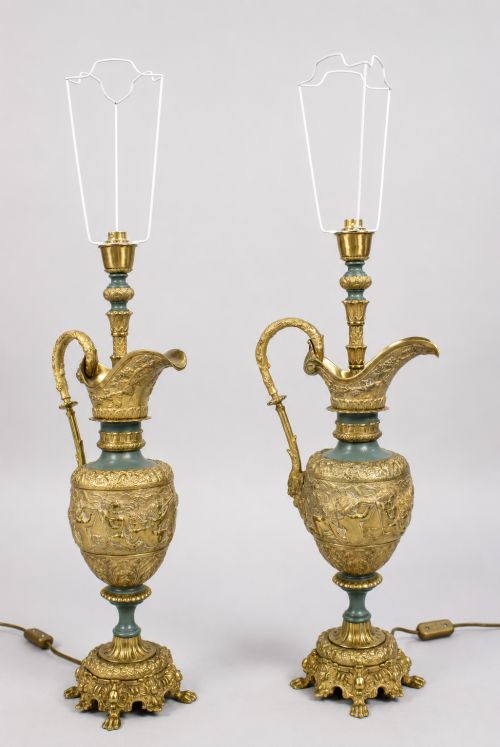
These 19th century urn lamps encompass transformed vessels, classical ewers, and decorative containers adapted for modern illumination. Many examples originate from French workshops or Asian export production, translating antique porcelain and metalwork into functional lighting.
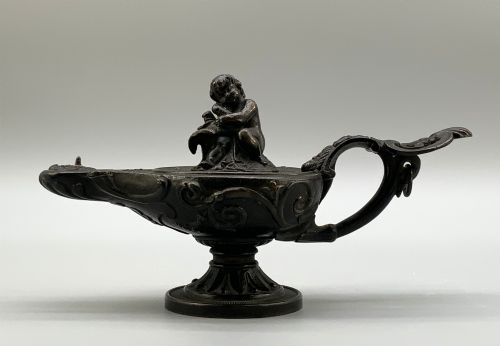
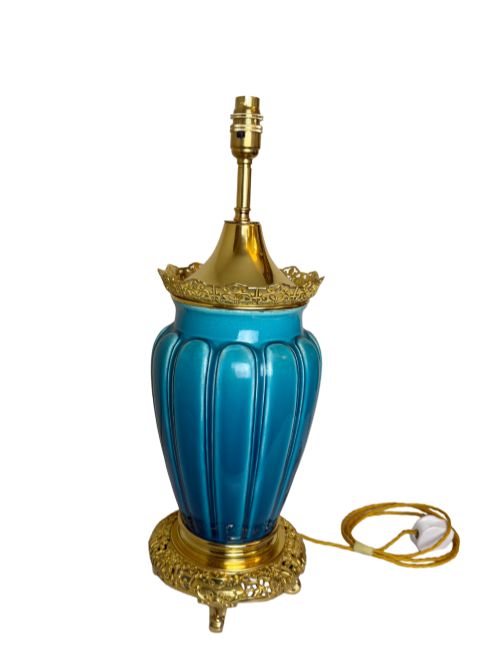
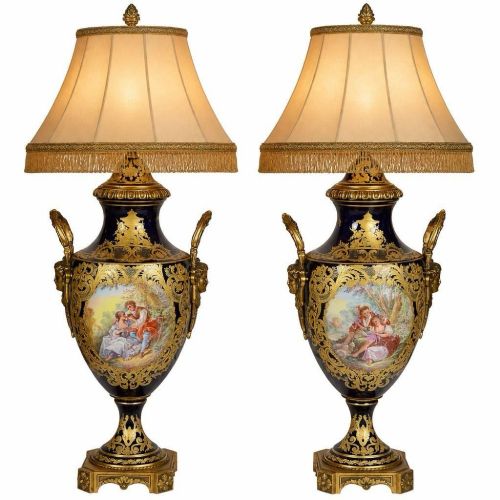
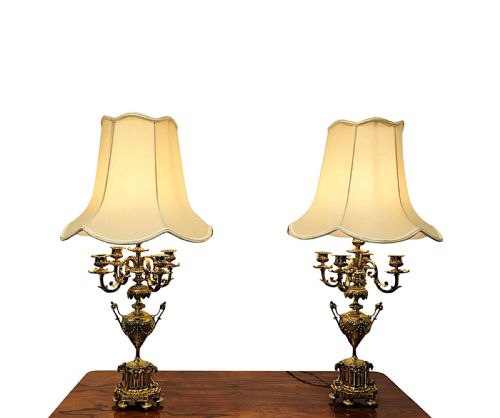
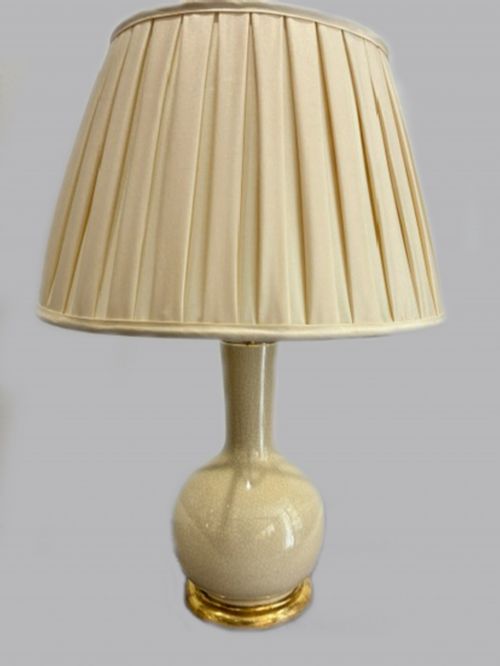
The prevalent forms on this page include pairs of porcelain bodies mounted in gilt bronze or ormolu, alongside classical bronze and brass designs. Buyers encounter converted oil lamps and ginger jars fitted with fabric shades.
Originating across Victorian Britain and continental Europe, these pieces frequently reflect Neoclassical, Rococo, or Chinoiserie aesthetics. They serve as substantial side table or mantel illumination.
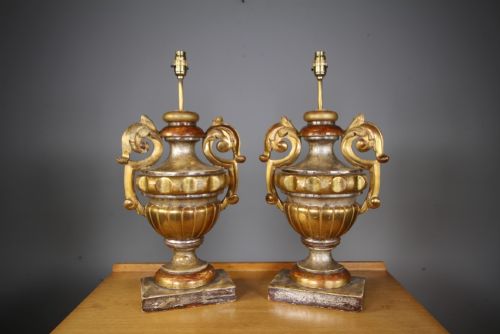
The selection ranges from delicate crackle-ware and cobalt blue porcelain to monumental bronze and carved pine structures. Each piece retains historical character through its mounted hardware and original patination.
How they were made
The construction relies heavily on the combination of ceramic or bronze bodies with cast ormolu and gilt bronze mounts. Artisans shaped porcelain and pottery vessels, then fitted them with hand-chased metal collars, handles, and bases.
Many items began life as oil lamps, vases, or ewers before undergoing conversion into electric table lamps. Metalworkers utilised brass, copper, and silver plating alongside carved wood and marble components to build substantial forms.
Materials span porcelain, gilt bronze, carved wood, and marble across Victorian and continental European pieces.
What varies in quality
The distinction between tiers rests upon the crispness of the metal casting and the artistry of the hand-painted ceramic glazes. Finer examples display deeply chased ormolu mounts with sharp botanical or figural details, whereas simpler versions rely on plain spun brass.
Proportion and matching symmetry dictate the desirability of pairs, particularly when balancing hand-painted panels or intricate patinated bronze surfaces. The integration of the original vessel to the electrical fittings reveals the care taken during conversion.
Harrison Brothers & Howson·Sevres
The 19th Century Urn Lamps Glossary
- Ormolu
- A gilded bronze technique utilising finely ground gold mercury amalgam applied to cast brass or bronze. This process creates a rich golden finish characteristic of French decorative arts.
- Pate Sur Pate
- A ceramic decorating technique where liquid white clay is painted in successive layers upon a darker clay body. It produces a distinct cameo-relief effect on porcelain surfaces.
- Grand Tour
- A traditional trip through Europe undertaken by upper-class young men to collect art and antiquities. Items brought back often inspired later 19th-century bronze reproductions.
- Toleware
- Painted and lacquered sheet metal items produced throughout Europe. They provide robust, colourful bodies suited for decorative domestic objects.
- Kutani
- A style of Japanese porcelain noted for vibrant polychrome glazes and intricate pictorial designs. These export wares frequently found their way into European mountings.
19th Century Urn Lamps: Frequently Asked Questions
How do I wire an antique lamp?
Conversion typically involves running modern internal cord through the existing central channel without altering the outer antique body. Professional rewiring ensures compliance with current safety standards while preserving historical mounts.
Most dealers retain the original hardware where possible, updating only the internal lamp holder and flex for domestic use.
Are these lamps sold as pairs?
Many listings feature matched pairs intended for mantelpieces or matching side tables, though single decorative items also appear. Matching a pair of 19th-century vessels requires careful attention to height and mount style.
Solo pieces frequently serve as sculptural focal points on smaller desks or occasional tables.
How do I clean ormolu mounts?
Dusting with a soft, dry brush prevents the accumulation of dirt within the intricate chased crevices of gilt bronze. Avoid abrasive polishes that strip the thin layer of historical fire gilding.
Gentle care preserves the underlying patination built up over more than a century of display.
What shade fits an urn lamp?
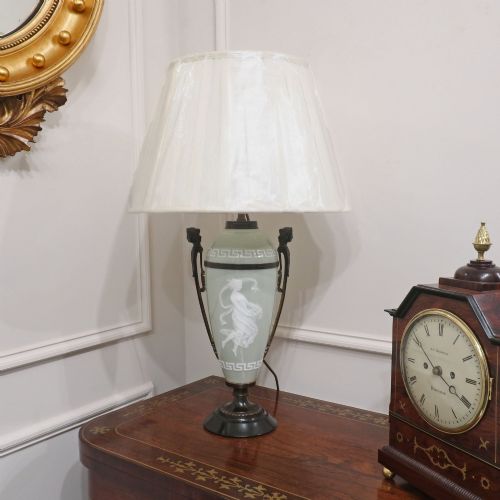
Fabric shades must balance the visual weight and height of the ceramic or bronze base beneath. Silk or handmade pleated shades complement the classical proportions of 19th-century forms.
The fitting depends on whether the lamp uses a traditional harp or a direct gallery attachment.