


19th Century Tilt Top
A 19th century tilt top table combines ingenious space-saving mechanics with substantial cabinet-making, offering a practical surface that folds flat against a wall when not in use.
19th Century Tilt Top
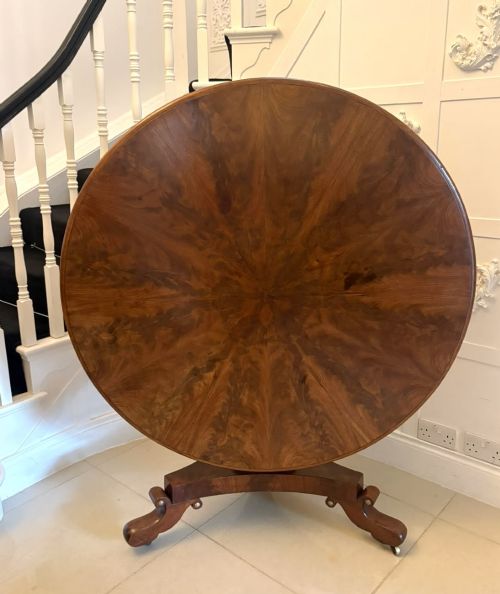
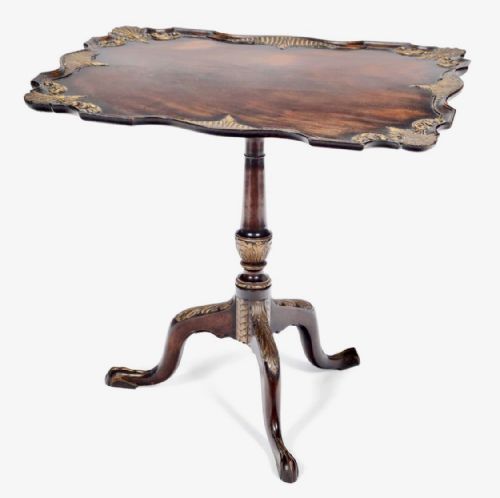
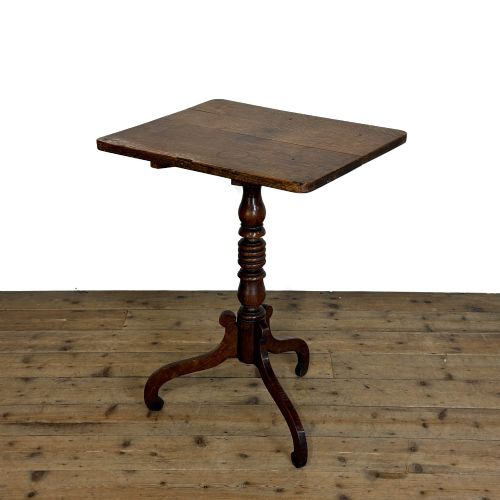
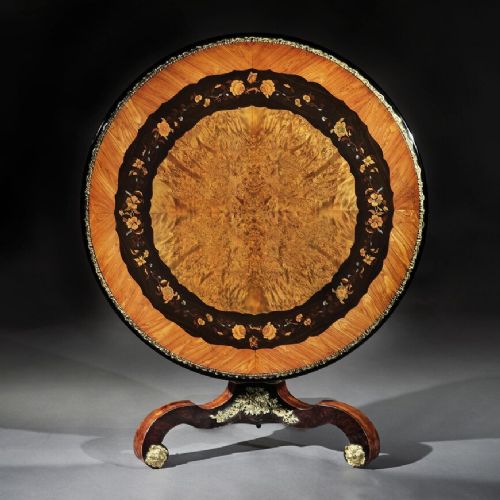
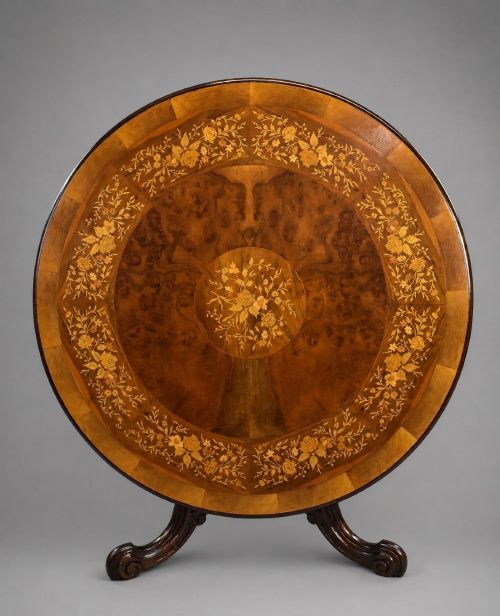
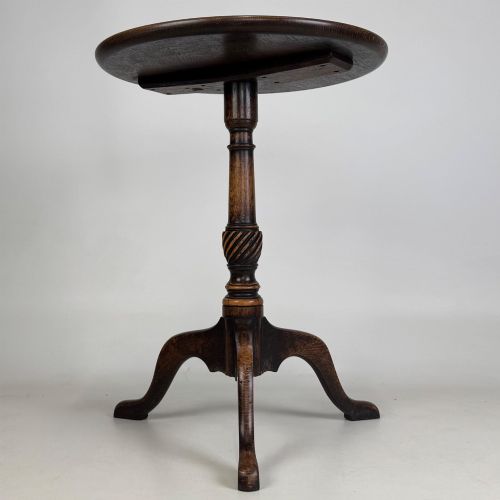
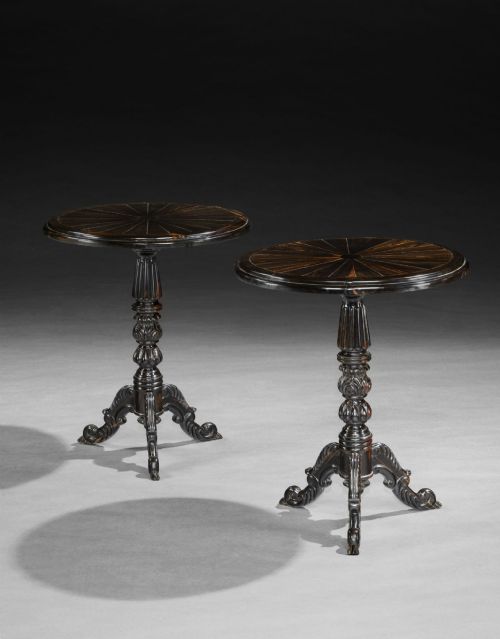
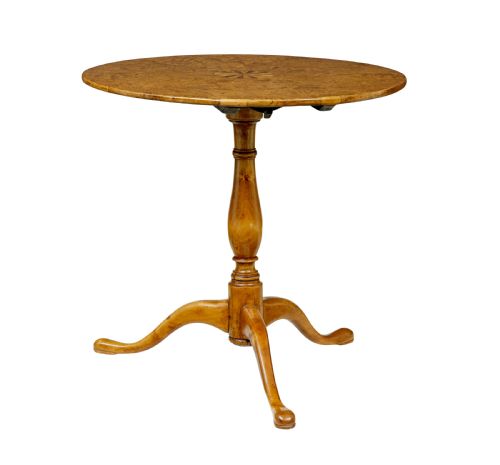
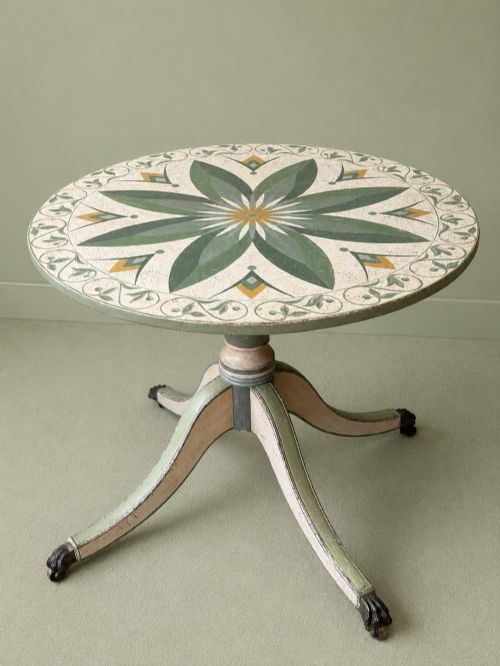
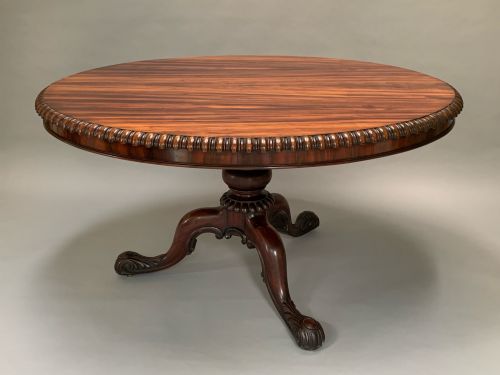
A 19th century tilt top table appears in multiple formats across this collection, ranging from compact wine tables and occasional pieces to large breakfast, dining, and loo tables supported by pedestals or tripod bases. These items span the Georgian, Regency, William IV, and Victorian periods, reflecting shifting domestic habits in British, continental, and colonial workshops.
Materials and Construction
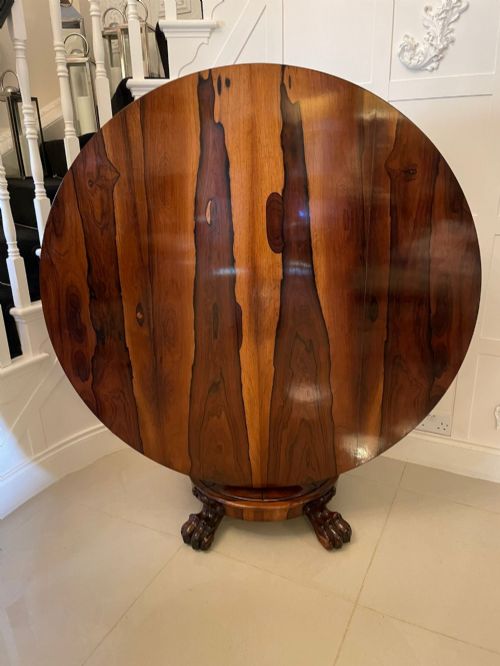
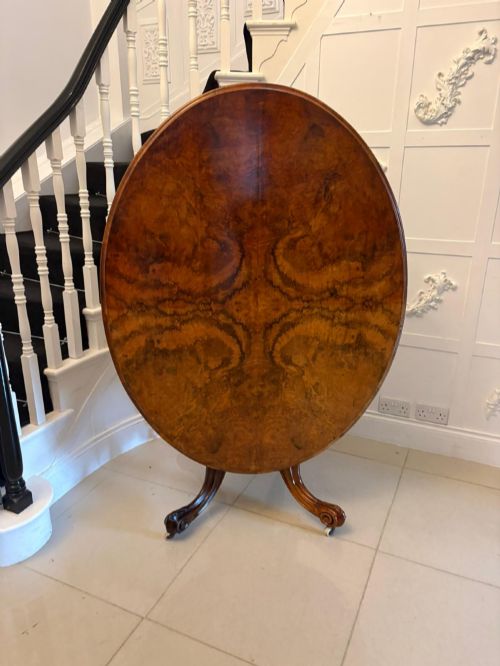
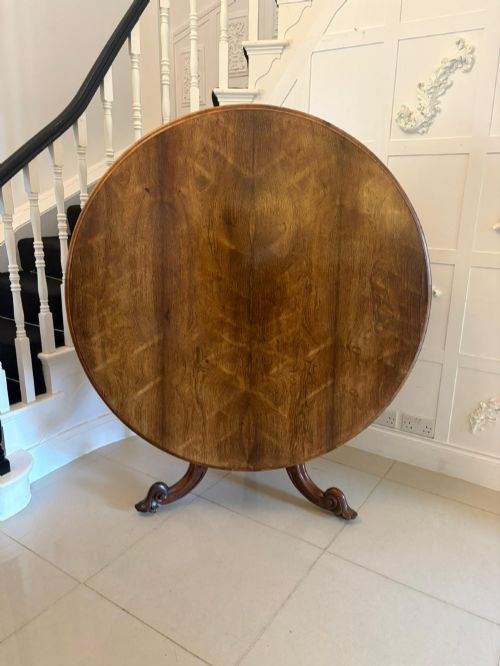
Cabinet-makers relied heavily on dense hardwoods such as mahogany, rosewood, walnut, and burr walnut, frequently applying fine veneers over stable secondary timbers to achieve striking decorative grain patterns. Solid regional woods like oak, fruitwood, and elm also formed sturdy provincial examples intended for everyday utility.
The tilting mechanism depends upon a clever pivoting block and brass catch assembly fitted beneath the top, allowing the surface to swivel upright on its central pillar. Bases range from turned tripod legs to heavily carved pedestal supports fitted with brass castors for mobility.
French vendange tables were originally built for grape harvesting, bringing a distinctly rustic wine-country charm into 19th-century parlours.
Assessing Craftsmanship
The upper tier of the range is distinguished by the choice of timber, seen in deeply figured flame mahogany, rich burr walnut, or book-matched rosewood veneers that demonstrate careful planning by the maker. Superior pieces also feature crisp, hand-carved details on the pedestals and legs rather than cast or machine-pressed ornaments.
Structural integrity of the tilting mechanism marks another dividing line, where precise joinery ensures the table top remains flat and stable in the lowered position without wobbling on its pivot block. The quality of the original brass hardware and the preservation of a faded, untouched surface patina further separate standard items from exceptional ones.
Edward Holmes Baldock·Gillows
The 19th Century Tilt Top Glossary
- Tilt top
- A table construction featuring a hinged mechanism that allows the surface to rotate vertically into a flat position for storage against a wall.
- Breakfast table
- A large dining table produced during the Regency and Victorian eras, frequently designed with a tilting top to clear floor space during the day.
- Loo table
- A large round or oval Victorian card and social table, usually featuring a tilt top mechanism to facilitate room clearance.
- Tripod base
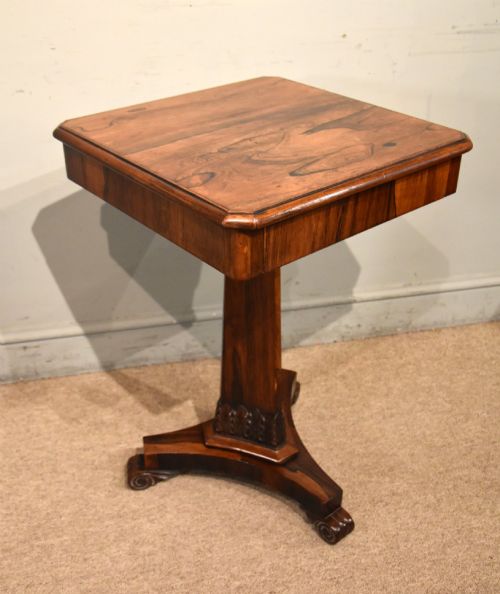
- A support structure comprising three legs radiating from a central pillar, commonly found on wine and occasional tables.
- Burr walnut
- A highly decorative wood harvested from the wart-like growths of the walnut tree, prized for its swirling, intricate grain patterns.
- Patina
- The surface sheen and coloration developed by wood and metal over decades of handling, exposure, and natural ageing.
19th Century Tilt Top: Frequently Asked Questions
How do I operate the tilt mechanism?
Most tables feature a small brass catch or wooden wedge beneath the top that locks the surface into a horizontal position. Releasing this catch allows the table top to pivot upward on its central block.
Once vertical, a secondary sliding bolt often secures the top in place against the pedestal to prevent accidental movement while stored.
Were these tables used for dining?
Larger breakfast and loo tables served primarily for morning meals, family gatherings, and evening card games in the reception rooms of 19th-century homes. Their folding capability allowed servants to clear large spaces quickly for dancing or other domestic activities.
Smaller wine tables and occasional pieces were positioned beside seating to hold drinks, books, or small lamps.
How do I distinguish Regency from Victorian examples?
Regency pieces often display restrained neoclassical lines, featuring brass inlay, rosewood or flame mahogany veneers, and tapered pillar supports with reeded or sabre legs.
Victorian iterations tend to be heavier and more robust, utilising burr walnut or heavily carved rosewood with elaborate scrolling pedestal bases and larger proportions.
How should I care for a polished wood surface?
Protect the timber from direct sunlight and extreme temperature fluctuations to prevent the natural wood veneers from drying out or splitting.
Apply high-quality beeswax sparingly and buff gently with a soft cloth to maintain the lustre of the antique finish without building up greasy residues.