



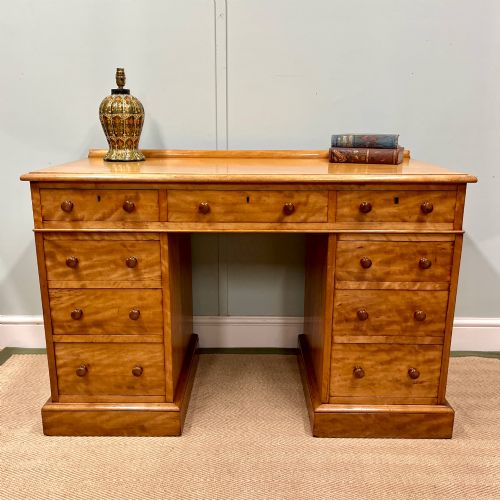


19th Century Birch Table
Solid timber and figured veneers define a 19th century birch table, bringing pale warmth and striking grain patterns to domestic interiors.
19th Century Birch Table
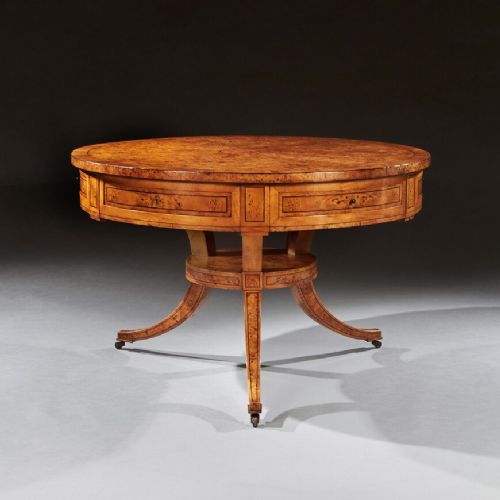
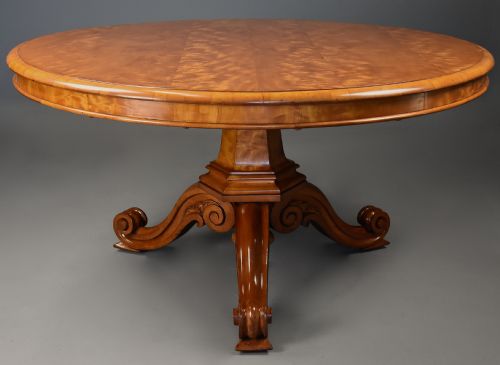
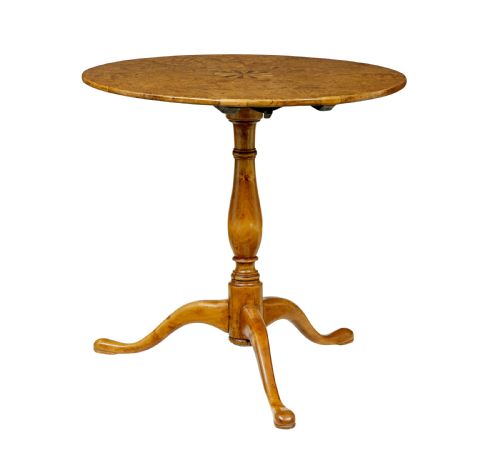
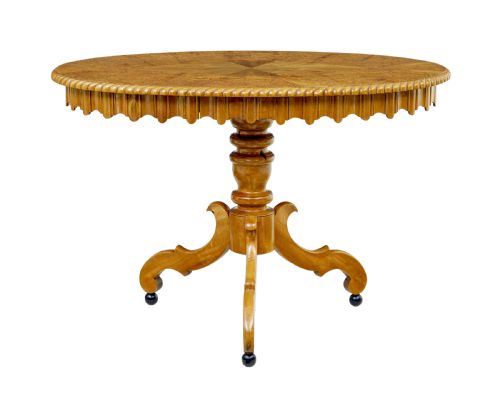
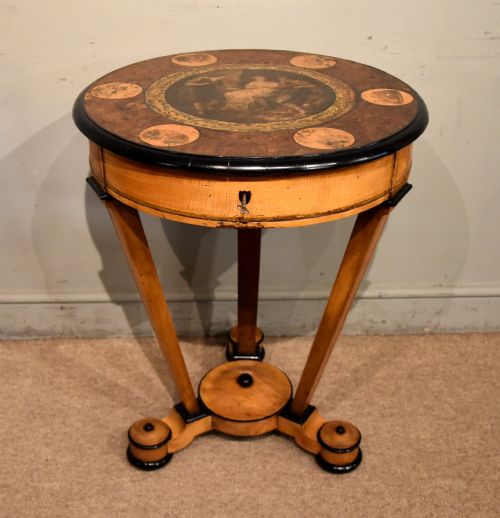
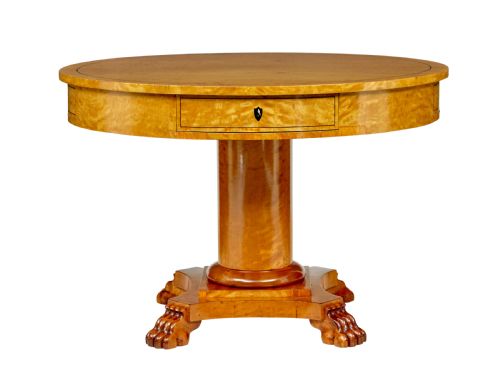
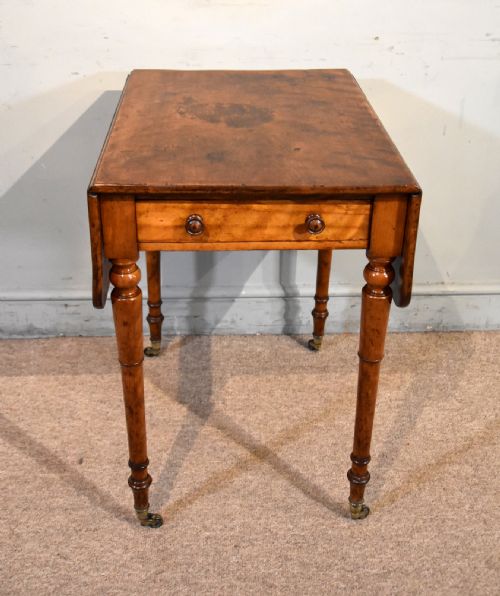
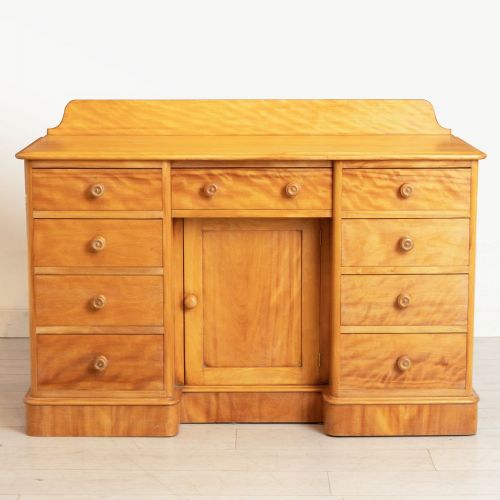
A 19th century birch table encompasses a wide variety of domestic forms, ranging from compact occasional and lamp tables to larger centre, writing, and dining tables. Buyers frequently encounter Swedish Biedermeier examples alongside Victorian English pieces, reflecting strong regional traditions in timber selection during this period.
Occasional, side, and tea tables appear regularly, often featuring circular or oval tops supported by pedestals or slender legs. Writing tables, desks, and sofa tables cater to utilitarian needs, while specialised pieces such as games tables and sewing tables highlight the period's focus on multifunctional furniture.
Origins heavily influence the aesthetic, with Scandinavian workshops favouring burr birch veneers and clean geometric lines, whereas British makers often utilise satin birch within Victorian and farmhouse contexts. This diversity ensures that forms vary from rustic occasional pieces to highly polished, veneered centre tables.
What varies in quality
The selection and book-matching of burr or satin birch veneers dictate the visual impact of the piece, separating standard utility furniture from high-status cabinet work. Superior examples display seamless grain continuity across table tops and drawers, executed with precise inlay and solid brass mounts rather than plated substitutes.
Structural integrity and the retention of original surfaces govern overall merit, as alterations or heavy refinishing diminish historical value. Expert joinery in drawer construction and the crispness of carved details, whether in Biedermeier or Revival styles, mark the distinction between provincial manufacture and master craftsmanship.
19th Century Birch Table Retail Price Guide 2026
Typical asking prices for 19th century birch table among the pieces listed under this phrase on Sellingantiques today, from the lower quarter to the upper quarter. They describe what is for sale here now, not the wider market.
Materials recorded on this page range from plain solid birch and pine to highly figured satin birch and burr birch veneers.
Johnstone and Jeanes·Heal and son·Cottier and Co
The 19th Century Birch Table Glossary
- Burr birch
- A growth deformity in the tree producing intricate, swirling patterns in the wood grain. Highly prized by cabinet makers for decorative veneer panels.
- Satin birch
- A smooth, pale timber with a natural sheen resembling satin, commonly utilised in Victorian furniture. It catches the light differently depending on the viewing angle.
- Biedermeier
- A influential Central European style spanning the early to mid nineteenth century, prioritising clean lines and utilitarian elegance over excessive ornamentation. Birch and burr birch were primary woods for these pieces.
- Ormolu
- Gilded bronze applied as decorative mounts, feet, or handles on finer tables. It provides a metallic contrast to the pale timber ground.
- Lyre form
- A table base shaped like the ancient musical instrument, often utilised in the nineteenth century for occasional and sewing tables. This support structure combined structural stability with classical aesthetic grace.
19th Century Birch Table: Frequently Asked Questions
How do I care for a birch table?
Keep wooden surfaces away from direct sunlight and excessive heat sources to prevent the timber from drying out or splitting. Regular dusting with a soft, dry cloth maintains the polished finish without damaging the antique grain.
Avoid using modern silicone-based polishes or harsh chemical cleaners, which can penetrate old finishes and degrade the wood. Natural wax applied sparingly helps nourish vintage veneers and preserves the lustre of the timber.
Were these tables used for dining?
While many surviving examples are occasional, writing, or centre tables, larger formats such as Pembroke and dining tables were built for everyday meals. These larger pieces accommodated families in Victorian dining rooms and large country interiors.
Smaller tables functioned primarily for serving tea, holding lamps, or displaying decorative objects in parlours. Their portable nature allowed domestic spaces to adapt easily to different social activities throughout the day.
How can I distinguish Swedish pieces from British ones?
Swedish examples frequently showcase striking burr birch veneers combined with minimalist Biedermeier or Empire Revival silhouettes. The aesthetic focuses heavily on the pale, golden tones of the wood with minimal carved distraction.
British pieces from the same era often align with Victorian tastes, utilising satin birch in pedestal desks, writing tables, and farmhouse furniture. Construction methods and secondary woods also offer clues to the regional origin of the workshop.
What is the difference between occasional and centre tables?
Centre tables were designed to stand free in the middle of a room, finished on all sides with detailed grain work visible from any angle. They often anchored the spatial arrangement of a nineteenth-century parlour.
Occasional tables were smaller, lighter, and intended to be moved around the room as needed to hold books, tea, or lamps. Their flexible placement made them indispensable items in domestic household organisation.