



19th Century Swiss Furniture
These 19th century swiss furniture pieces bring sculptural carved animal forms and rich timber into the home.
19th Century Swiss Furniture
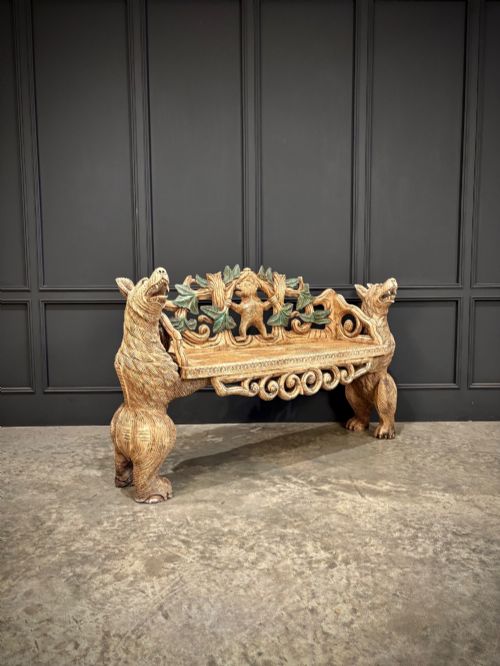
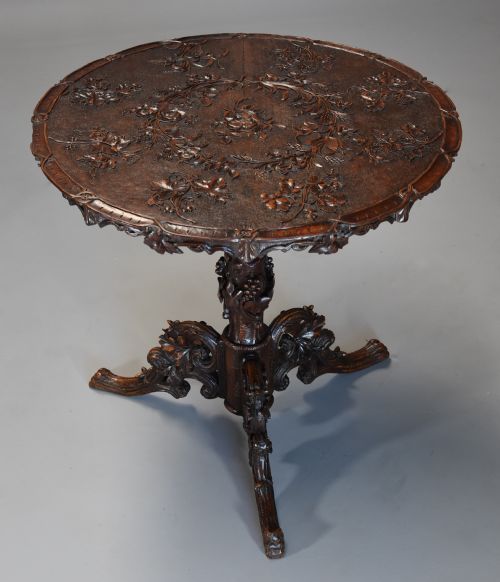
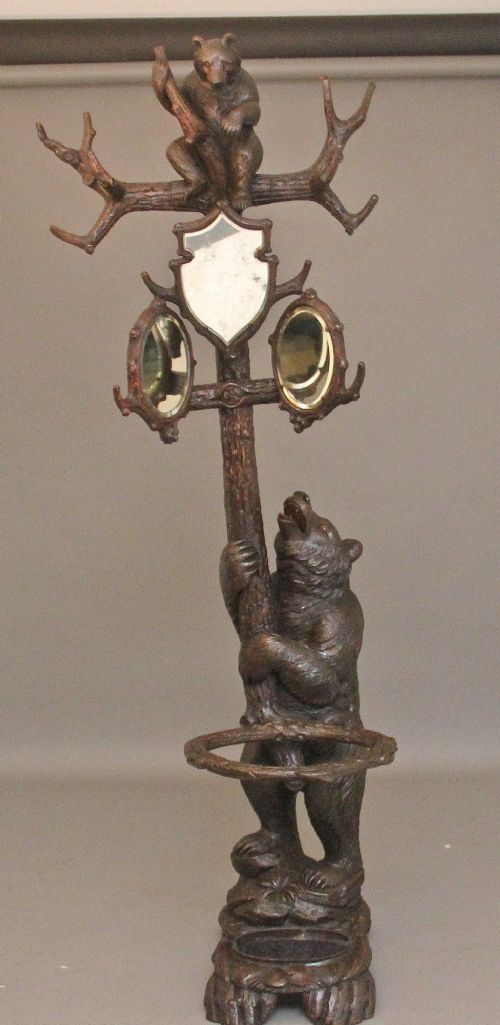
When you search for 19th century swiss furniture, you encounter heavily carved wooden hall stands, benches, and occasional tables from the Black Forest style. These functional items double as intricate sculptures, often featuring bears or natural motifs designed to anchor an entrance hall or reception room.
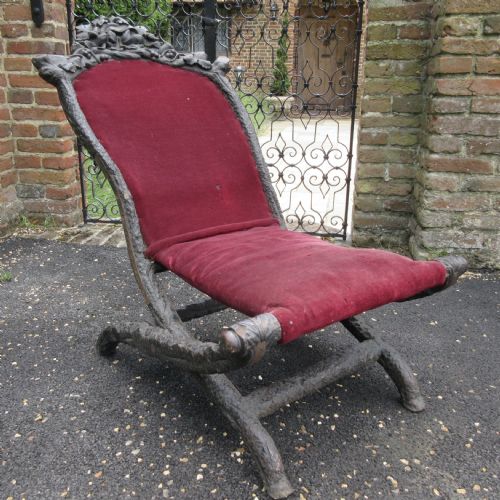
The pieces on this page span the Victorian era, the 1860s through to 1920, and encompass both walnut and linden wood constructions. You find everything from folding chairs and musical tables to grand hat and coat stands incorporating deer antler and horn.
Neoclassical influence appears alongside the rustic Black Forest carvings, alongside occasional satinwood salon cabinets. The selection leans heavily towards hallway seating and centre tables intended for prominent display.
How they were made
Makers fashioned these items primarily from linden wood, walnut, fruitwood, and other carved hardwoods, taking advantage of timber that held fine detail under the chisel. Natural materials like deer antler and horn were integrated into wall-hanging hat and coat stands alongside wood components.
Carving defines the technique, with deep, profuse relief work bringing animal figures and foliage to life. Inlaid decoration appears on occasional tables, while structural joinery supports heavy bearing forms like hall seats and benches.
The selection spans from the 1860s to 1920, featuring linden wood, walnut, fruitwood, and mixed organic materials.
What varies in quality
The depth and ambition of the carving separate standard pieces from exhibition quality works. Figures such as bears integrated into hall stands display more lifelike proportions and sharper anatomical detail at the higher end.
The choice of materials shifts the character of a piece, from straightforward linden wood to mixed media constructions involving horn and antler. Structural integrity in weight-bearing items like benches and hall seats determines how well the carving survives daily use.
The 19th Century Swiss Furniture Glossary
- Black Forest style
- A carving tradition originating in the Swiss and German border regions known for naturalistic animal figures and foliage. It gained immense popularity during the Victorian period.
- Linden wood
- A pale, fine-grained timber favoured by carvers for its uniform texture and lack of splintering. It allows for deep, intricate undercut details.
- Centre table
- A freestanding table designed to be viewed from all sides rather than pushed against a wall. These often feature elaborate carved pedestals or tops.
- Hall stand
- A piece of furniture placed in an entranceway for hanging coats and hats, often incorporating a mirror, glove box, and bench seating. They showcase the most elaborate sculptural carving in this tradition.
19th Century Swiss Furniture: Frequently Asked Questions
What rooms suit 19th century swiss furniture?
These pieces fit naturally into entrance halls, boot rooms, and spacious reception areas where functional items make a strong visual statement. Hall stands and benches serve their original purpose while anchoring a large wall space.
Smaller items like occasional tables and folding chairs adapt easily to studies or living rooms. Their sculptural wood forms pair well with traditional and eclectic interiors alike.
How do I care for carved linden wood?
Dust intricate carvings regularly using a soft brush to prevent dirt from settling in the recesses. Keep the timber away from direct heat sources and strong sunlight to avoid drying and splitting.
Apply a microcrystalline wax occasionally to nourish the wood without building up a heavy, glossy layer. Avoid silicone-based polishes that can degrade the surface over time.
Were these pieces purely decorative?
Most of these items were built for daily use in grand Victorian homes, combining seating or storage with heavy ornamentation. Hall seats, benches, and umbrella stands performed essential household duties for visitors and residents.
Even musical tables and occasional pieces served functional roles in entertaining guests. The artistry was integrated into objects meant to be actively used.
How do I identify Black Forest carvings?
Look for realistic depictions of forest animals, particularly bears, stags, and birds, integrated directly into furniture structures. The timber is typically dark-stained or natural linden wood, walnut, or carved hardwood.
Foliage, oak leaves, and branch motifs frequently frame mirrors or support table tops. The carving style emphasises deep relief and naturalistic textures.