


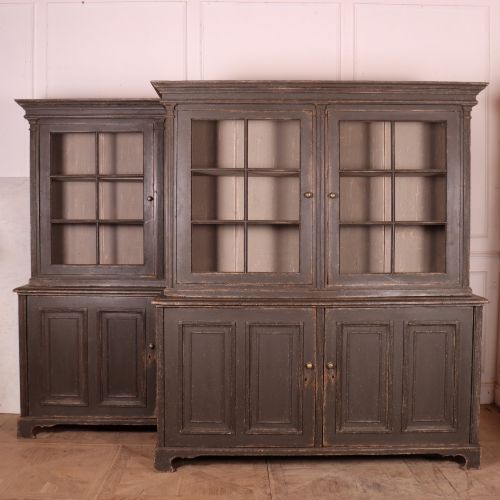
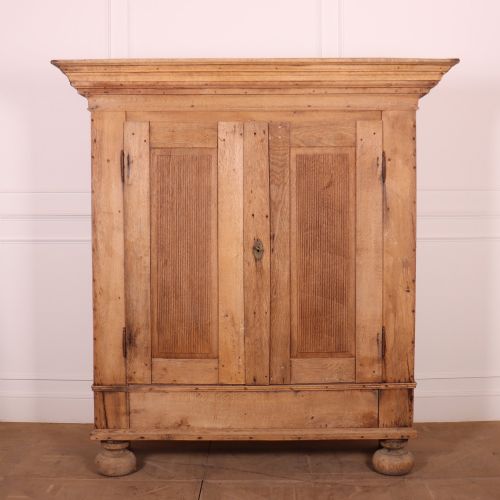
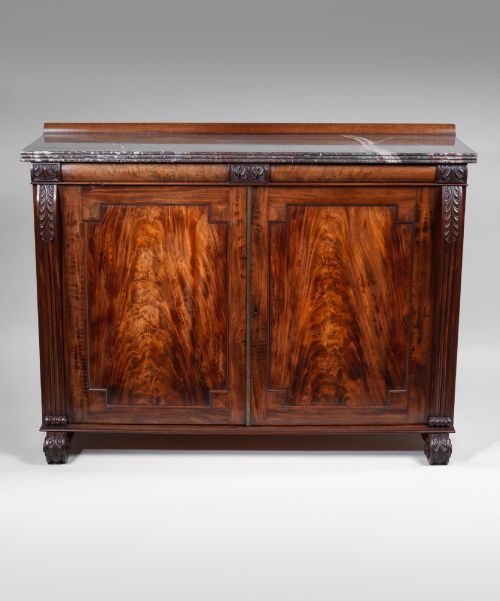
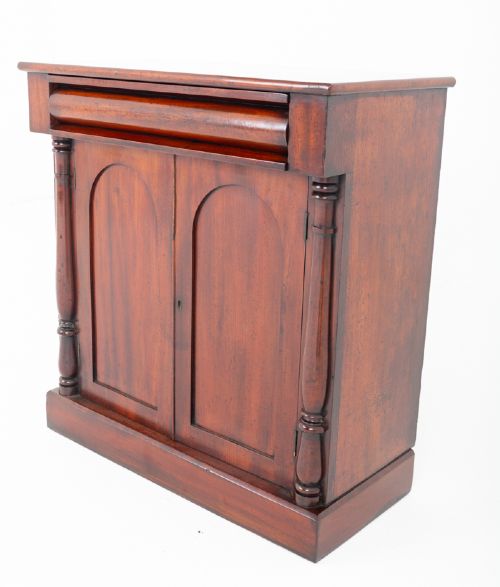
19th Century Storage Cabinet
A 19th century storage cabinet brings genuine period character and disciplined utility into a modern room.

19th Century Storage Cabinet
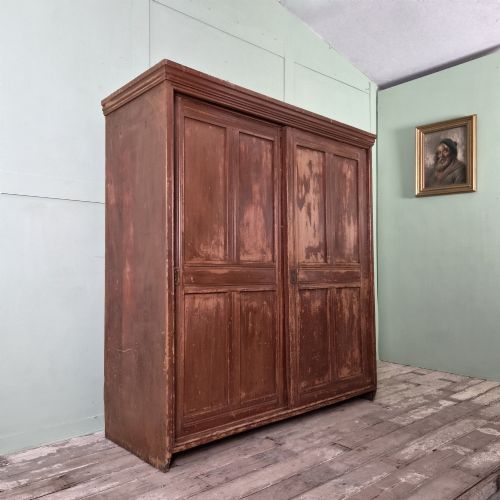
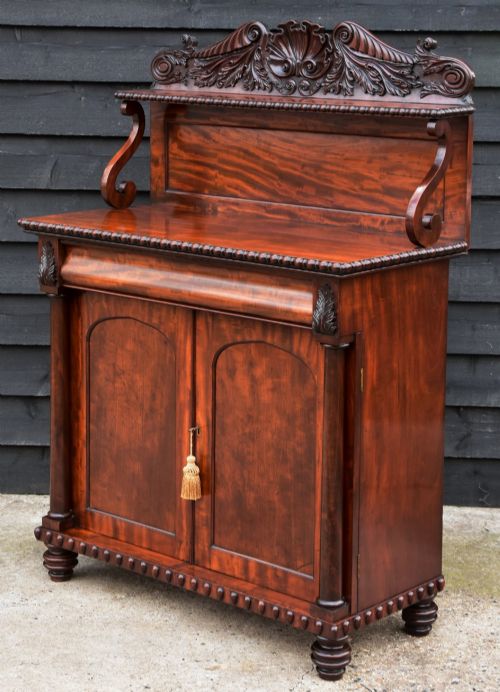
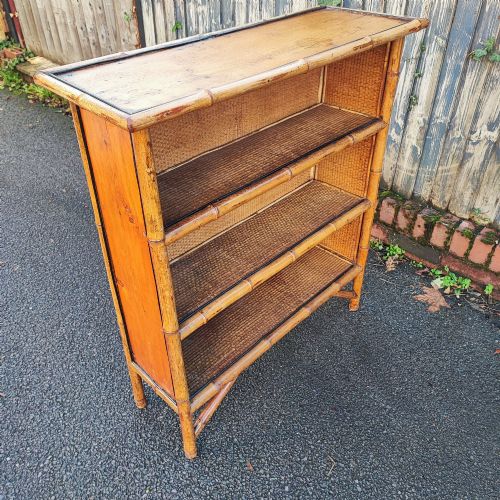
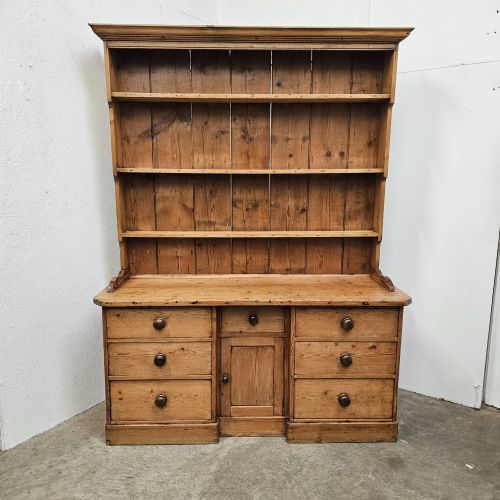
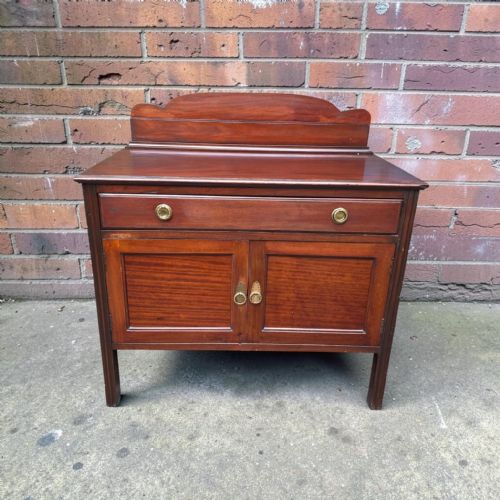
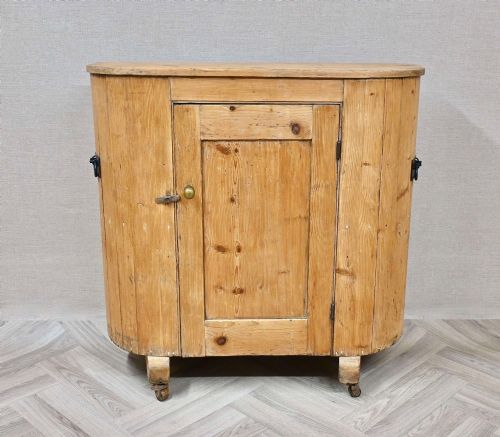
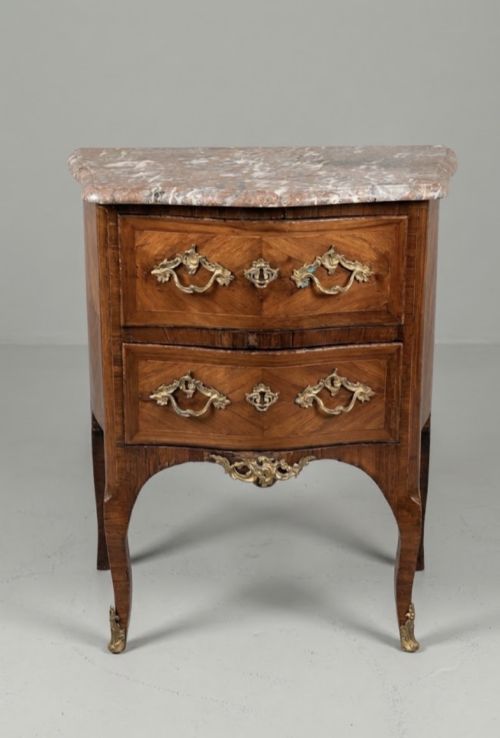
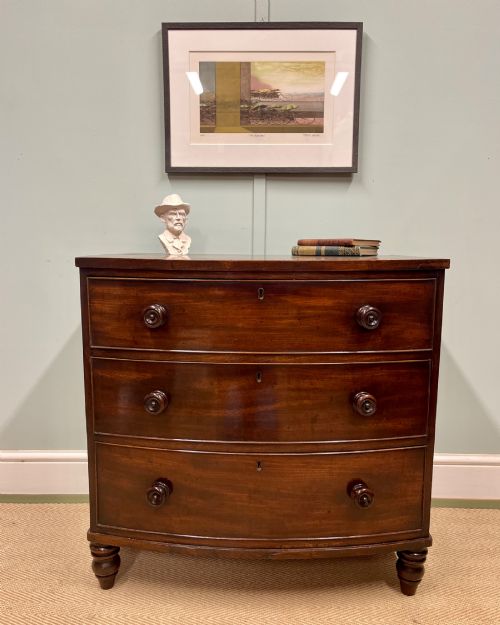
A 19th century storage cabinet encompasses a broad variety of functional furniture designed to hold household goods, books, or clothing. The selection spans the Regency, Victorian, and Louis Philippe periods, reflecting domestic needs from grand formal spaces to rural kitchens.
Buyers will encounter diverse forms including tall linen presses, bedside cupboards, glazed bookcases, and large housekeepers cupboards. Materials range from dense hardwoods like mahogany and walnut to practical pine and painted surfaces.
Materials and construction methods
Cabinetmakers of this era relied heavily on solid timbers such as mahogany, oak, walnut, and pine, frequently enhanced with burr walnut veneers, brass fittings, or inlaid satinwood. Surface treatments vary from clear polish to painted finishes, cream lacquer, and Chinoiserie decoration.
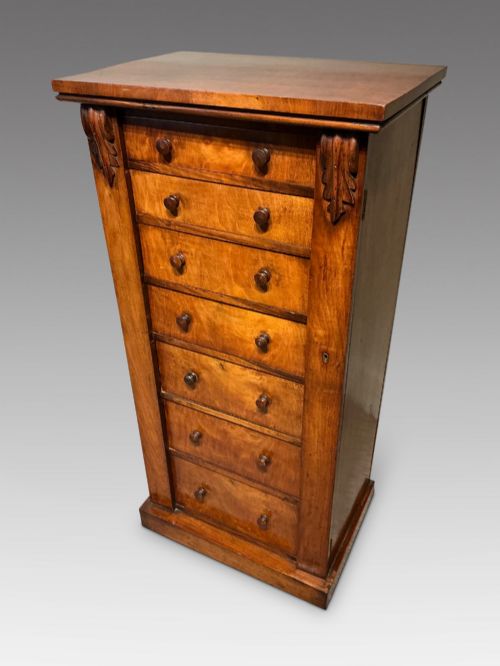
Joinery techniques prioritised durability, utilising panelled doors, dovetailed drawer construction, and structural iron or brass hardware. Pieces like the Wellington chest demonstrate specific stacking mechanisms, while glazed doors rely on traditional wooden framing to hold individual glass panes.
19th Century Storage Cabinet Retail Price Guide 2026
Typical asking prices for 19th century storage cabinet among the pieces listed under this phrase on Sellingantiques today, from the lower quarter to the upper quarter. They describe what is for sale here now, not the wider market.
Listings feature mahogany, pine, walnut, and burr walnut across Victorian, Regency, and Louis Philippe periods.
Distinctions in craftsmanship and finish
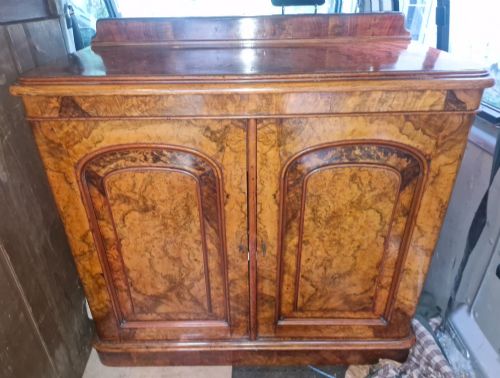
The division between standard domestic utility furniture and finer examples lies in the selection of timber and the precision of the joinery. Figured grains such as burr walnut and carefully matched mahogany veneers indicate a higher tier of production.
Proportion, secondary wood selection, and the integrity of original hardware distinguish workshop output. Cabinets retaining untouched surfaces and functional original locks demonstrate superior preservation compared to heavily altered items.
The 19th Century Storage Cabinet Glossary
- Chiffonier
- A low sideboard or cabinet developed during the Regency and Victorian periods, typically featuring shelves or a panelled cupboard beneath.
- Linen Press
- A tall piece of furniture designed for storing textiles, usually combining sliding trays in the upper section with drawers below.
- Commode
- A low cabinet or chest of drawers, often referencing continental European pieces such as French Louis Philippe examples topped with marble.
- Japanned
- A European imitation of East Asian lacquerwork, applied as a decorative painted and varnished finish on furniture.
19th Century Storage Cabinet: Frequently Asked Questions
How do I clean a wooden cabinet?
Dust regularly with a soft, dry cloth to prevent the accumulation of abrasive particles on the polished or painted surface.
Avoid using silicone-based polishes or wet cloths, as excess moisture damages antique timber and traditional finishes.
Are these cabinets suitable for small rooms?
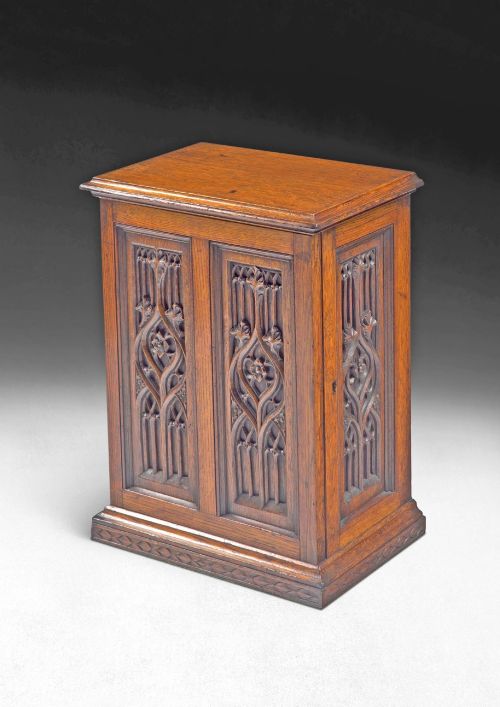
Compact forms such as bedside cupboards, table-top collectors cabinets, or narrow waterfall bookcases offer substantial character without dominating floor space.
Measuring the intended wall space and door clearance ensures the piece fits comfortably in a modern interior.
Can I store clothes inside a pine cupboard?
Many nineteenth-century cupboards and wardrobes provide ample depth and adjustable shelving or hanging space for modern garments.
Checking the interior dimensions and ensuring the timber is clean and dry makes these pieces practical for daily wardrobe storage.
How do I identify the wood type?
Examine the grain pattern, colour, and density; mahogany and walnut present rich brown tones with varied figuring, while pine is lighter and softer.
Secondary timbers inside drawers often reveal native woods like oak or ash, which help confirm the regional origin and period.