


19th Century Stoneware Vessel
A 19th century stoneware vessel brings robust utility and earthy charm into a modern interior.
19th Century Stoneware Vessel
A 19th century stoneware vessel encompasses a diverse range of utilitarian and decorative forms, from heavy tavern jugs and storage jars to relief-moulded pitchers and specialised cooking dishes. The listings present pieces originating primarily from British, French, German, and Asian workshops, reflecting both domestic storage needs and artistic expression.
Buyers seeking this phrase frequently encounter salt-glazed jugs, confit jars, and ornamental vases spanning the Victorian era and the broader eighteen-hundreds. These objects served practical roles in kitchens, taverns, and apothecaries before evolving into collected display pieces.
The material distinguishes itself from porous earthenware through high-temperature firing that vitrifies the clay body, creating an impermeable container. Surviving examples range from simple regional utility items to exhibition pieces bearing elaborate sprigged decoration or colourful glazes.
Materials and construction
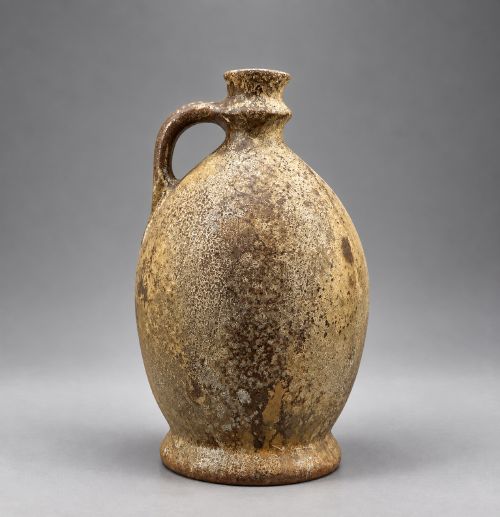
Potters shaped these vessels using dense clay bodies, often enhanced through salt-glazing where salt thrown into the kiln during firing produces a characteristic textured, pitted surface resembling orange peel. Other pieces utilise smooth green glazes, enamels, or slip decoration over terracotta and ceramic bases.
Production techniques combined traditional throwing on the wheel with specialised moulding methods, such as the relief-moulding seen on classical pitchers and the patent techniques employed by major factories. The resulting walls are thick and heavy, designed to withstand daily use in domestic and commercial settings.
One historical turtle soup jar reminds us that nineteenth-century tavern dining occasionally involved remarkably exotic ingredients.
Assessing craftsmanship and condition
Quality in these vessels rests on the crispness of the moulded details, the evenness of the glaze, and the structural integrity of handles and rims. Superior pieces display sharply defined sprigged motifs or intricate relief work without distortion from the kiln firing.
The presence of factory marks, maker stamps, or historical provenance elevates a piece above standard utilitarian ware. Collectors also look for unusual forms, such as multi-handled tygs or exhibition-grade jugs, where makers pushed the technical limits of stoneware production.
Doulton Lambeth·Charles Meigh·Sarreguemines·Mettlach Pottery·Adams
The 19th Century Stoneware Vessel Glossary
- Stoneware
- A dense, vitrified pottery fired at high temperatures until the clay body becomes non-porous and impermeable to liquids. This durability made it the primary choice for historical storage and tavern vessels.
- Salt glaze
- A glassy, textured finish created by throwing common salt into the kiln at peak temperature, which reacts with the silica in the clay. It produces a distinctive dimpled surface that resists acids.
- Sprigged
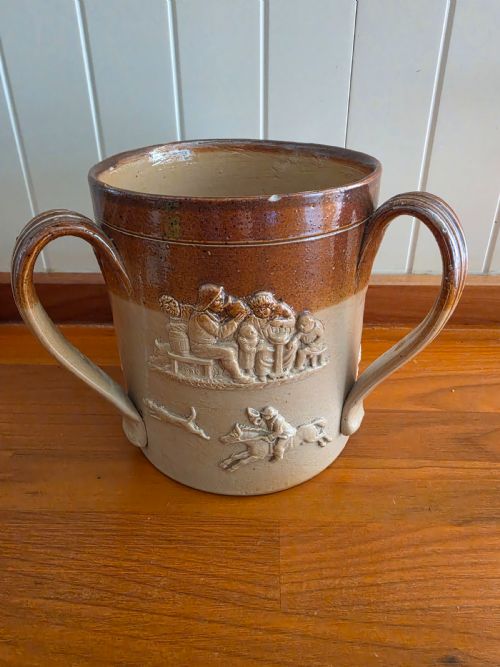
- A method of decoration where separately moulded clay reliefs are applied to the surface of an unbaked vessel using slip as an adhesive. Common on English tavern jugs and wine coolers.
- Confit jar
- A traditional French earthenware or terracotta pot, often partially glazed, originally designed for preserving and storing meats or fats. Their rustic forms make them popular for interior decoration.
- Tyg
- A large drinking vessel featuring multiple handles designed to be passed around a group. Early nineteenth-century examples often appear in heavy stoneware.
19th Century Stoneware Vessel: Frequently Asked Questions
What were 19th century stoneware vessels used for?
These robust vessels originally served demanding practical functions in domestic kitchens, commercial taverns, and apothecaries. They held liquids such as wine, whisky, and vinegar, or stored preserved foods and dry goods.
Over time, many utilitarian forms transitioned into decorative display items, valued for their tactile surfaces and historical connection to nineteenth-century trade and daily life.
How do I clean an antique stoneware vessel?
Most durable stoneware requires only gentle cleaning with warm water and a soft cloth to remove dust and surface accumulation. Avoid harsh chemical cleaners or abrasive scourers that might damage historic glazes or exposed clay bodies.
If the interior retains historical residue, leave it undisturbed, as aggressive scrubbing can strip away the authentic patina accumulated over generations of use.
How can I tell a confit jar from a storage jar?
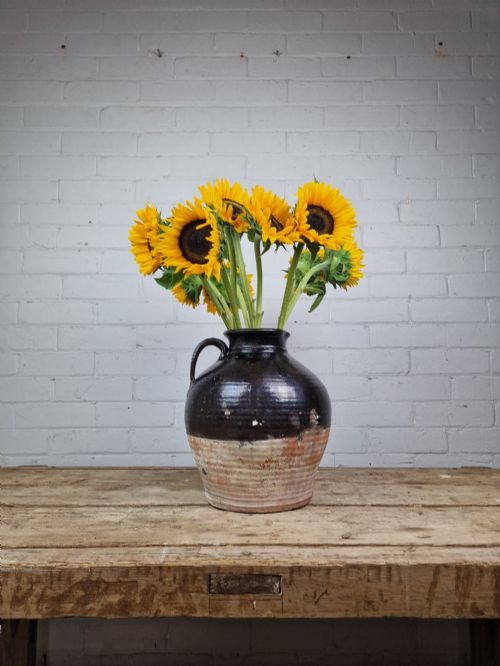
French confit pots typically feature characteristic glazed upper sections paired with unglazed lower bodies, reflecting their traditional burial in cool cellars for food preservation. They often exhibit generous proportions and sturdy loop handles designed for lifting heavy contents.
Storage jars and tavern jugs tend to be fully glazed inside and out, utilising dense stoneware to protect liquid contents from evaporation and contamination.
How do I display a large stoneware vessel at home?
Large stoneware jugs and jars work well as floor-standing accent pieces or focal points on sturdy wooden sideboards and tables. Their neutral, earthy tones complement both rustic farmhouse interiors and minimalist modern spaces.
Grouping vessels of varying heights and glaze textures creates a balanced display that highlights their individual manufacturing quirks and historical character.