


19th Century Spelter Sculptures
These 19th century spelter sculptures offer an accessible path to sculptural art through cast zinc alloy figures finished to resemble bronze, silver, or gilt metal.
19th Century Spelter Sculptures
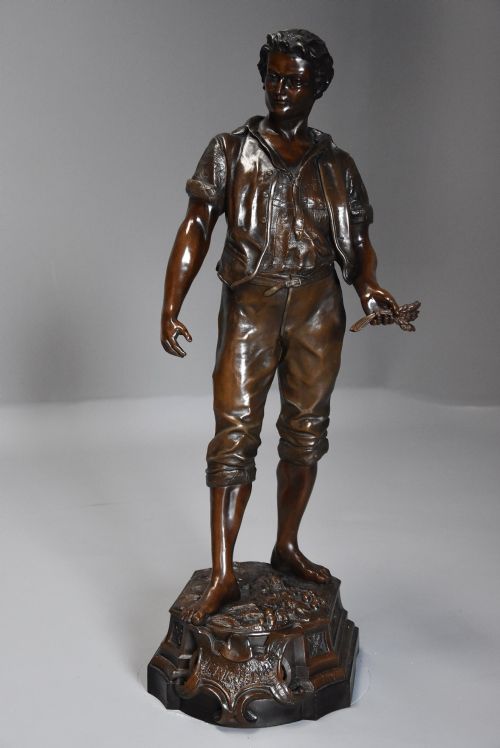
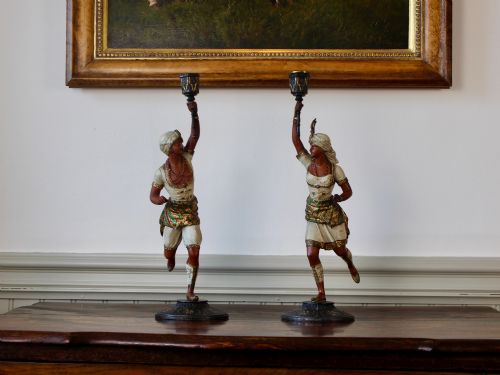
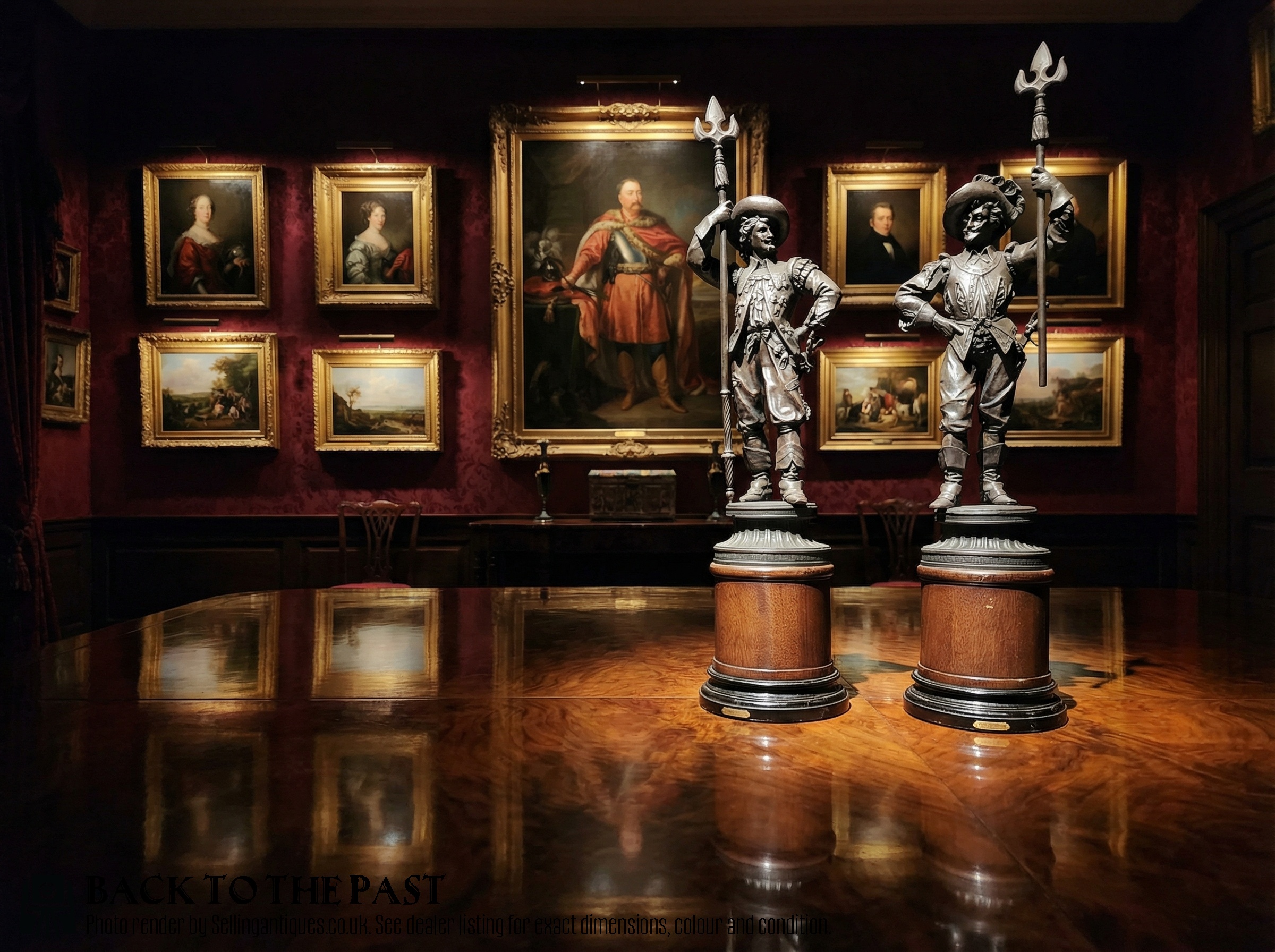
When you search for 19th century spelter sculptures, you encounter cast metal figures and decorative objects primarily originating from France and Britain during the Victorian and Art Nouveau periods. These pieces take many forms, including standalone statues, figural candlesticks, table lamps, and mantel clocks depicting labourers, soldiers, historical characters, and female models.
The selection on this page demonstrates a strong French influence, ranging from works by named artists to pairs of harvesters, cavaliers, and classical subjects. Buyers find both single display figures and matched pairs designed for domestic ornamentation on mantelpieces and side tables.
How they were made
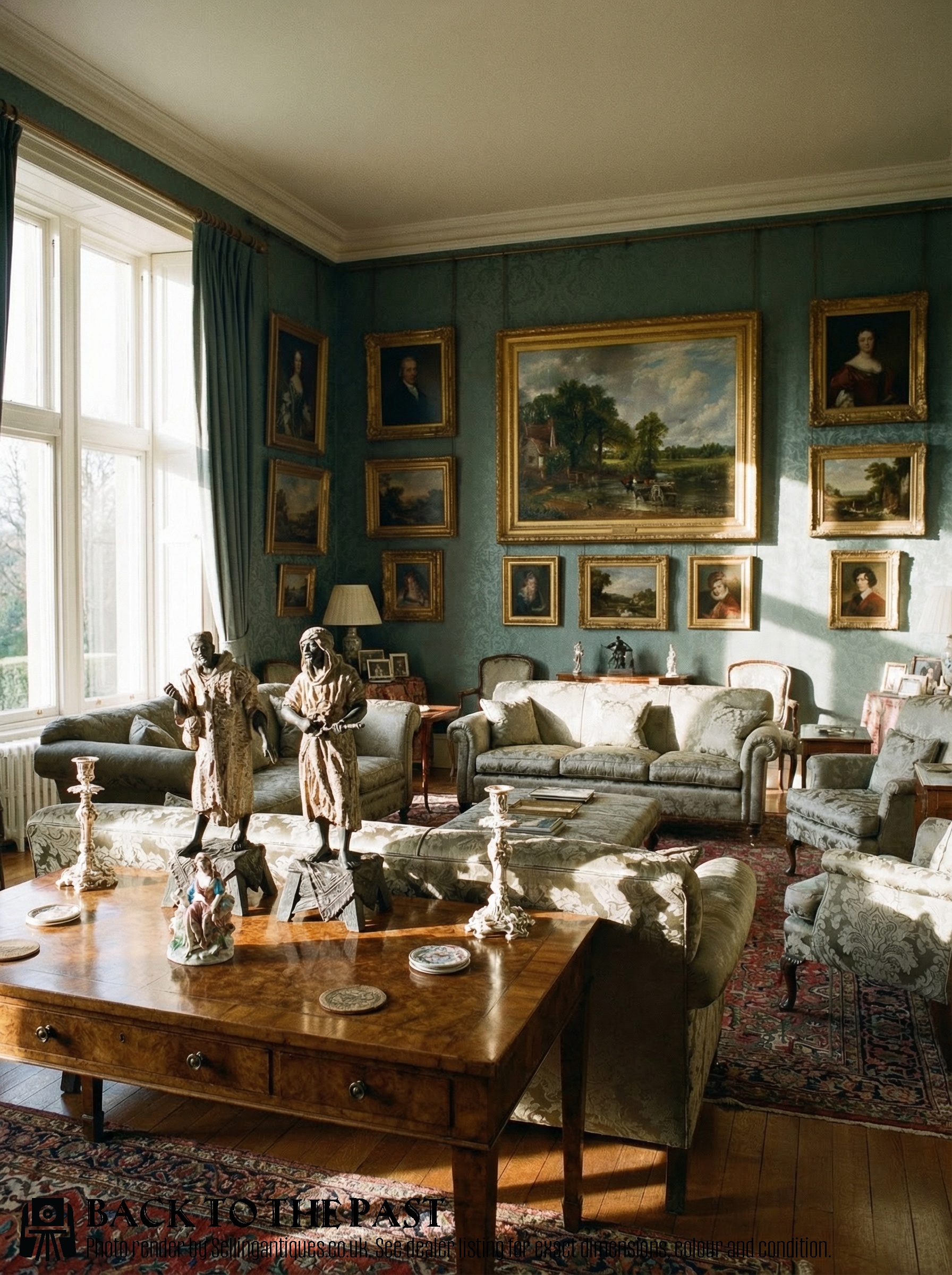
Spelter is a zinc-based alloy that melts at a lower temperature than bronze, making it a more economical medium for mass production in the nineteenth century. Because the metal is softer and lighter than true bronze, founders applied surface treatments such as bronzed metal finishes, cold painting, silvering, and gilding to achieve an opulent appearance.
Many better pieces display distinct artist signatures cast into the base or body, indicating the model originated from a known sculptor before commercial casting. Mounts often incorporate wooden or marble bases to give the lighter metal figures greater stability and presence.
Listings feature materials including spelter, zinc alloy, marble, alabaster, and wood, combined with bronze, silver, and gilt finishes.
What varies in quality
The distinction between tiers of quality rests largely on the crispness of the casting and the preservation of the original surface finish. Finely cast examples retain sharp details in facial expressions, clothing drapery, and textural elements like hair or foliage, whereas inferior casts appear soft and blurred.
The integrity of the applied finish - whether bronze, silver, or cold paint - significantly influences the overall character of the piece. Patinas that have flaked or suffered harsh cleaning diminish the visual appeal compared to surfaces that retain their intended metallic lustre.
F.Milliot·Auguste Moreau·Francois Moreau
The 19th Century Spelter Sculptures Glossary
- Spelter
- A zinc alloy used as a cost-effective alternative to bronze for nineteenth-century decorative figures and sculptures. It is softer and lighter than copper alloys.
- Cold painted
- A technique where paint is applied to a metal object after casting without being fired in a kiln. This method allows for delicate polychrome details on figures and garments.
- Bronzed metal
- A surface treatment applied to base metals to simulate the rich brown patina of traditional bronze sculpture. It gives spelter pieces the visual weight of more expensive materials.
- Art Nouveau
- A decorative style prevalent around the turn of the twentieth century, characterised by flowing organic lines and natural motifs. Figures from this period often feature graceful female forms and sinuous drapery.
19th Century Spelter Sculptures: Frequently Asked Questions
What is spelter?
Spelter is a generic term for a zinc alloy utilised extensively in the nineteenth century for decorative castings.
It provided an affordable substitute for bronze, allowing households to display figurative art and functional items like clocks and lamps at a lower cost.
How do I care for a spelter sculpture?
These figures require gentle dusting with a dry microfibre cloth and should be kept away from excessive moisture and direct sunlight.
Because the metal is soft and the surface finishes can be delicate, avoid using chemical polishes or abrasive cleaners.
Were these sculptures originally painted?
Many pieces received a simulated bronze, silver, or gilt finish to mimic more costly materials, while others featured cold-painted polychrome details.
Artisans applied these coatings directly to the zinc alloy after casting to enhance the decorative impact of the subject.
How can I identify French pieces?
French origin is often indicated by artist signatures cast into the base, specific foundry marks, or stylistic ties to the periods of Realism and Art Nouveau.
Subjects frequently include agricultural workers, historical figures, and allegorical characters typical of nineteenth-century French ateliers.