



Classical Allegorical Sculptures
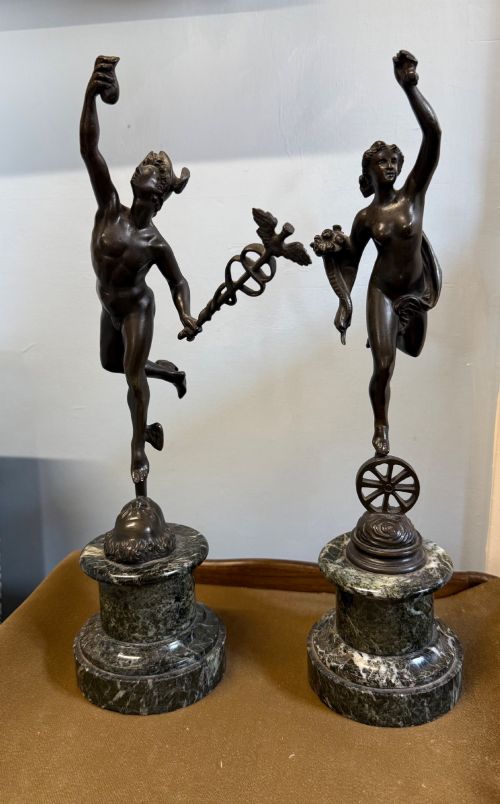
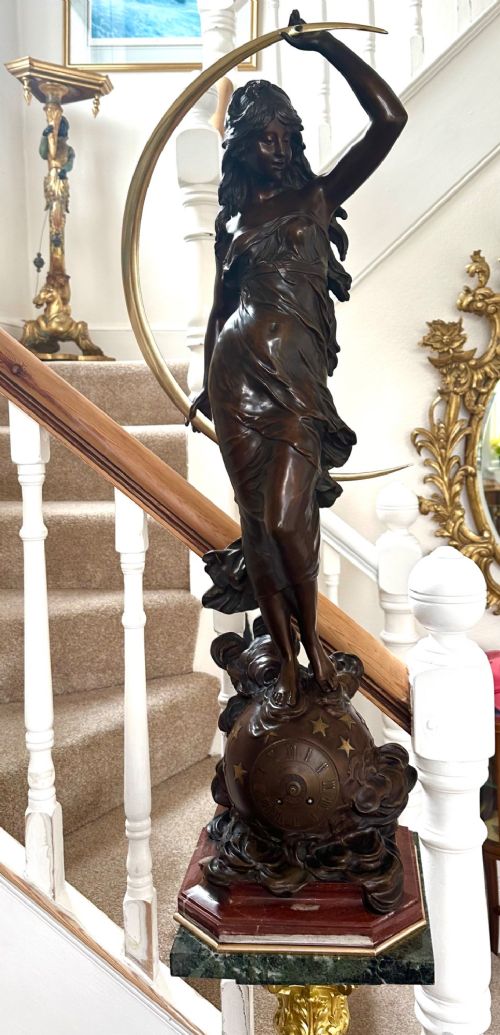
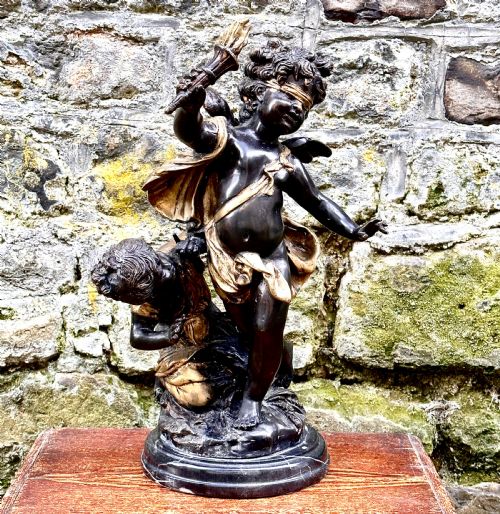
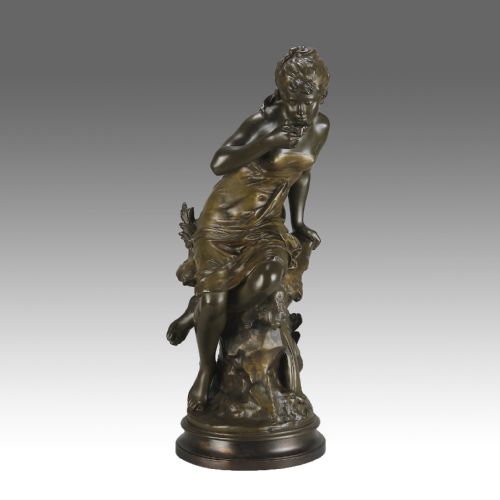
Classical allegorical sculptures embody mythological figures and seasonal personifications cast in bronze, carved in marble, and modelled in porcelain.
Classical Allegorical Sculptures
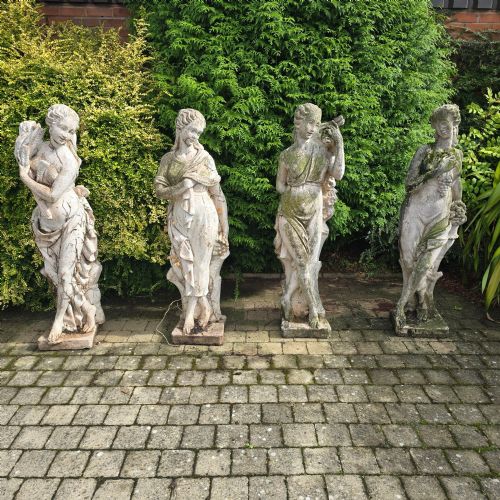
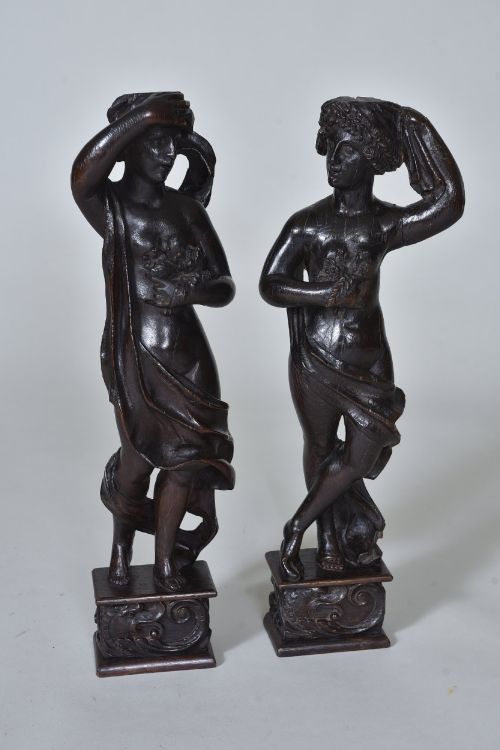
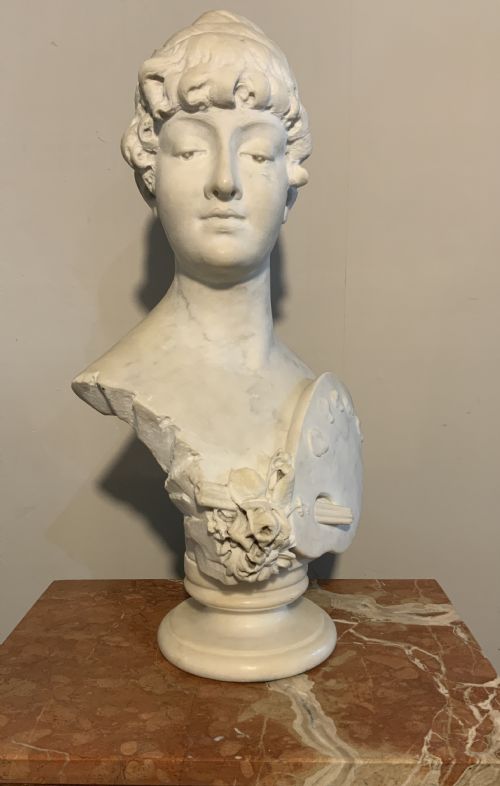
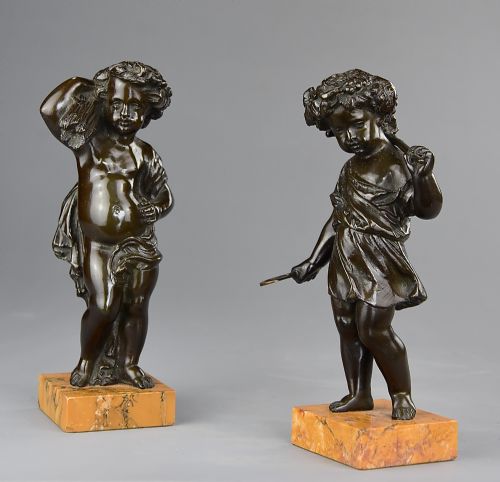
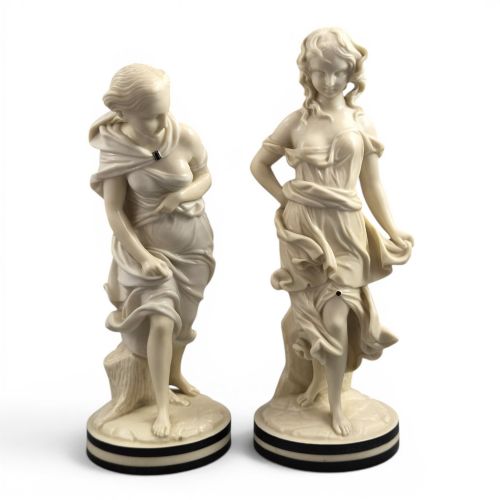
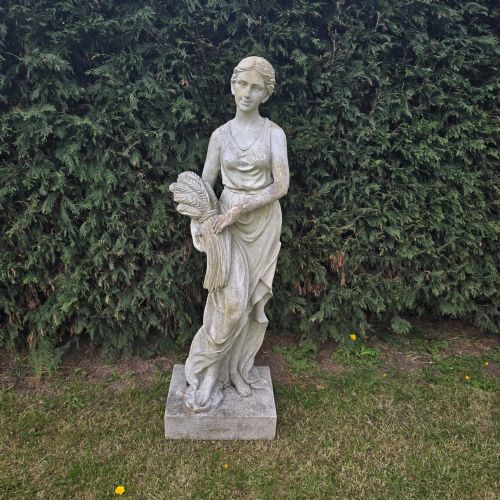
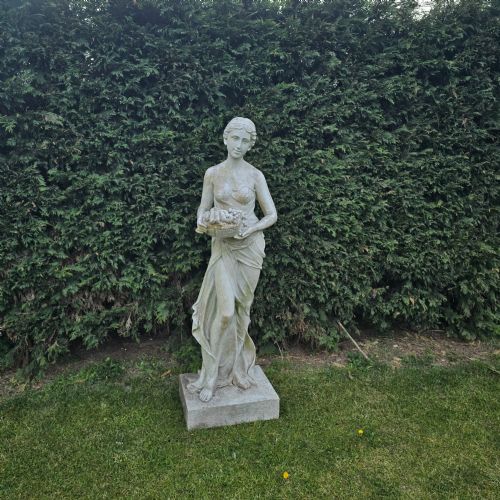
Classical allegorical sculptures represent mythological deities, seasonal personifications, and symbolic human figures derived from ancient themes. Buyers examining this page encounter bronze statuary, porcelain figurines, marble busts, carved wooden panels, and garden figures.
The selection ranges from eighteenth-century porcelain figures and Georgian carvings to nineteenth-century French bronzes and twentieth-century garden statuary in cast stone. Table lamps, mantel clocks, and life-sized statues incorporate these classical allegorical subjects into functional and decorative objects.
French neoclassical and art nouveau interpretations dominate the bronze works, while English and continental factories supply the porcelain figurines. Garden pieces utilise reconstituted stone and weather-resistant materials to adapt these motifs for outdoor placement.
Materials and Technique
Bronze sculptures utilise the lost-wax casting method, allowing intricate detail in drapery, hair, and allegorical attributes like wheat sheaves and torches. These figures frequently stand upon turned or polished marble plinths.
Porcelain examples combine soft-paste or hard-paste ceramic bodies with delicate hand-painting and enamel decoration. Alabaster and marble carvings demonstrate hand-chizzling and polishing techniques applied to solid blocks of stone.
Garden pieces rely on cast stone, reconstituted stone, and heavy oak carving to withstand external conditions. Spelter serves as a more affordable metal alternative to bronze in several nineteenth-century French figures.
The documented periods range from eighteenth-century porcelain and Georgian carvings to twentieth-century garden statuary.
Distinctions in Execution
The sophistication of the chiselling and the crispness of the bronze chasing separate superior metal figures from routine foundry output. High-grade patination reveals subtle tonal gradations across musculature and fabric.
Signed works associated with recognised founders or modellers reflect individual artistic attribution rather than anonymous production. The integrity of the material, whether solid marble or heavy cast bronze, underpins the physical presence of the piece.
August Moreau·Mathurin Moreau·James Hadley·Emile Louis Picault·Ernst Barrias·Barbedienne·Pugi·Volkstedt·Achille Mollica·Jean-Jules Cambos
The Classical Allegorical Sculptures Glossary
- Allegory
- Representation of abstract ideas through human figures, animals, or symbolic attributes. These personifications translate concepts like peace, autumn, or art into visual form.
- Spelter
- A zinc alloy utilised as a cheaper alternative to bronze. It receives patination to imitate bronze but possesses a lighter weight and softer surface.
- Lost-wax casting
- A metal casting process where a wax model is melted from a mould and replaced with molten bronze. This technique permits complex undercut details.
- Ormolu
- Gilded bronze mounts and decorative elements applied to furniture or clocks. The process involves fusing a mercury and gold amalgam to the bronze surface.
- Putto
- A plump naked male child figure frequently depicted in classical art. These figures often represent cupid or seasonal attendants.
Classical Allegorical Sculptures: Frequently Asked Questions
What are classical allegorical sculptures?
These pieces represent abstract concepts, seasons, or virtues through human figures drawn from classical mythology and tradition. They take the form of freestanding bronze statues, porcelain figurines, marble busts, and carved garden ornaments.
Artists across the eighteenth, nineteenth, and early twentieth centuries utilised these motifs to communicate moral, seasonal, or literary narratives in domestic and public spaces.
How were bronze figures displayed?
Nineteenth-century bronze sculptures often stood on prominent mantelpieces, library tables, or dedicated pedestals. Many incorporated marble plinths to elevate the metal work and provide visual weight.
Some figures were integrated directly into functional objects such as lampbases, clock garnitures, and inkstands.
How do I care for marble and bronze?
Bronze surfaces benefit from gentle dusting with a soft dry cloth and occasional light waxing to protect the patination. Avoid abrasive cleaners that strip the original metal finish.
Marble requires simple wiping with a damp cloth, avoiding acidic substances that etch the polished stone surface. Garden stone figures need protection from severe frost expansion during winter months.
How do I distinguish bronze from spelter?
Bronze exhibits a heavier weight, a resonant sound when tapped lightly, and a durable metallic structure beneath the patina. Spelter feels noticeably lighter and softer to the touch.
Examining the underside or base often reveals the paler grey metal of spelter where the surface finish has worn away.