


19th Century Silver Dish
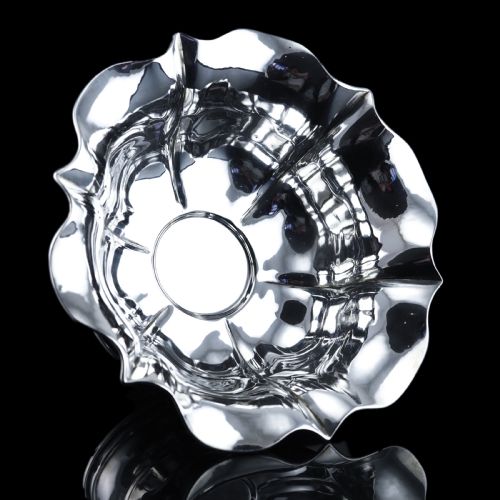
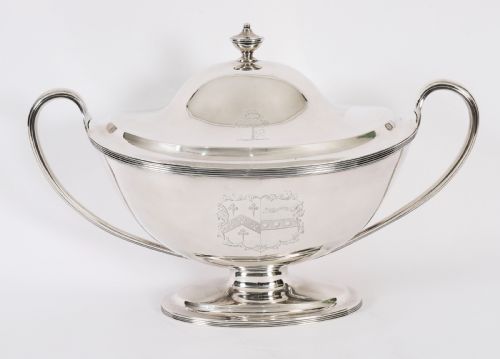
A 19th century silver dish brings functional elegance to a table, spanning from Georgian tureens to ornate Victorian centrepieces.
19th Century Silver Dish
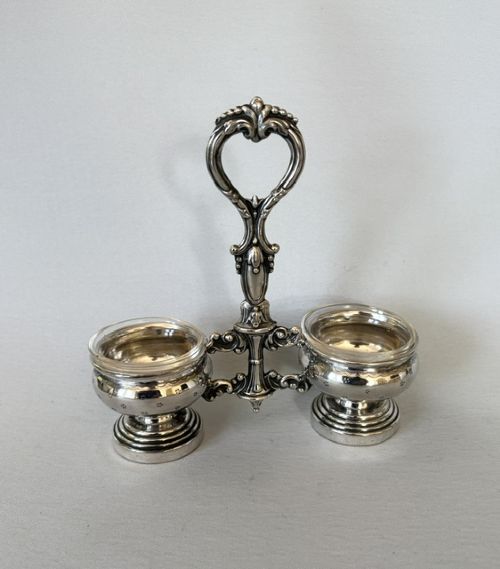
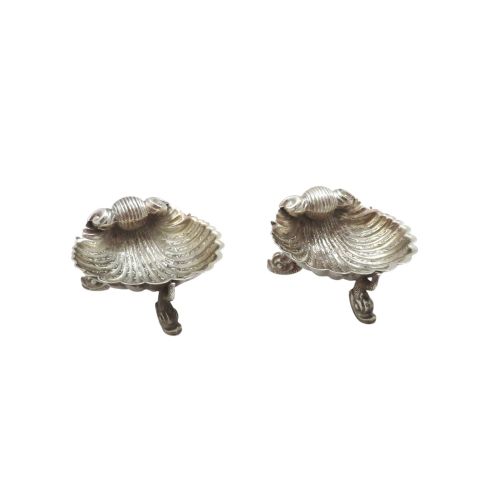
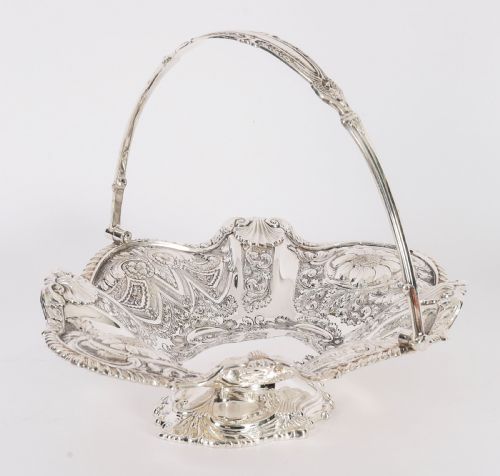
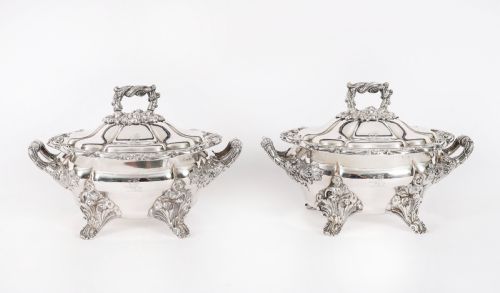
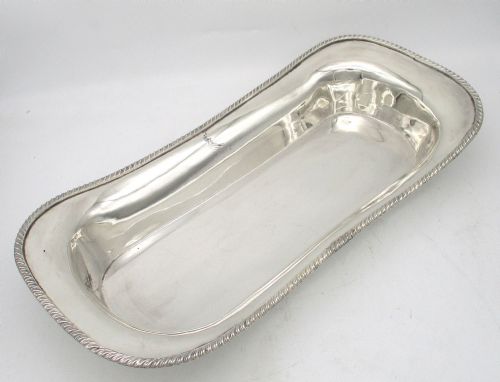
A search for a 19th century silver dish reveals a broad variety of serving vessels, ranging from salt cellars and fruit baskets to entree dishes and large tureens. These items emerge from multiple regions and stylistic movements, including Georgian, Victorian, Rococo Revival, and continental workshops.
Buyers most frequently encounter silver plated wares alongside solid sterling silver pieces. Functional items like warming dishes, condiment stands, and decorative chargers populate the selection alongside smaller bon-bon dishes.
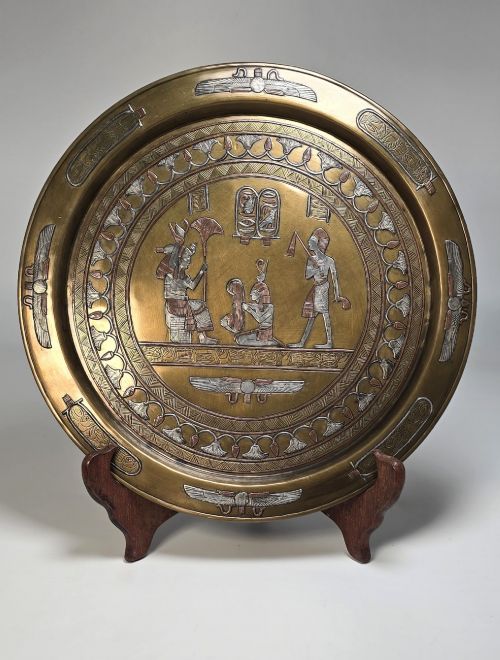
Objects originate from British makers, continental European hubs such as Vienna and Frankfurt, and international traditions like Cairo Ware and Kutch silver.
Materials and Techniques
Makers utilised solid sterling silver, silver plate, Old Sheffield plate, and electroplated nickel silver, often combining base metals or bronze with heavy silver plating.
Surface decoration involved intricate techniques including hand wirework, silver inlay, piercing, gilding, and repoussé figural scenes.
Many items incorporate mixed media, pairing silver work with cut glass, opaline glass, or carved bronze components.
19th Century Silver Dish Retail Price Guide 2026
Typical asking prices for 19th century silver dish among the pieces listed under this phrase on Sellingantiques today, from the lower quarter to the upper quarter. They describe what is for sale here now, not the wider market.
Silver animal figures include garden wheelbarrows, squirrels, snakes, and eagles holding salt.
Evaluating Craftsmanship
Quality rests upon the crispness of the chased or cast detail, whether in figural battle scenes, floral borders, or animal motifs such as squirrels and eagles.
The weight of the metal and the integrity of the plating or solid silver construction determine the longevity and tactile feel of the piece.
Design ambition separates standard utility wares from high-end display pieces, seen in articulated mechanisms, matched sets, and pieces bearing the marks of prominent silversmiths.
George W. Scott & Sons Ltd·William Bennett·Henry Wilkinson·Paul Storr·Posen·Tiffany & Co·Daniel and Arter·Samuel Hennell·Elkington·Matthew Linwood·William Hutton & Sons·Cresswick·Dan Holy·James Deakin·Alt Wien·WMF·Asprey London·James Deakin and Sons
The 19th Century Silver Dish Glossary
- Old Sheffield plate
- A method of fusing a thin sheet of sterling silver to a thicker copper base before rolling and shaping. This technique creates durable antique wares with a warm tone.
- Entree dish
- A covered serving vessel used for presenting courses at the dining table. Many feature removable handles and warming bases.
- Charger
- A large decorative plate or platter placed beneath other courses or displayed on a sideboard. These often feature elaborate repoussé or inlaid designs.
- Mazarine
- A pierced draining insert placed inside a platter or dish to keep food elevated from accumulated juices. They frequently appear in silver plate.
- Silver gilt
- Solid silver that has been coated with a thin layer of gold on the interior or exterior surfaces. This process adds rich colour and protects the silver from tarnishing.
19th Century Silver Dish: Frequently Asked Questions
How do I clean an antique silver dish?
Use a soft cloth and a gentle, non-abrasive silver cleaner formulated for antiques. Avoid aggressive scrubbing that might wear through silver plating or damage delicate wirework.
Store pieces in dry conditions away from direct sunlight to minimise tarnishing. For items with glass inserts or wood components, keep moisture away from the joins.
Were these dishes used daily?
Many items served practical roles in wealthy nineteenth-century households, functioning as warming dishes for meat, salt cellars for dining tables, or butter dishes for breakfast services.
Others, such as large chargers and decorative centrepieces, served primarily as display objects to demonstrate status and hospitality during formal meals.
What is Old Sheffield plate?
Old Sheffield plate is an early form of composite metal created by fusing silver to copper. This predates electroplating and produces items with a distinctive, deep lustre.
Collectors prize these pieces for their historical manufacturing technique and robust construction.
How can I tell solid silver from silver plate?
Inspect the piece for hallmarks, which typically indicate solid sterling silver and provide clues about the maker and year of manufacture. Items lacking official assay marks are often silver plated or made from base metals.
Weight, magnetism, and the appearance of underlying metals at wear points also help distinguish solid silver from plated wares.