


Austro Hungarian Silver
Austro Hungarian silver brings together rich enamel, warm silver gilt and brilliant gemstones in striking decorative objects and jewellery.
Austro Hungarian Silver
When you search for austro hungarian silver, you encounter a diverse range of items spanning personal adornment and decorative tableware. The selection centres on jewellery such as necklaces, pendants, earrings, bangles and bracelets, alongside functional pieces like boxes, bowls and cruets. These creations reflect distinct historic periods including the Victorian era, the nineteenth century and the early twentieth century.
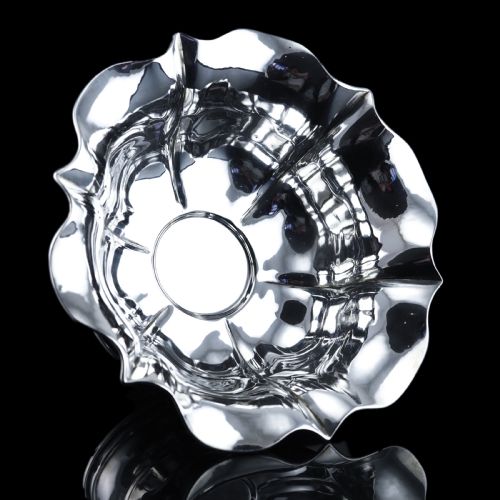
The jewellery items frequently display Renaissance Revival and Rococo Revival influences, incorporating intricate metalwork alongside colourful stones. Bowls and boxes demonstrate a similar commitment to ornate surface treatment and sculptural form. Pieces originating from Vienna, often marked as Alt Wien, appear alongside broader continental examples bearing import marks.
Materials and construction methods
Makers utilised solid silver and silver gilt as the primary foundation for these works, often applying fire gilding to create a rich, warm surface tone. Enamel work provides vibrant colour across pendants, boxes and brooches, complemented by careful hand engraving and filigree wirework. Structural components range from hinged bangle mounts to woven chain mail and cast teapot bodies.
Gemstones and decorative inlays are integral to the aesthetic, with garnet, turquoise, pearl and emerald paste featuring prominently. Stones are frequently foiled to enhance their depth and brilliance within closed-back settings. Glass, ivory and coral also appear in specific functional objects such as perfume bottles and writing implements.
Recorded objects span domestic tableware including teapots, canteens, knife rests, boxes and various styles of personal jewellery.
Judging the standard of execution
The distinction between standard output and the finest examples lies in the precision of the enamel work and the complexity of the stone setting. Superior pieces exhibit translucent, undamaged enamel surfaces with smooth gradients of colour, free from heavy restoration. Metalwork quality shows in the crispness of chased details and the security of prong or bezel settings holding multi-gem configurations.
Design ambition separates average objects from exceptional survivals. Items demonstrating sculptural flair, such as figurative pendants depicting George and the dragon or articulated animal forms, require greater technical mastery from the silversmith. The integration of varied media, combining pearls, garnets and guilloche enamel within a single cohesive composition, marks the upper tier of production.
The Austro Hungarian Silver Glossary
- Silver gilt
- Silver that has been coated with a thin layer of gold, providing a rich golden appearance while retaining a silver core. This technique appears frequently on nineteenth-century pendants and chokers.
- Guilloche enamel
- A decorative technique where a precise geometric pattern is mechanically engraved beneath a translucent layer of enamel. It adds remarkable depth and light reflection to boxes and small personal items.
- Paste
- Hand-cut glass or lead crystal used as a gemstone substitute in historic jewellery. Austro-Hungarian pieces often utilise coloured paste stones to mimic precious emeralds, rubies and garnets.
- Alt Wien
- German for Old Vienna, used to designate silver objects produced within the historic Austrian capital. It often appears on decorative bowls and tableware from the nineteenth century.
- Filigree
- Delicate metalwork formed from fine silver threads twisted and soldered together into openwork patterns. This technique creates lace-like motifs on brooches and earrings.
Austro Hungarian Silver: Frequently Asked Questions
What periods do these pieces date from?
The selection spans the eighteenth century through to the early twentieth century, with a heavy concentration of items originating in the nineteenth century and the Victorian era. Later examples extend into the nineteen-thirties.
Specific dates on individual items range from eighteen-forty through to nineteen-thirty, capturing distinct shifts in European decorative arts and regional workshop output.
How do I identify silver gilt on these items?
Silver gilt presents a warm golden hue over a silver base metal, visible where minor wear reveals the white metal underneath. It combines the structural durability of silver with the visual warmth of gold.
Craftsmen utilised this finish extensively on revivalist jewellery to achieve the rich colour palette favoured during the nineteenth century.
Were these items used for daily wear or display?
The range encompasses both personal adornment and household utility, meaning items served very different functions. Necklaces, earrings and brooches were worn as fashion accessories, while bowls, teapots and boxes served practical purposes in the home.
Many decorative boxes and cruets were designed to sit on desks or dining tables, doubling as ornaments and functional containers.
What gemstones are common in this jewellery?
Garnets, turquoise and pearls appear most frequently across necklaces, earrings and rings from this region. Emerald paste and citrine also occur as vibrant coloured alternatives to genuine mined stones.
Stones are often arranged in multi-gem configurations or halo settings that maximise visual impact through contrasting colours.
What is Alt Wien silver?
Alt Wien translates to Old Vienna and marks silver objects manufactured within the Viennese workshops during the nineteenth century. These pieces often include bowls, baskets and decorative tableware.
Items bearing this attribution reflect the high standards of Austrian silversmithing and distinct regional hallmarks from the period.