

19th Century Sevres Style
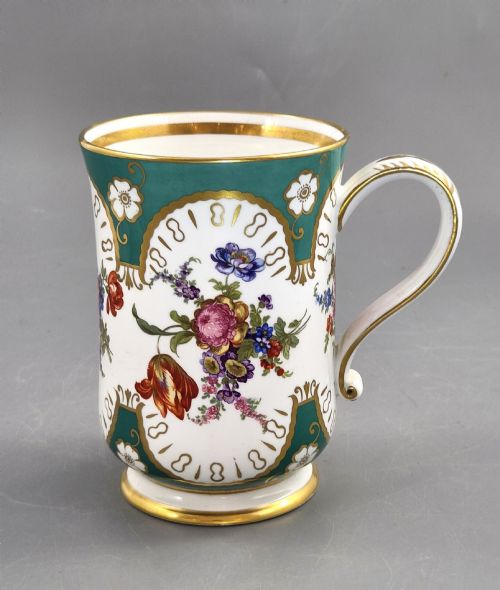
When you search for 19th century sevres style, you encounter decorative porcelain and gilt bronze objects created in the French taste during the Victorian era.
19th Century Sevres Style
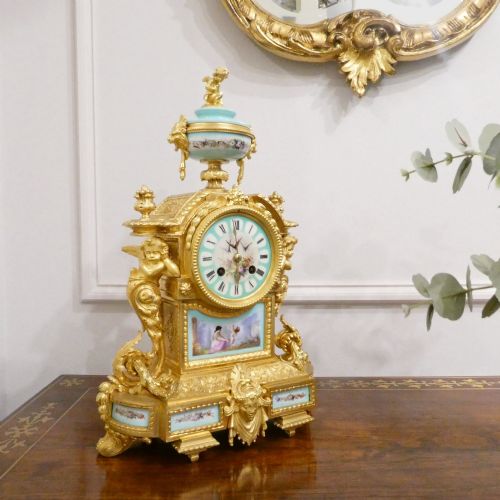
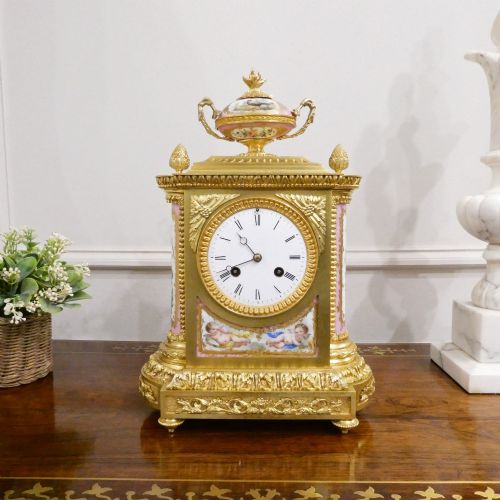
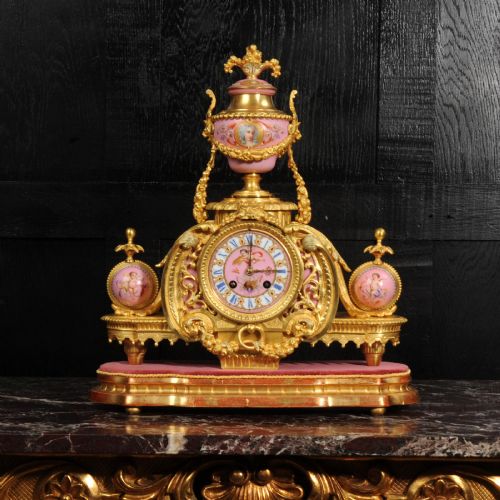
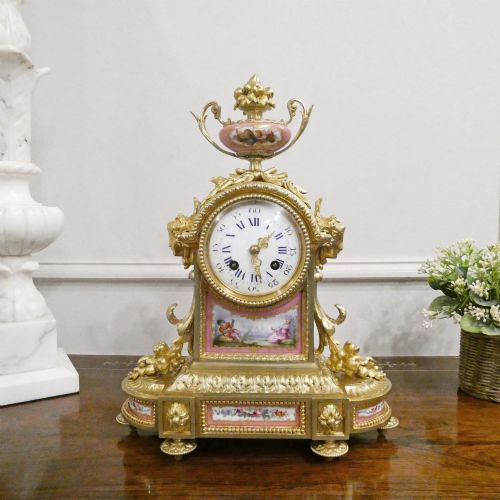
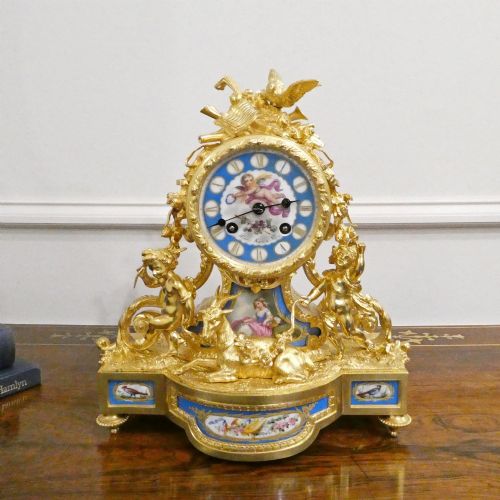
Pieces bearing the 19th century sevres style designation encompass a rich variety of decorative objects, from mantel clocks and lidded vases to cabinet plates and writing desks.
Makers drew heavily on French Rococo Revival, Louis XVI Revival, and Napoleon III aesthetic movements to produce ornate furnishings for opulent domestic interiors.
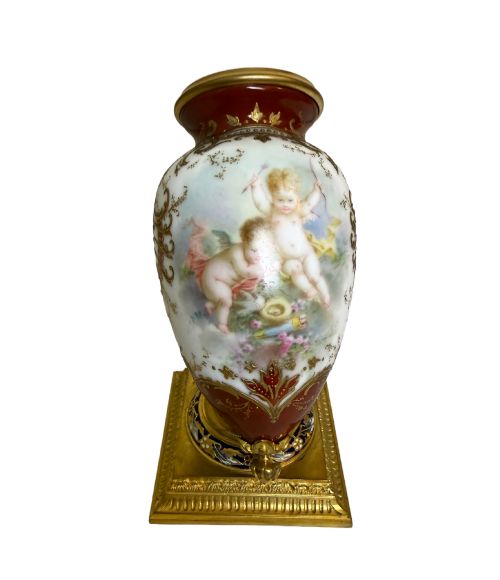
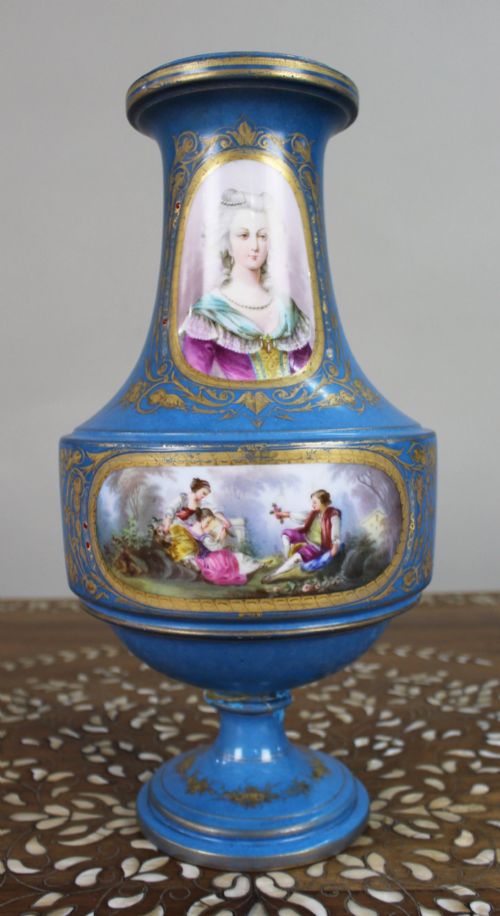
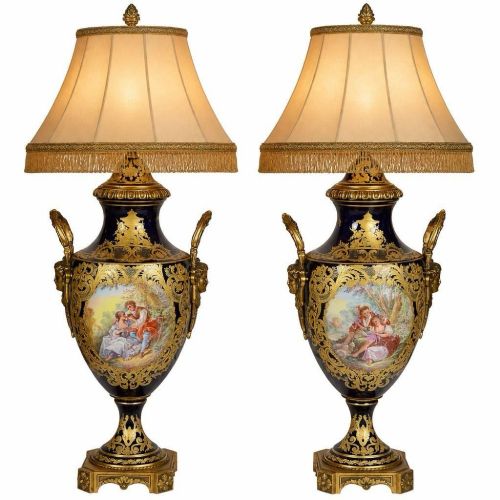
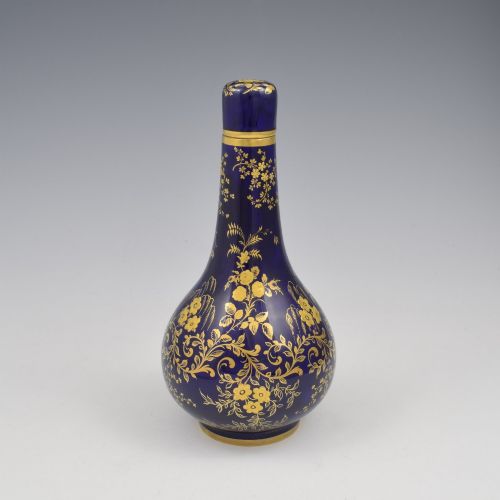
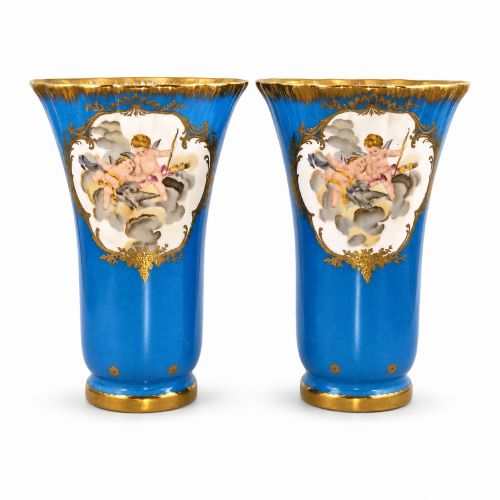
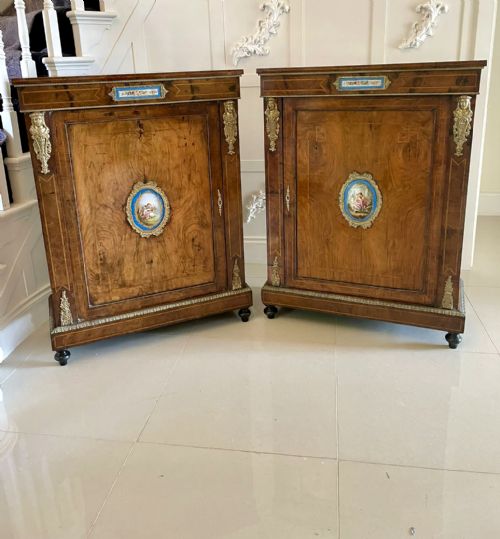
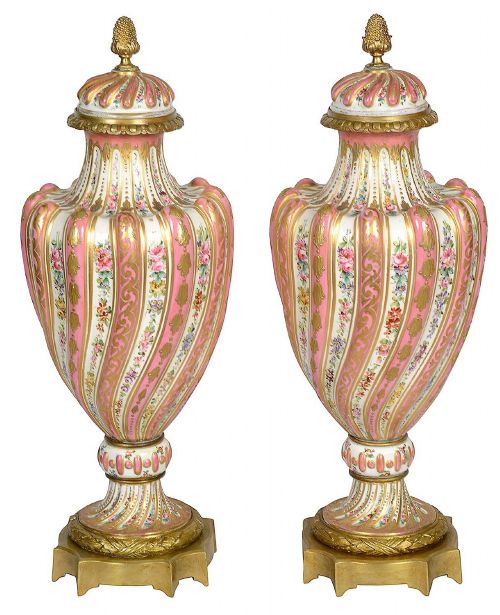
The objects most frequently met on this page include cobalt blue and bleu celeste porcelain vases, gilt bronze clock garnitures, and porcelain-mounted desks or pier cabinets.
How They Were Made
Artisans combined hand-painted porcelain bodies with cast ormolu, gilt bronze, and gilt metal mounts, often incorporating jewelled enamel details.
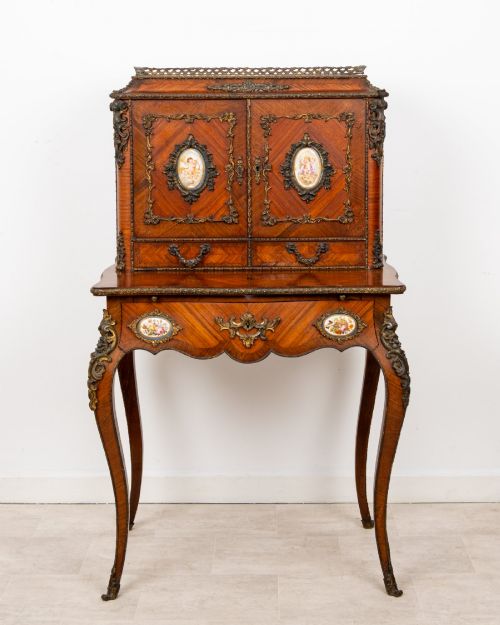
Cabinet woods such as kingwood, amboyna, and burr walnut served as foundations for writing desks and cabinets inset with painted ceramic plaques.
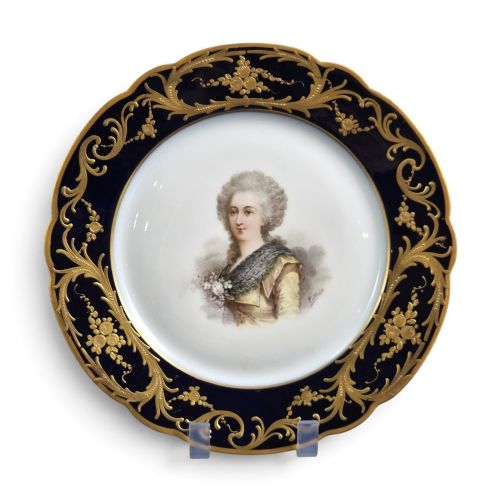
Even Madame Elisabeth manages to keep a steady gaze while standing watch over nineteenth-century mantelpieces.
What Varies in Quality
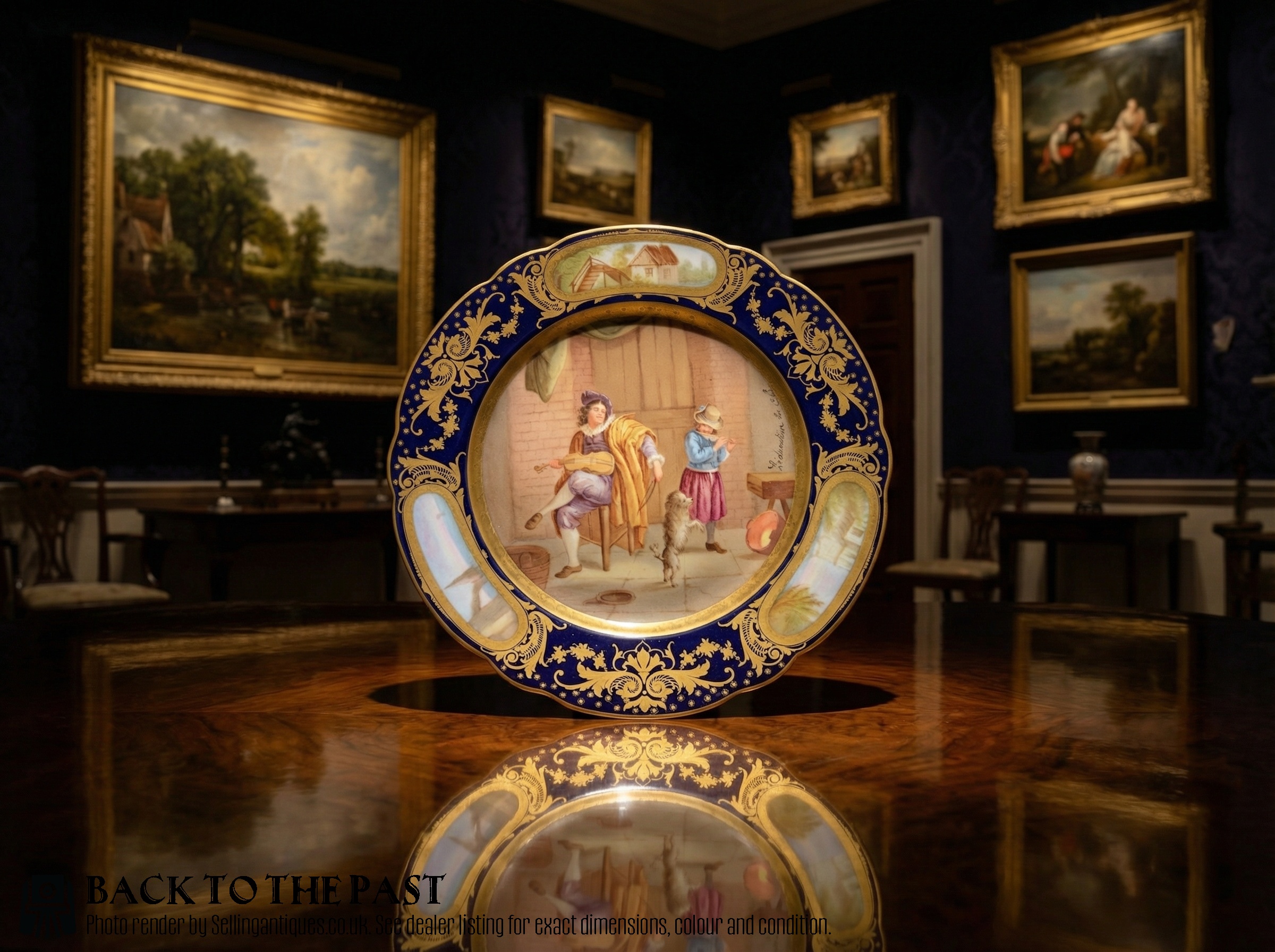
The standard of painting upon the porcelain surface establishes the tier of the piece, separating finely detailed hand-painted portraits and pastoral scenes from simpler monochrome grounds.
The crispness of the cast ormolu and gilt bronze mounts, along with the weight and integration of the porcelain into the furniture or clock housing, dictates the overall refinement of the construction.
Jean-Baptiste Delettrez·Achille Brocot·Japy Freres·Henry Marc·PH Mourey·Leroy Paris
The 19th Century Sevres Style Glossary
- Ormolu
- Gilded bronze applied as decorative mounts to clocks, furniture, and porcelain vessels. The technique involves a mercury-gilding process common in nineteenth-century French workshops.
- Bleu Céleste
- A distinctive bright sky-blue porcelain ground colour popularized by the royal French factories. It serves as a vibrant backdrop for gilt detailing and painted reserves.
- Clock Garniture
- A matching set consisting of a mantel clock accompanied by side pieces such as candelabra or vases. These decorative ensembles formed the visual centrepiece of nineteenth-century fireplace mantels.
- Bonheur Du Jour
- A small ladies writing desk featuring a tiered superstructure with drawers, shelves, and doors. Nineteenth-century versions frequently incorporate inset porcelain plaques and ormolu framing.
- Pier Cabinet
- A low display cabinet designed to fit against the wall space between windows. These pieces often utilise burr walnut or exotic veneers alongside porcelain panel inserts.
19th Century Sevres Style: Frequently Asked Questions
How do I identify a sevres style piece?
Look for characteristic coloured grounds like cobalt blue or bleu celeste combined with rich hand-painted reserves and gilt bronze mounts. These aesthetic choices reflect the influence of French royal manufactories.
Examine the overall construction and style markers, which typically align with nineteenth-century revival periods such as Louis XVI or Napoleon III.
Were these items made in France?
Many items originate from nineteenth-century French workshops, clockmakers, and bronze founders operating in Paris. Prominent makers produced both the mechanical movements and the decorative mounts.
Other European factories, including English potteries and Samson of Paris, also produced pieces in this specific taste to meet international demand.
How were mantel clocks used?
Mantel clocks served as functional timekeepers and status symbols placed prominently on fireplace mantels in formal reception rooms. They were frequently paired with matching vases or candelabra to create a unified clock garniture.
These sets demonstrated the owner's wealth and appreciation for intricate metalwork and decorative ceramics.
How do I care for porcelain and ormolu?
Dust porcelain surfaces and ormolu mounts gently with a soft, dry cloth to prevent accumulation. Avoid chemical cleaners or abrasive agents that can damage the delicate gilding and hand-painted enamel details.
Keep pieces away from direct sunlight and moisture to preserve the integrity of both the ceramic body and the wooden furniture housing.