
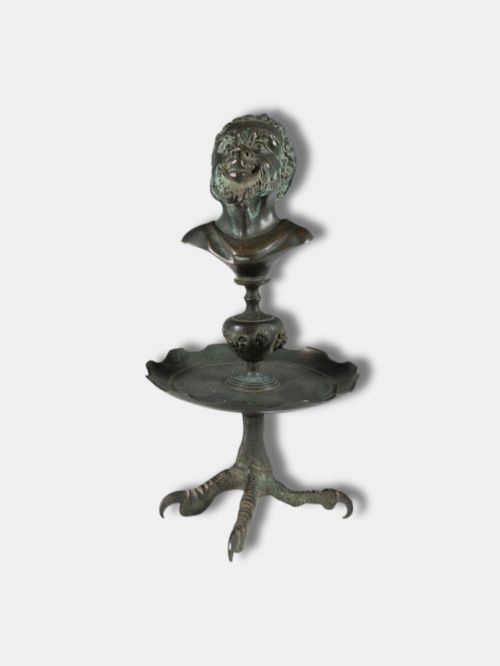


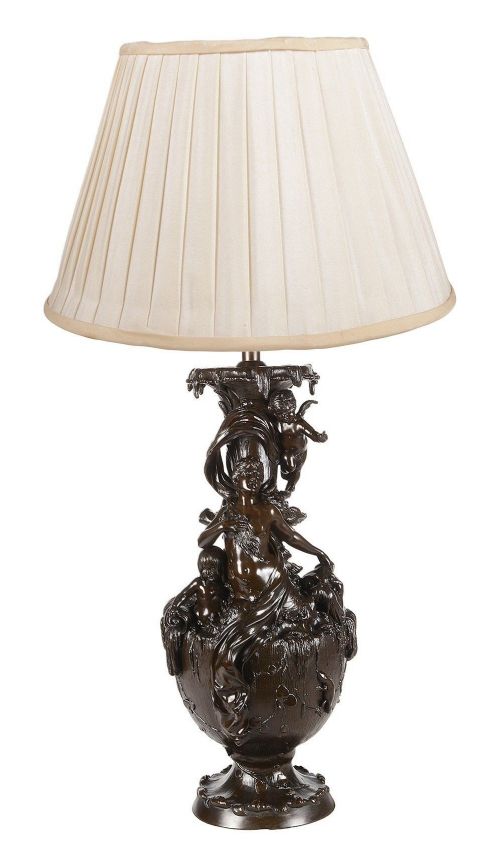
19th Century Sculpture Lamp
These 19th century sculpture lamp pieces combine cast metal figures with lighting, offering classical presence and period illumination.
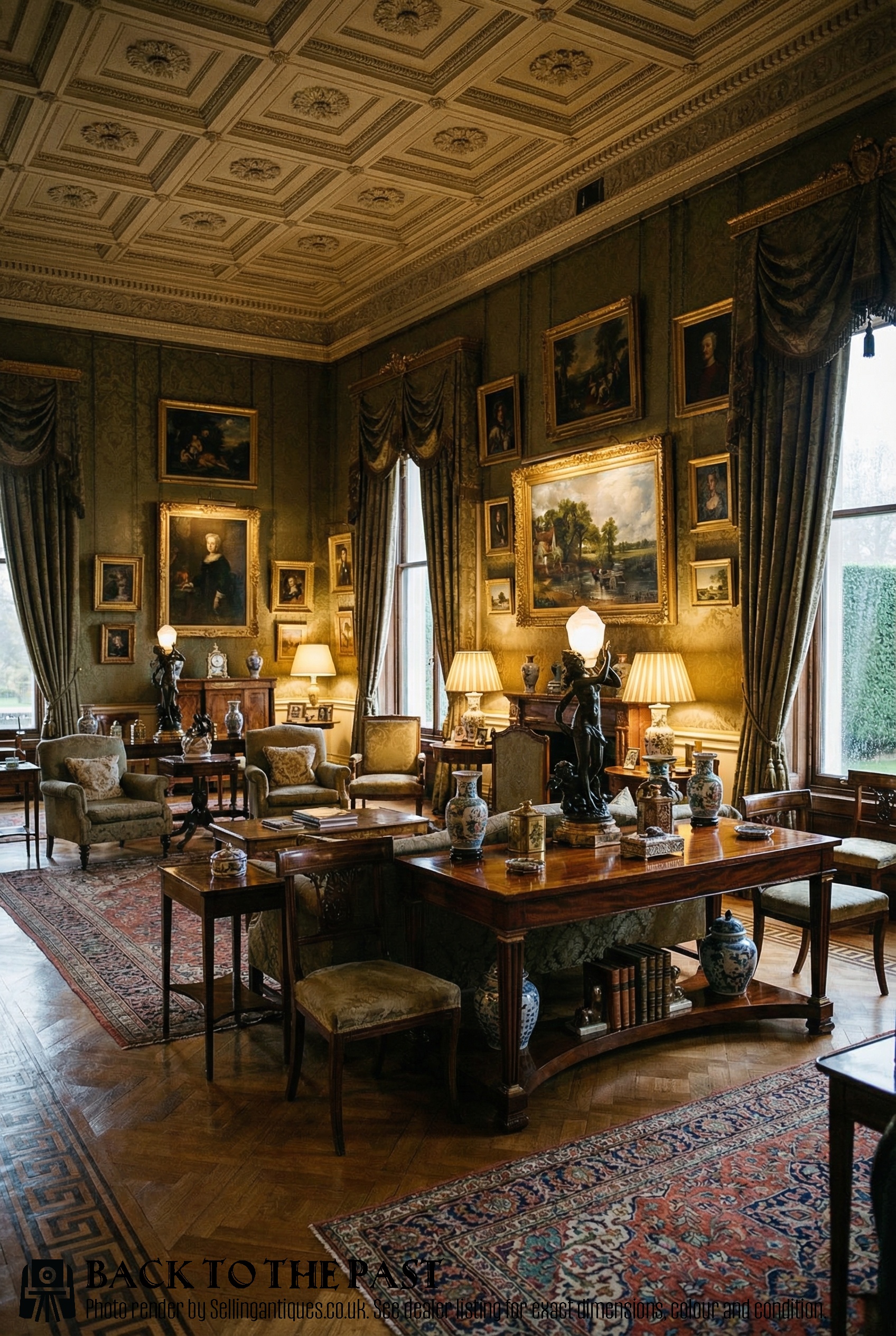
19th Century Sculpture Lamp
A 19th century sculpture lamp fuses figurative bronze casting with functional lighting, bringing mythological and allegorical subjects into interior spaces. Buyers seek these pieces for their sculptural weight and detailed casting quality, which elevate them beyond standard domestic light fittings. The selection on this page centres primarily on bronze, patinated bronze, and ormolu figures holding light sources.
Makers and sculptors of the period produced works depicting figures such as Atlas, Venus, Apollo, and various allegorical personifications. These range from substantial French figural torchères to Italian oil lamps incorporating classical motifs. The forms vary from table lamps to large floor-standing statues adapted for illumination.
How they were made
Foundries utilised the lost-wax casting method or sand casting to achieve the fine detail visible in these bronze and brass figures. Artisans then applied patination, gilding, or polychrome finishes to the metal and carved wood surfaces.
Base materials include white marble plinths, carved root wood, and cast ormolu, paired with glass and fabric elements for the lighting components.
Listings feature works spanning the nineteenth century, utilising bronze, glass, patinated bronze, brass, carved wood, fabric, marble, and gilt bronze.
What varies in quality
Quality resides in the crispness of the chasing on the bronze surface and the articulation of the figure's musculature and drapery. Finer pieces demonstrate superior sculptural proportion and signed execution by known sculptors of the era.
The integrity of the original patination and the harmony between the sculptural base and the mounting determine the desirability of the piece.
Emile Picault·Humphrey Hopper·H. Moreau·Aug. Moreau·François-Christophe-Armand Toussaint·Coutan·Henri Honore Ple·Adrien Gaudez·Auguste Moreau
The 19th Century Sculpture Lamp Glossary
- Patinated bronze
- Bronze treated with chemical solutions to produce a dark brown or green surface coloration. This finish protects the metal and highlights the sculptural contours.
- Ormolu
- Gilded bronze produced by applying a mercury and gold amalgam to the metal surface and heating it. This technique creates a rich, durable golden sheen.
- Torchère
- A tall ornamental stand or floor lamp designed to hold a light source. In this period, these often took the form of classical figures bearing torches or lamps.
- Spelter
- A zinc alloy used as a less costly alternative to bronze for sculptural casting. It accepts metallic paints and patination to imitate heavier metals.
19th Century Sculpture Lamp: Frequently Asked Questions
What is a sculpture lamp?
A sculpture lamp is a figural work of art, often cast in bronze or carved from wood, that has been designed or adapted to incorporate a lamp fitting or oil reservoir.
These pieces use mythological figures, deities, or allegorical characters to support the lighting element, blending decorative sculpture with illumination.
How do I care for bronze?
Dust the bronze regularly with a soft, dry cloth to prevent the accumulation of dirt in the chased recesses of the metal.
Avoid using abrasive cleaning products or chemical polishes, which can strip the patination and damage the original surface finish.
Are these lamps electrified?
Many of these pieces began as oil lamps or purely decorative statues before being converted to electricity at a later date.
Buyers should inspect the wiring of each individual piece and consult a qualified electrician to ensure safety and compliance with current standards.
How do I identify the period?
Period identification relies on stylistic cues, casting techniques, and the signatures or foundry marks stamped onto the bronze base.
Nineteenth-century pieces often reflect Neoclassical, Art Nouveau, or Victorian aesthetic movements through their specific iconography and manufacturing methods.