

19th Century Screen
A 19th century screen organises interior space and manages heat with decorative flair.
19th Century Screen
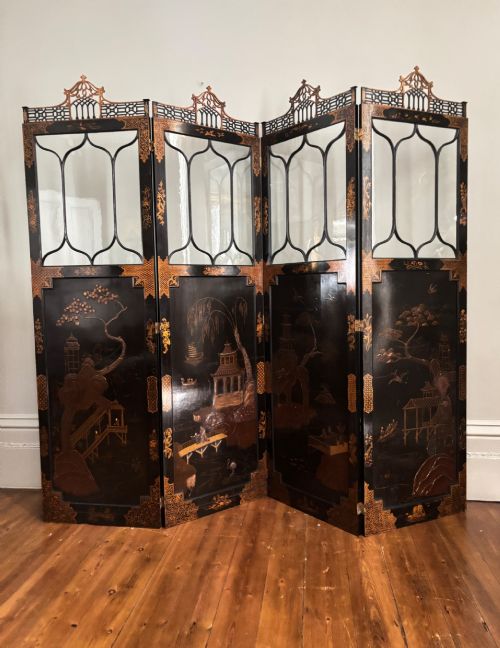
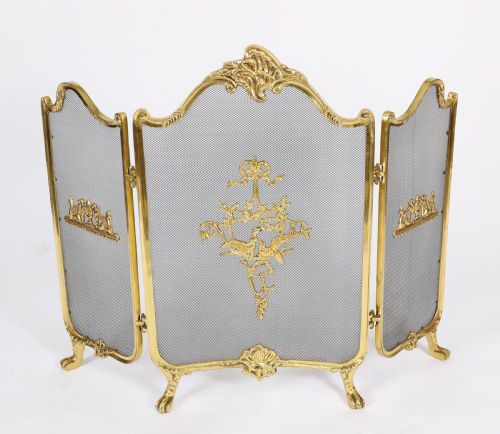
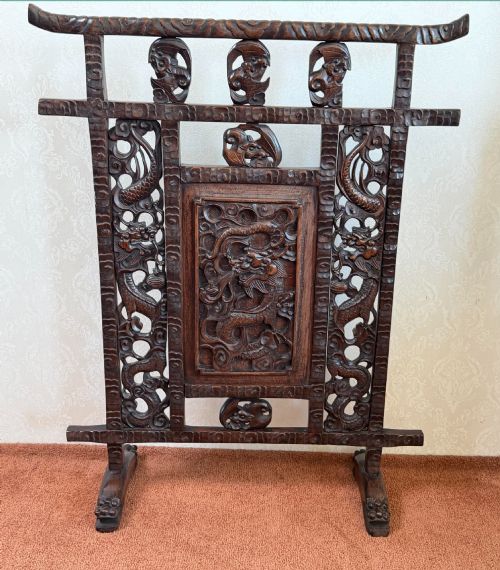
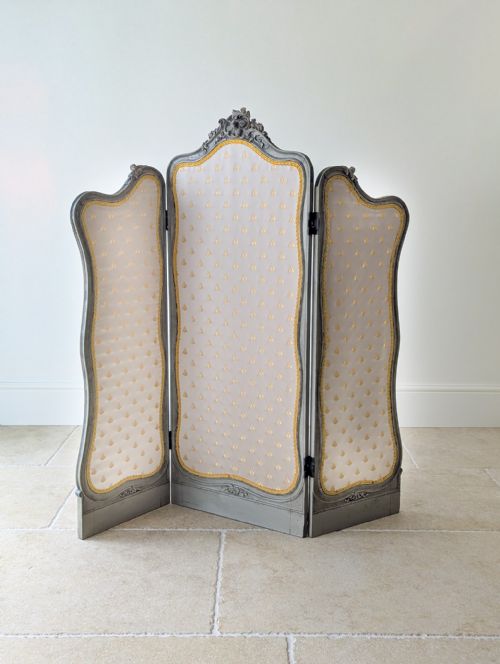
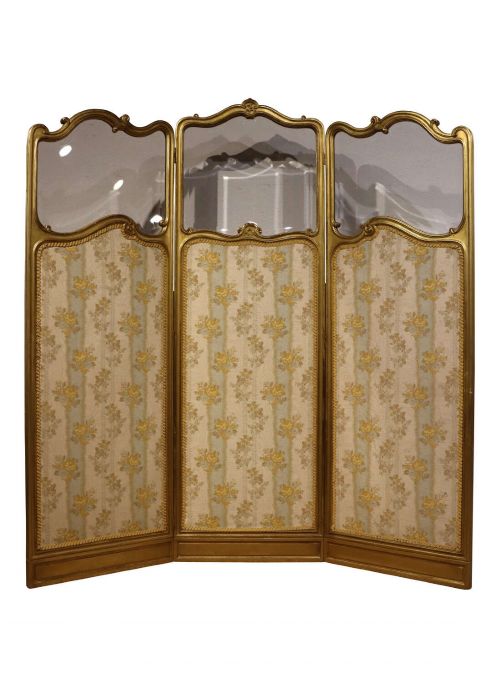
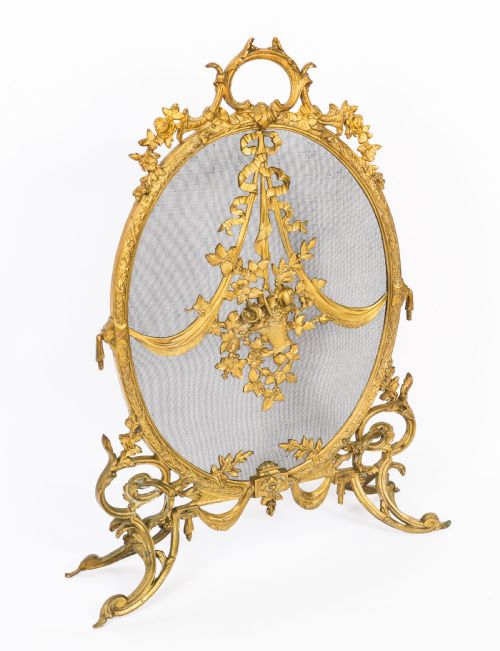
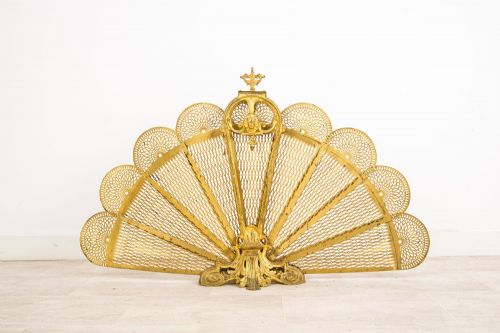
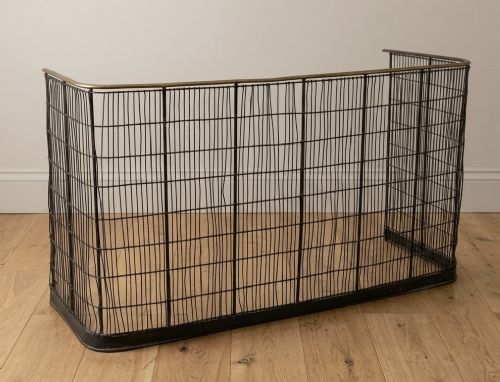
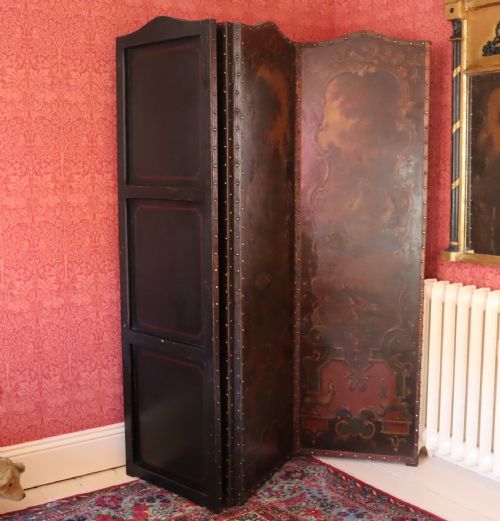
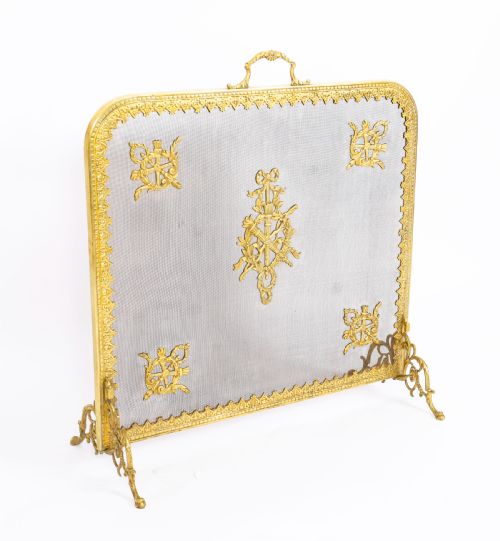
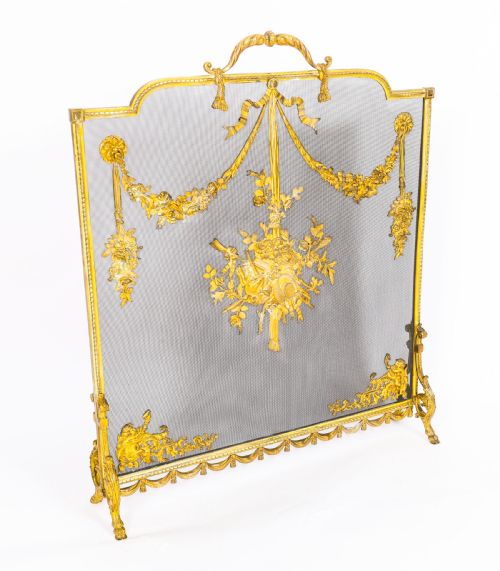
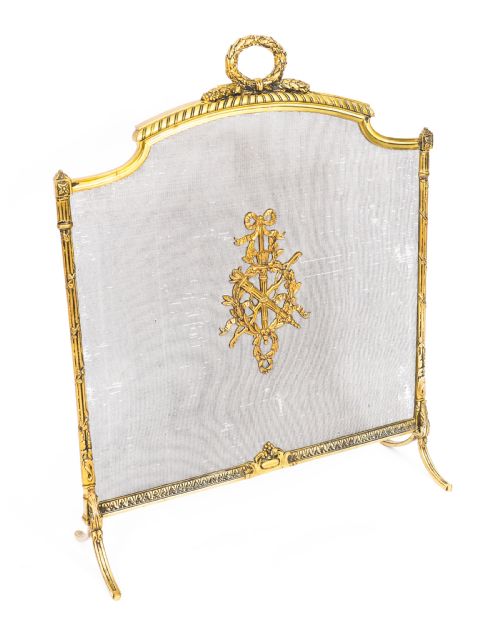
When searching for a 19th century screen, buyers encounter two primary domestic formats designed for distinct domestic purposes: compact hearth guards and multi-panel room dividers. The fireplace screens, often fashioned from brass or gilt bronze, protect inhabitants from open flames while adding metallic polish to a room. Folding room dividers, constructed from wood, leather, or painted canvas, serve to partition larger spaces or block draughts.
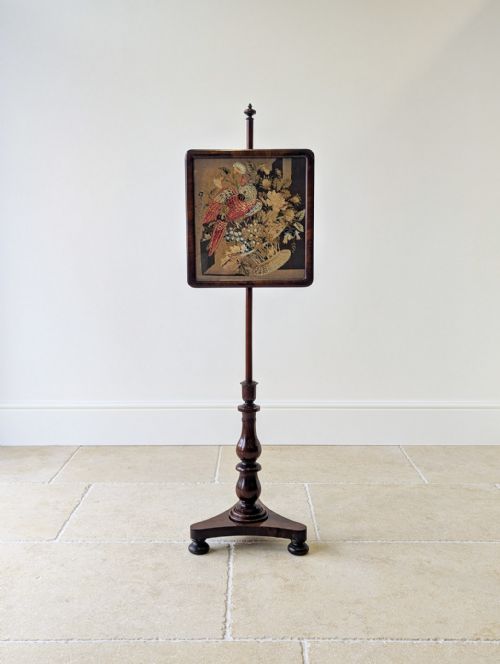
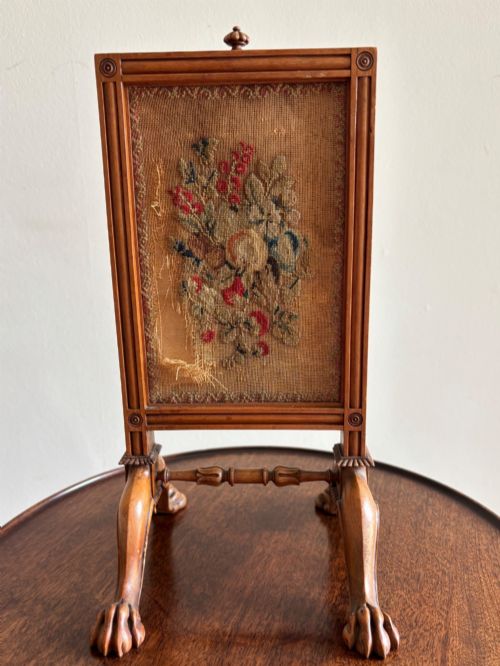
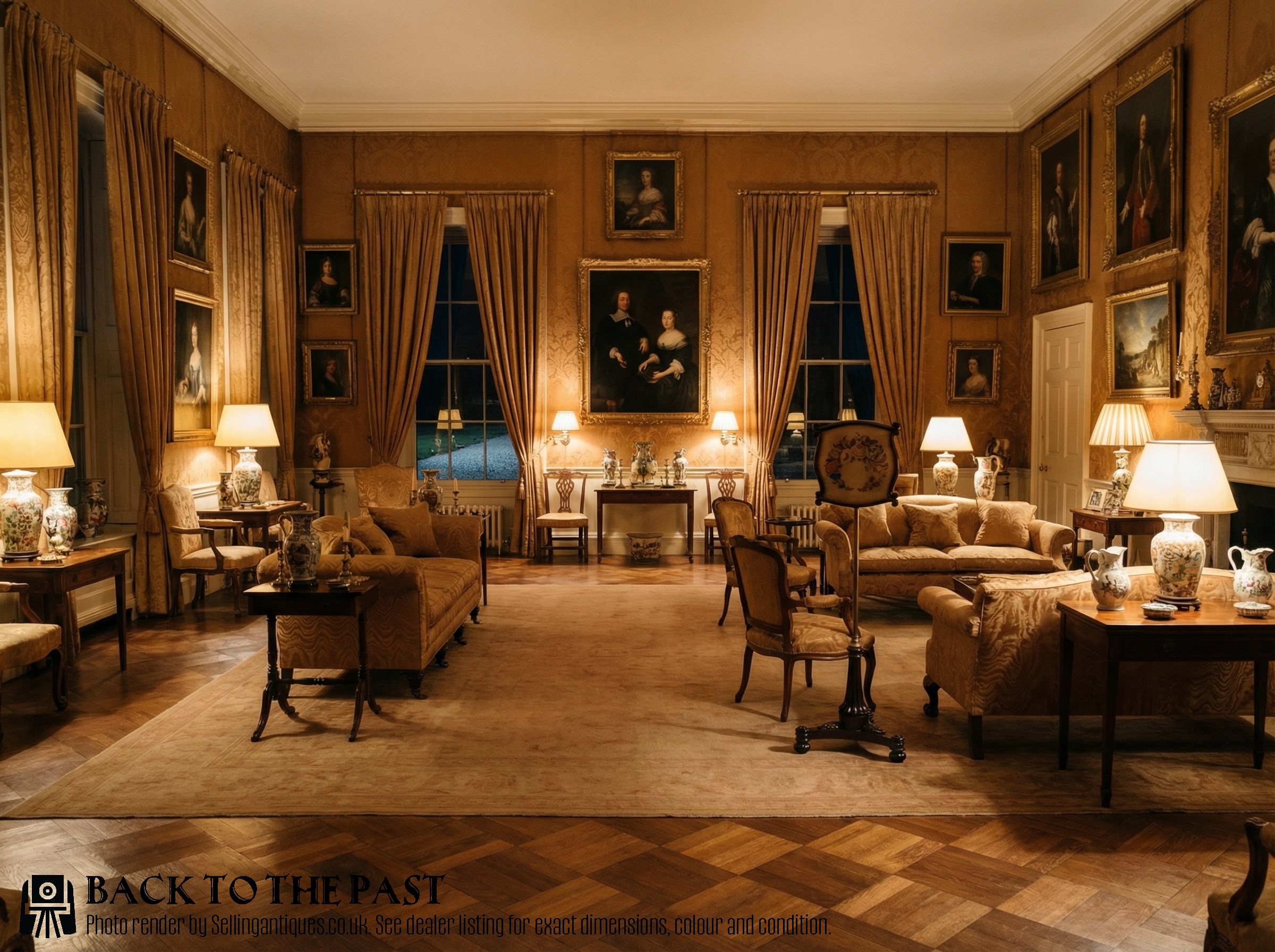
The selection ranges from elaborate French Rococo Revival brass fire screens to substantial Chinese hardwood and lacquer folding screens. Pole screens with adjustable needlework panels represent a common form of hearth furniture from the earlier decades of the century. Vanity and dressing screens also appear, offering moveable partitions for private spaces.
Materials and Construction Methods
Makers utilised a combination of structural timber and decorative metals, employing mahogany, rosewood, and giltwood for framing room dividers and pole screens. Brass and bronze casting shaped openwork fire screens, frequently incorporating wire mesh, bevelled glass, or folding peacock fan mechanisms.
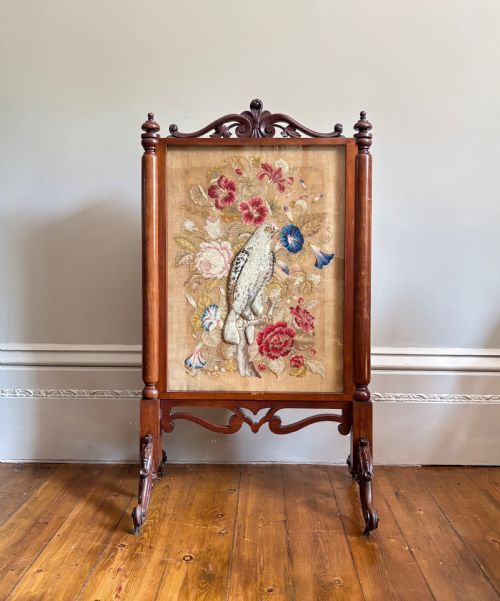
Surface decoration involved hand-painting, needlework embroidery, silk panels, and leather tooling. Artisans applied gilt leaf, gesso, and lacquer finishes to achieve the ornate visual effects characteristic of Victorian and continental revivals.
19th Century Screen Retail Price Guide 2026
Typical asking prices for 19th century screen among the pieces listed under this phrase on Sellingantiques today, from the lower quarter to the upper quarter. They describe what is for sale here now, not the wider market.
Listings include mahogany, rosewood, brass, glass, and silk across Victorian, Regency, and Chinese styles.
Evaluating Craftsmanship and Detail
Quality in these pieces depends upon the precision of the carving, the weight and casting finish of the metalwork, and the preservation of original textiles. Superior examples display crisp chasing on ormolu frames, tightly hand-knotted needlework, and robust structural hinges on folding panels.
Finer items maintain their original hand-painted surfaces and period glass without later replacements. The complexity of the joinery and the depth of relief work separate standard utility items from luxury drawing room furnishings.
Bouhon Frères
The 19th Century Screen Glossary
- Pole screen
- A standing fireside screen with an adjustable panel mounted on a vertical wooden pole. This design allowed the user to slide the needlework shield up or down to block hearth heat from the face.
- Fire screen
- A protective barrier placed before a fireplace when not in use. These pieces were often made of brass, glass, or embroidered fabric.
- Ormolu
- Gilt bronze mounted onto furniture or decorative metalwork. This technique provided a bright golden finish popular in French revival pieces.
- Berlin work
- A style of counted-thread embroidery popular during the Victorian era. It utilised brightly coloured wools on canvas panels.
- Toleware
- Painted and japanned sheet metal objects. These items often featured floral or pastoral scenes.
19th Century Screen: Frequently Asked Questions
How were pole screens used?
Pole screens stood near fireplaces to shield a person's face from the direct heat of an open coal fire. The adjustable panel slid along a central wooden shaft to catch the warmth at the desired height.
As heating methods evolved later in the period, these pieces transitioned into purely decorative elements within the Victorian drawing room.
What is a folding screen?
Folding screens consist of multiple hinged panels that stand upright to divide a room or block draughts. They range from leather and painted canvas versions to carved wooden frames.
These versatile items allowed homeowners to alter the proportions and privacy of living spaces quickly.
How do I care for antique needlework?
Needlework panels require protection from direct sunlight to prevent the coloured wools from fading over time. Regular gentle dusting with a soft brush helps keep fabric clean without damaging delicate threads.
Avoid placing textile panels near damp exterior walls or active heat sources.
Are brass fire screens heavy?
Cast brass and bronze fire screens possess substantial weight to ensure they remain stable on hearth rugs. This solid construction prevented accidental tipping near open flames.
Lighter folding panels rely on multiple hinged sections for stability rather than heavy metal bases.