
19th Century Profile Portrait
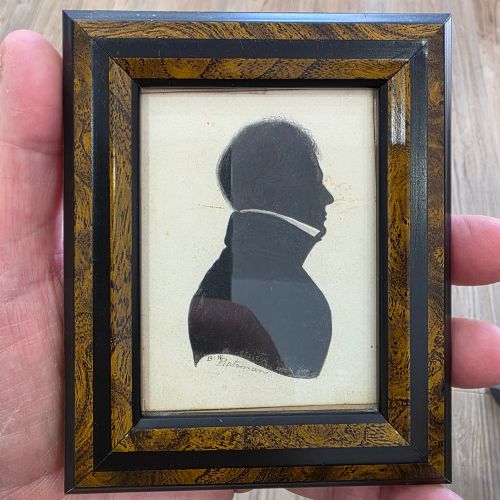
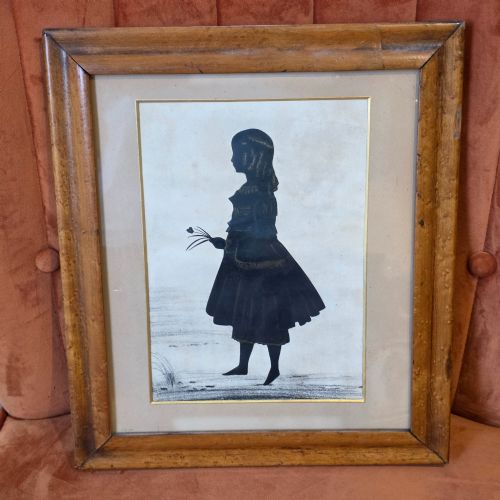
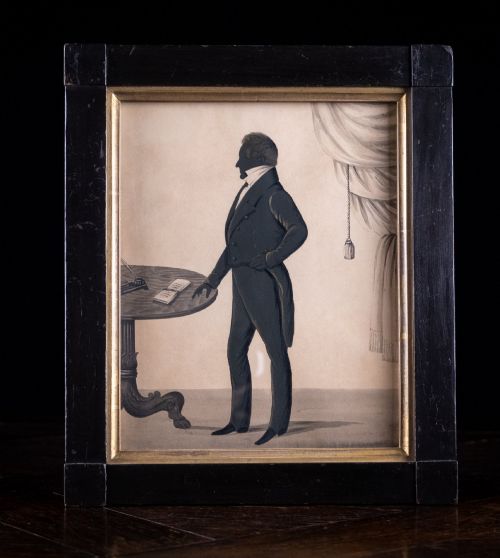
A 19th century profile portrait captures the distinct likeness of a sitter from the Georgian, Regency, or Victorian eras.
19th Century Profile Portrait
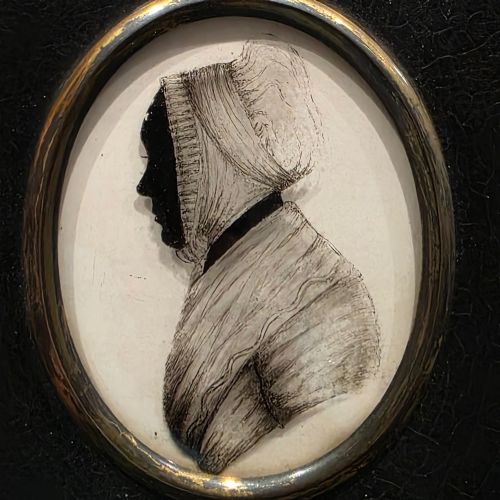
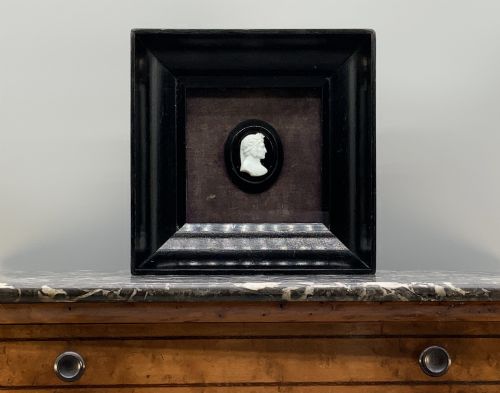
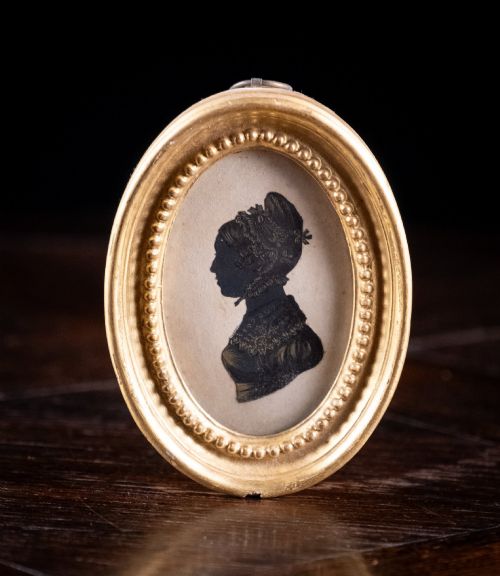
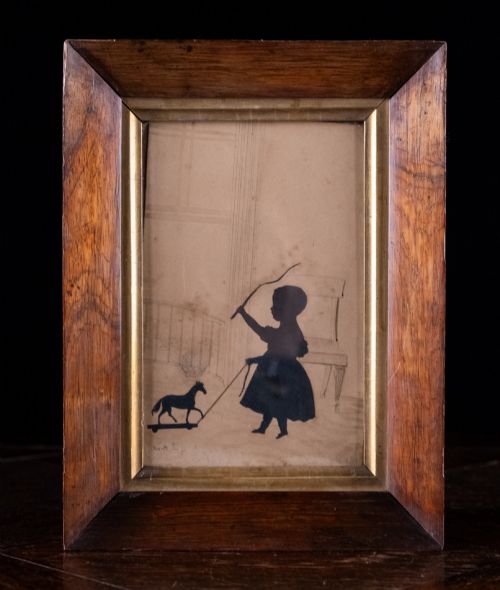
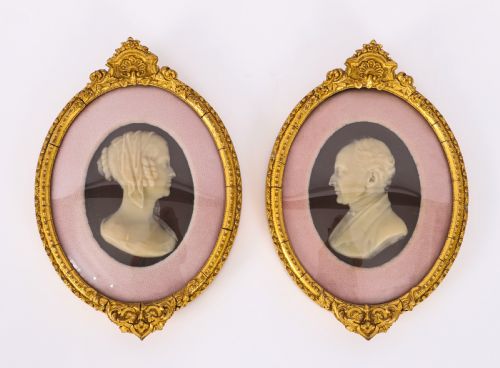
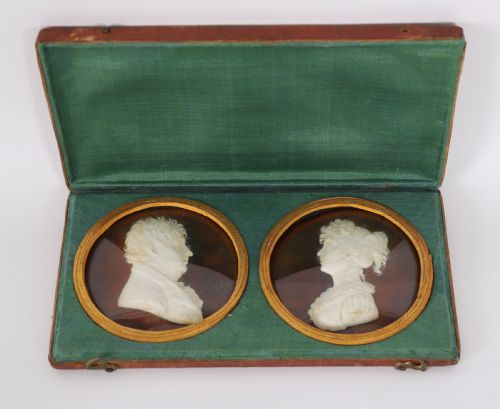
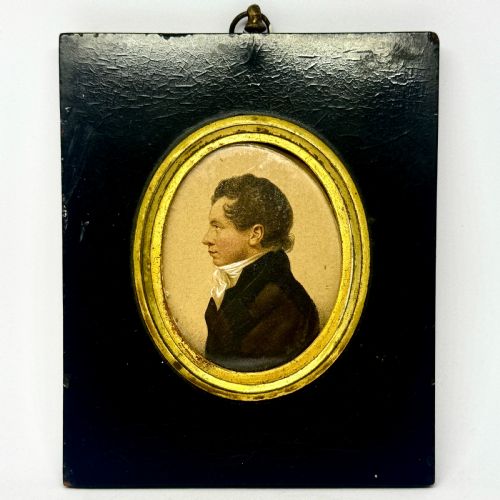
A 19th century profile portrait takes many forms across this page, ranging from cut-paper silhouettes and wax reliefs to detailed watercolour paintings and carved cameos. Collectors encounter intimate miniature works as well as larger framed pieces depicting individual sitters, pairs, or family groups.
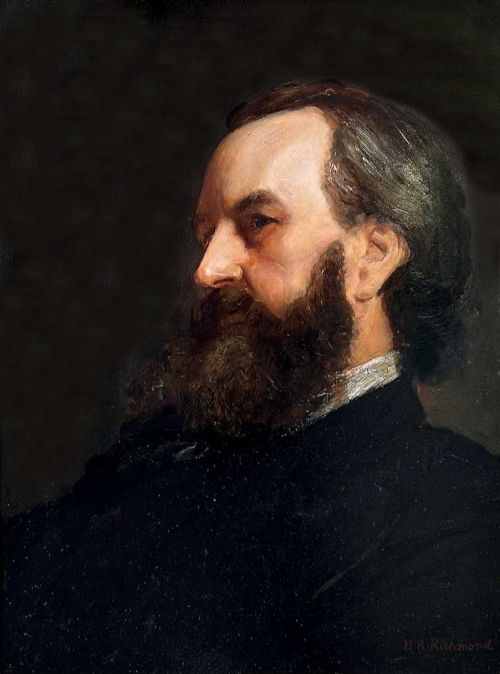
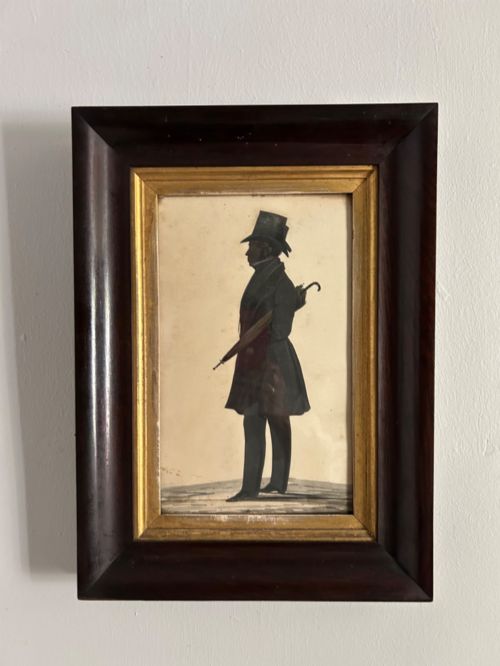
Silhouettes dominate the selection, executed in ink, painted on glass, or highlighted with gold leaf by notable artists and galleries. Alongside these paper works, buyers find carved ivory and marble plaques, shell cameos, and oil paintings focusing on the side profile.
Materials and Technique
Makers shaped these portraits using paper, card, and glass, often combining cut silhouettes with delicate ink or watercolour detailing and gold leaf highlights. Portrait miniatures and larger works frequently incorporate wood and ebonised or gilt frames.
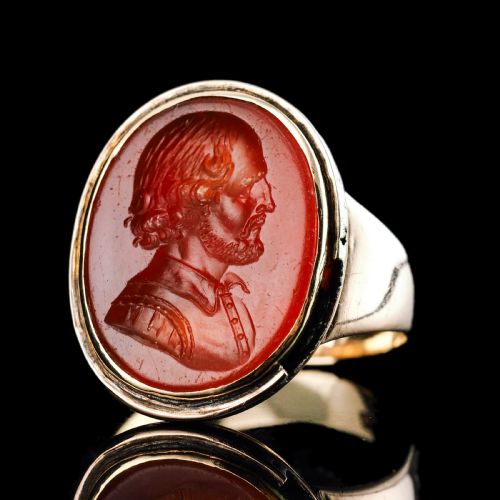
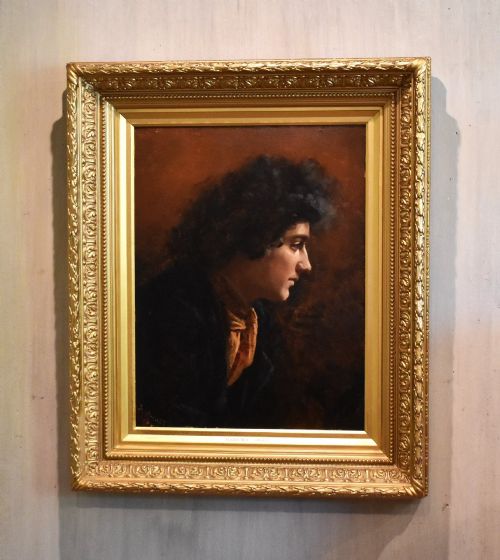
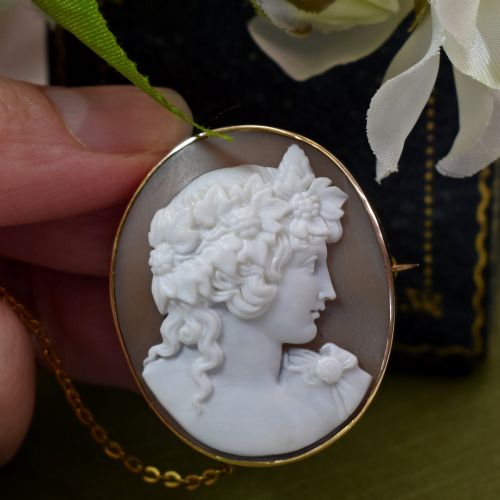
Sculptural profile works employ carved ivory, marble, wax reliefs, and shell cameos, sometimes mounted as wall plaques or set into jewellery such as 18K gold rings and brooches. Artists also applied oil paint, charcoal, and pencil to canvas, board, and J Whatman watermarked paper.
One determined canine managed to get its profile cut out by Augustin Edouart alongside human sitters.
Factors That Separate the Range
The precision of the cutting in silhouette works or the fine detail in carved ivory, marble, and shell cameos distinguishes finer examples from simpler studio pieces. The presence of contemporary signature work, named sitters, and documented provenance adds significant depth to a piece.
The preservation of the original materials, including glass, rosewood, and gilt frames, alters the character of the artwork. Subtle touches such as delicate gilding, accurate watercolour detailing, and untouched backing papers indicate higher execution standards.
Bateman·George Atkinson·Augustin Edouart·J Deacon·Alfred Darbyshire·John Smith·Florence Small·Bertram Priestman·James Dromgole Linton
The 19th Century Profile Portrait Glossary
- Silhouette
- A portrait depicted as a solid shape, usually black, showing a side view and often cut from paper or painted on glass. These works frequently feature gilded highlights.
- Portrait Miniature
- A small, highly detailed painting or drawing created on ivory, vellum, or card during the Georgian and Victorian periods. Such pieces were designed to be held or worn.
- Cameo
- A method of carving an object such as a shell or stone where a relief image stands out distinctly from a background of a different colour. Italian shell examples are common in 19th-century jewellery.
- Grand Tour
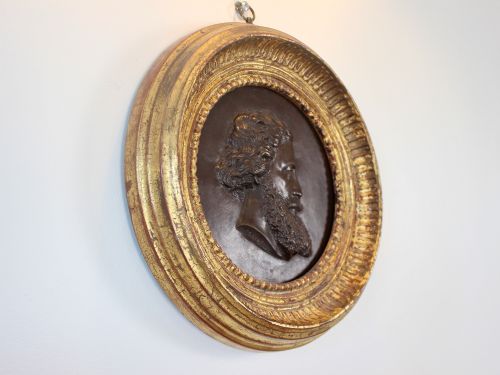
- A cultural trip undertaken by wealthy young Europeans visiting historical sites, bringing home souvenirs such as carved classical portrait plaques and wax reliefs.
- Intaglio
- A gem or stone carved so that the design sinks below the surface, allowing it to be used as a seal ring. These often displayed classical side profiles.
19th Century Profile Portrait: Frequently Asked Questions
How do I identify a silhouette maker?
Makers often signed their work directly on the paper, added handwritten labels on the reverse, or operated from known commercial galleries. Studios like the Hubard Gallery or artists such as Augustin Edouart left distinctive stylistic traits in their cut-paper work.
Examining the backing paper, framing style, and any contemporary inscriptions helps connect a piece to a specific hand or establishment from the period.
Where were profile portraits displayed?
Owners typically hung framed silhouettes and oil paintings in domestic parlours, hallways, or private studies alongside other family records. Miniature portraits and wax reliefs were often kept in protective cases or displayed on small easels.
Jewellery mounted with intaglios and cameos allowed sitters to wear profile portraits directly on their person as rings or brooches.
What is a conversation piece silhouette?
A conversation piece silhouette depicts multiple figures interacting within a single framed scene rather than a solitary bust. These complex compositions often show family members engaged in daily activities or sharing a room.
Produced by specialised galleries, these larger cut-paper works required exceptional skill to maintain scale and narrative detail across all sitters.
How do I care for antique paper silhouettes?
Paper and card works require protection from direct sunlight to prevent the fading of dark pigments and delicate watercolour highlights. Keeping them behind suitable glass away from damp environments preserves the original ground.
Original frames and fragile reverse-painted glass panels should remain undisturbed to maintain the structural integrity of the antique piece.