

19th Century Portraiture Art
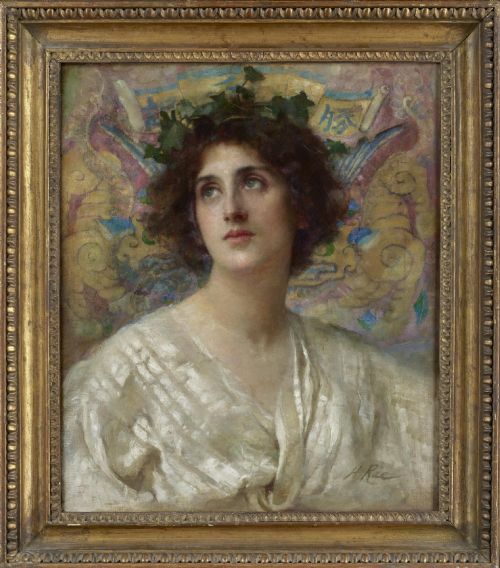
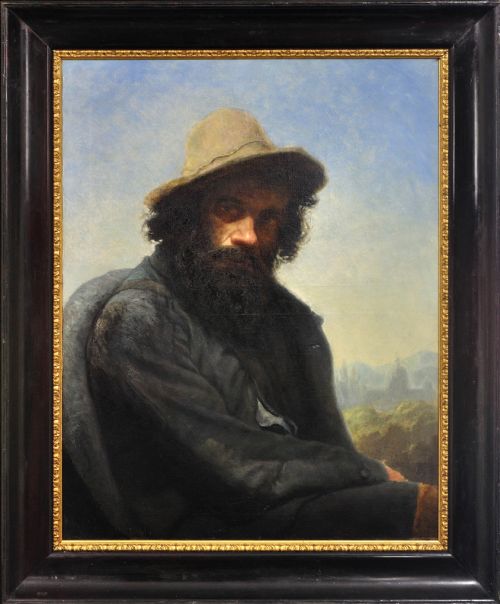
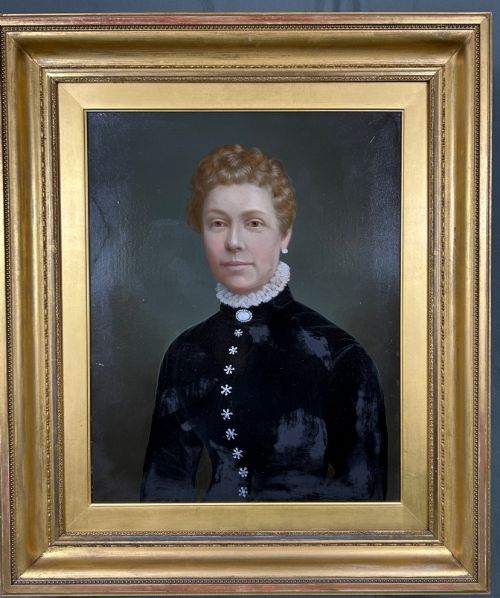
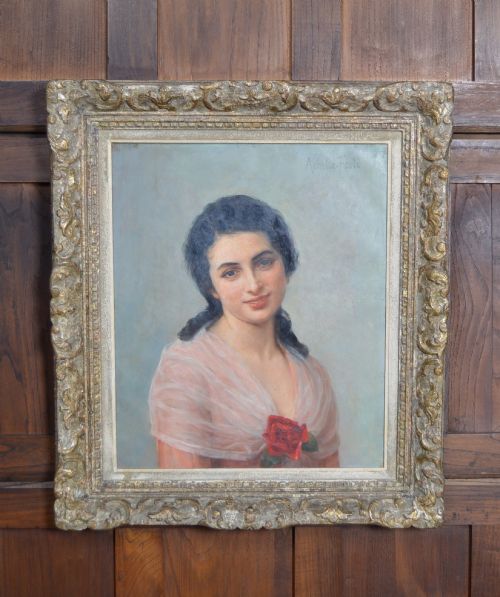
These oil paintings, watercolours and silhouettes capture faces and figures across the eras, making 19th century portraiture art a rewarding study for any collector.
19th Century Portraiture Art
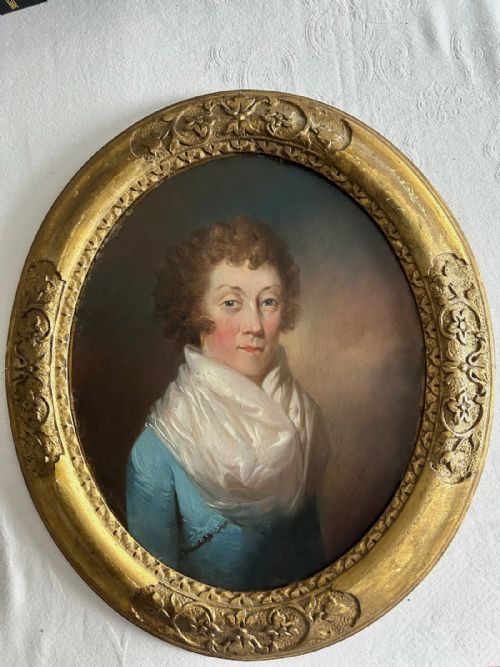
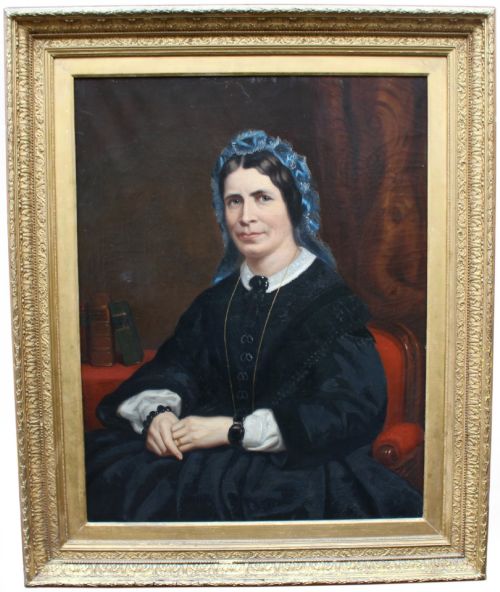
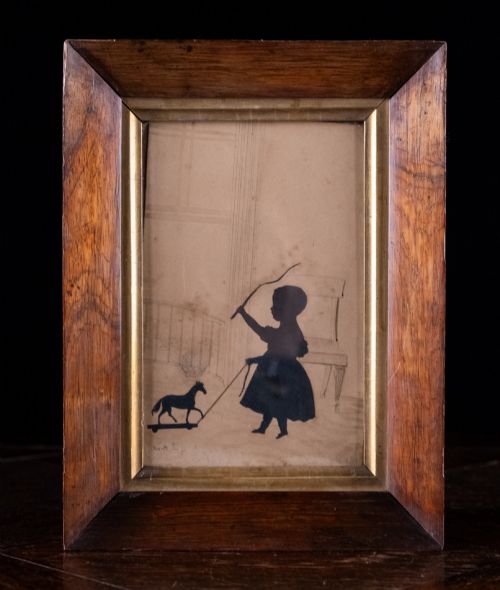
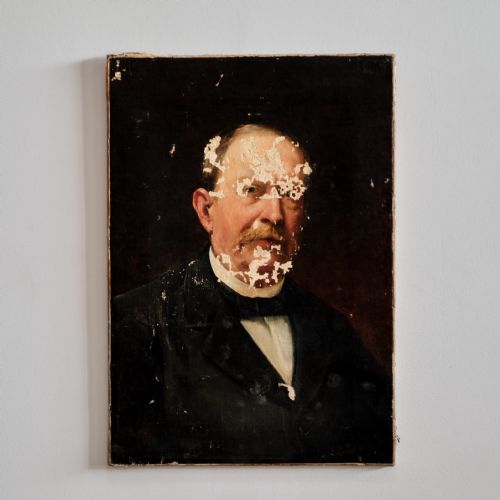
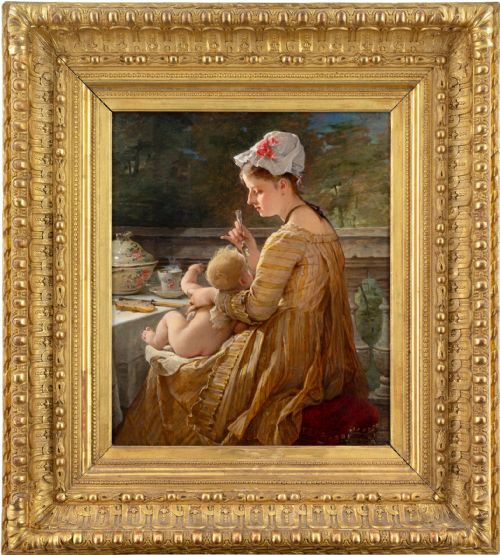
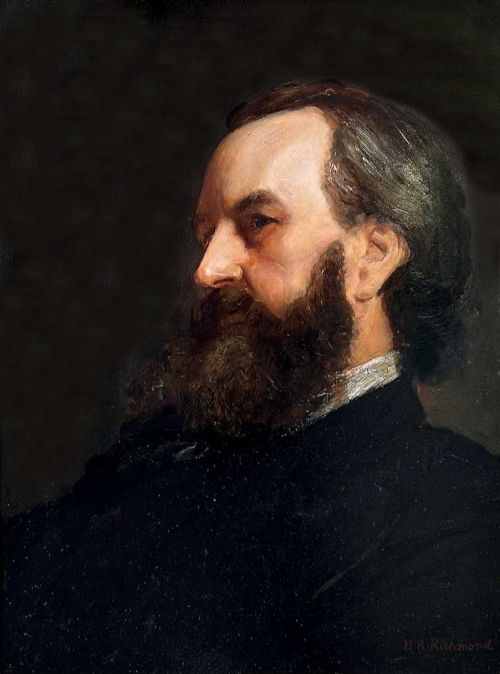
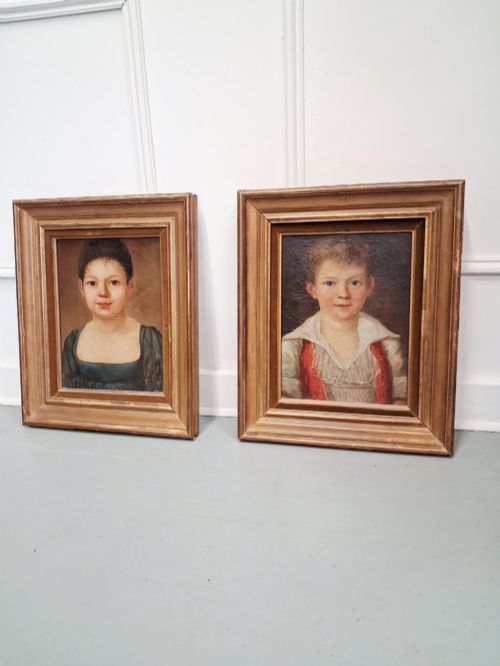
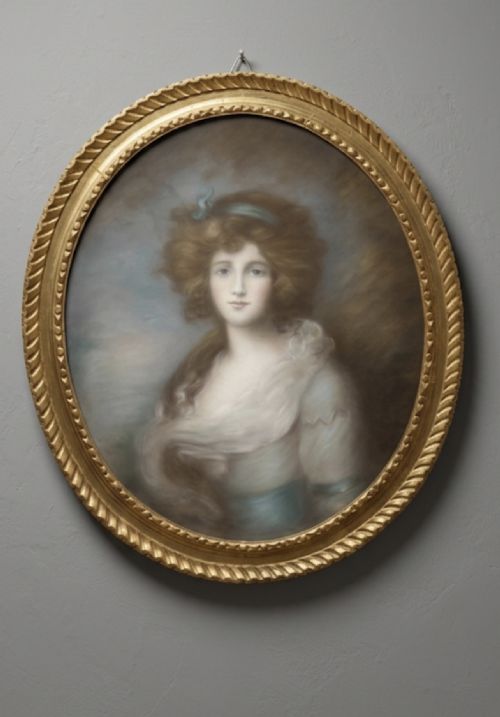
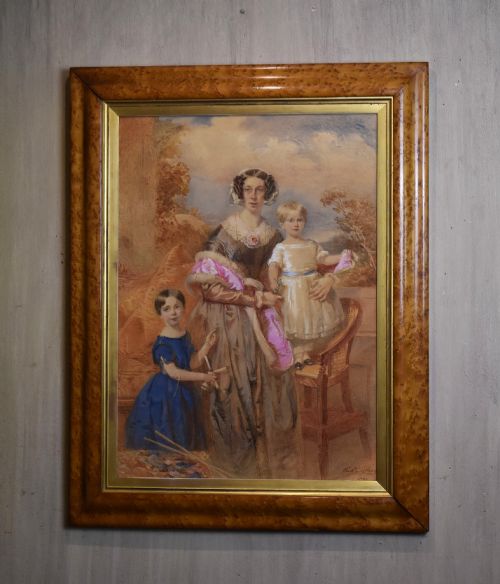
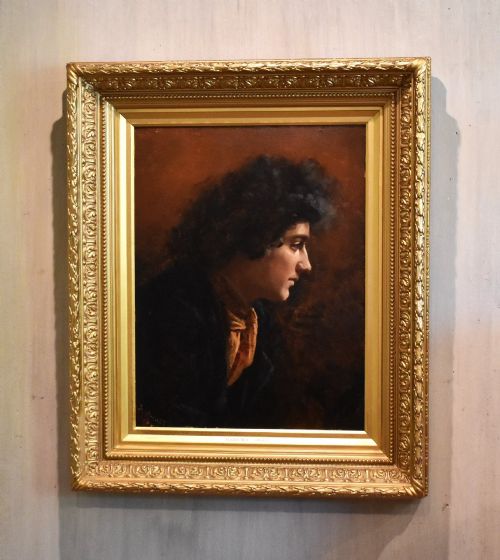
When you search for 19th century portraiture art, you encounter oil on canvas paintings, watercolours on paper, and framed silhouettes. The selection spans the Georgian, Regency, and Victorian periods, alongside academic, romantic, and realist movements.
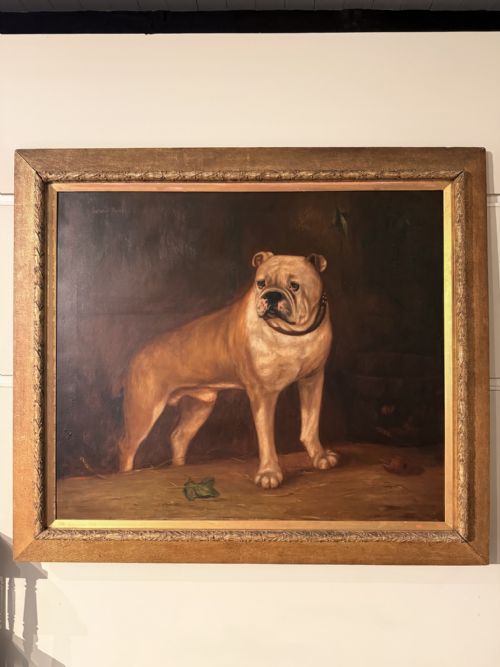
Most pieces depict single sitters or family groups, often framed in period giltwood or wood. You also find animal subjects such as horses and dogs captured in distinct painterly styles.
Materials and Construction
Artists of the period painted primarily with oil paint on canvas or board, whilst others utilised watercolour on paper. Canvases received layers of pigment to build depth in clothing, skin tones, and backgrounds.
Frames incorporate carved wood, gesso, and glass, often finished with gilt. These original surrounds protect the works and complete the visual presentation.
Listings feature works across the 19th century, Victorian, and Regency periods, utilising oil on canvas, paper, wood, glass, and gesso.
Factors Determining Quality
Quality rests in the handling of light, shadow, and the psychological presence of the sitter. Skilled portraitists captured nuanced expressions and realistic textiles such as silk, velvet, and lace.
The precision of the brushwork and the preservation of the original canvas and frame dictate the standing of an artwork. A well-rendered composition demonstrates a surer command of anatomical proportion and perspective.
Augustin Edouart·W.R. Waters·Adelaïde Salles-Wagner·William Blake Richmond·Albin Mattenheimer·Achille-Fould·Thomas Gainsborough·Frederick Tatham·Florence Small·Thomas Walker Bretland·Theodore Jensen·Edward Lloyd of Ellesmere·John Robert Dicksee·Robert Faulkner·William Oliver·Valentine Thomas Garland·Franz Xaver Winterhalter
The 19th Century Portraiture Art Glossary
- Oil on Canvas
- Pigment mixed with drying oil applied to a woven fabric support stretched over a wooden frame. This medium allowed artists to achieve rich colours and subtle gradations.
- Giltwood
- Wood carved and coated with a thin layer of gold leaf or metallic powder. It frequently forms the ornate frames surrounding Victorian and Regency paintings.
- Silhouette
- A solid dark profile image cut from paper or painted, often depicting a human likeness. This technique gained popularity before photography became widespread.
- Gesso
- A plaster-like mixture applied to wood surfaces to prepare them for gilding or painting. It provides a smooth base for intricate frame mouldings.
19th Century Portraiture Art: Frequently Asked Questions
How do I identify the period of a portrait?
Examine the sitter's costume, hairstyle, and framing materials. Regency and Victorian styles possess distinct silhouettes and colour palettes that align with prevailing fashions of those decades.
Paintings often bear signatures, dates, or canvas stamps on the reverse which narrow down the era of production.
Were these portraits always painted from life?
Many sitters posed in artists' studios for hours, whilst others relied on preliminary sketches or earlier portraits for reference. Royal and commissioned works typically involved direct observation.
Posthumous portraits were also common, painted from photographs or existing miniatures to commemorate family members.
How should I hang and light oil paintings?
Keep artworks away from direct sunlight and damp environments to protect the canvas and oil pigments. Stable room temperatures prevent the wood stretcher and gesso frames from cracking.
Use dedicated picture lights with low heat output to illuminate the canvas without causing fading or thermal damage.
What is the difference between academic and primitive styles?
Academic works reflect rigorous training in anatomy, perspective, and classical composition taught by official art academies. They emphasise realistic proportions and polished brushwork.
Folk art and primitive pieces display a charming simplicity and flatter perspective, created by self-taught painters working outside formal academic traditions.