




Gold Leaf Portrait Pair
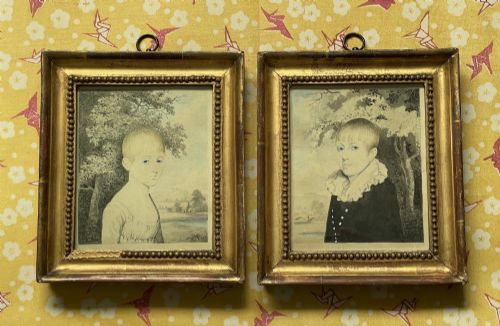
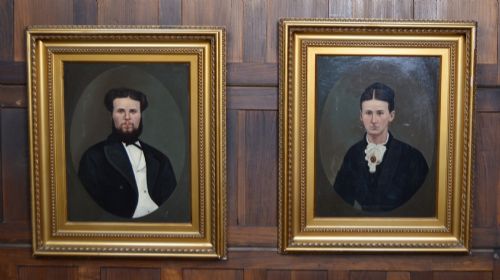
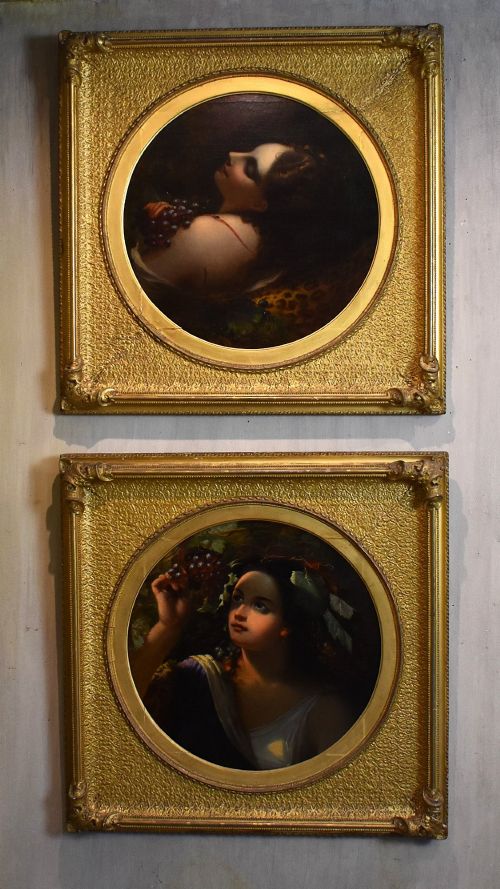
These gold leaf portrait pair items bring together matched likenesses and gilded framing from the eighteenth and nineteenth centuries.
Gold Leaf Portrait Pair
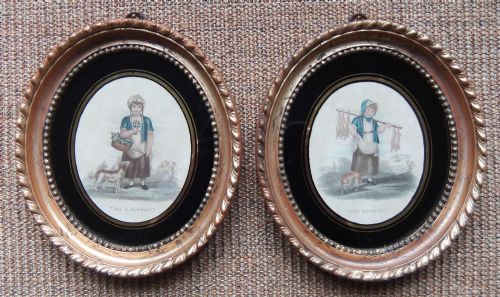
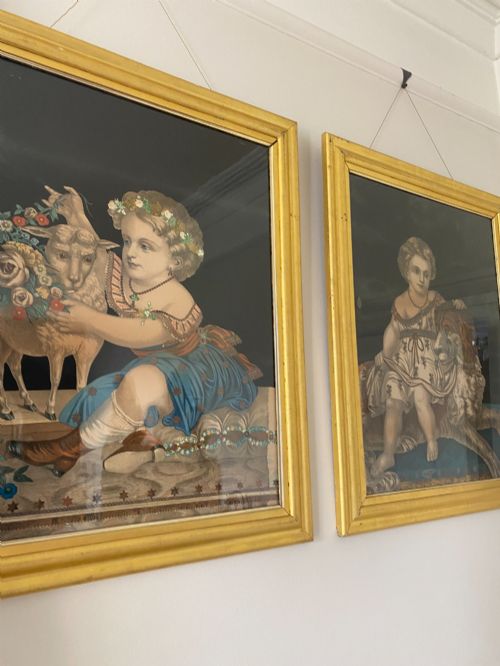
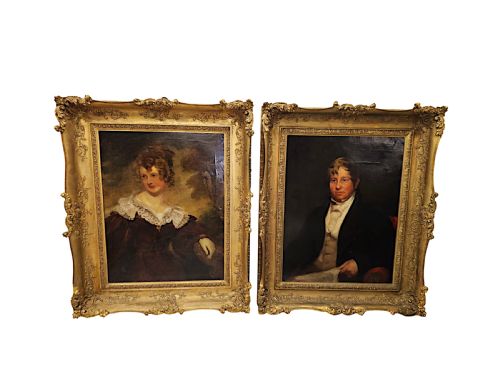
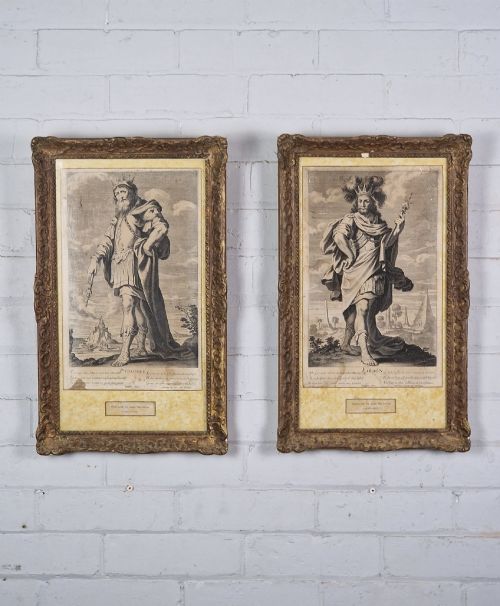
A gold leaf portrait pair consists of two companion likenesses presented together, often framed in giltwood or gilt metal to match. Buyers seeking a gold leaf portrait pair will encounter oil paintings, watercolours, portrait miniatures, and engravings spanning the eighteenth, nineteenth, and early twentieth centuries.
The subjects range from English and Irish country house sitters to children and historical figures, usually executed by regional artists or academic painters. These matched pairs offer a balanced symmetry suitable for display on either side of a mantelpiece or architectural feature.
How they were made
Makers utilised oil on canvas, watercolour on paper, and stipple engraving to capture the subjects, often mounting miniatures behind glass or within domed frames. Frames were constructed from wood and composition, then finished with applied gold leaf or gilt layers to achieve a bright reflective surface.
Paper silhouettes and Indian album pages demonstrate alternative methods of portraiture from the same periods, employing ink and opaque pigments alongside red, black, and gold details. Each medium required steady handwork, from the cut paper profiles to the fine brushstrokes of miniature painters.
Gold Leaf Portrait Pair Retail Price Guide 2026
Typical asking prices for gold leaf portrait pair among the pieces listed under this phrase on Sellingantiques today, from the lower quarter to the upper quarter. They describe what is for sale here now, not the wider market.
Children occasionally appear clutching shoes or tambourines, proving that keeping youngsters still for a portrait required unusual props.
What varies in quality
The finesse of the brushwork and the accuracy of the facial proportions distinguish finer portrait pairs from simpler commercial output. Superior pieces display a subtle handling of light and expression, whereas lesser examples rely on formulaic rendering.
The quality of the surrounding frames varies significantly, with hand-carved giltwood mouldings representing a higher standard of craftsmanship than moulded composition frames. Intact original gilding and undamaged glass contribute substantially to the preservation and visual impact of the work.
James Sharples·George Hargreaves·Ozias Humphry·Federico Andreotti·John Mc Ghie
The Gold Leaf Portrait Pair Glossary
- Giltwood
- Wood that has been coated with a thin layer of gold leaf or gold paint. This technique was widely applied to picture frames during the Georgian and Victorian periods to impart a bright metallic sheen.
- Portrait miniature
- A small, highly detailed painting on ivory, vellum, or paper, designed for intimate viewing. These works frequently appear in matched pairs to commemorate couples or family members.
- Stipple engraving
- A printmaking technique where an image is formed by a multitude of small dots rather than continuous lines. This method allowed printmakers to render soft flesh tones and facial shadows with notable delicacy.
- Composition
- A moulded material made from a mixture of whiting, resin, glue, and oil, pressed into wooden moulds to form decorative frame ornaments. It provided a cost-effective alternative to hand-carved wood.
- Companion pair
- Two distinct artworks created as a matching set, sharing a common subject matter, scale, and framing style. They are intended to be hung together to create visual balance on a wall.
Gold Leaf Portrait Pair: Frequently Asked Questions
How should I hang a matched pair?
Hang the two portraits at eye level with equal spacing between them, ensuring they catch ambient light without direct exposure to harsh sunshine. Many collectors place them on either side of a central mirror or fireplace to maintain symmetry.
Check the weight of the frames before selecting picture hooks, particularly for larger giltwood examples which require secure wall fixings. Keeping both pieces out of damp environments protects the paper grounds and oil mediums over time.
What periods do these portraits represent?
The listings span from the early eighteenth century through the Georgian and Victorian eras, extending to turn-of-the-century works around nineteen hundred. Earlier examples often feature oil on canvas or delicate miniatures, while later nineteenth-century pieces include academic oils and detailed engravings.
Examining the backing materials, frame construction styles, and signatures helps date each piece more precisely. Matching pairs from the same studio generally reflect the prevailing aesthetic of their specific decade.
Are these works painted by known artists?
Several pieces are attributed to recognised painters and miniaturists, while others originate from regional English and Irish schools of portraiture. Signatures or archival records on the reverse often provide clues to the creator's identity.
Anonymous works still hold strong decorative and historical interest, capturing the likenesses of sitters whose clothing and hairstyles document past fashions. The quality of execution remains the primary guide to a portrait's artistic merit.
How do I care for antique gilt frames?
Dust the giltwood surfaces gently with a soft, dry brush to prevent the accumulation of grit in the carved details. Avoid using liquid cleaners or chemical polishes, which can strip away the delicate gold leaf layers.
Maintain stable room temperatures and moderate humidity to prevent the underlying wood and composition from warping or cracking. Professional framing conservators can stabilise loose ornament if structural issues arise.