



Antique Ancestor Portrait
An antique ancestor portrait captures a distinct presence from the past, offering a direct encounter with individuals immortalised through paint, silk, and paper.
Antique Ancestor Portrait
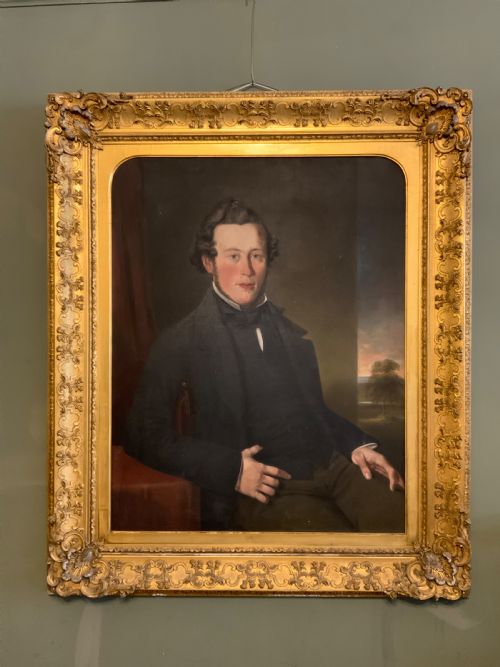
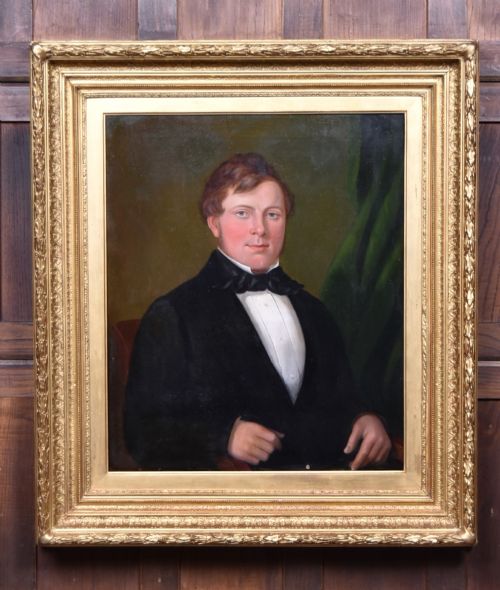
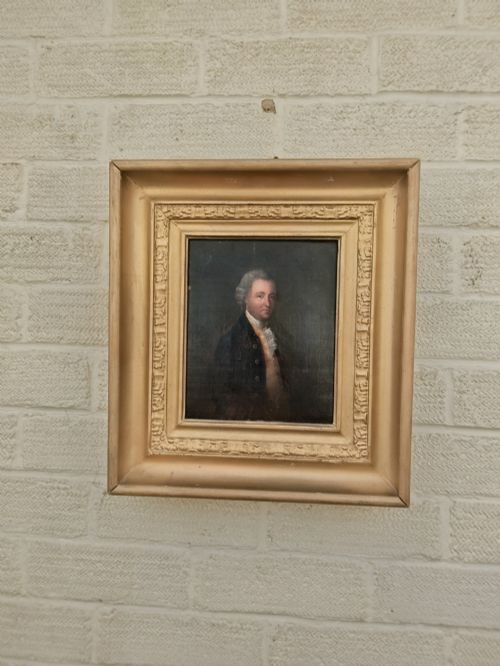
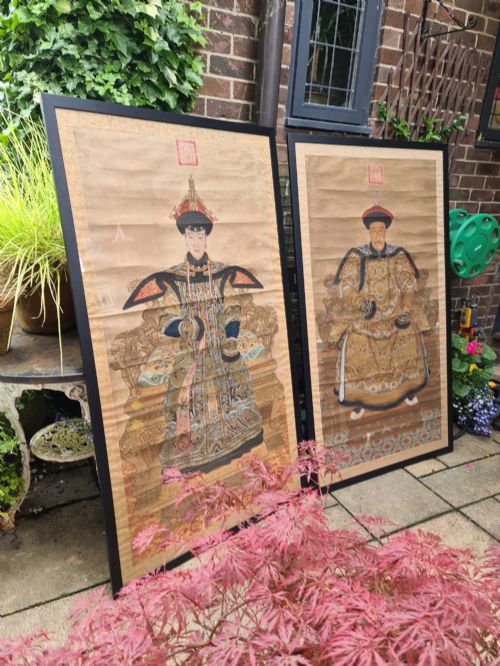
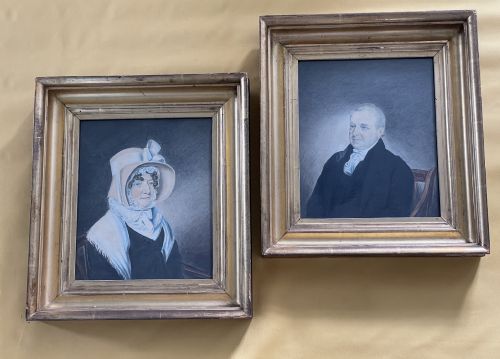
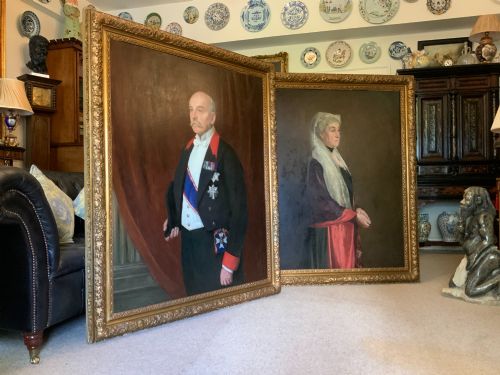
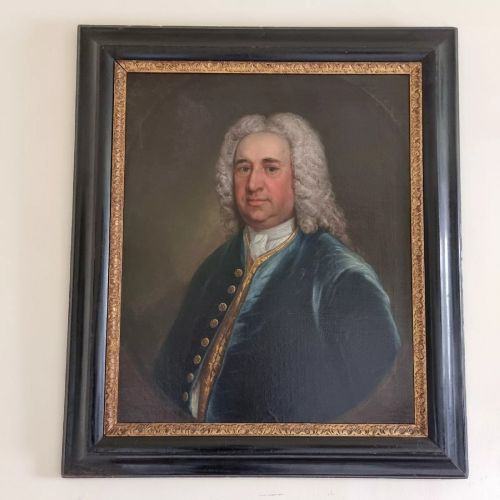
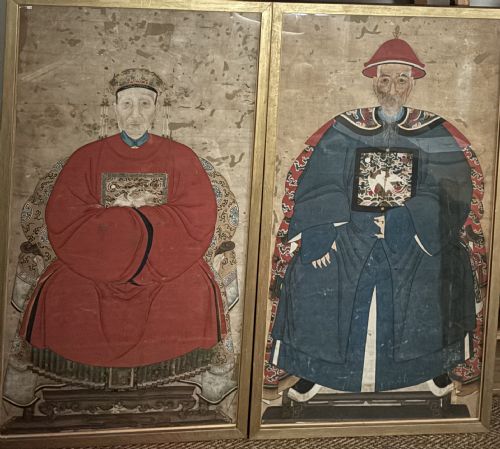
An antique ancestor portrait encompasses various forms of commemorative likenesses, ranging from British and European oil paintings on canvas to Chinese ancestral scrolls and reverse glass paintings. When exploring an antique ancestor portrait on this page, buyers frequently encounter traditional oils of gentlemen in frock coats alongside framed Chinese scroll paintings and watercolour studies.
The materials and origins span the eighteenth, nineteenth, and early twentieth centuries, reflecting diverse cultural traditions of remembrance. Pieces appear from British, American, Scandinavian, and Chinese workshops, uniting varied artistic methods in the singular pursuit of preserving a likeness.
Forms vary from individual paintings to matched pairs and grouped family compositions, utilising wood frames, glass protection, and silk elements. Each antique ancestor portrait serves as a visual record, maintaining the memory of sitters through distinct regional styles such as Qing Dynasty works, Georgian portraiture, and American folk art.
Materials and techniques
Makers built these works using traditional supports such as canvas, heavy paper, silk, and glass, applying oil pigment, watercolour, and gold leaf to define the subject. Artists working in oil utilised stretched canvas within wooden frames, while Eastern traditions incorporated silk woven elements and scroll mounting.
Geographic origins range widely across British, American, Scandinavian, and Chinese traditions of portraiture.
Understanding quality
The integrity of the original materials, including untouched pigments and period frames, elevates a piece. Works retaining their initial mounting, such as original scroll hardware or early wooden surrounds, present greater authenticity than those altered over time.
The Antique Ancestor Portrait Glossary
- Oil on Canvas
- A traditional painting medium where pigment mixed with drying oil is applied to a woven fabric stretched across a wooden frame. This surface allowed artists to build rich textures and subtle tonal gradations.
- Scroll Painting
- A portable East Asian artwork format designed to be rolled up when not displayed on a wall. These pieces often feature ink and colour on silk or paper.
- Reverse Glass Painting
- An artistic technique where the image is painted directly onto the back of a glass pane. When viewed from the front, the glossy surface imparts a distinct brilliance to the colours.
- Folk Art
- Artistic work created within a traditional culture by self-taught or untrained makers. These portraits often emphasise bold outlines and direct character over academic proportion.
Antique Ancestor Portrait: Frequently Asked Questions
How should I hang an ancestor portrait?
These works require stable wall spaces away from direct sunlight and excessive moisture to protect delicate pigments and paper supports.
Secure hanging hardware suitable for the weight of heavy frames, particularly for large oil paintings and framed scrolls.
Are Chinese ancestor scrolls fragile?
The historic silk and paper materials demand careful handling to prevent tearing or creasing along the mounting.
Displaying them in environments with stable humidity levels helps preserve the integrity of the fabric and pigment.
What is folk art portraiture?
Folk art portraiture refers to works created outside formal academic traditions, often displaying charmingly direct perspectives and unpretentious character.
These pieces derive their appeal from naive charm rather than strict adherence to classical proportions.
How do I identify the period of a portrait?
Clothing styles, hairstyles, and framing techniques offer immediate visual clues to the decade in which the sitter was painted.
Examining the stretcher bars, canvas type, and backing materials provides further confirmation of the era.