

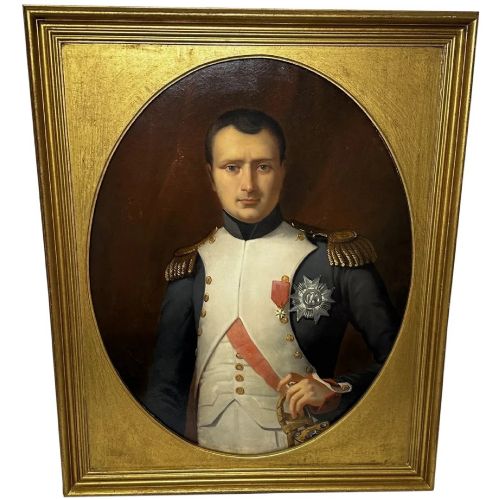
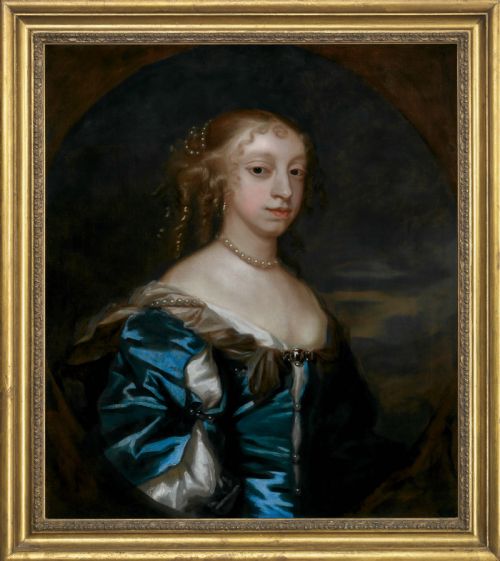
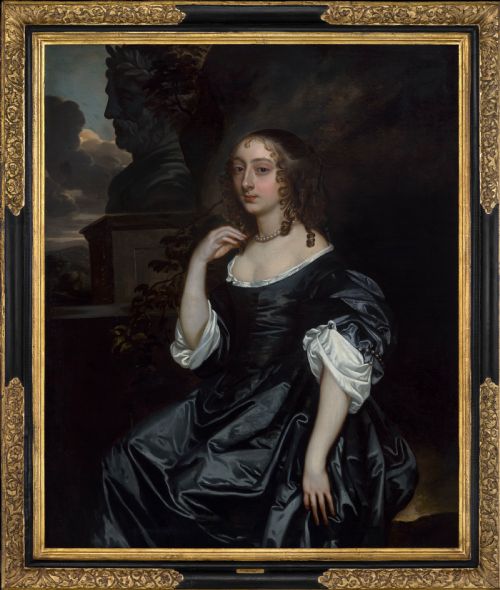
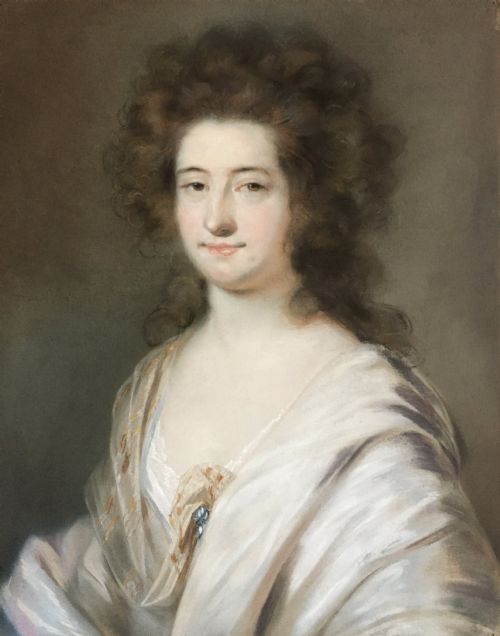
Historical Fine Art Painting
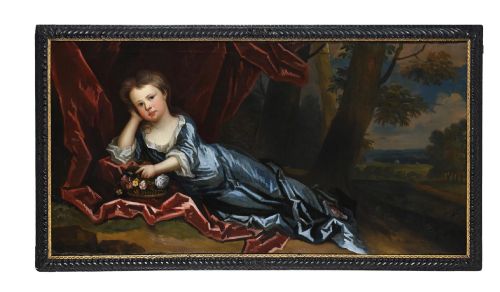
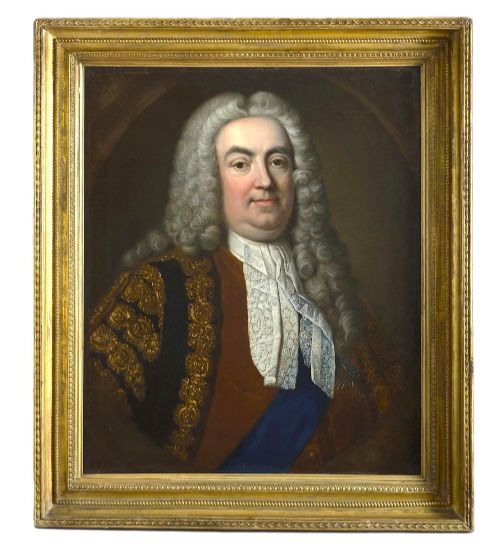
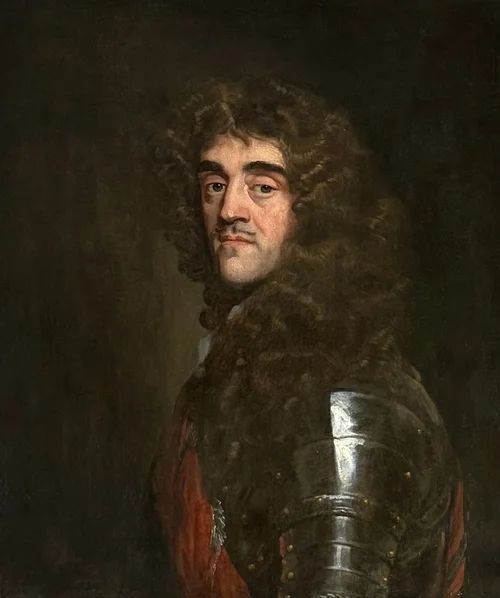
When you search for historical fine art painting, you enter a world of oil on canvas portraits, genre scenes, and framed prints spanning centuries of visual record.
Historical Fine Art Painting
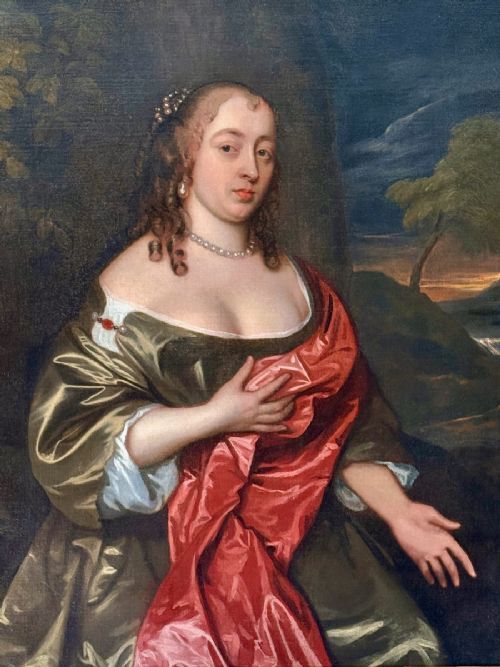
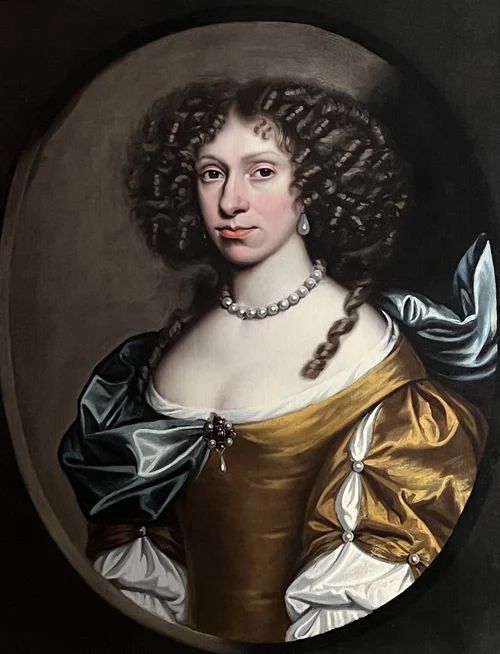
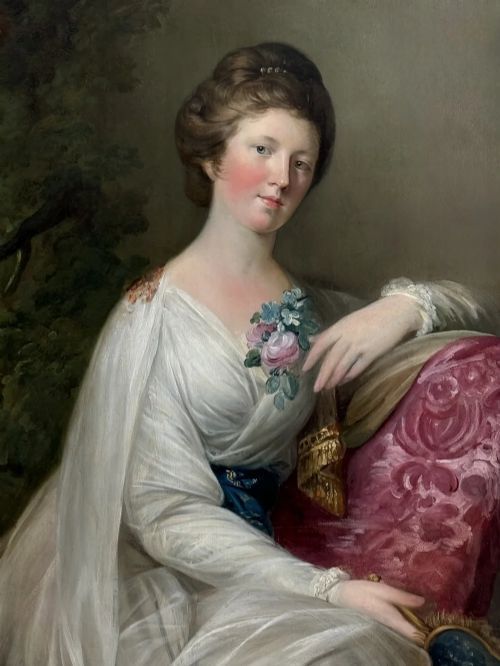
A historical fine art painting represents figures, social history, and documented likenesses rendered predominantly in oil paint on canvas or panel. The pieces found here stretch from the seventeenth century through the Victorian era and into the early twentieth century.
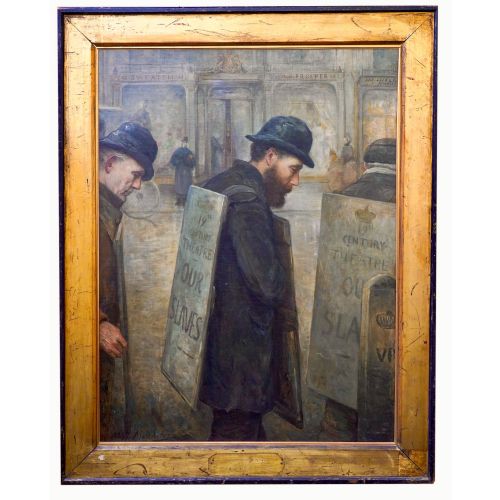
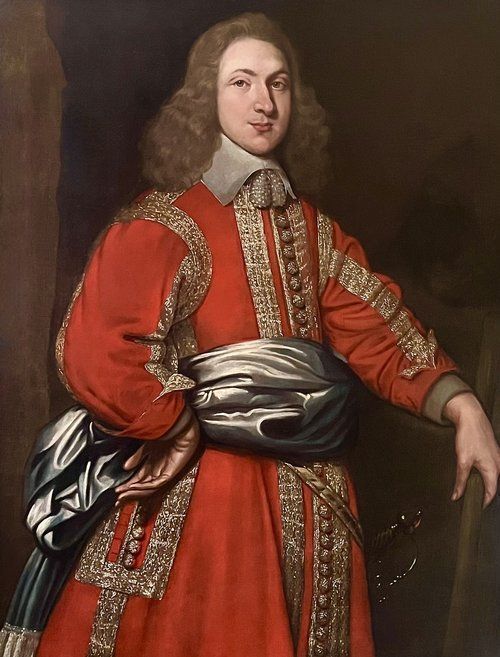
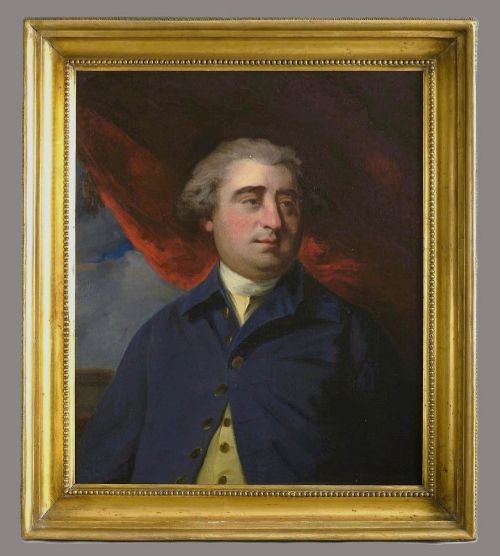
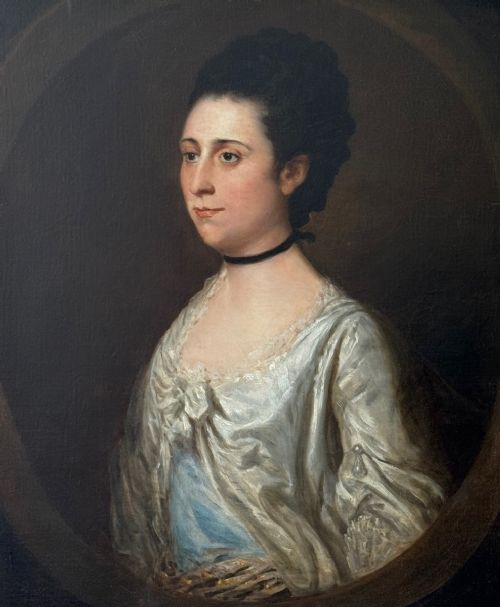
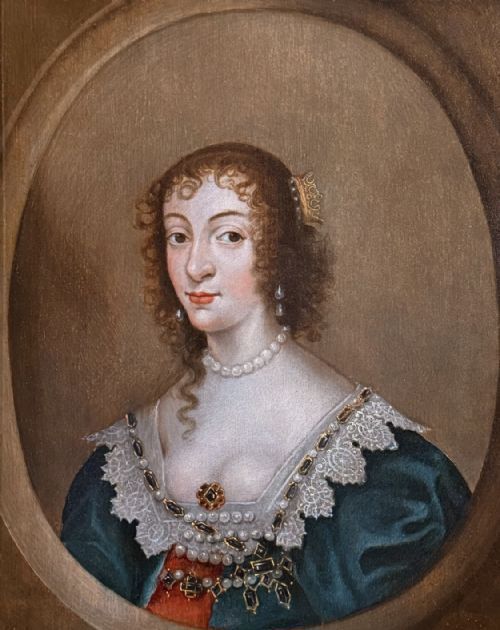
Buyers encounter numerous portraits of gentlemen, ladies, and military officers executed by British, Dutch, and continental schools. Alongside these formal works sit genre scenes depicting domestic interiors, historical narratives, and social realism from later periods.
The assortment includes works from named masters, studio circles, and regional schools working within Georgian, Baroque, and Victorian traditions. Portrait miniatures and pastel portraits also appear alongside large oil works housed in period giltwood frames.
Materials and methods
Framing forms an integral part of the physical object, employing carved and gilded wood known as giltwood to house and protect the canvas. Pigments derived from natural minerals and oils dictate the palette seen in seventeenth and eighteenth-century works.
Several portraits capture subjects sporting elaborate lace ruffs and velvet doublets that must have taken hours to sit still for.
Distinctions in quality
Provenance and documentation establish the historical weight of a piece, separating works tied directly to known sitters and documented artists from anonymous school portraits. The preservation of the original canvas support and the integrity of the paint layer also dictate standing.
JOHN HAYLS·DAVID SCOUGALL·Felix Stone Moscheles·JAMES SHARPLES·GEORGE WILLISON·Sir Peter Lely·John Russell·Sir Joshua Reynolds·THOMAS BEACH·Sir Van Dyck·Charles D’Agar·Jean Baptiste Van Loo·JOHN GREENHILL·John Closterman·W.D.ALMOND·Sir Allan Ramsay·Robert Byng·SIR WILLIAM BEECHEY·Sir John Gilbert·Johann David Wechsler·Francis Hayman·James Hamilton·Thomas Spinks·George Watson·Harold Knight
The Historical Fine Art Painting Glossary
- Oil on canvas
- A painting technique where pigmented oil paint is applied to a woven canvas support stretched over a wooden frame. This method allows for subtle blending and rich texture.
- Giltwood
- Wood carved and coated with gold leaf or gold paint, frequently used for antique picture frames. It provides an ornate border that complements the artwork.
- Portrait miniature
- A small, highly detailed painting depicting a specific person, often created on vellum, card, or ivory during the eighteenth century.
- Genre painting
- A work depicting scenes from everyday life, ordinary people, or historical narratives rather than formal portraiture or religious subjects.
- Baroque
- An artistic style prevalent in the seventeenth and eighteenth centuries characterised by drama, deep shadow, and dynamic movement.
Historical Fine Art Painting: Frequently Asked Questions
How do I identify a seventeenth century portrait?
Seventeenth century portraits often feature specific clothing markers such as white ruffs, embroidered doublets, lace collars, and dark backgrounds. The sitter's posture and the style of the canvas preparation offer further clues to the period.
You should examine the stretcher frames and canvas weave, as older works display hand-woven textures and square-headed or handmade nails. Signatures or contemporary inscriptions on the reverse also help confirm the era.
What is the difference between an oil on canvas and an oil on panel?
Oil on canvas involves applying paint to a woven fabric stretched on a wooden frame, which became the standard medium for large portraits and historical scenes. Oil on panel uses a solid piece of wood as the support, common in earlier periods.
Panel paintings provide a rigid surface that alters how the paint ages and cracks over centuries. Canvas offers flexibility, though it requires careful tension management to prevent sagging.
How should I care for an antique oil painting?
Antique oil paintings require stable indoor humidity and protection from direct sunlight to prevent the canvas from drying and the paint from cracking. Dusting should be done gently with a soft, dry brush by professionals.
Avoid hanging paintings near heat sources or damp walls, as temperature fluctuations cause wood panels to warp and canvas to expand or contract. Professional conservation is recommended for any cleaning.
What distinguishes studio work from a master's own hand?
Studio works were produced by assistants and apprentices under the supervision of a master artist, often replicating popular portraits of nobility or statesmen. The primary hand focused on key areas while assistants completed drapery and backgrounds.
Brushwork in studio pieces can appear slightly stiffer or more formulaic compared to the confident, fluid strokes found in a signed prime version by the master. Examining the subtlety of facial expression reveals these nuances.