
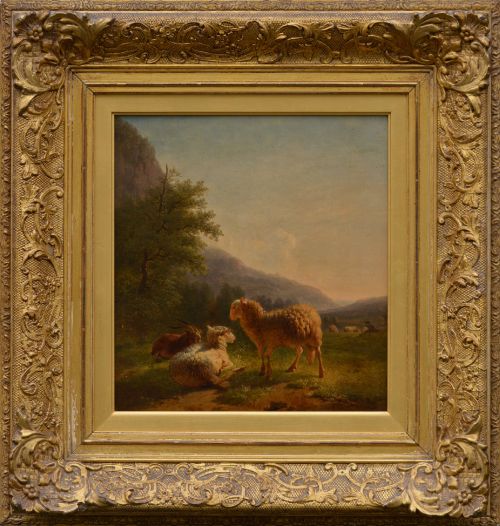
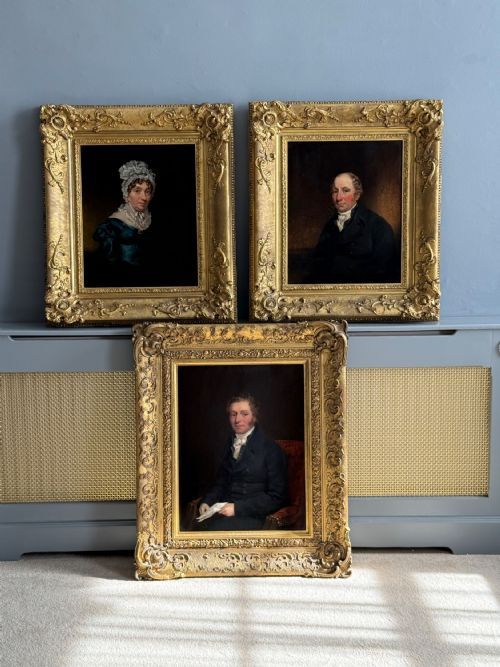
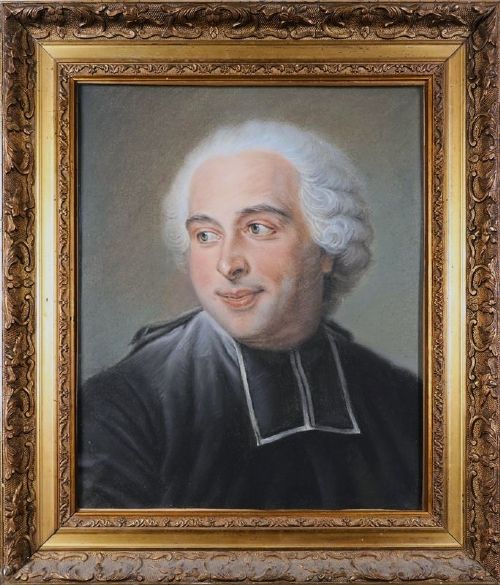
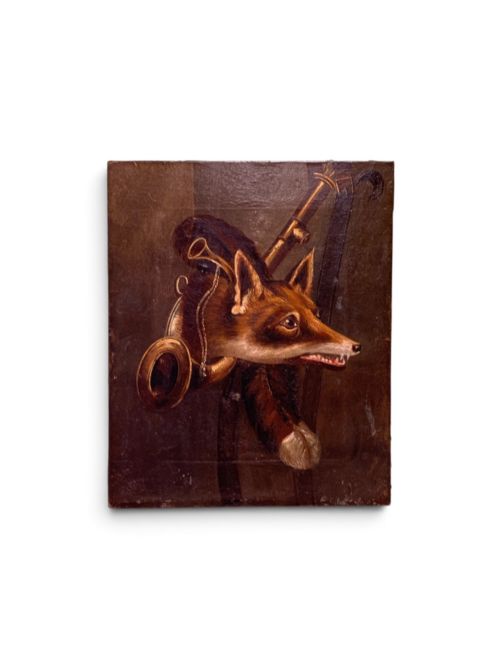


19th Century Portrait Artwork
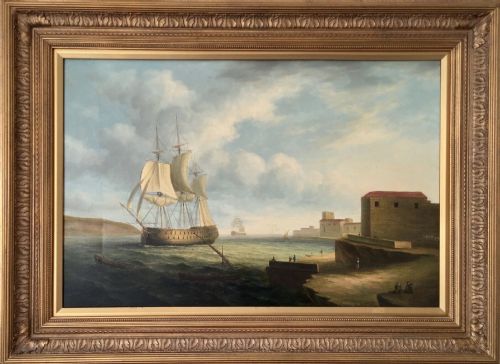
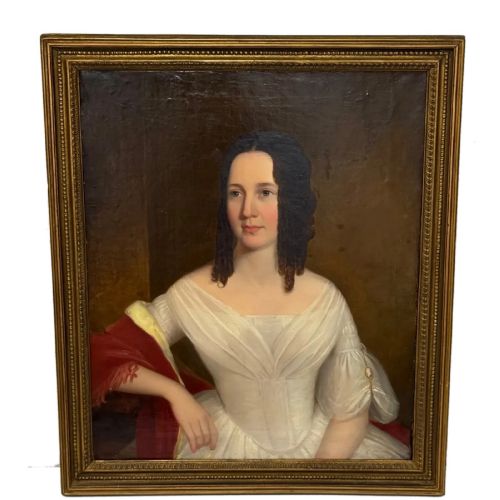
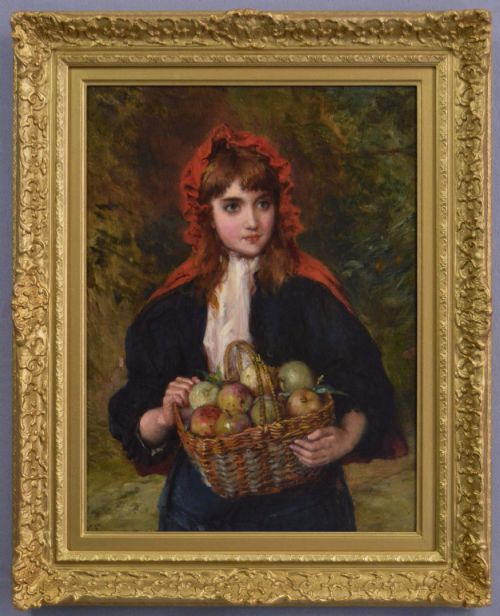
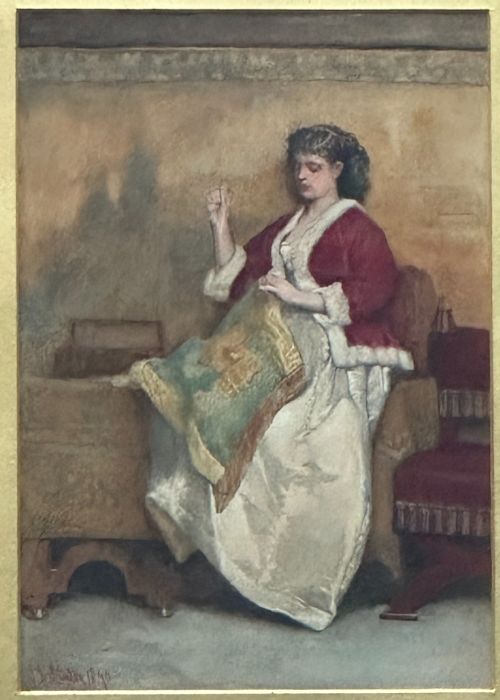
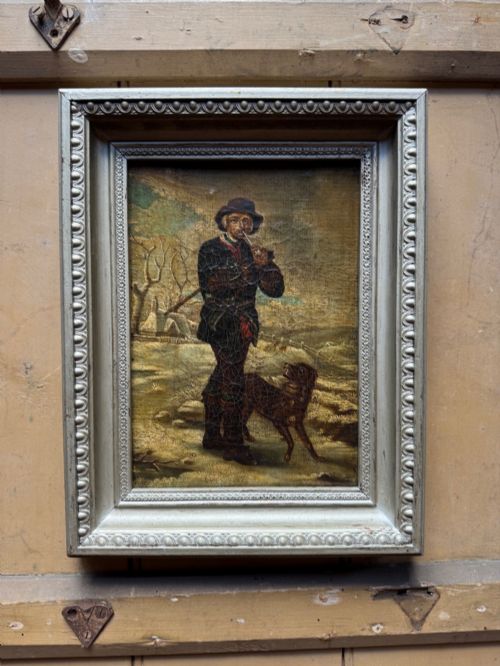
These 19th century portrait artwork pieces capture living likenesses through oils, watercolours, and cut paper.
19th Century Portrait Artwork
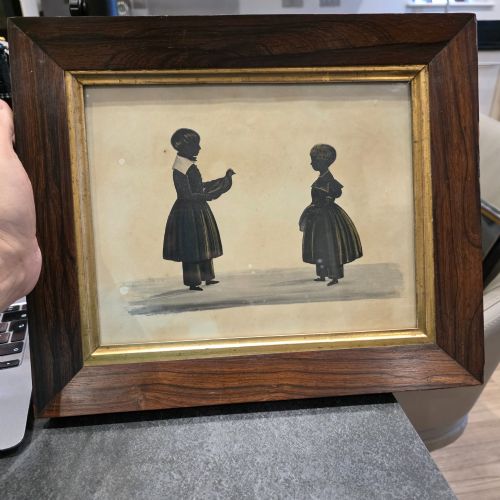
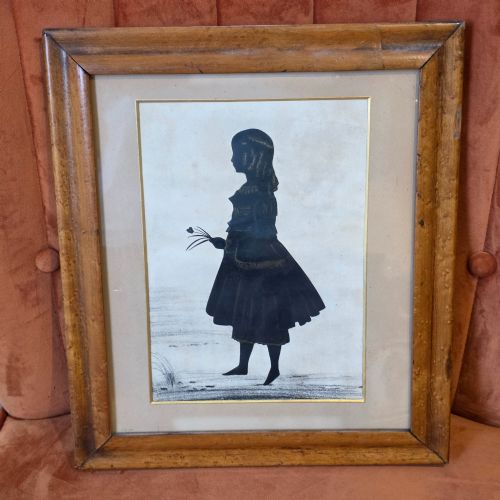
When searching for 19th century portrait artwork, buyers encounter framed oils on canvas, detailed watercolours, and delicate cut-paper silhouettes. These works capture specific sitters, from Regency gentlemen and ladies to children and officers, often reflecting academic or realist traditions of the period.
The selection ranges from intimate pencil and watercolour sketches to large oil paintings on panel or canvas. Many pieces arrive housed in their original giltwood or burr maple frames, preserving the complete aesthetic of the Victorian and Regency eras.
Materials and methods
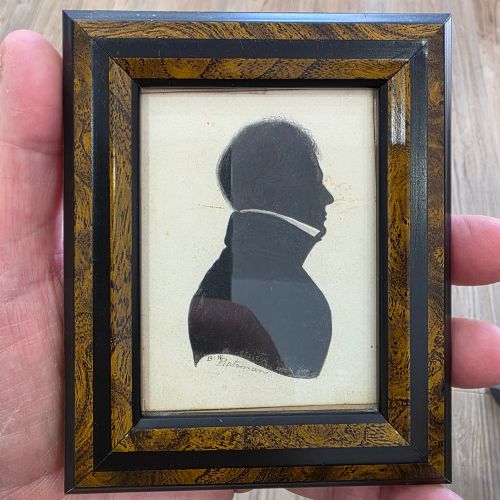
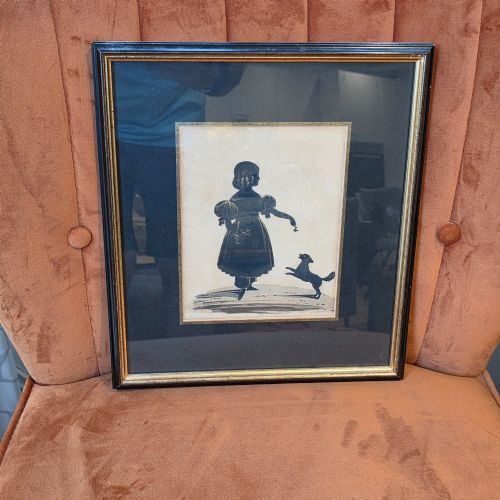
Silhouette portraits utilised precision cutting tools on black paper, sometimes enhanced with watercolour washes, gold leaf, and inked details. These works were protected behind glass and secured within custom wooden frames to prevent moisture damage.
Materials represented across the inventory include oil on canvas, giltwood, cut paper, gold leaf, and burr maple.
Distinctions in quality
The calibre of a portrait rests upon the artist's ability to render facial expression, bone structure, and fabric textures with conviction. Superior examples display confident brushwork or precise paper cutting that brings the sitter to life, whereas weaker pieces appear stiff and formulaic.
Original framing significantly influences the standing of a piece, with period giltwood or burr maple surrounds adding historical integrity. Condition also plays a role, as untouched surfaces without excessive restoration retain more of the creator's original hand.
William James Hubard·Eugène Verboeckhoven·Joseph Clover·Sir James Dromgole Linton·Valentine T. Garland·Reginald Arthur Borstel·Vittorio Reggianini·Leon Sprinck·Edouard Pingret·Samuel De Wilde
The 19th Century Portrait Artwork Glossary
- Silhouette
- A solid profile portrait, typically cut from black paper or painted in monochrome against a contrasting background. Popular during the Regency and Victorian periods before photography became widespread.
- Giltwood
- Wood carved and coated with gold leaf or metallic powder to create a bright, reflective frame finish. This technique was standard for framing fine art throughout the 19th century.
- Pith painting
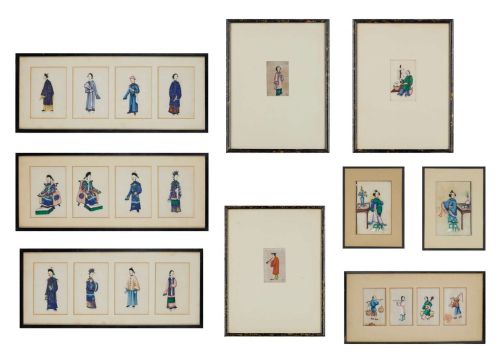
- Watercolour artwork executed on thin, delicate plant pith paper, commonly produced in 19th-century China for Western export markets. These pieces feature vibrant pigments applied to a translucent organic surface.
- Panel painting
- An artwork created on a solid wooden support rather than flexible canvas. Artists favored wood panels for smaller, highly detailed compositions during the Georgian and Regency eras.
- Academic
- A style of painting and sculpture produced under the influence of European academies of art. Works in this vein adhere to strict classical standards of composition, proportion, and finish.
19th Century Portrait Artwork: Frequently Asked Questions
How do I care for antique watercolours?
Keep watercolours away from direct sunlight to prevent the pigments and paper from fading over time. Display them in rooms with stable humidity levels to protect both the paper and the original frame.
Ensure the glazing is intact and that the artwork does not press directly against the glass, which can cause condensation damage. Professional framing with acid-free backing materials safeguards the piece for decades.
What is a silhouette portrait?
A silhouette is a profile likeness, usually cut from dark paper or painted in solid black against a light background. These portable portraits gained immense popularity during the late 18th and early 19th centuries.
Artists often added subtle gold leaf highlights to clothing or hair to create dimension within the flat black shape. They were frequently mounted in small wood or papier-mâché frames for domestic display.
Are these oil paintings on canvas or panel?
Nineteenth-century paintings utilise both woven canvas stretched over wooden frames and rigid wooden panels. Canvas was standard for larger works, allowing artists to achieve grand scales for domestic or institutional display.
Smaller portraits were frequently painted on prepared wood panels, which provided a smooth, stable surface for fine detail work. Both supports show distinct craquelure patterns as the oil medium ages naturally.