
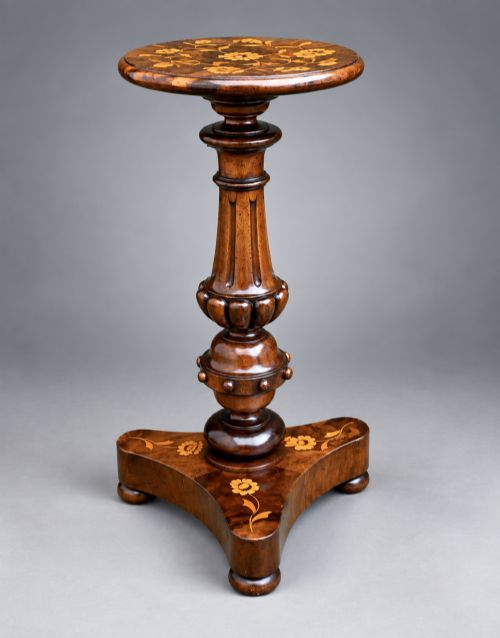
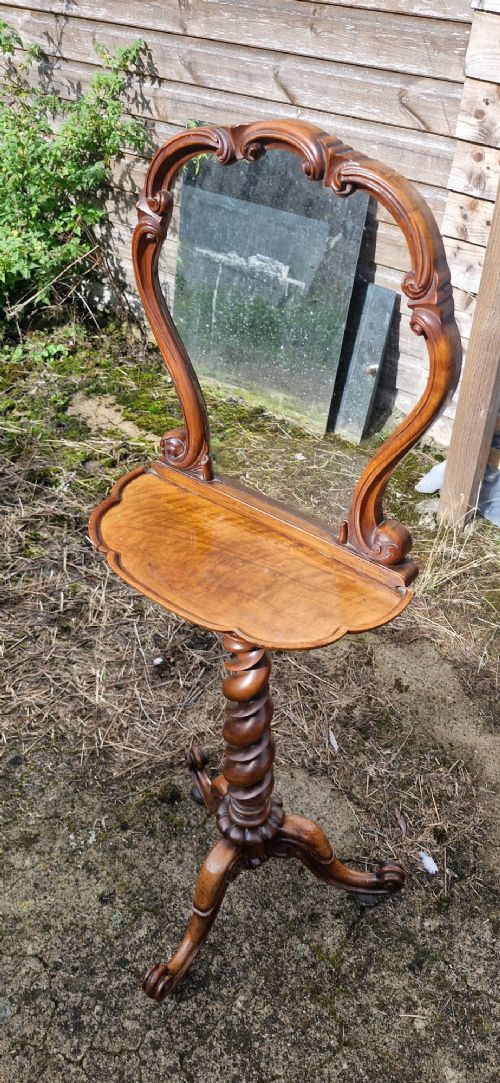
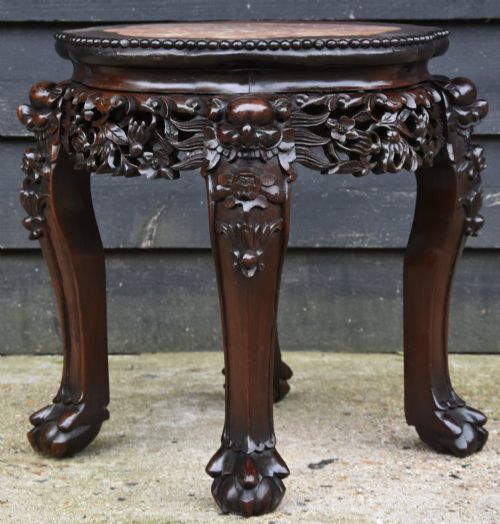
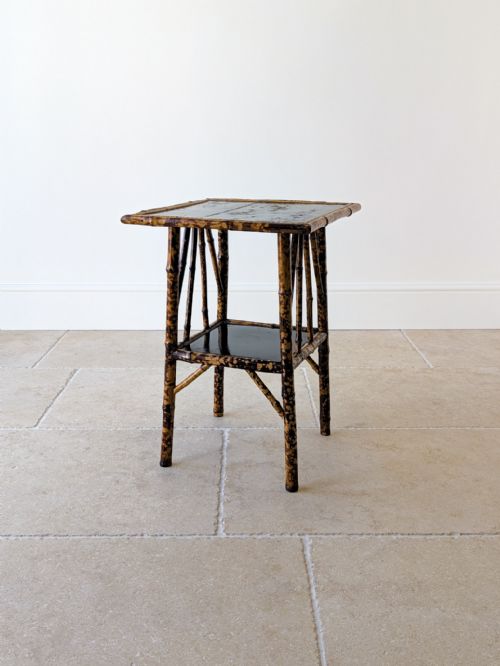
19th Century Plant Table
A 19th century plant table brings botanical focus to a room, offering elevated display surfaces shaped by Victorian and global craftsmanship.
19th Century Plant Table
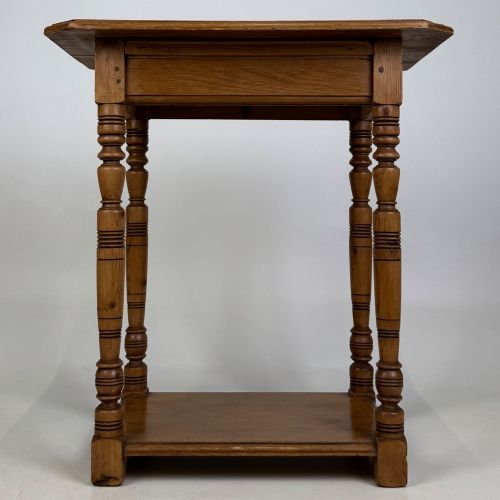
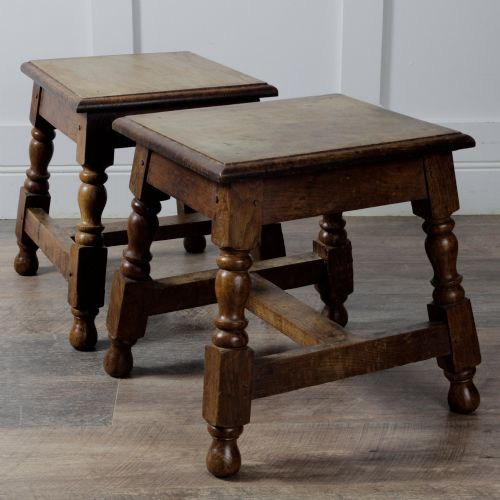
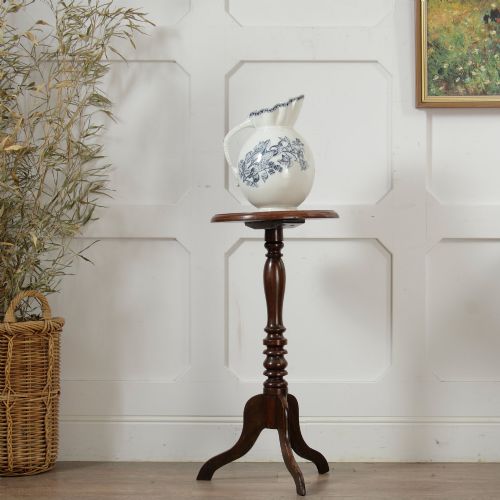
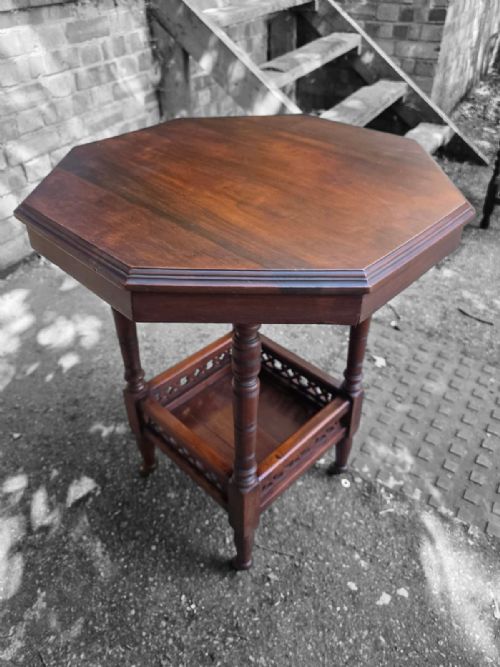
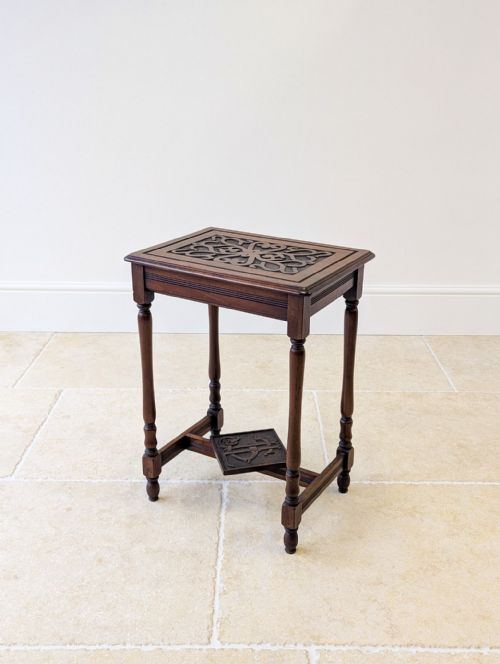
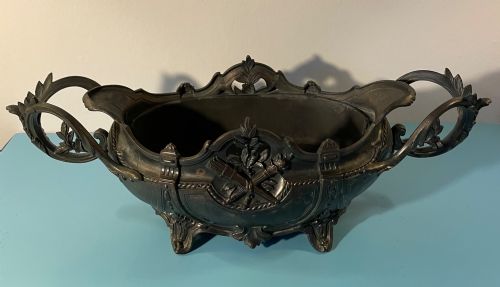
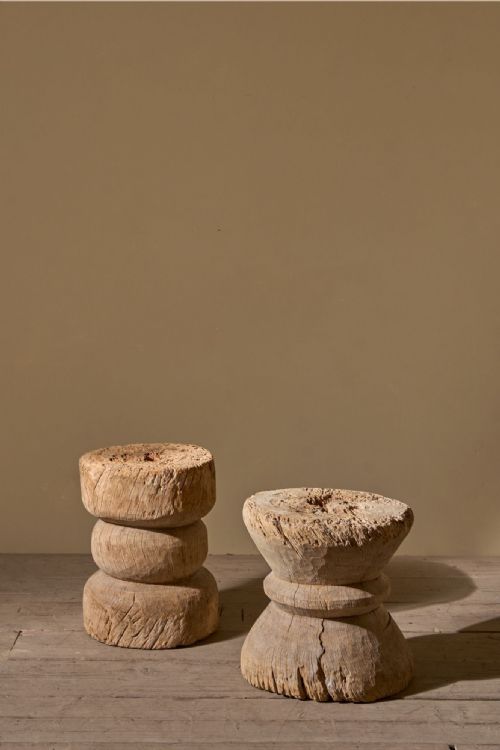
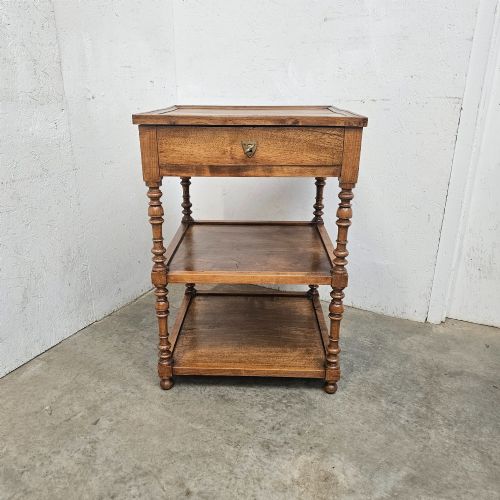
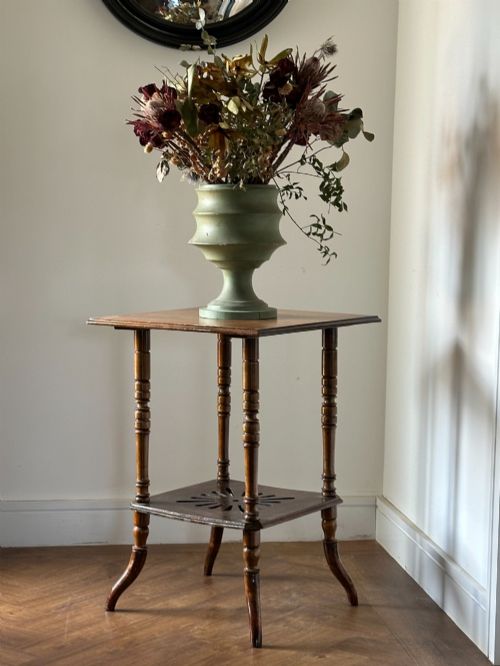
A 19th century plant table encompasses diverse forms including jardinieres, pot stands, and occasional tables designed to display greenery or serve related domestic functions.
The selection on this page draws heavily from Victorian domestic spaces, alongside French Napoleon III designs, Chinese hardwood carvings, and Anglo-Indian production.
Buyers will encounter compact pedestals, low tables with marble inset tops, and occasional tables utilising bamboo, oak, walnut, and exotic hardwoods.
Materials and Technique
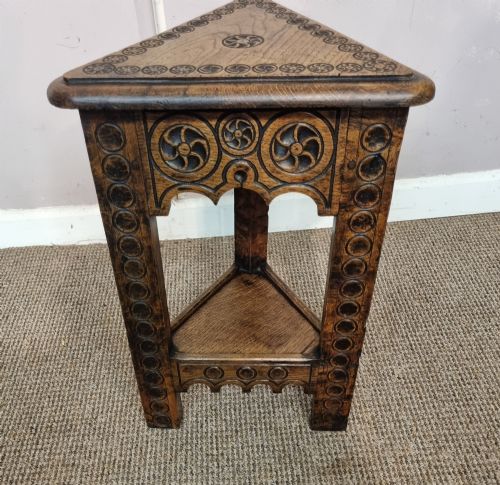
Construction relies on traditional cabinet-making timbers such as mahogany, walnut, oak, and dense Chinese hardwoods, shaped with turned legs, intricate carving, and jointed construction.
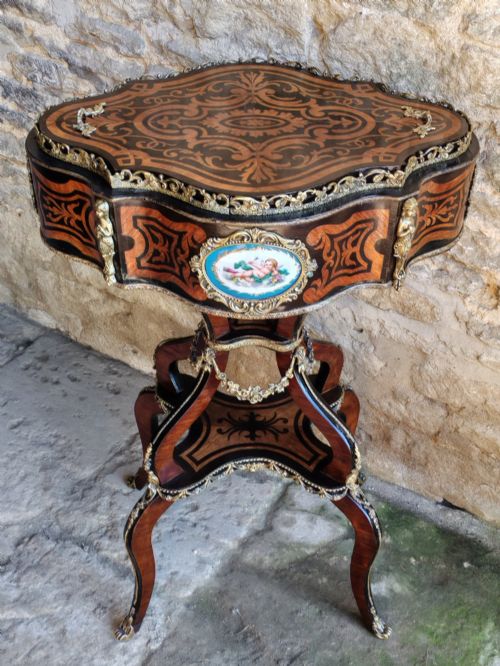
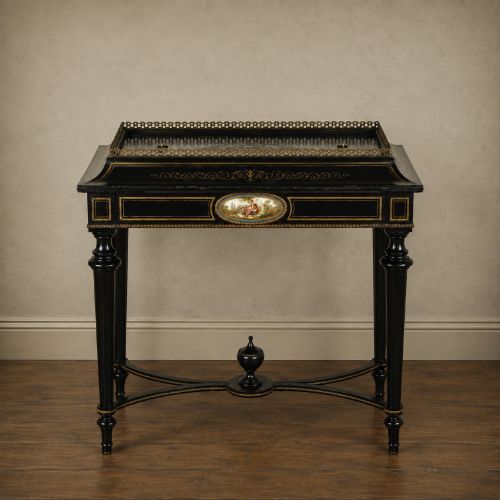
Surface ornamentation integrates natural stone and metalwork, utilising inset marble tops, cast ormolu mounts, brass details, and painted porcelain plaques.
Maker techniques extend to specialised regional traditions, incorporating parquetry, marquetry, ebonising, bamboo framing, and lacquer work.
Several pieces double as small architectural menageries, incorporating carved elephants, dragons, and figures alongside everyday tables.
Assessing Quality
Quality rests in the precision of the joinery and the selection of materials, distinguishing solidly constructed hardwood frames from lighter or more utilitarian pieces.
The sophistication of surface detail dictates distinction, separating simple turned wooden legs from intricately carved figures, fine parquetry, or integrated porcelain and marble elements.
Shoolbred·Liberty & Co.
The 19th Century Plant Table Glossary
- Jardiniere
- An ornamental pot or stand designed to hold plants or flowers indoors. These containers often feature waterproof linings or metal liners to protect the surrounding furniture.
- Ormolu
- Gilded bronze mounts applied to furniture and decorative stands. This technique was frequently utilised during the Napoleon III period to accent wooden frames.
- Parquetry
- Geometric wood inlay work forming patterned surfaces on table tops and stands. It differs from marquetry by using angular blocks to create repeating motifs.
- Marquetry
- The art of applying decorative veneer pieces to form pictorial or scrollwork designs on furniture. Craftsmen used various tinted woods to achieve tonal depth.
19th Century Plant Table: Frequently Asked Questions
What were 19th century plant tables used for?
These pieces served as dedicated platforms for potted plants, ferns, and floral arrangements within nineteenth-century drawing rooms and parlours.
By elevating greenery, they protected interior floor surfaces and allowed plants to receive better light near windows.
How do I style a plant table today?
Place a single stand in an empty corner or beside seating to introduce height and botanical texture to a room.
They accommodate trailing houseplants, ceramics, or small lamps just as effectively as they did Victorian ferns.
What is the difference between a jardiniere and a plant stand?
A jardiniere typically incorporates a built-in container or trough specifically designed to hold soil and plants directly.
A plant stand functions purely as an elevated platform or pedestal to support a separate flowerpot.
Are marble top tables practical for plants?
Marble surfaces offer natural resistance to water spills and moisture from frequent plant watering.
This durable stone top makes them well suited for holding damp pots without risking traditional wood veneer damage.