
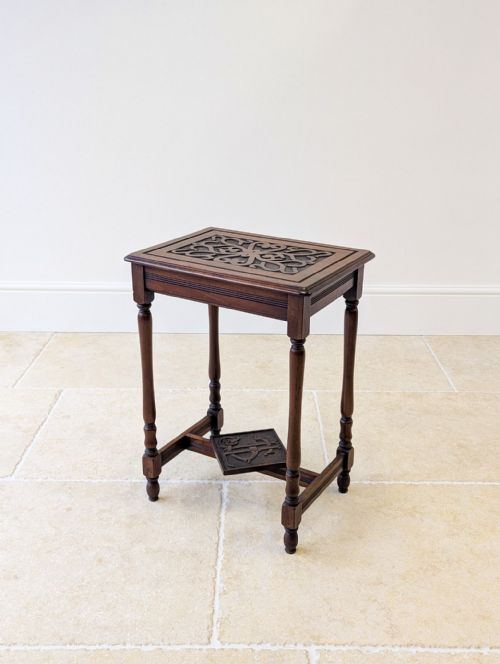
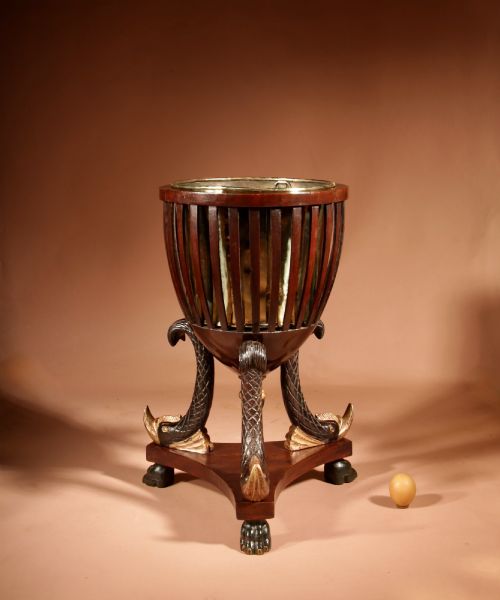
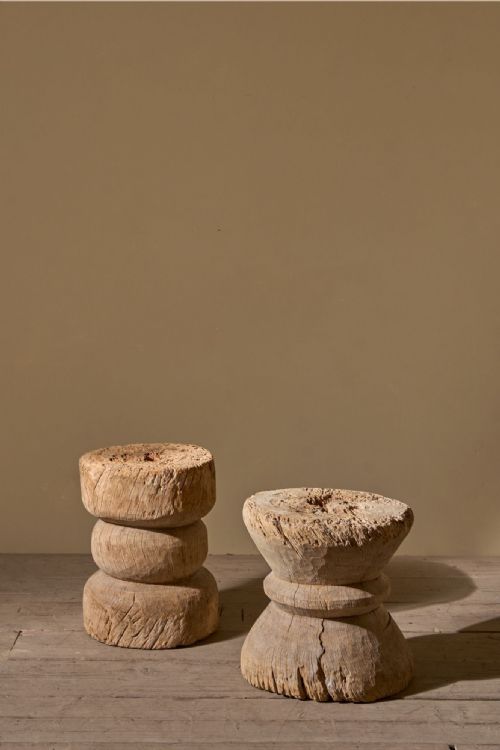
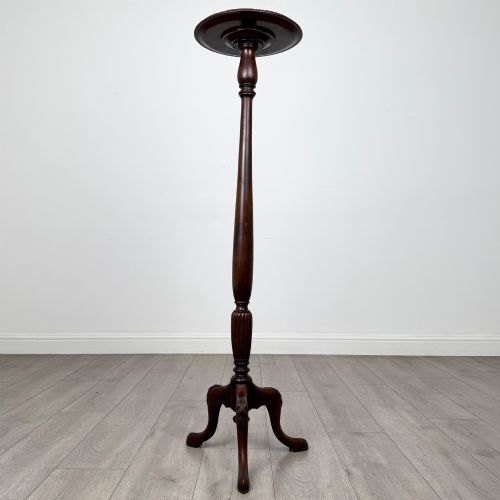
19th Century Plant Stand
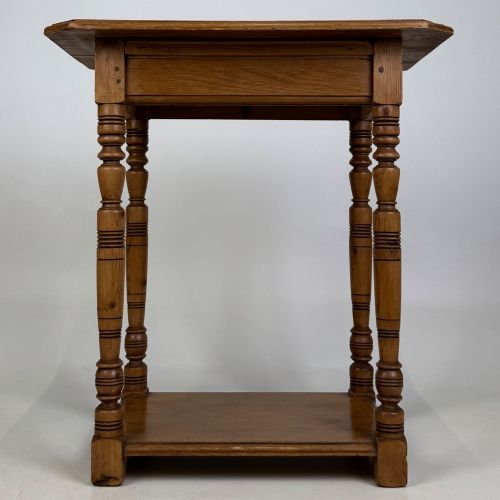
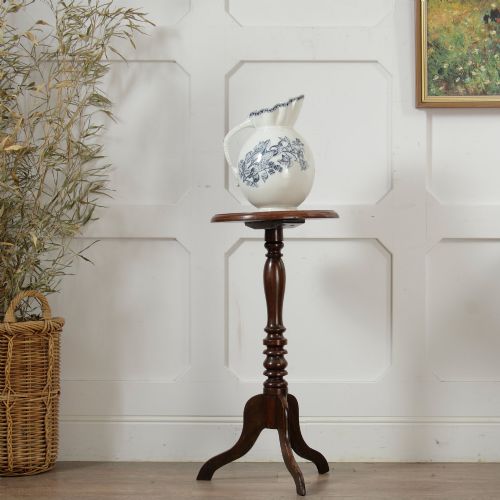
A 19th century plant stand elevates domestic greenery with distinct period character, offering sturdy height and decorative presence for ferns, palms, and cut flowers.
Forms and Origins
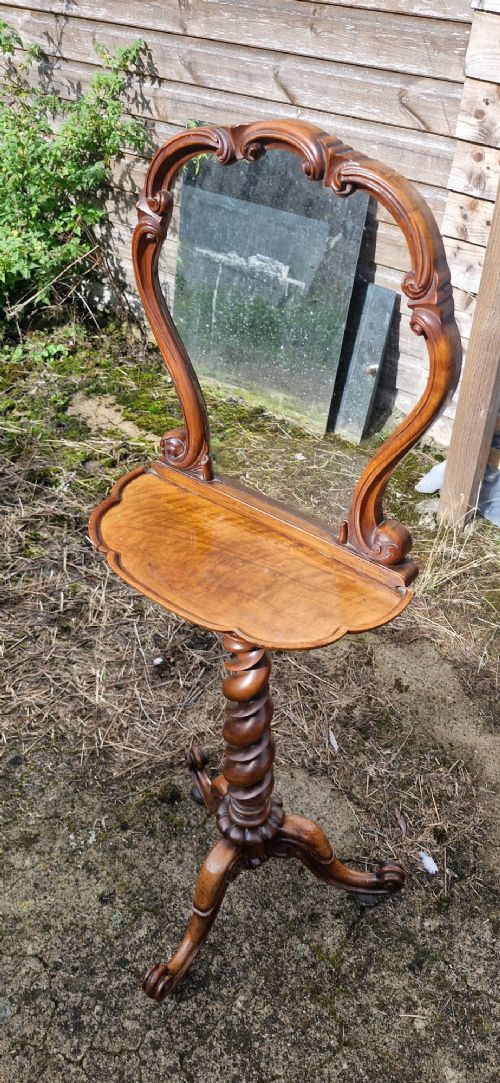
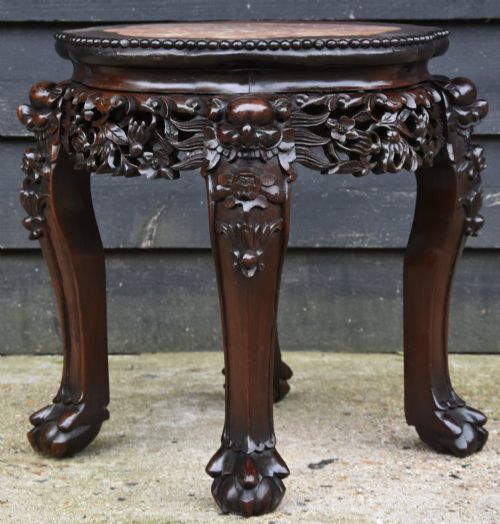
A 19th century plant stand appears in numerous regional forms across this inventory, including French Napoleon III ebonised jardinière stands, English wrought iron scrollwork baskets, and Chinese carved hardwood pedestals with marble insets.
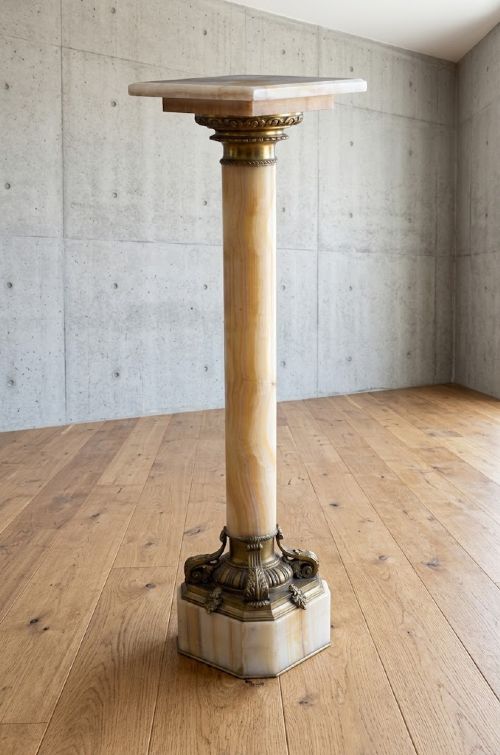
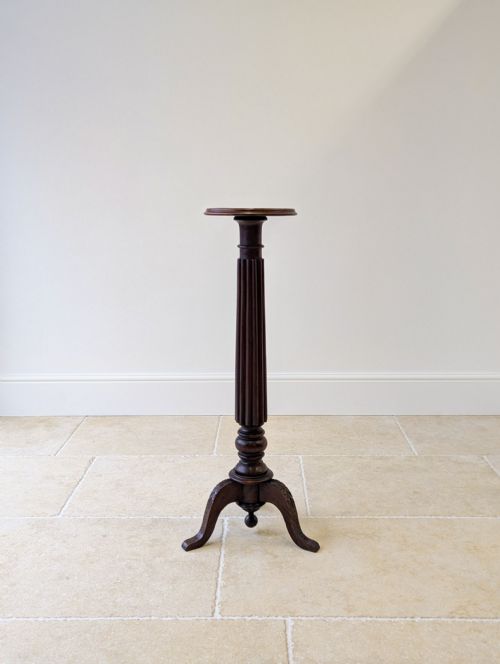
Makers produced these pieces as pedestals, torcheres, tiered wirework stands, and jardinieres designed to hold potted plants indoors and in conservatories.
Materials and Techniques
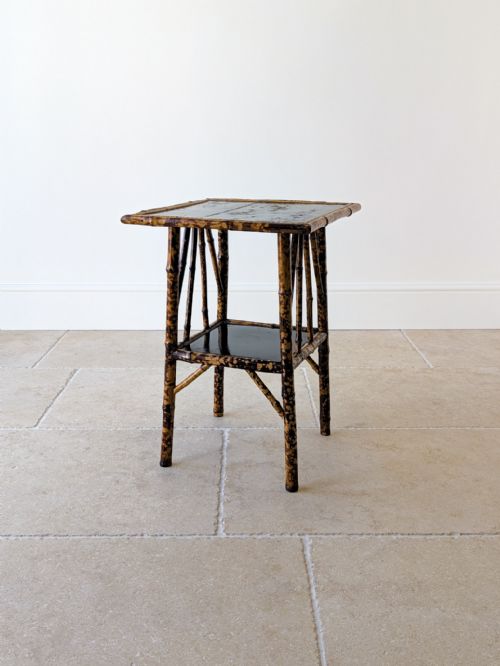
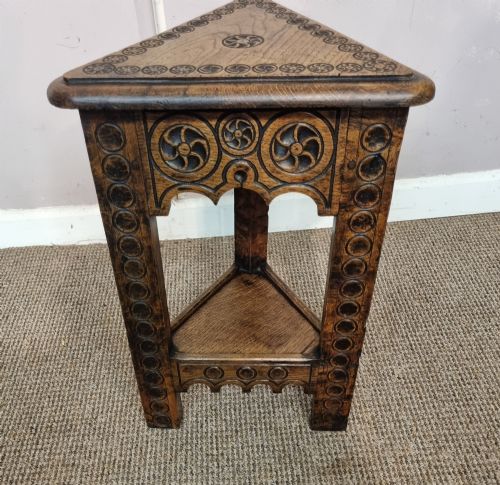
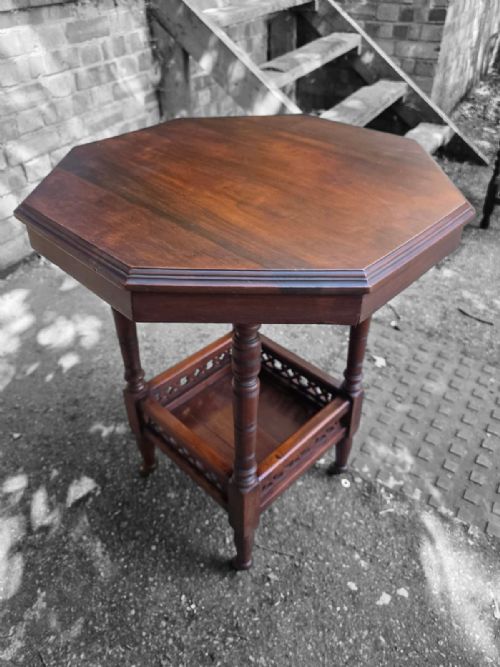
Carpenters shaped mahogany, burr walnut, ebonised wood, carved walnut, rosewood, and bamboo into structural frames, frequently incorporating marble inserts into table tops.
Metalworkers utilised brass, cast iron, and wrought iron to construct wirework baskets, scrollwork frames, and multi-tiered slatted shelves.
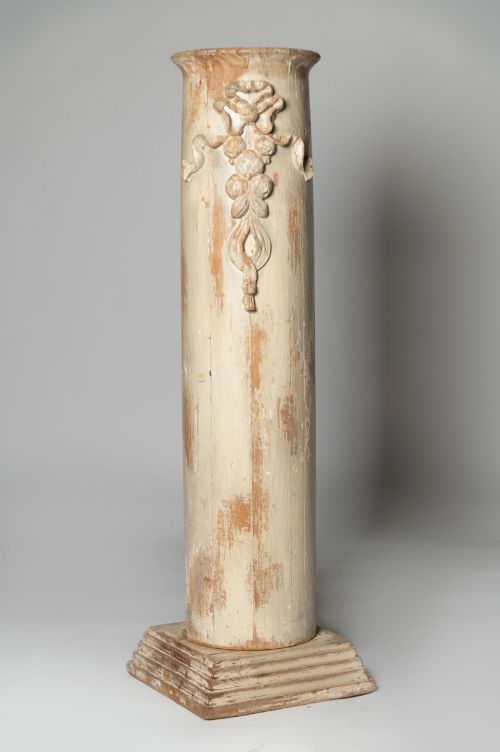
Decorators applied paint, parcel-gilding, porcelain plaques, and ormolu mounts to enrich the exterior surfaces of wood and iron bodies.
Retail Price Guide 2026
Typical UK retail prices for 19th century plant stand, calculated from the Sellingantiques database of over a million retail prices indexed since 2003. This retail price guide relies exclusively on Sellingantiques data; no external sources or auction records are used, so the figures do not describe the wider market.
Recorded styles include Victorian, Louis XV style, Napoleon III, Italian Renaissance Revival, and Anglo-Indian designs.
Standards of Execution
The distinction between ordinary utility items and superior examples lies in the finesse of the carving, the weight of the cast iron or brass, and the precision of joinery on tripod and multi-tiered bases.
Pieces featuring integrated painted porcelain plaques, ormolu mounts, or inset marble tops demonstrate higher material cost and more ambitious workshop design.
Surface treatments range from simple painted finishes to elaborate ebonising, parcel-gilding, and fine wood veneers that retain depth and texture.
The 19th Century Plant Stand Glossary
- Jardiniere
- A decorative pot or stand designed specifically to hold plants or flowers indoors. These containers often feature waterproof liners or raised bases.
- Torchere
- A tall, slender stand or pedestal originally built to carry a candle or lamp. In later decades, makers adapted this form to display tall potted plants.
- Ormolu
- Gilded bronze mounts applied to furniture and decorative objects. French cabinet makers favoured this technique during the nineteenth century.
- Ebonised
- Wood treated to imitate ebony through dark staining and polishing. This dark finish provides high visual contrast against green foliage.
Frequently Asked Questions
What is a 19th century plant stand used for?
These pieces function primarily to elevate potted plants, ferns, and flower arrangements off the floor to showcase them within living rooms or glasshouses.
They also serve as display surfaces for decorative bowls, busts, and ornaments when empty of foliage.
How do I care for a wooden plant stand?
Protect wooden and veneered surfaces from standing water and damp soil by using waterproof saucers inside any baskets or jardiniere inserts.
Apply a traditional wax polish periodically to nourish mahogany, walnut, and ebonised finishes without damaging the patina.
Where were these plant stands placed?
Victorian households positioned these stands near drawing room windows, in hallways, and inside dedicated conservatories to maximise light for indoor plants.
Multi-tiered wirework and conservatory versions handled multiple pots simultaneously in humid glasshouse environments.
How do I identify a marble-top plant stand?
Chinese hardwood examples frequently integrate inset marble panels into the top surface to withstand moisture and dampness from watering.
European pieces also utilise marble or tile tops for practical resilience against spills.