

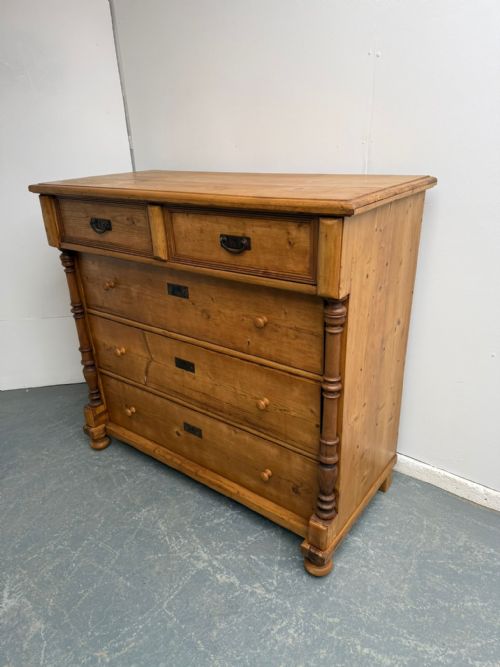

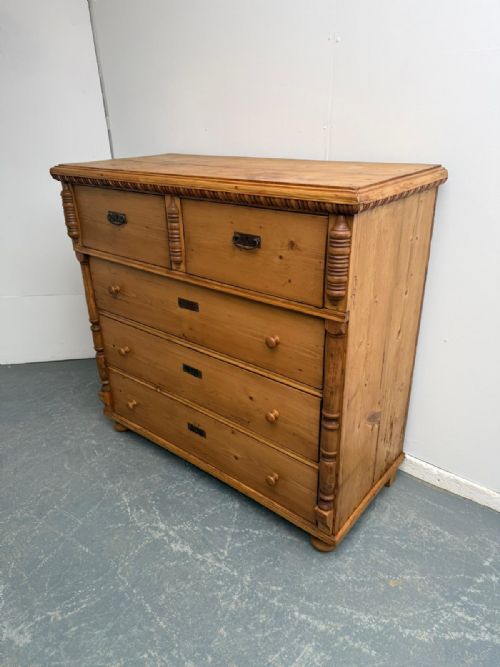
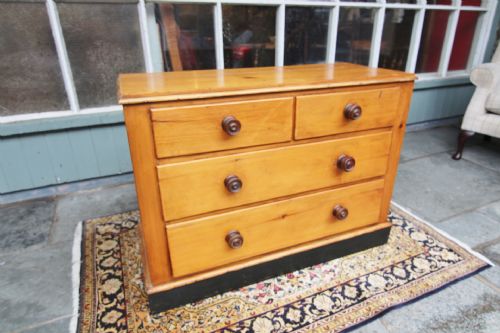


19th Century Pine Bureau
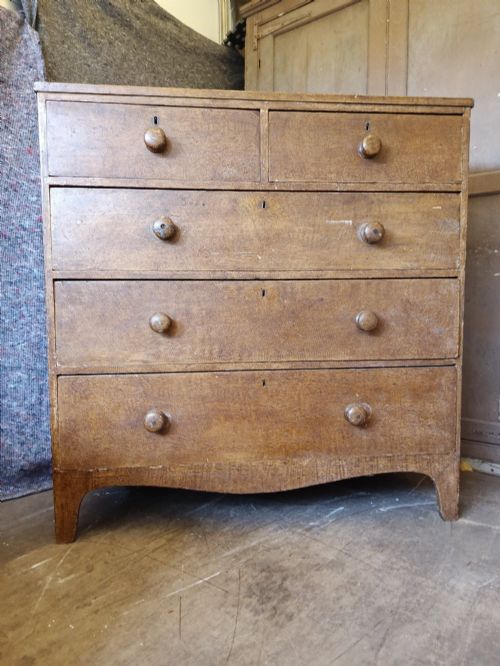
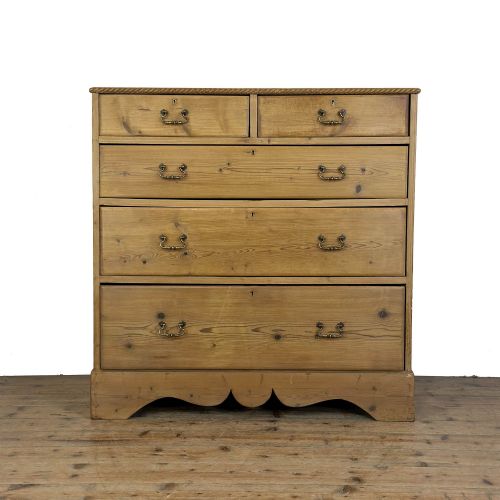
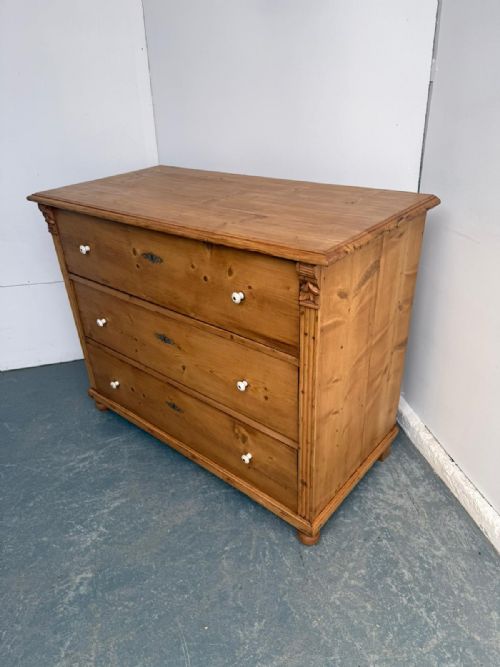
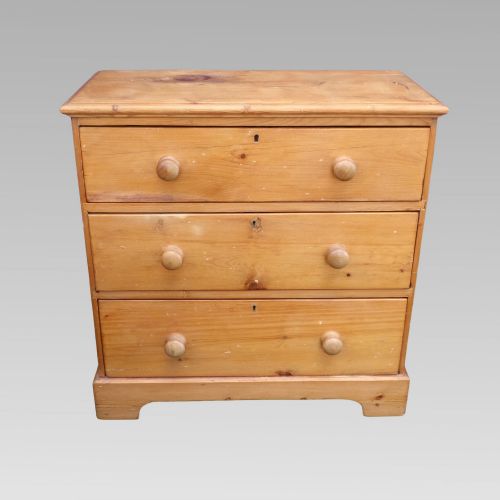
A 19th century pine bureau brings domestic warmth and practical workspace into a room through honest utilitarian carpentry.
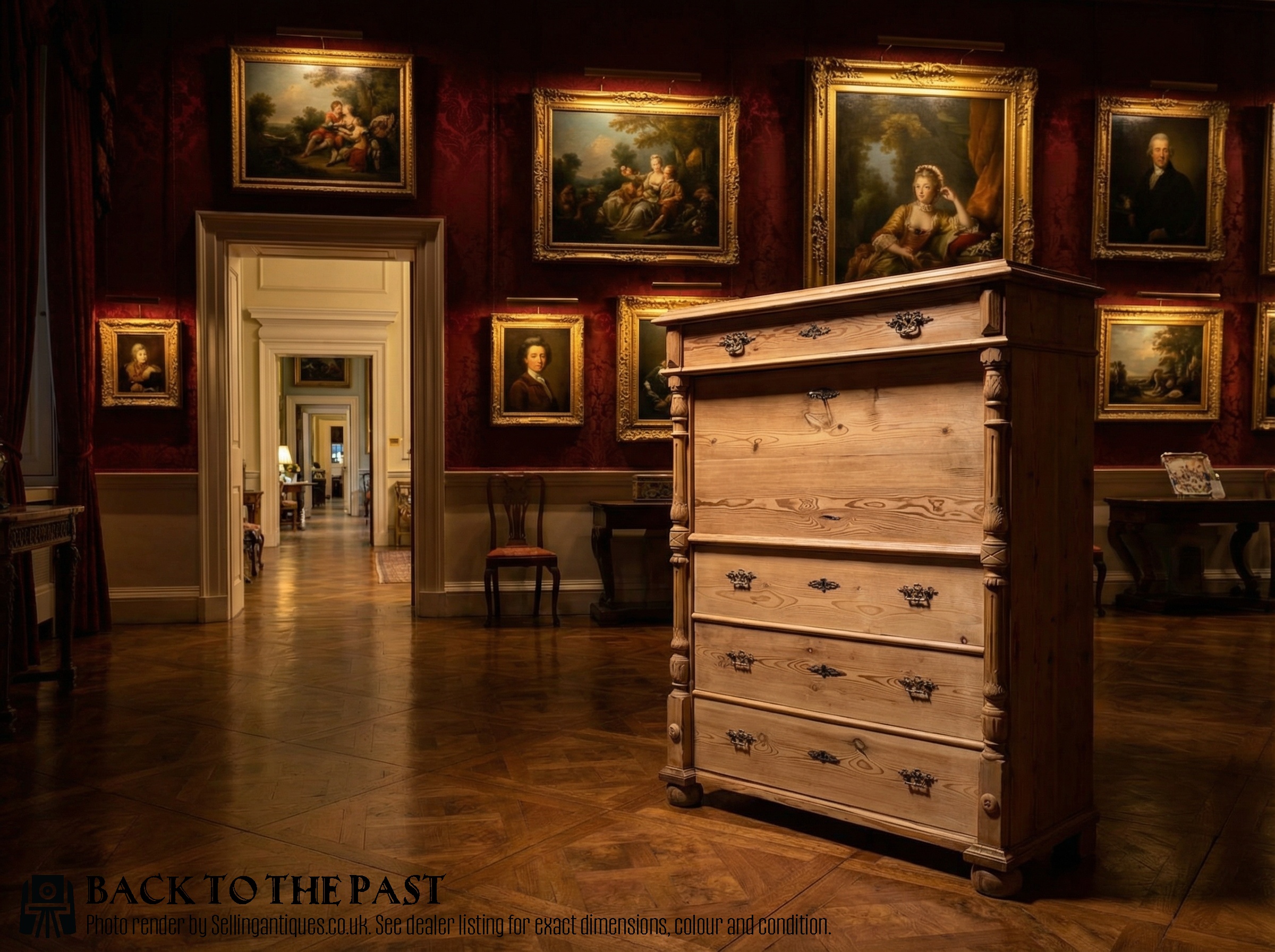
19th Century Pine Bureau
When you search for a 19th century pine bureau, you encounter writing desks, secretaire desks, and drawer units that span the Victorian, Regency, and Edwardian eras. The selection draws heavily upon British, Irish, Welsh, and continental European workshops, offering both compact writing surfaces and large multi-drawer storage pieces.
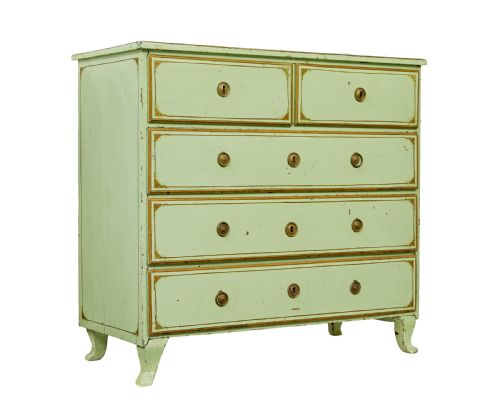
You are most likely to meet straightforward chests of drawers and writing desks made from solid pine, though many examples include fitted writing compartments, secret drawers, or gallery backs. Regional pieces display distinct characteristics, from Swedish painted surfaces to Irish waxed finishes and Welsh proportions.
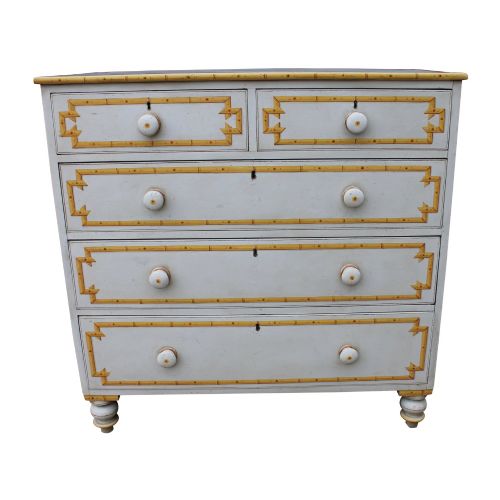
The objects serve primarily as functional furniture that combines a writing slope or desk compartment with generous drawer storage. Their forms range from austere country pieces to decorative faux bamboo and Baroque revival designs.
Materials and construction
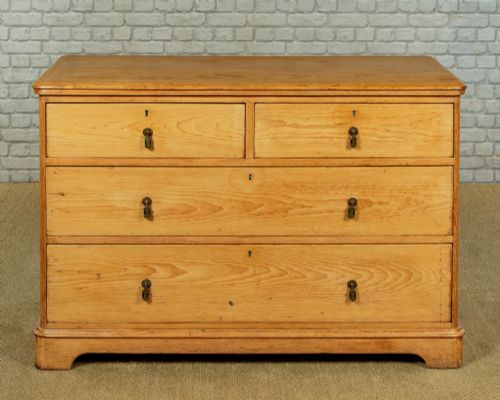
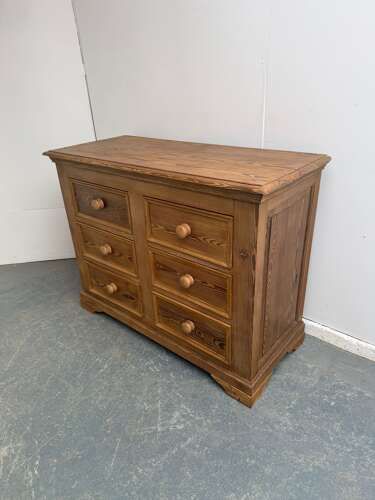
Makers built these pieces using solid pine timbers combined with brass handles, iron hardware, and ceramic details. Surfaces received either a clear wax finish to highlight the grain, layers of traditional paint, or ebonised treatments.
Carpenters utilised traditional joinery techniques suited to softwood construction, incorporating panelled drawer fronts, turned columns, and internal secret compartments within the writing desks. Paint finishes applied over the pine often survive in original or historic layers, ranging from solid colours to decorative schemes.
Listings feature items from the 19th century, Victorian period, Regency era, and Edwardian times, alongside specific dates such as 1870, 1880, and 1920.
Judging quality in pine furniture
Quality rests upon the integrity of the timber selection, the crispness of the carpentry, and the survival of original surface treatments. Pieces retaining their early paintwork, original brass or iron hardware, and intact interior drawer configurations stand apart from heavily altered examples.
The refinement of the proportions and the joinery define the upper tier of these utilitarian pieces. Well-executed details such as columned corners, gallery backs, and smoothly operating drawers distinguish finer workshops from simpler regional domestic work.
The 19th Century Pine Bureau Glossary
- Bureau
- A writing desk with a sloping lid that opens to reveal internal compartments and small drawers. It often sits atop a chest of drawers.
- Secretaire
- A desk or chest featuring a pull-down writing drawer that conceals a fitted interior with pigeonholes and secret compartments. This form integrates workspace directly into storage furniture.
- Waxed
- A surface treatment using natural wax rubbed into the timber to protect the wood and produce a soft sheen. This finish highlights the natural grain of the pine.
- Gallery back
- A raised decorative or functional upstand attached to the rear top edge of a chest of drawers or desk. It prevents items from sliding off the back surface.
- Faux bamboo
- A decorative carving technique that shapes wood to imitate the segmented stalks of real bamboo. This style appeared on 19th-century furniture for exotic effect.
19th Century Pine Bureau: Frequently Asked Questions
How do I use a pine bureau today?
A pine bureau provides a functional writing surface that folds away neatly when not in use. The internal compartments suit stationery storage while the lower drawers handle everyday household organisation.
Position the piece in a study, bedroom, or living space where its warm wood tones and practical storage complement existing furniture.
How do I care for antique pine furniture?
Keep antique pine away from direct heat sources and strong sunlight to prevent the timber from drying out or splitting. Dust the surfaces regularly with a dry cloth.
Apply a traditional beeswax polish occasionally to nourished waxed finishes, avoiding modern silicone sprays that can damage historic surfaces.
Where were these pieces made?
The pieces originate from across Britain, Ireland, Wales, and continental Europe, particularly Sweden and Hungary. Regional workshops utilised local pine supplies to build furniture suited to domestic life.
Irish and Welsh pieces often show distinct proportions, while Swedish examples frequently feature pale painted finishes and Baroque revival influences.