


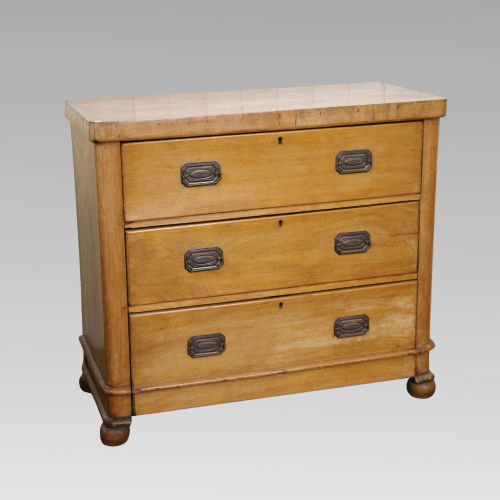
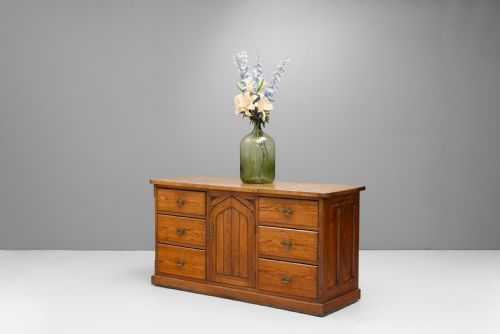
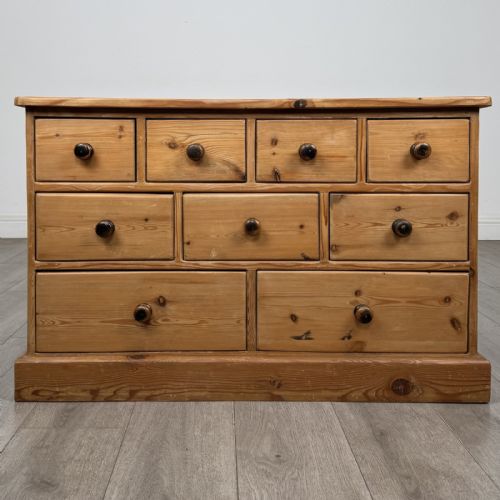
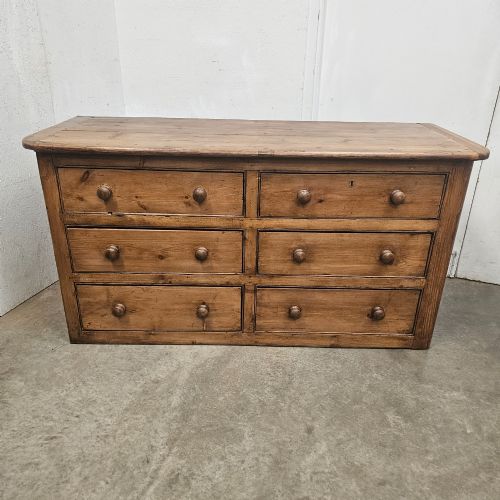

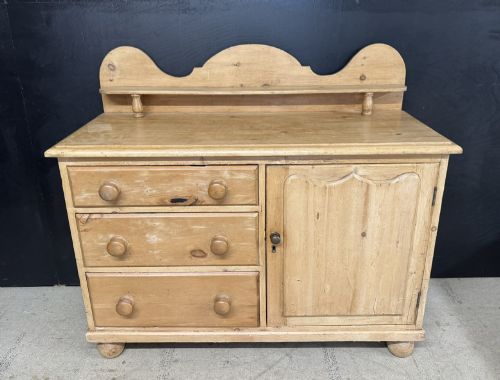
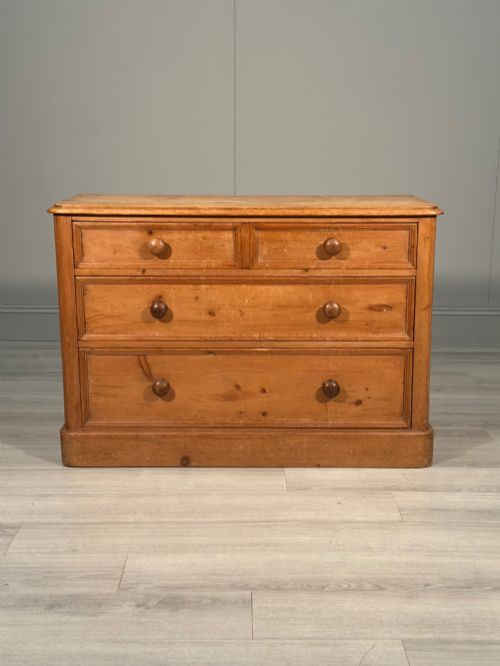
Honey Pine Chest of Drawers
A honey pine chest of drawers brings warmth and honest utility to a room, offering robust storage built from timber with a rich, glowing grain.
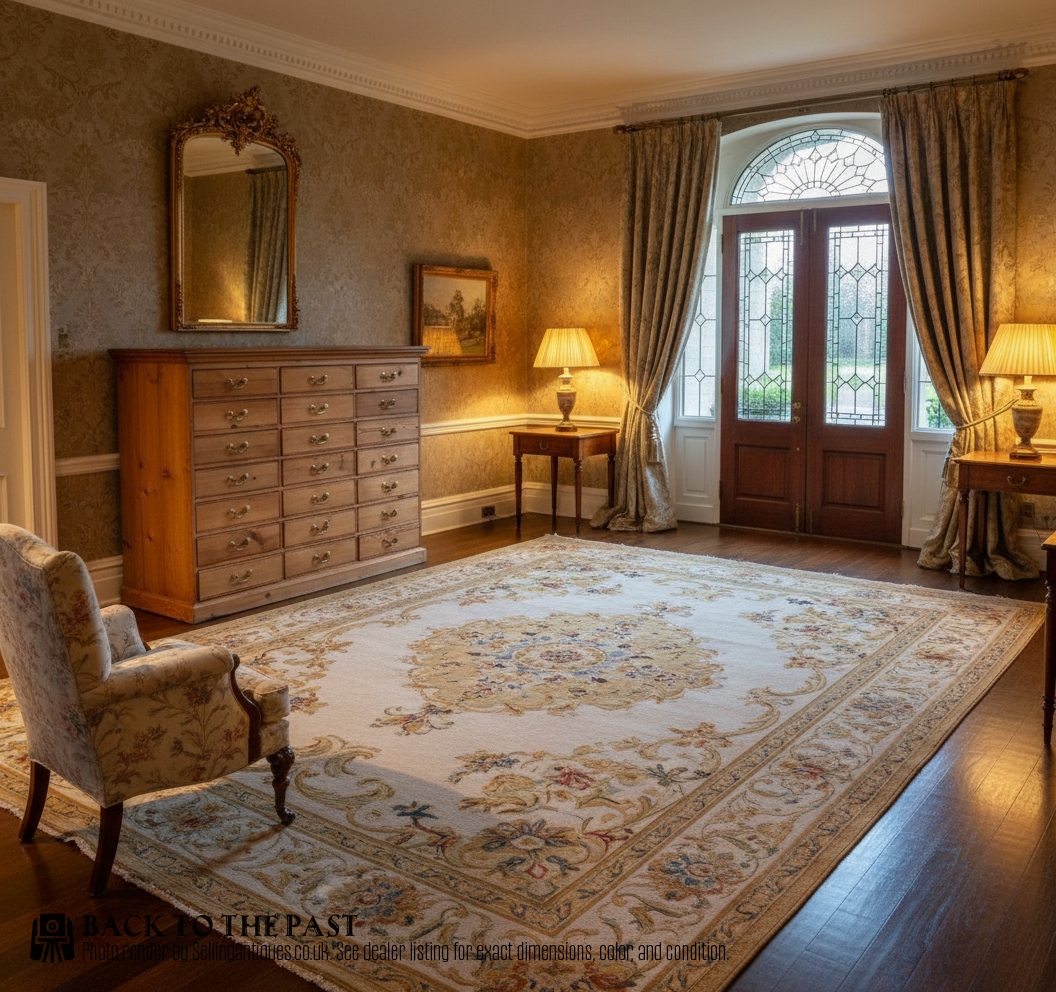
Honey Pine Chest of Drawers
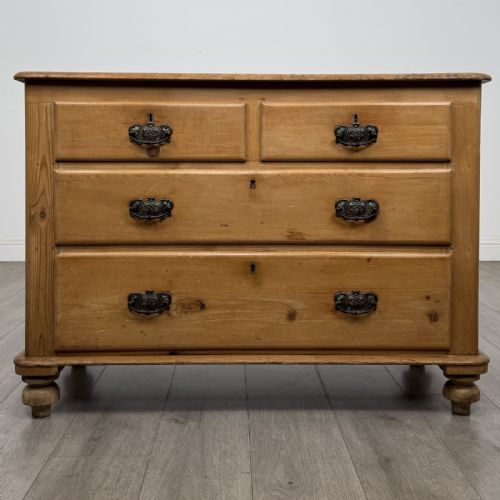
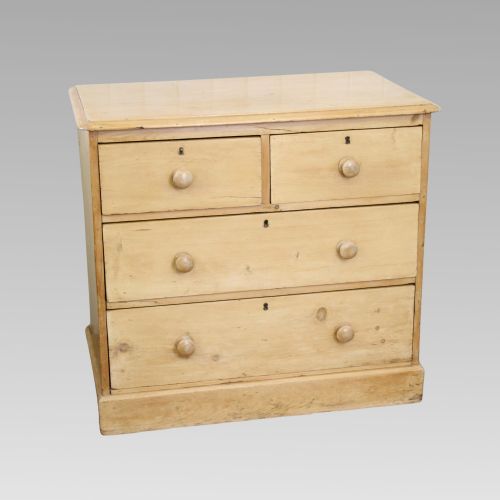
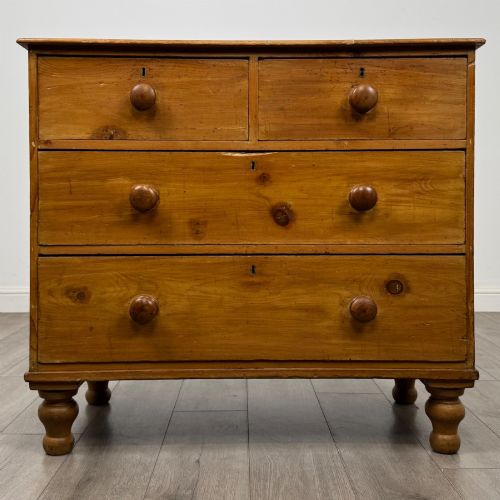
A honey pine chest of drawers represents a practical storage solution shaped by domestic needs across the Georgian, Victorian, and Edwardian periods. These pieces range from low, wide configurations and traditional two-over-three drawer arrangements to tall Wellington chests.
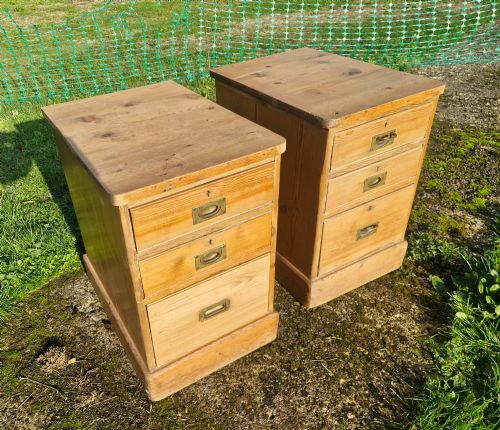
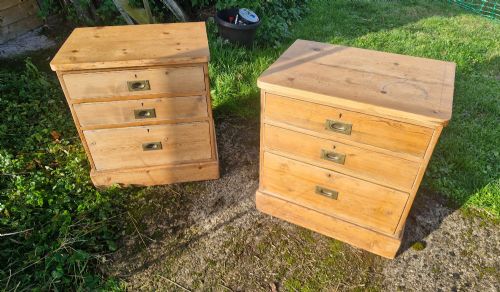
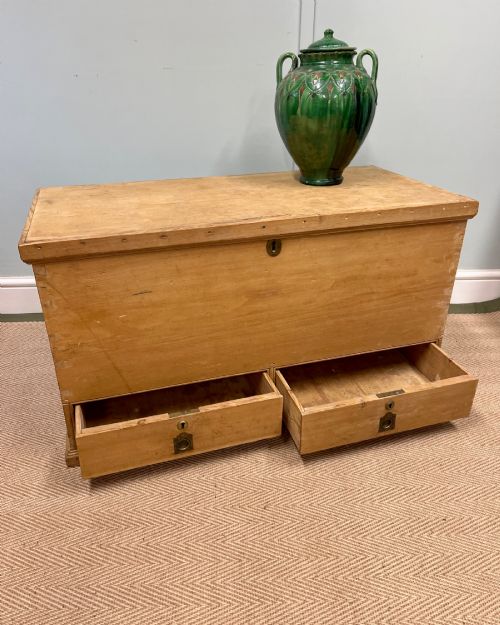
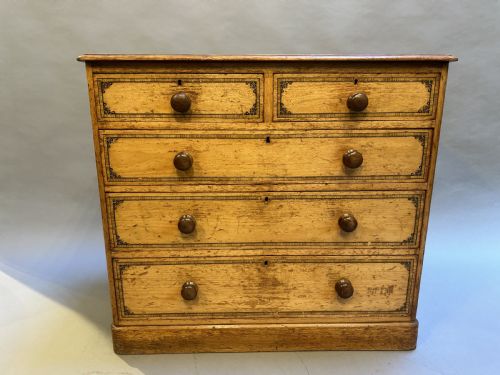
Buyers exploring this selection encounter items originating primarily from the nineteenth century, including examples finished with waxed surfaces, stencilling, or original paint. Alongside standard chests, related forms such as bedside cabinets, dressing tables, and mule chests appear within the available stock.
How They Were Made
Constructed predominantly from pine and pitch pine, these pieces rely on solid timber framing built to withstand decades of daily domestic use. Surfaces are frequently treated with wax to nourish the wood and enhance the natural grain.
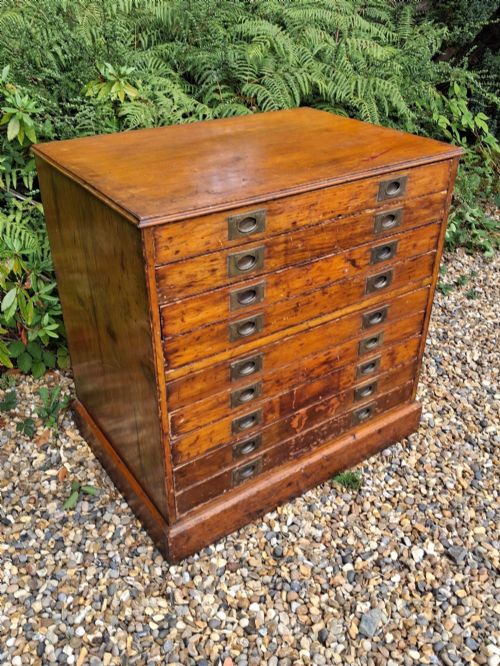
Hardware elements incorporate brass, iron, and metal fittings for drawer pulls and locks, while specific variants utilise ceramic details. Structural assembly draws on traditional cabinet-making techniques suited to softwood construction.
Honey Pine Chest of Drawers Retail Price Guide 2026
Typical asking prices for honey pine chest of drawers among the pieces listed under this phrase on Sellingantiques today, from the lower quarter to the upper quarter. They describe what is for sale here now, not the wider market.
Listings feature items spanning the Georgian, Victorian, and Edwardian periods, constructed primarily from pine and pitch pine.
What Varies in Quality
Quality rests upon the integrity of the timber selection and the retention of original surface treatments, such as early scumbling, stencilling, or historic paintwork. Pieces retaining their honest, untouched patination stand apart from those stripped down to raw wood in later years.
Proportion and scale also dictate distinction, with well-balanced drawer arrangements and finely shaped bases demonstrating superior craftsmanship. The inclusion of original brass or iron hardware further elevates a piece above standard utility items.
The Honey Pine Chest of Drawers Glossary
- Scumbled finish
- A painted decorative technique involving translucent layers dragged or brushed to simulate the appearance of more expensive figured grain. This surface treatment is frequently encountered on nineteenth-century country furniture.
- Pitch pine
- A dense, resinous softwood sourced primarily from North America and frequently utilised for heavier nineteenth-century furniture due to its durability. It displays a pronounced and distinct grain pattern compared to standard softwoods.
- Mule chest
- A storage form combining a chest with one or more lower drawers beneath the main compartment. These hybrid items bridge the gap between traditional blanket boxes and modern drawer units.
- Wellington chest
- A tall, slender case of drawers secured by a locking hinged side pilaster that fastens over the drawer edges. This specific form typically contains multiple shallow drawers stacked vertically.
- Waxed finish
- A protective surface application consisting of natural waxes buffed into the timber to seal the grain and develop a soft sheen. This traditional treatment deepens the golden tones of aged pine.
Honey Pine Chest of Drawers: Frequently Asked Questions
How do I date a pine chest of drawers?
Dating relies on observing construction methods, handle styles, and overall proportions relative to known historical periods like the Victorian or Georgian eras. Machine-cut elements typically point towards later nineteenth-century manufacturing.
Surface finishes and secondary timbers used for drawer linings also provide reliable clues to the decade of manufacture. Comparing the backboards and drawer dovetails helps establish whether a piece belongs to the early nineteenth century or the Edwardian period.
What is the difference between standard pine and pitch pine?
Standard pine refers to common softwood varieties used extensively for everyday domestic furniture throughout the nineteenth century. It yields a paler, quieter grain when waxed.
Pitch pine contains a higher resin content, resulting in a heavier timber with a striking, highly figured grain pattern. This denser material was often selected for pieces requiring greater structural strength.
How should I care for a waxed pine surface?
Maintaining a waxed surface involves regular dusting with a soft cloth and the occasional application of a quality beeswax to nourish the timber. Avoid placing these chests near direct heat sources or strong sunlight, which can dry out the softwood.
Applying fresh wax periodically helps preserve the warm golden tone and protects against everyday moisture marks. Gentle buffing restores the characteristic soft sheen without stripping the historic patination.
Are these chests suitable for modern bedrooms?
The generous proportions and warm honey tones of antique pine make these chests versatile additions to contemporary domestic interiors. Their neutral timber colouring blends easily with various interior design schemes while offering practical bedroom storage.
Different configurations, ranging from low wide models to compact bedside cabinets, allow buyers to fit these items into spaces of varying sizes. Their robust construction ensures they remain fully functional for daily use.