


Pine Filing Cabinet
These pine filing cabinet pieces are functional workspace storage items from past centuries, sought after for their honest timber construction and practical compartments.
Pine Filing Cabinet
A pine filing cabinet search brings up practical workspace furniture designed for sorting documents and small items. Buyers look for these items to organise paperwork while adding period character to a room.
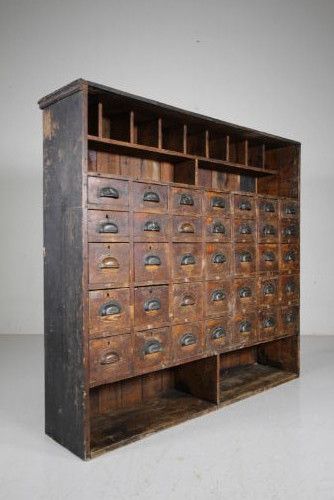
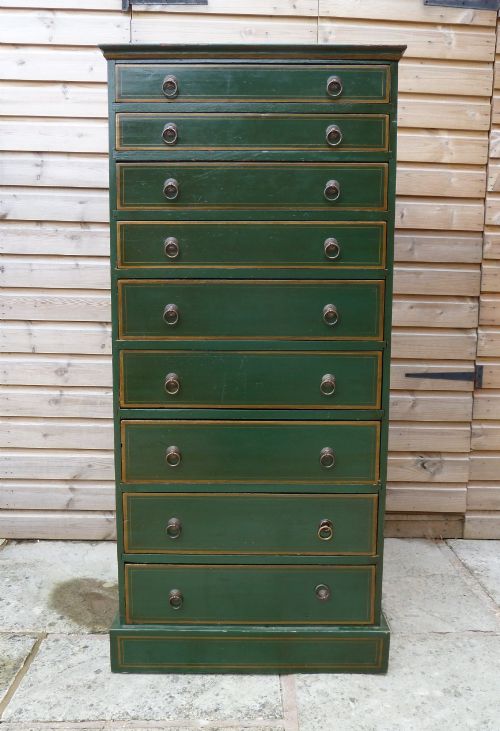
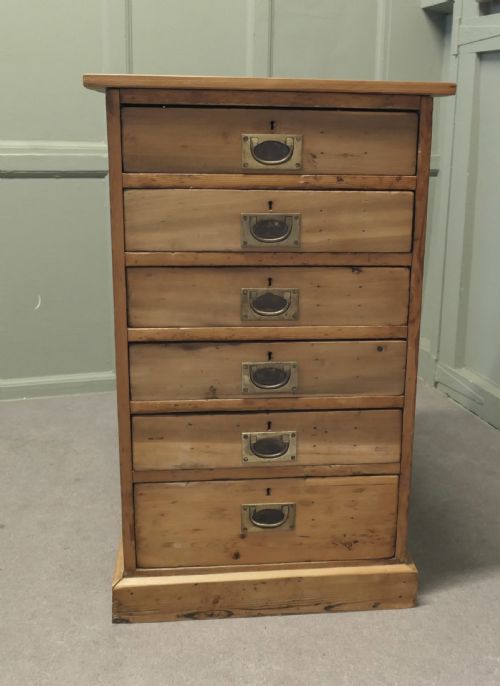
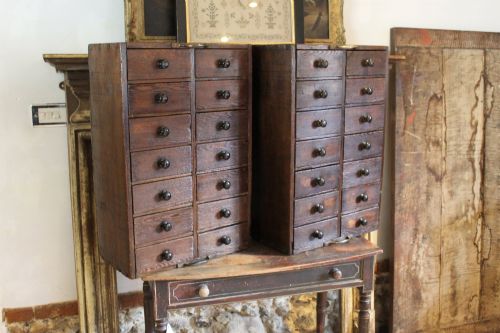
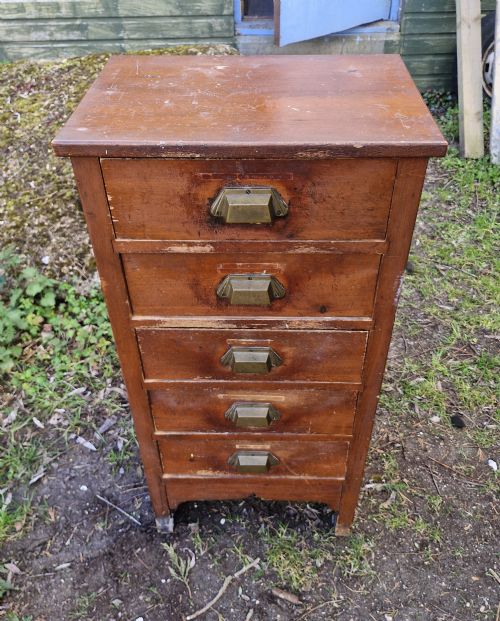
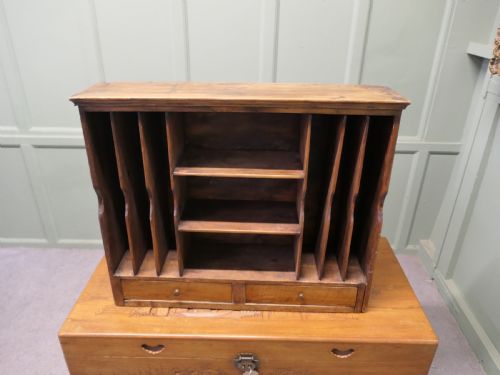
Most examples found here date from the nineteenth century through to the mid twentieth century. They appear in forms such as banks of drawers, office chests, and shallow filing compartments.
Origins span English workshops and French provincial sources, reflecting straightforward utilitarian needs. Styles range from plain Victorian utility to Arts and Crafts and industrial designs.
How they were made
Construction relies primarily on solid pine, chosen for its workability and availability in commercial and domestic settings. Cabinet makers built these pieces to withstand daily office or workshop use.
Metal elements such as brass, cast iron, and iron appear frequently on handles, pulls, and internal mechanisms. These durable metals complement the pale timber surfaces and secure operational longevity.
What varies in quality
Quality differences stem from the original intended use, separating heavy workshop furniture from lighter domestic pieces. Better examples display careful joinery that keeps drawers running smoothly over decades.
Hardware selection marks another distinction, with period brass handles or robust iron pulls indicating superior initial manufacture. The proportion and depth of the drawers also affect desirability for modern storage.
D Napier and Sons
The Pine Filing Cabinet Glossary
- Bank of drawers
- A multi-drawer unit designed for high-capacity organisation. These tall or wide banks provide numerous shallow compartments for documents.
- Victorian
- A design period spanning the nineteenth century, characterised by sturdy construction and practical forms. Pieces from this era often show robust utilitarian detailing.
- Arts and Crafts
- A movement prioritising traditional craftsmanship and honest materials. Cabinets in this style feature simple lines and visible construction methods.
- Pine
- A softwood commonly utilised in nineteenth and twentieth-century utility furniture. It accepts paint and polish readily, ageing to a warm patina.
Pine Filing Cabinet: Frequently Asked Questions
What were pine filing cabinets used for?
These cabinets served in offices, post offices, and workshops to organise correspondence, ledgers, and small components. Their multiple shallow drawers kept paperwork flat and accessible.
Over time, businesses and institutions relied on them for daily administration before modern steel furniture took over. Today, they serve domestic uses for stationery, crafts, and collections.
How do I date a pine filing cabinet?
Dating relies on construction methods, timber characteristics, and the style of the handles and pulls. Nineteenth-century examples often feature hand-cut dovetails and period brass or iron hardware.
Later pieces from the twentieth century show machine-sawn timber and simpler internal runner systems. Comparing the drawer construction to known periods helps narrow down the decade.
Are these cabinets suitable for modern paper sizes?
Many older filing drawers were built for smaller historical paper formats rather than standard modern folders. Checking internal drawer dimensions ensures your documents or items will fit comfortably.
Shallow nineteenth-century drawers work well for sorting mail, stationery, and art supplies. Deeper industrial drawers accommodate larger files and heavier office supplies.
How do I care for antique pine furniture?
Keep pine furniture away from direct heat sources and strong sunlight to prevent the timber from drying out or warping. Regular dusting with a dry cloth maintains the surface finish.
Application of a traditional wax polish occasionally nourishes the wood and enhances the natural grain. Avoid excessive moisture when cleaning painted or unpainted pine surfaces.