
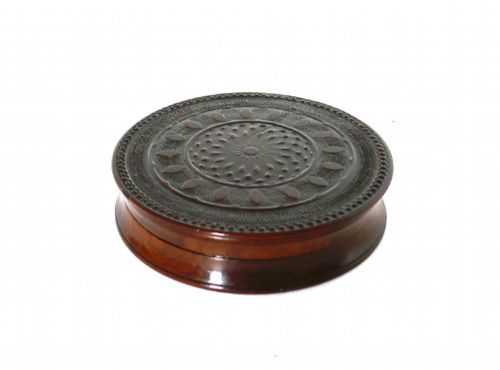


19th Century Pill Box
When you search for a 19th century pill box, you seek a pocket vessel of silver, porcelain or stone designed to carry personal remedies or dry goods with discretion.
19th Century Pill Box
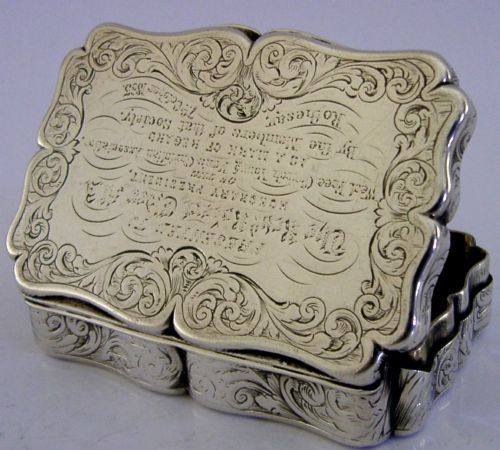
A 19th century pill box encompasses small portable containers fashioned primarily for medicine, lozenges, or snuff, reflecting the meticulous personal habits of the Georgian and Victorian eras. These containers frequently overlap in form and nomenclature with snuff boxes, vinaigrettes, and patch boxes.
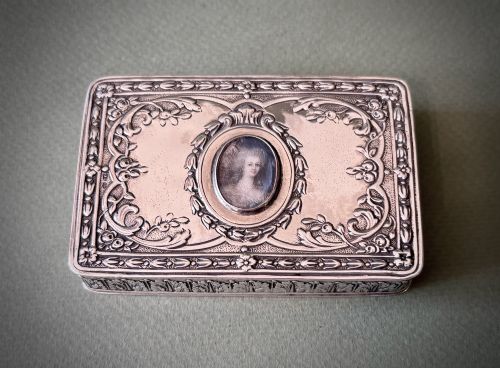
The versions most commonly met on this page span British, French, and Continental workshops, rendered in sterling silver, gilt metal, and porcelain. Many date from the middle and late Victorian periods, alongside earlier Georgian specimens.
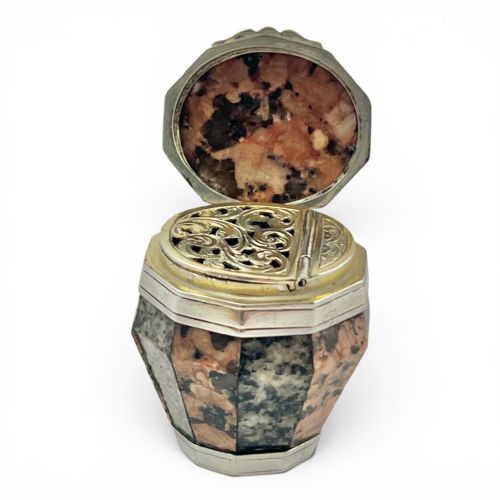
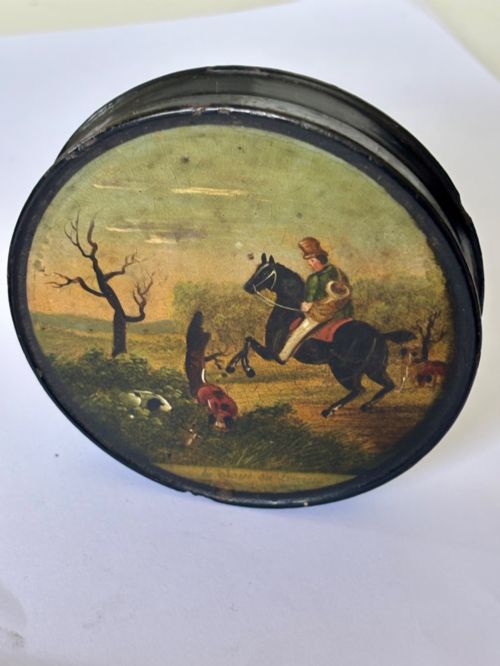
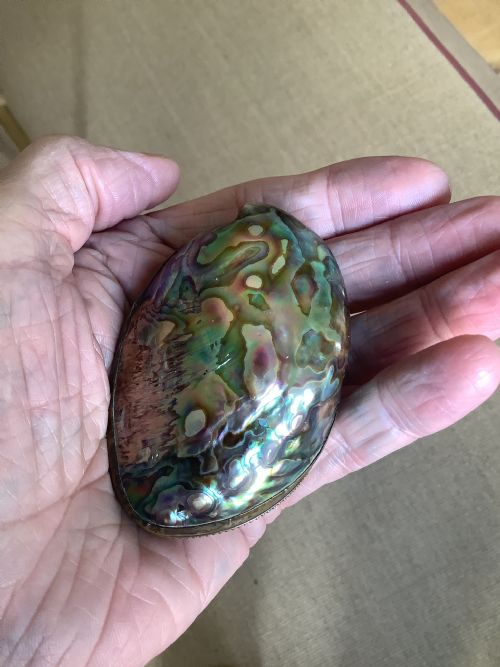
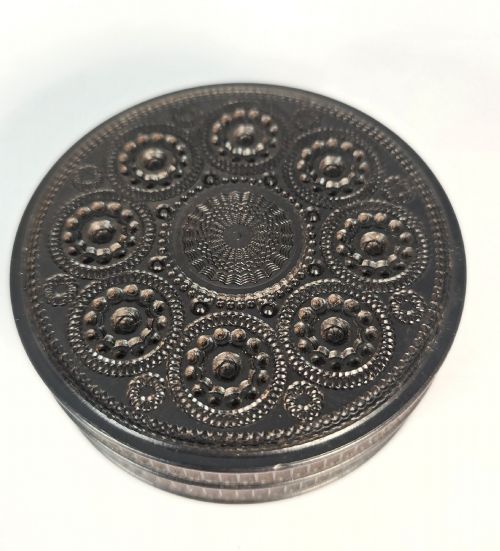
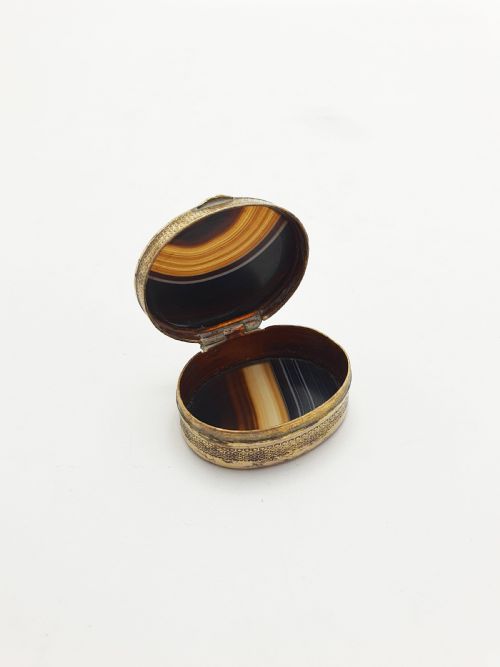
Makers utilised organic materials such as tortoiseshell, agate, abalone shell, and boxwood alongside precious metals, often mounting minerals into hinged frames. The functional lid is a defining structural element across all forms.
How They Were Made
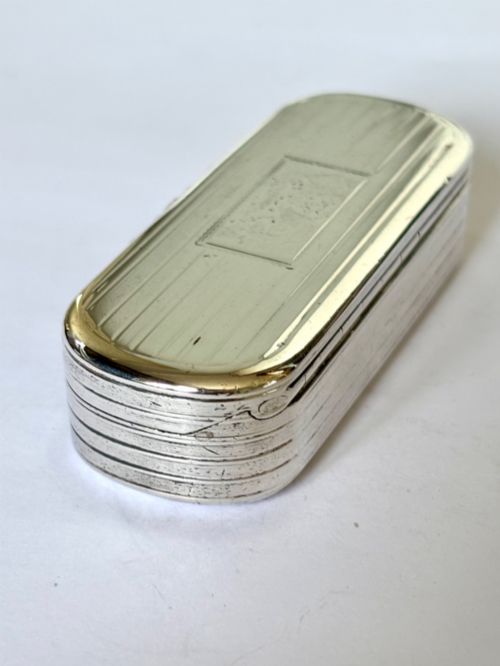
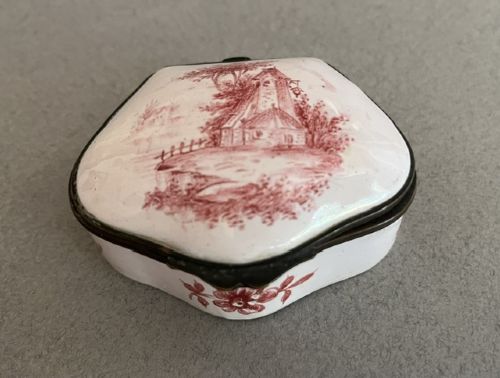
Silversmiths employed casting, chasing, and engine turning to apply guilloche patterns to metal surfaces, while makers working in wood utilised intricate marquetry or turned laburnum and boxwood on a lathe. Porcelains were moulded, hand-painted, and glazed before receiving metal mounts.
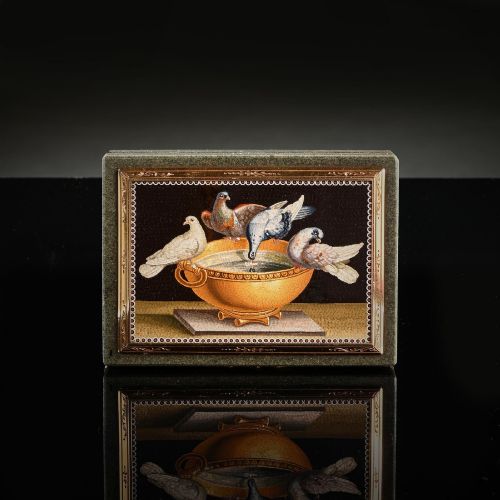
Stone and shell elements required expert lapidary work to cut and polish moss agate, granite, and tortoiseshell thin enough to fit flush within gilt brass or silver bezels. Hinges and catches were hand-fitted to ensure a tight closure for contents.
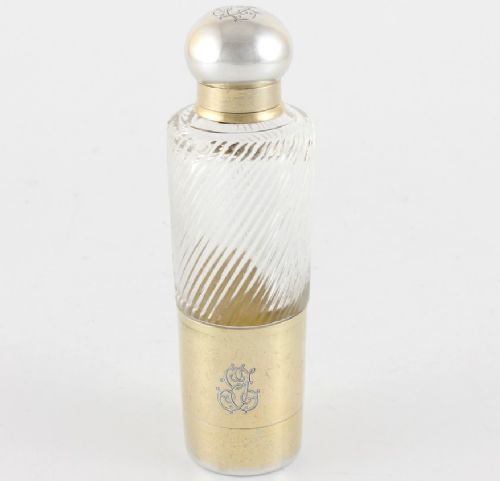
Listings feature sterling silver, porcelain, glass, and tortoiseshell formed into boxes and vinaigrettes across Georgian and Victorian periods.
What Varies in Quality
The distinction between tiers rests upon the precision of the metalwork, the weight of the silver or gold utilised, and the delicacy of any hand-painted enamel or micromosaic scene. Heavy cast silver and crisply executed engine turning indicate superior craftsmanship.
Gioacchino Barberi·Robert Thornton·Edme Samson Of Paris·Posen of Frankfurt and Berlin·William Eaton·John Caw·Edward Smith
The 19th Century Pill Box Glossary
- Vinaigrette
- A small hinged box containing a perforated inner grill soaked in aromatic vinegar or smelling salts. It served to revive individuals overcome by vapours.
- Guilloche
- An ornamental pattern produced by a mechanical lathe that engraves precise, intricate geometric bands into metal. It is frequently seen beneath translucent enamel.
- Niello
- A black metallic alloy used as an inlay on engraved silver surfaces to highlight contrasting linear designs. The technique creates a bold graphic effect.
- Treen
- Small handmade wooden household objects and utilitarian wares turned or carved from burls and native timbers. Laburnum and boxwood were common choices.
- Micromosaic
- A picture assembled from tiny coloured glass tesserae fused together to create miniature landscapes or portraits. These panels were typically set into gold mounts.
19th Century Pill Box: Frequently Asked Questions
What were they used for?
These small vessels were carried in pockets or reticules to hold medicinal pills, lozenges, or refreshing powders during travel. Their tight lids kept contents dry and secure.
Wealthy owners used them to display status through precious materials like gold, silver, and imported porcelain, turning a medical necessity into an ornament of personal dress.
How do I tell periods apart?
Georgian examples often favour Neoclassical motifs, crisp bright-cut engraving, and heavy gauge silver or gold. They display a restrained elegance distinct from later eras.
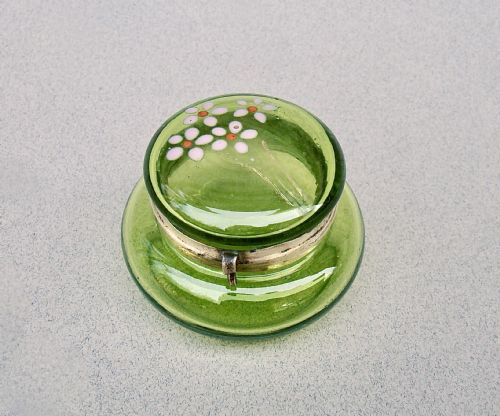
Victorian pieces embrace heavier cast ornamentation, Revivalist styles like Rococo, and varied combinations of coloured glass, granite, and agate. Maker marks and hallmarks provide definitive dating for British silver.
How do I clean silver boxes?
Silver surfaces benefit from gentle dusting with a soft cloth to remove everyday residue. Avoid aggressive liquid dips that strip antique patina or damage set stones and enamel.
If tarnish obscures detail, apply a mild proprietary silver polish sparingly with a cotton bud, keeping moisture away from glued joints and internal linings.
Are tortoiseshell boxes fragile?
Tortoiseshell requires careful handling because dry environments can cause the organic material to warp or crack. Keeping them away from direct sunlight preserves their rich amber and brown tones.
Metal reinforcement frames protect the edges from knocks, but the natural horn remains sensitive to extreme temperature shifts and excessive moisture.