
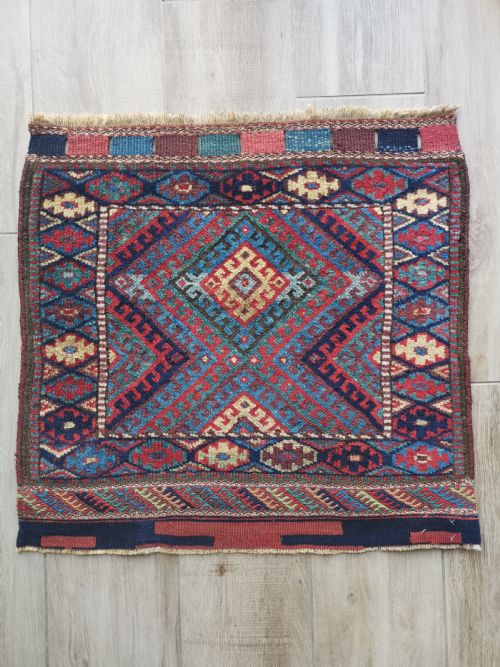


19th Century Persian Weaving
These pieces of 19th century persian weaving offer tactile depth and historic character for any interior through centuries of nomadic and village artistry.
19th Century Persian Weaving
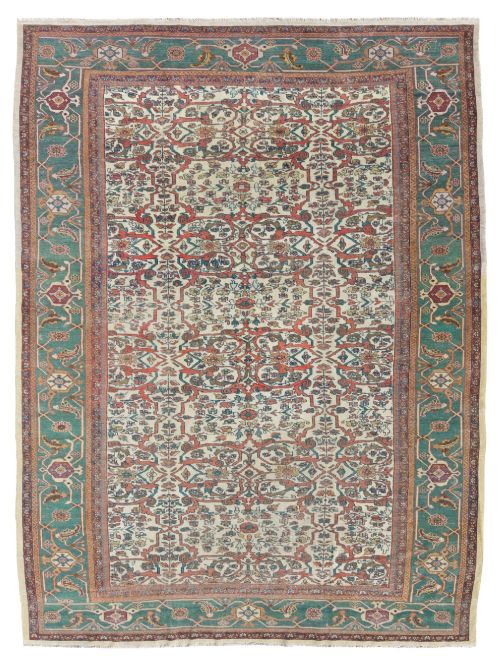
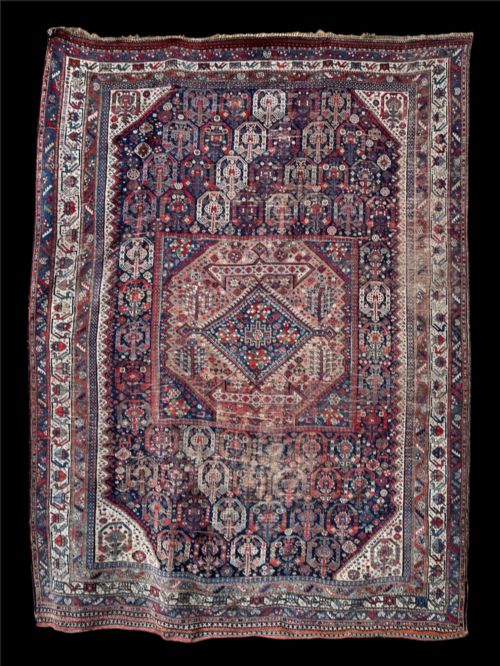
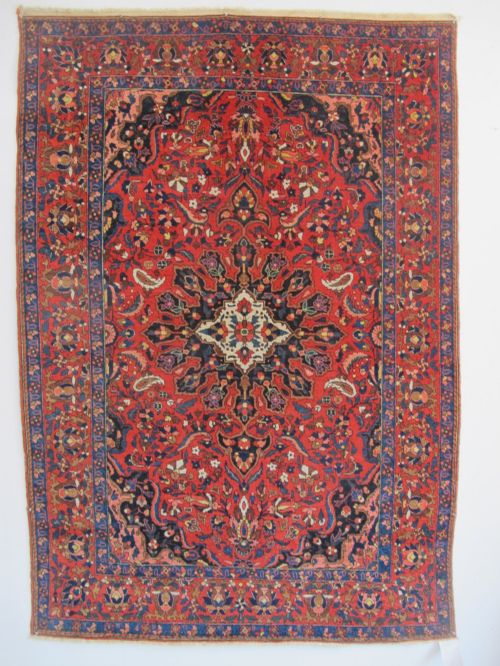
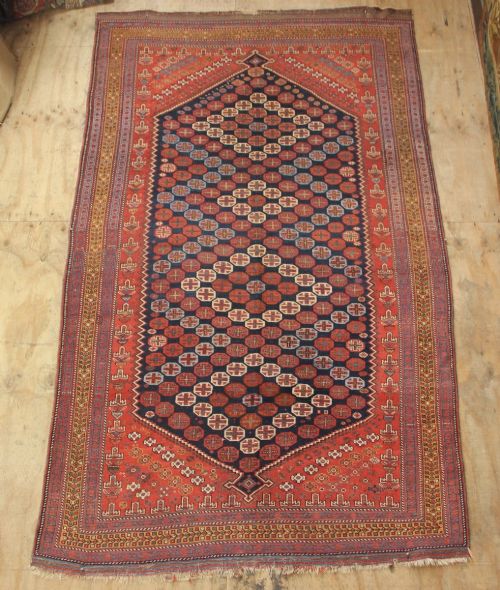
These items encompass hand-knotted carpets, runner rugs, and tribal textiles originating from various Persian regions and nomadic confederacies during the 19th century. Buyers searching for 19th century persian weaving encounter village formats like Heriz, Bakshaish, and Farahan, alongside smaller utilitarian objects such as saddle bag faces and cushions.
The selection ranges from large salon carpets like Sultanabad to tribal pieces woven by Baluch, Afshar, and Khamseh groups. These textiles served practical functions within tribal camps and village homes before becoming sought-after decorative elements.
The forms span structural area rugs, mounted silk jajim fragments, and complete main carpets dating from the middle decades through to the turn of the 20th century. Each provenance brings distinct regional patterns, from Kurdish lattice designs to Turkmen guls.
Materials and construction methods
Weavers constructed these carpets and textiles primarily using wool foundations and pile, supplemented by cotton warps and wefts in many village workshop pieces. Certain nomadic items incorporate goat hair, camel hair, and silk elements to provide structural contrast and textural variety.
Makers utilised natural dyes derived from plants and minerals to colour the wool and silk yarns, creating nuanced tones that deepen with age. These hand-spun materials were knotted on upright looms using symmetrical or asymmetrical knotting techniques specific to each tribe or workshop.
Several nomadic bag faces retain their original plain weave backs, offering a charming glimpse into utilitarian animal transport.
Factors of quality and execution
The standard of these textiles depends on the purity and handling of the natural dyes, which determine how richly the palette ages across the wool and cotton pile. Finer knot density and precise execution of intricate tribal motifs distinguish superior examples from standard village production.
The integrity of the structural weave, including the preservation of original borders and selvedges, dictates the overall condition and visual impact of the rug. Balance in design layout and the scarcity of specific regional patterns further elevate particular carpets within the broader category.
The 19th Century Persian Weaving Glossary
- Main carpet
- A large floor covering traditionally woven for domestic use within a tribal tent or village home. These pieces typically feature expansive field designs and balanced border guards.
- Bagface
- The decorative front portion of a nomadic animal trapper or storage sack, preserved as an individual textile fragment. These smaller works often display dense, concentrated tribal iconography.
- Natural dyes
- Colourants extracted from biological sources such as plants, insects, and minerals prior to the widespread introduction of synthetic aniline dyes. They impart a rich, shifting patina over decades of light exposure.
- Gul
- A medallion or repeating octagonal motif used extensively in Turkmen and related tribal weaving traditions. Each specific gul pattern identifies the particular clan or confederacy of the maker.
- Kalam donneh
- A traditional boteh-related motif arranged within the field design of specific regional rugs. The term refers to a repeating cone or almond-shaped pattern laden with symbolic meaning.
19th Century Persian Weaving: Frequently Asked Questions
How do I identify a tribal rug?
Tribal rugs are typically characterised by geometric motifs, asymmetrical layouts, and symbols inspired by nomadic daily life and local fauna. These pieces often utilise materials like goat hair or camel hair alongside hand-spun wool.
Villages and nomadic confederacies produced these textiles for personal utility rather than commercial export. This heritage distinguishes them from structured city carpets through spontaneous design shifts and deeply saturated natural dyes.
Where were these carpets made?
Production centres spanned across the Persian Empire, encompassing specific weaving towns such as Heriz, Ferahan, Seneh, and Sultanabad. Nomadic groups like the Baluch, Afshar, and Khamseh also wove across varying regional territories.
Each location developed a distinct visual vocabulary defined by local available materials and regional dye traditions. Geographic attributions rely on structural analysis of the knots, foundation yarns, and characteristic border designs.
How should I care for an antique rug?
Protect antique wool and silk textiles by placing them in areas away from direct, prolonged sunlight to prevent dye fading. Gentle, regular vacuuming without a rotating power brush helps remove abrasive dust from the pile.
Consult a specialist textile conservator for professional washing and repairs rather than attempting home chemical cleaning. Proper padding underneath helps absorb foot traffic and reduces friction against the historic foundation.