
19th Century Paint Box
When you search for a 19th century paint box, you discover practical wooden containers that carried artist supplies or decorative pigments across generations.
19th Century Paint Box
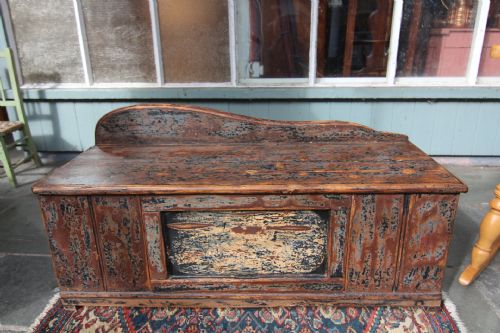
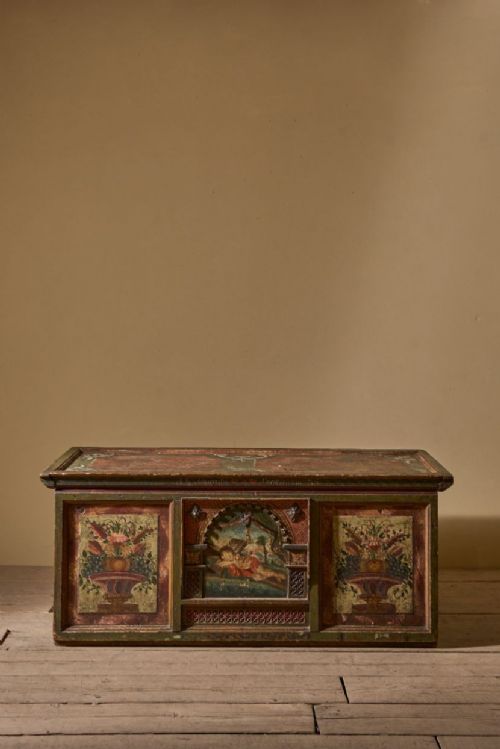
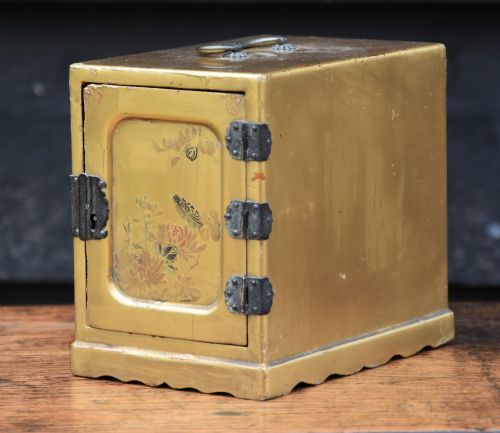
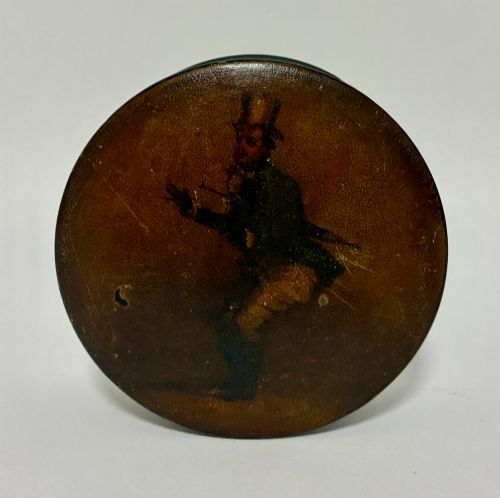
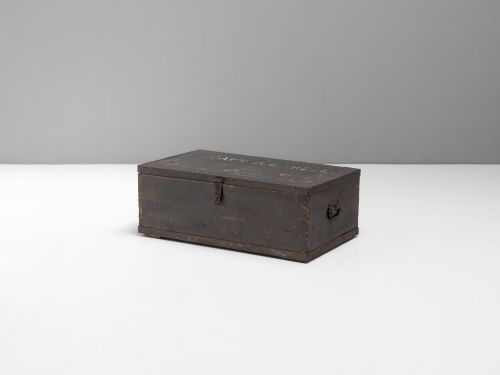
A 19th century paint box encompasses wooden receptacles utilised by artists and craftsmen to transport watercolours, oils, and dry pigments. These items appear alongside broader categories of small wooden chests, document boxes, and utilitarian containers.
Makers designed these objects with internal compartments, lift-out trays, and fitted slots to secure glass bottles, pigment pans, and brushes during travel. Many examples retain traces of the original coloured pigments on their interior surfaces from daily studio use.
Buyers encountering this search phrase frequently meet pine, oak, and hardwood specimens originating from English, European, and broader international workshops. The surviving pieces bridge the gap between utilitarian studio equipment and collectible folk art.
Materials and construction
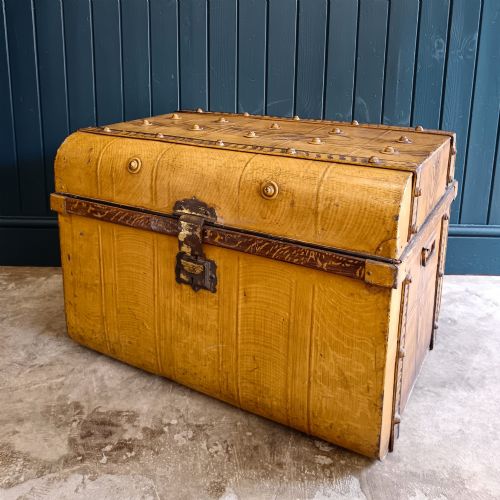
Carpenters typically constructed these boxes from sturdy timber such as pine and oak, frequently utilising dovetail joints at the corners to withstand regular movement. Brass hinges, flush drop handles, and small locking mechanisms provided durability and security for valuable pigment supplies.
Surfaces were often left in natural timber, finished with clear varnish, or decorated with painted folk motifs, scumble glazes, and protective coatings. Interiors received careful attention, incorporating thinly partitioned cedar or mahogany inserts designed to cradle delicate ceramic palette bowls and glass mixing slabs.
Several surviving wooden boxes still bear permanent colourful thumbprints left behind by messy 19th-century painters mixing pigments in a hurry.
Judging the standard
Quality in these containers is dictated by the integrity of the original joinery and the completeness of the internal fittings. Boxes that retain their original dividers, mixing trays, and manufacturer stamps sit at a higher tier than those altered or stripped down over time.
The survival of untouched surface treatments, whether aged varnish or authentic decorative paint, elevates an example significantly. Finer hardware, such as thick brass brasswork and functioning locks with matching keys, distinguishes workshop pieces from simpler domestic carpentry.
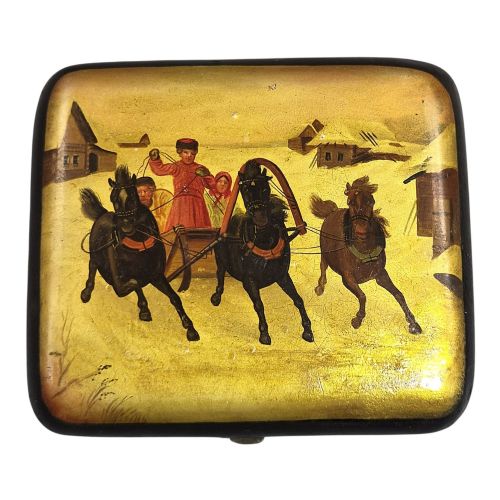
Vishnyakov Workshop·Samson of Paris·Stobwasser
The 19th Century Paint Box Glossary
- Dovetail joint
- A corner construction method interlocking wedge-shaped fingers of wood. This technique provides exceptional tensile strength for heavy transport.
- Scumble
- A translucent layer of paint dragged over a different base colour. This method creates mottled, aged textures on pine surfaces.
- Treen
- Small handmade wooden household objects. These items were turned on a lathe or carved by hand.
- Pigment
- Dry colouring matter ground into powder form. Painters mixed these substances with binders inside the box to create paints.
- Palette
- A thin board or slate utilised by artists for holding and mixing colours. These rested inside dedicated box compartments during transit.
19th Century Paint Box: Frequently Asked Questions
How were these boxes transported?
Artists carried their equipment using sturdy top handles fitted to the wooden lid or packed them securely inside larger leather or canvas travelling cases.
Many incorporated brass reinforcements on the corners to absorb the knocks and scrapes of frequent journeys between the studio and the open landscape.
What fits inside the compartments?
The internal wooden divisions held ceramic paint pans, glass mixing bottles, charcoal sticks, and folding horn or bone palette knives.
Lift-out trays created a double-layer storage system, keeping delicate brushes separated from heavier blocks of pigment below.
How do I clean the interior?
Historic surfaces require gentle dry dusting with a soft brush to preserve the original pigment stains and aged patina accumulated over decades of use.
Avoid applying liquid cleaners or modern solvents directly to the bare timber or painted areas, as these substances can strip the historic finish.
Were all boxes meant for artists?
Similar rectangular chests served multiple trades, functioning as deed holders, apothecary storage, or general stationery receptacles alongside artist supplies.
Examining the internal layout for specific brush rests and pigment wells helps confirm whether an individual box served a painter or another trade.