


19th Century Ormolu Candlestick
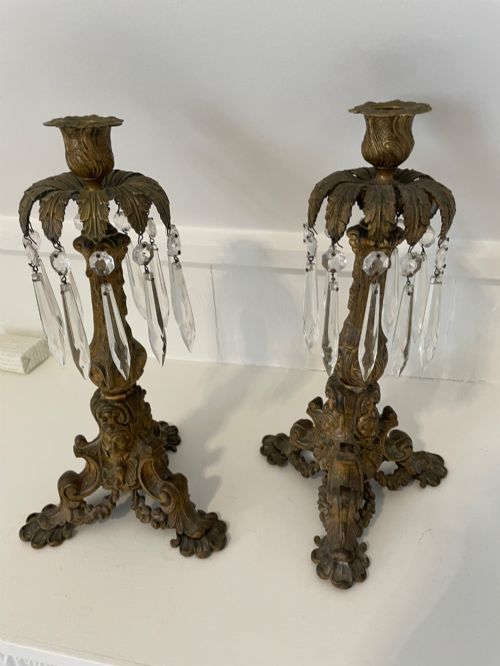
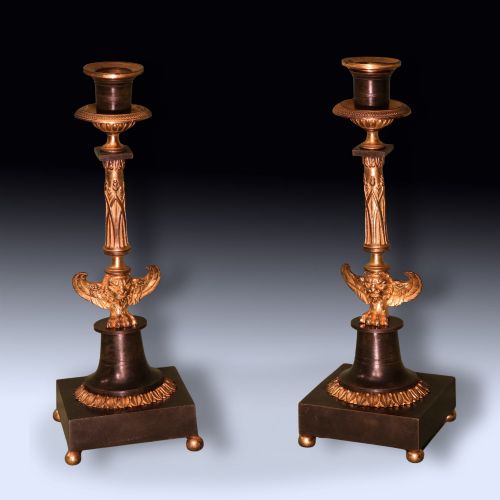
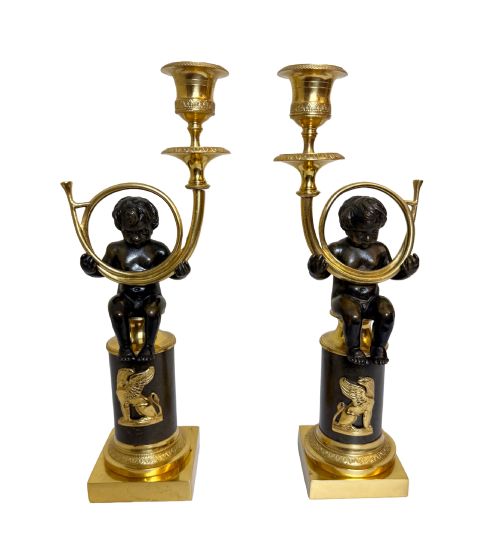
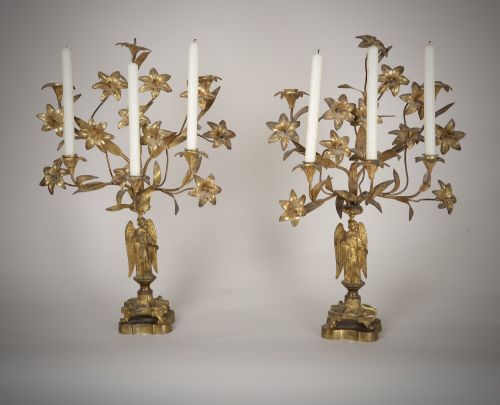
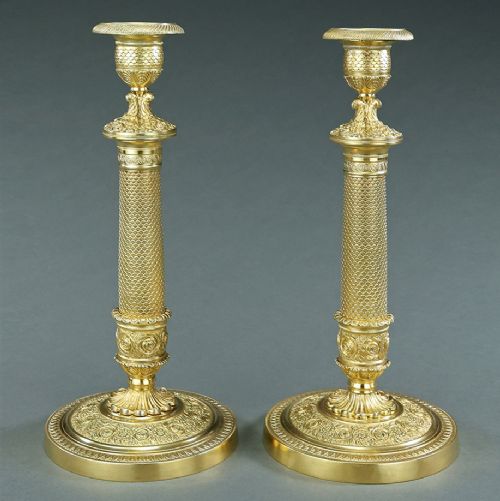
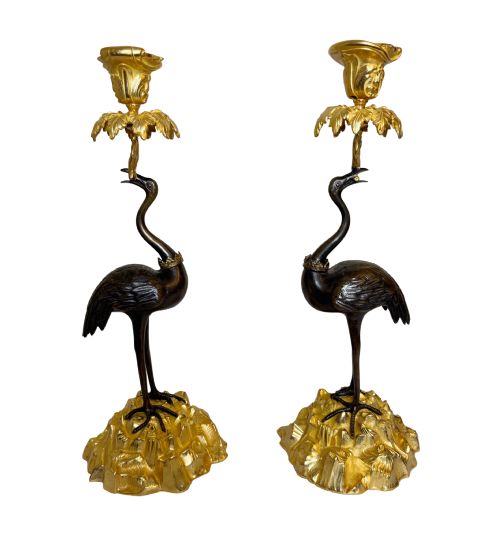
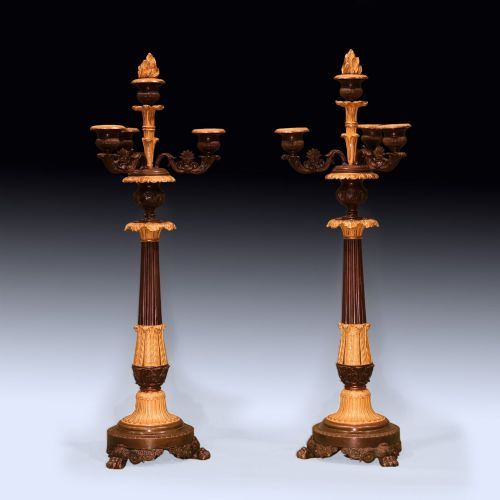
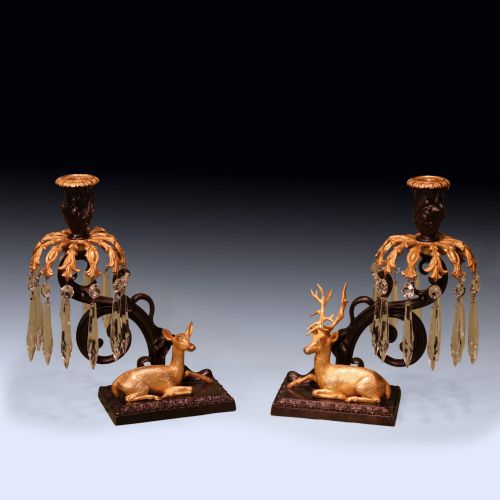
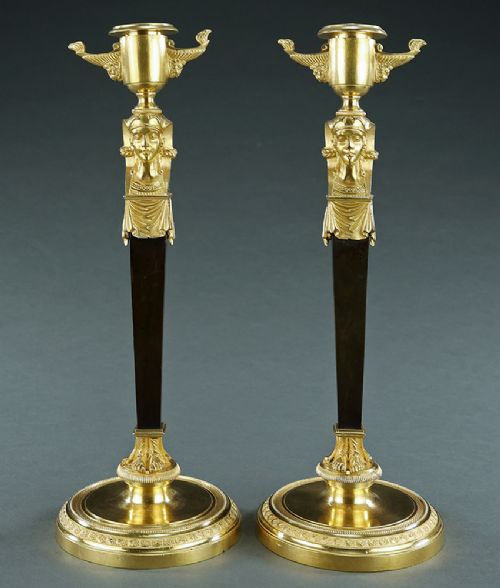
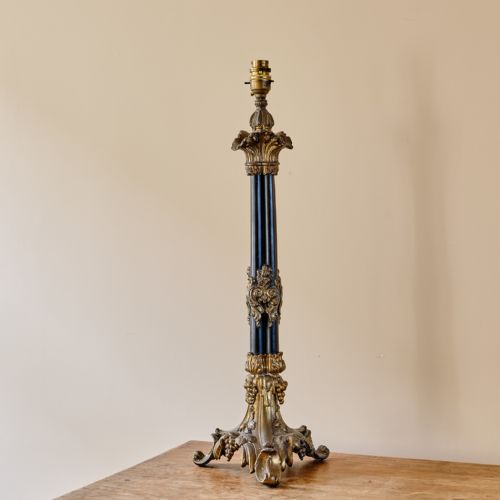
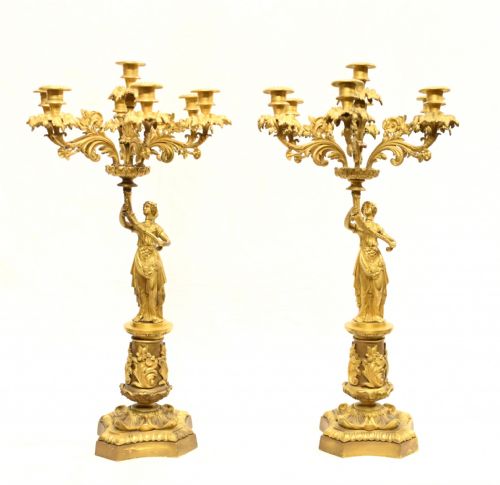
A 19th century ormolu candlestick brings heavy gilt metal and classical bronze figures to a mantelpiece.
19th Century Ormolu Candlestick
A 19th century ormolu candlestick is an interior lighting accessory formed from cast metal with a high-gold-content surface finish, frequently paired with contrasting dark bronze elements. These objects emerge in various forms across the 19th century, ranging from single candle holders to multi-branch candelabra and converted table lamps.
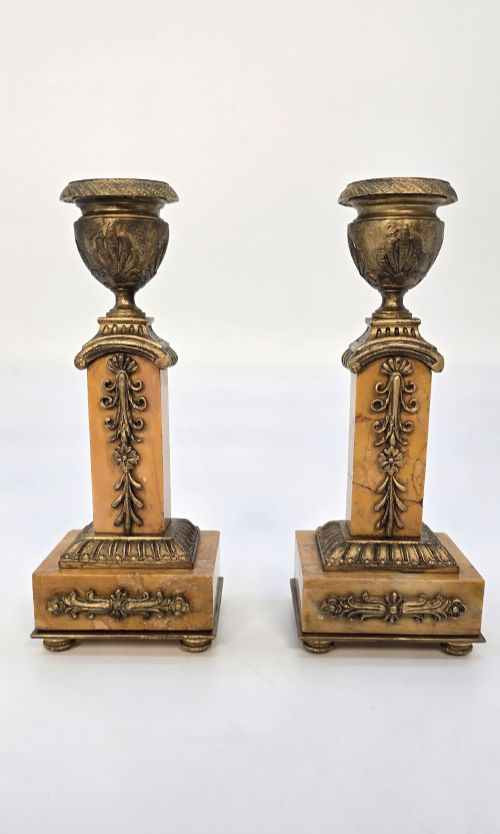
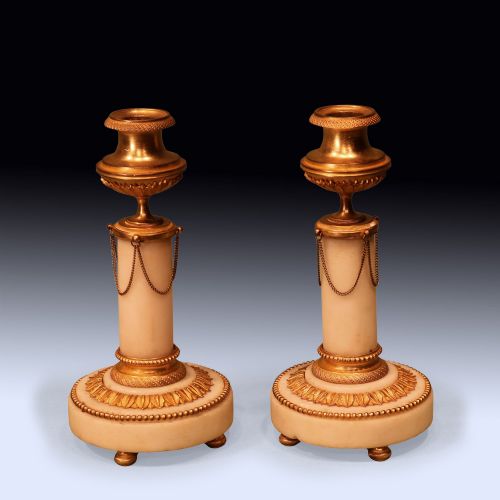
Buyers meet works spanning French Empire, Regency, and Rococo Revival styles, often featuring figural motifs like cherubs, storks, and caryatids. Many examples integrate stone elements such as white marble, onyx, or slate into their structural bases.
The selection includes specific desk accessories and inkstands alongside standard candlesticks, reflecting the varied domestic and writing-room functions of the period.
What varies in quality
The weight and selection of supporting materials also differ, with dense marbles and multi-component construction marking the higher tier of production.
19th Century Ormolu Candlestick Retail Price Guide 2026
Typical asking prices for 19th century ormolu candlestick among the pieces listed under this phrase on Sellingantiques today, from the lower quarter to the upper quarter. They describe what is for sale here now, not the wider market.
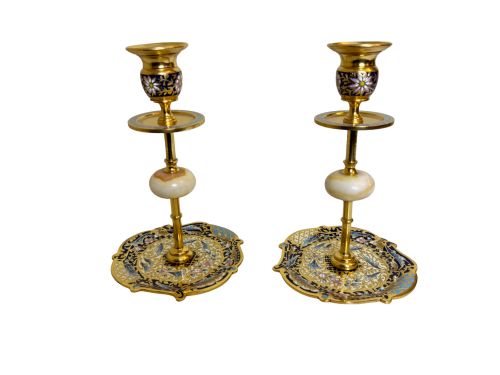
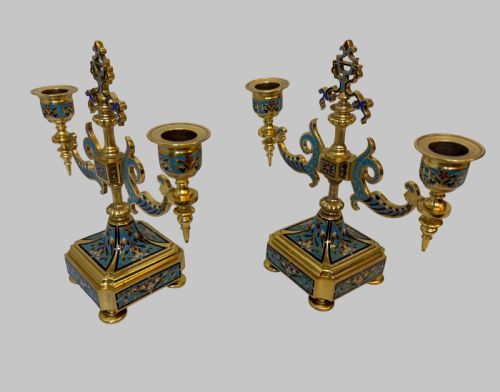
Listings feature items incorporating champleve enamel, white marble, slate, and blue glass alongside gilt bronze.
Claude Clodion·Thomas Abbott
The 19th Century Ormolu Candlestick Glossary
- Ormolu
- A gilt bronze surface technique involving the application of a gold and mercury amalgam to a base metal, which is then heated to drive off the mercury. This process creates a durable, golden finish characteristic of decorative metalwork from the period.
- Candelabra
- A branched lighting fixture designed to hold multiple candles simultaneously. These pieces often feature removable upper arms to function as single candlesticks.
- Patinated Bronze
- Bronze treated with chemical solutions to produce a darkened surface tone. This dark finish contrasts directly with the bright gold areas of ormolu on mixed-media pieces.
- Champleve Enamel
- A technique where troughs or cells are dug into a metal surface and filled with vitreous enamel powder before firing. The resulting coloured patterns often decorate the stems and bases of later 19th-century items.
- Grand Tour
- A term applied to objects acquired by wealthy travellers journeying through continental Europe during the 19th century. These pieces frequently draw upon classical architectural and sculptural motifs.
19th Century Ormolu Candlestick: Frequently Asked Questions
How do I clean an ormolu candlestick?
Dust the surface gently with a soft, dry brush to prevent the accumulation of dirt in the chased recesses of the metal. Avoid all liquid polishes and abrasive cleaners, as these substances strip the historic gilt layer.
Keep the pieces away from direct moisture and handling oils to preserve the stability of the mercury-gilt finish over time.
Were these originally used with candles?
These objects served primarily as domestic lighting devices for wax or tallow candles before the widespread adoption of domestic electricity. Many surviving examples were later converted into table lamps during subsequent decades.
The inclusion of drip pans and removable nozzles indicates their original functional role in capturing melted wax during evening use.
How do I tell Empire style from Rococo Revival?
Empire style pieces display strict symmetry, military trophies, and classical motifs derived from ancient Rome and Egypt. They favor architectural lines and dark patinated bronze contrasts.
Rococo Revival items feature asymmetrical scrollwork, naturalistic foliage, and flowing curves without rigid geometric balance.
Why do some have marble bases?
Heavy stone plinths provide essential physical stability to offset the top-heavy weight of cast metal branches and figures. White marble and slate introduce architectural contrast to the warm tone of the gilt metal.
Mineral bases also elevate the metal components, protecting delicate wooden furniture surfaces from direct heat and friction.