



19th Century Oriental Figure
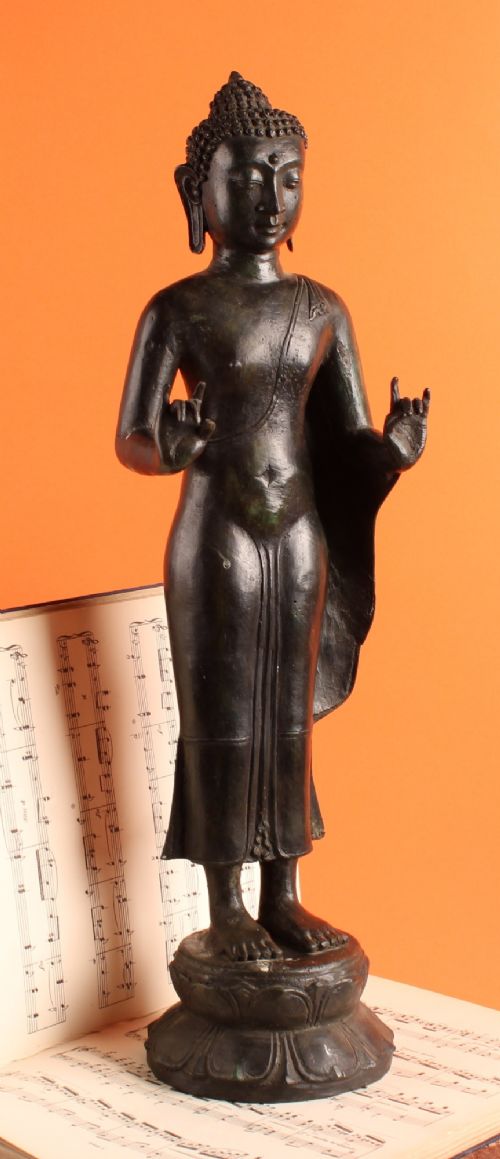
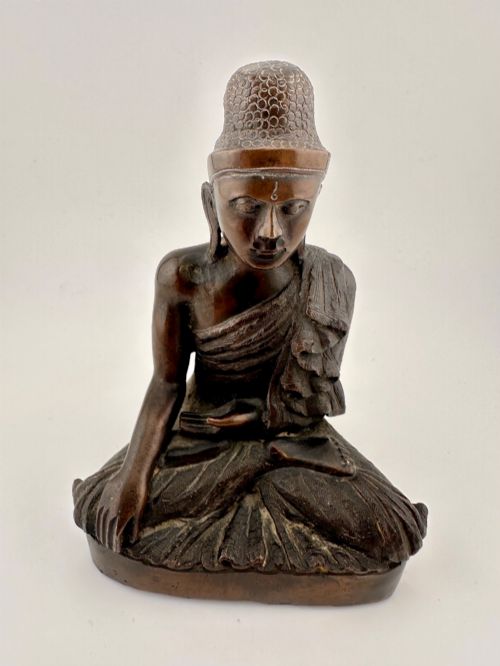
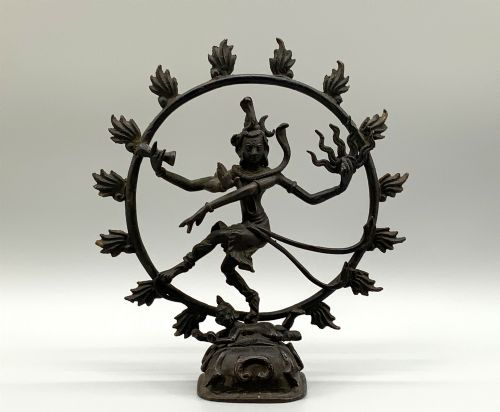
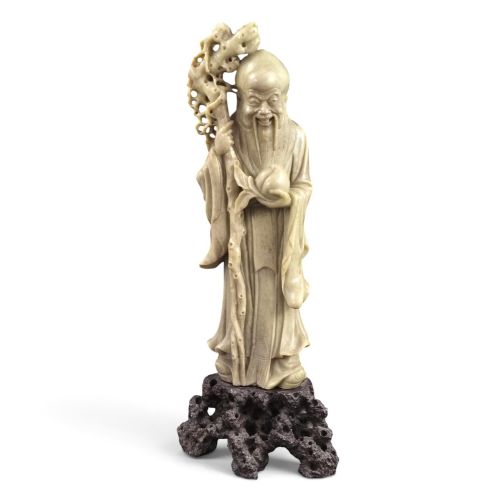
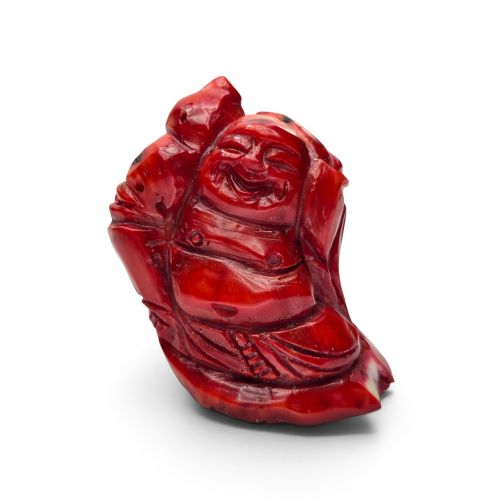
These pieces gather the cast of a 19th century oriental figure, capturing deity statues, deities in bronze, and carved wood from eastern traditions.
19th Century Oriental Figure
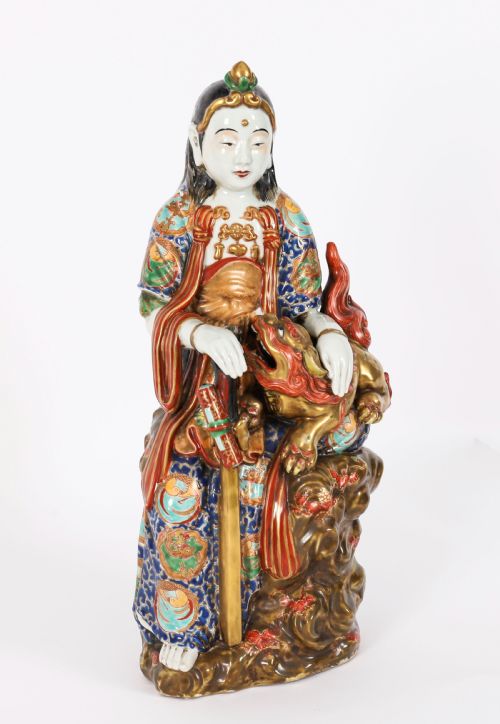
A 19th century oriental figure spans bronze Buddhas, carved hardwood fisherman sculptures, and porcelain deities originating from China, Japan, Burma, and India. Buyers seek these forms for their devotional history and regional craftsmanship.
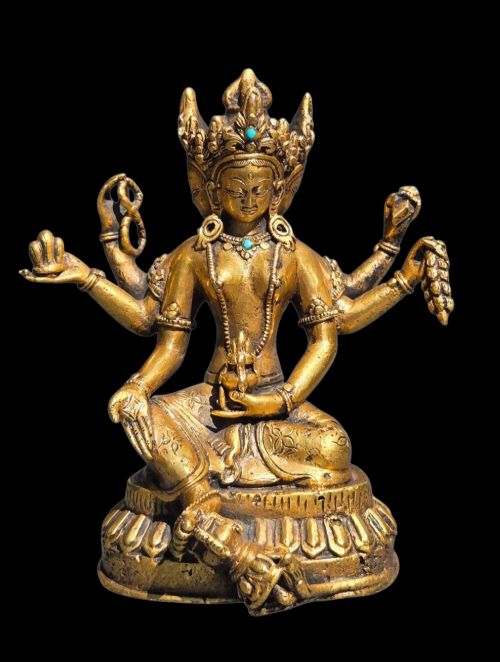
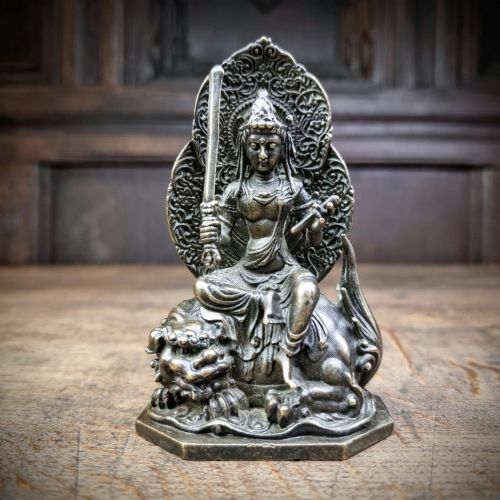
The most frequent examples on this page are cast bronze or carved wooden representations of figures such as Guanyin, Buddha, and regional deities originating during the Qing Dynasty and the Meiji period.
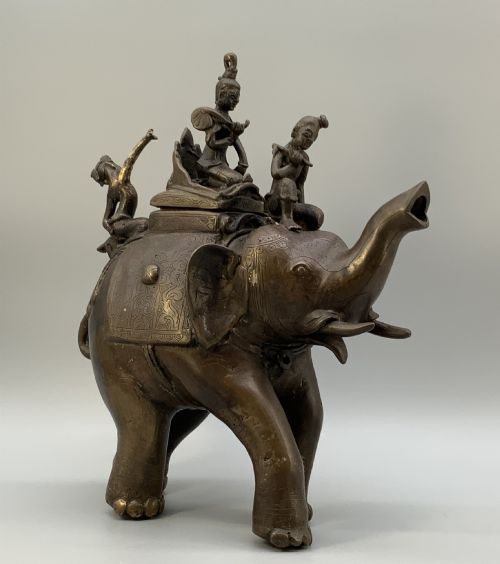
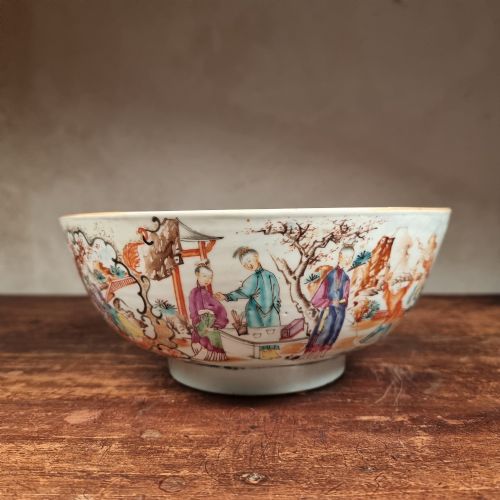
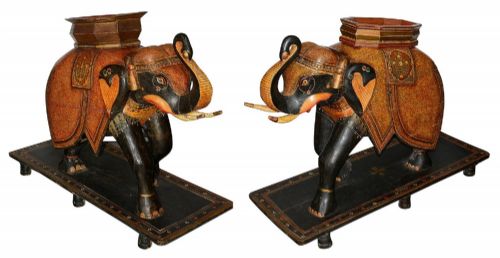
Beyond standalone sculptures, the selection encompasses related objects such as porcelain snuff bottles, lacquer elephants, and ceramic vases featuring figural motifs.
Materials and construction
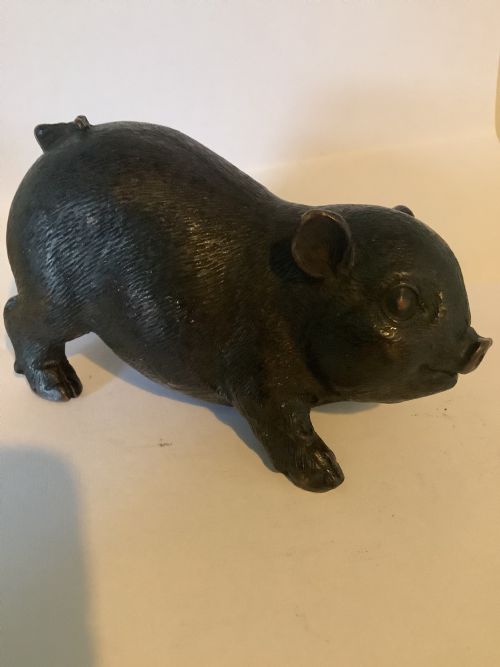
Metals such as bronze and brass were cast using traditional methods, often incorporating fine chisel work, gold leaf gilding, or inlay details like turquoise.
Carved pieces utilise dense materials including hardwood, soapstone, root wood, and white marble, shaped with high relief and detailed surface scoring.
Ceramic figures and vessels employ porcelain bodies finished with polychrome paints, famille rose enamels, or glazes associated with Kutani and Shiwan production.
Even a 19th-century bronze French bulldog finds a place among the eastern deities.
Distinctions in craftsmanship
The integrity of surface treatments, such as preserved gilding, original lacquer, or controlled polychrome enamel application, dictates the visual strength of the piece.
Friedrich Goldscheider
The 19th Century Oriental Figure Glossary
- Meiji Period
- The era in Japanese history spanning from 1868 to 1912, known for sophisticated bronze casting and wood carving. Pieces from this time often display naturalistic animal and human forms.
- Qing Dynasty
- The final imperial dynasty of China, ruling from 1644 until 1912. Artworks from this period frequently utilise famille rose porcelain and detailed jade or wood carving.
- Guanyin
- A venerated East Asian bodhisattva associated with compassion. Sculptures of this figure appear frequently in porcelain, wood, and stone.
- Okimono
- A Japanese ornamental figurine designed for display on a tokonoma alcove or shelf. These carved wood or ivory objects gained popularity during the 19th century.
- Mudrā
- A symbolic or ritual gesture used in Buddhist iconography. The hand positions on these figures identify specific teachings or protective qualities.
19th Century Oriental Figure: Frequently Asked Questions
How do I identify a Meiji period Japanese bronze?
Meiji period bronzes often display a deep brown or black patina combined with meticulous surface detailing on subjects like animals or figures.
Examine the casting quality around the joints and underside, as these works typically exhibit high technical skill from late 19th-century Japanese foundries.
What distinguishes Chinese Qing Dynasty ceramics?
Qing Dynasty ceramics encompass famille rose enamel palettes and detailed figural scenes depicting scholars or immortals.
These pieces reflect the rigid stylistic standards and trade demands of the imperial and export markets during the 19th century.
Where should I place a bronze Buddha in a room?
Bronze Buddhas and deity figures function well as focal points on sideboards, low tables, or dedicated display shelves.
Keep them away from direct moisture and handle them with clean hands to protect the historic metal patina.
How do I care for carved hardwood and ivory figures?
Carved hardwood and organic figures require stable room humidity to prevent splitting or shrinkage of the timber.
Dust them gently with a soft, dry brush and avoid applying modern polishes or cleaning liquids to the historic surfaces.