


Oval Mount Gilt Frames
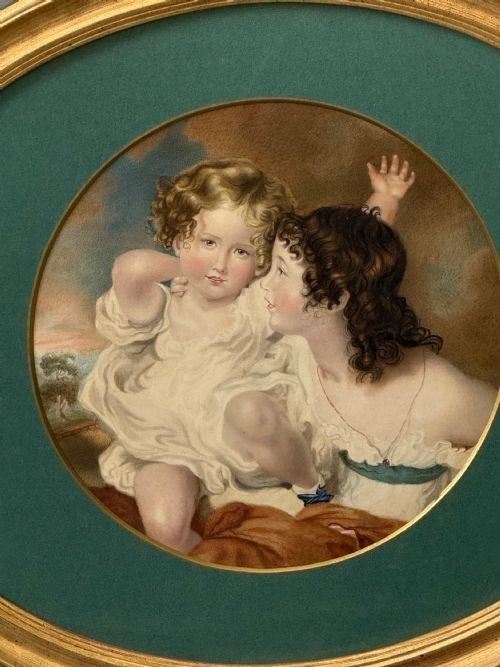
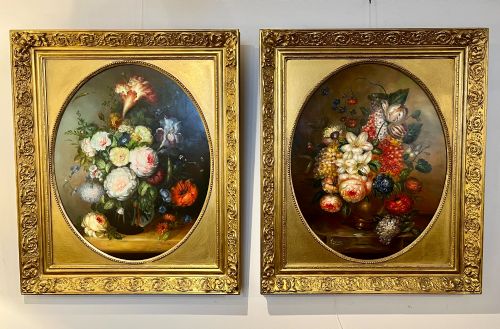
These oval mount gilt frames house centuries of portraits, mirrors, and delicate watercolours.
Oval Mount Gilt Frames
Oval mount gilt frames enclose historical portraits, watercolours, and mirrors from the eighteenth and nineteenth centuries. You encounter oil paintings, silkwork embroideries, and prints set within these curved surrounds.
The pieces on this page include Victorian items alongside Georgian and Regency works. They take the form of wall mirrors, oil paintings, and framed artwork with distinct rounded borders.
Makers housed these pieces in giltwood and gesso housings designed to draw the eye to the central image. The curved format softens the corners of a room and frames human subjects with classical proportion.
How they were made
Carpenters formed the structural bodies from wood before applying layers of gesso to build up decorative relief. Artisans then gilded these surfaces using gold leaf or metallic paint to achieve a bright, reflective finish.
Makers secured glass, canvas, paper, and card within the wooden housings using traditional backing methods. Painted surfaces utilised oil, watercolour, pastel, or embroidery textiles mounted securely inside the oval aperture.
Listings feature items from the eighteenth, nineteenth, and early twentieth centuries, utilising wood, glass, gesso, and silk.
What varies in quality
The depth and crispness of the gesso carving separate standard frames from finer examples. Hand-worked mouldings show sharper definition in the botanical or classical motifs than mass-produced alternatives.
The preservation of the original gilt surface dictates the character of the piece. Patina develops naturally over centuries, and the integrity of the underlying wood determines structural stability.
Arthur William Devis·Robert Kemp·Francis Moltino·Andrea Soldi·Gerrit Schipper
The Oval Mount Gilt Frames Glossary
- Giltwood
- Wood that has been coated with gold leaf or a gold-coloured finish. This material creates the warm, reflective border characteristic of these frames.
- Gesso
- A plaster mix applied to wood bases to create smooth or moulded surfaces for gilding. It allows craftsmen to carve intricate relief patterns before applying gold leaf.
- Regency
- A British design period spanning the early nineteenth century. Pieces from this era often display clean classical lines alongside ornate gilded decoration.
- Victorian
- The period covering the reign of Queen Victoria, producing diverse artistic styles. Many framed watercolours and mirrors on this page originate from these decades.
Oval Mount Gilt Frames: Frequently Asked Questions
How do I hang heavy oval mirrors?
These large country house mirrors require secure wall fixings distributed evenly across the primary wooden structure. Professional picture hangers utilise steel wire and wall anchors suited to the weight of the timber and glass.
Ensure the hanging wire attaches firmly to the structural frame rather than decorative surface mouldings. Check the wall construction before installation to guarantee permanent support.
How should I clean gilt frames?
Dust these surfaces gently with a soft, dry brush to remove particles without disturbing the fragile gold leaf. Avoid liquid cleaners and chemical sprays entirely, as moisture strips historical gesso and gilding.
Professional conservators handle deeper cleaning of accumulated grime on nineteenth-century surfaces. Regular gentle dusting prevents the buildup that necessitates chemical intervention.
Are these oil paintings original?
The works listed span eighteenth-century portraits to nineteenth-century seascapes created using traditional pigment and canvas materials. Each piece reflects the painting techniques and artistic styles of its specific historical period.
Examining the canvas backing, stretcher bars, and pigment ageing helps confirm the age of the artwork. Many retain their original framing housing.
What rooms suit oval framed art?
Curved frames introduce organic shapes that soften linear architectural elements in living rooms and hallways. Portrait paintings and botanical prints complement traditional study spaces and dining rooms.
Pairing mirrors with complementary wall art creates balanced focal points within domestic interiors. The reflective gilt surface helps brighten darker corners of a room.