



Gilded Frame Pastel Drawing
These gilded frame pastel drawing works capture intimate likenesses through delicate pigment held by paper or canvas within ornate wooden borders.

Gilded Frame Pastel Drawing
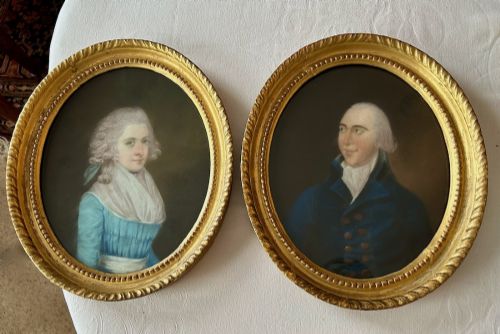
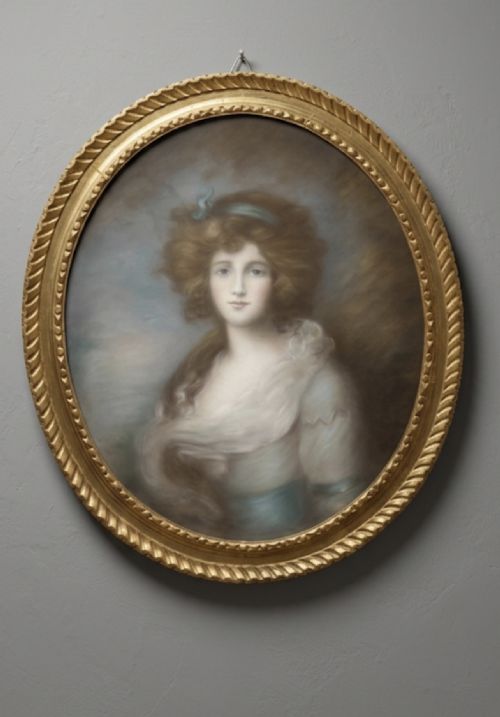
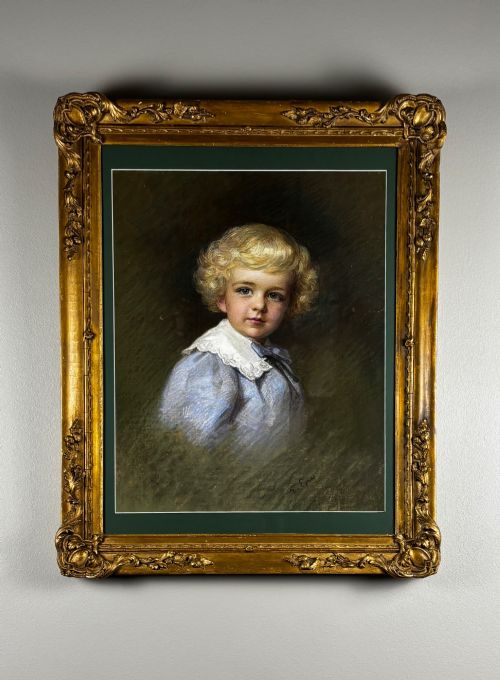
A gilded frame pastel drawing presents historical portraits and figurative studies enclosed within reflective metallic wooden mouldings. When exploring this selection, buyers encounter works spanning the Georgian, Victorian, and Edwardian periods.
The dominant forms are individual and paired portraits depicting subjects ranging from children to society figures. These pieces originate from distinct stylistic traditions including French School compositions and British portraiture.
Makers and artists represented across the listings include named figures such as Emily Eyres, John Raphael Smith, Nathaniel Bermingham, and Gaston Bouy. Each piece demonstrates the enduring appeal of fragile chalk mediums preserved behind protective glass.
Materials and construction methods
Artists applied soft coloured pastels directly onto paper or canvas grounds to build up subtle tonal gradations and lifelike complexions. This dry pigment technique requires glass protection to prevent the chalk dust from smudging or deteriorating over time.
The surrounding enclosures consist of wood frames finished with layers of gilt, creating a bright metallic boundary that complements the delicate artwork within. These frames vary from simple mouldings to elaborate carved profiles reflecting Georgian and later decorative tastes.
A youthful Henry Brooker and Esther Vallance stare out across the centuries, looking remarkably composed despite sitting still for powdered chalk.
Distinctions in craftsmanship and preservation
The preservation of both the fragile pastel surface and the original giltwood frame determines the desirability of the piece. Intact glass glazing and minimal disturbance to the chalk layer distinguish well-kept historic works from heavily restored alternatives.
Emily Eyres·John Raphael Smith·Nathaniel Bermingham·Gaston Bouy
The Gilded Frame Pastel Drawing Glossary
- Pastel
- A dry painting medium composed of powdered pigment and a binder, formed into sticks for direct application to paper or canvas. This material produces velvety textures and luminous colour effects without the need for drying oils.
- Giltwood
- Timber that has been coated with a thin layer of gold leaf or metallic powder, frequently utilised for decorative antique framing. It provides a reflective surface that enhances the artwork it encloses.
- Chinoiserie
- A decorative style reflecting European artistic interpretations of Chinese and East Asian motifs, appearing in specific period works. This style incorporates intricate patterns and exotic thematic elements.
- Profile
- A side-view outline portrait of a subject, often executed with precise linear control in pastel or cut-out paper. These silhouetted depictions focus entirely on the distinct facial contours of the individual.
- Rococo
- An 18th-century artistic movement characterised by ornate scrollwork, asymmetry, and lighthearted decorative themes visible in period framing and composition. It emphasises elegance and intricate ornamentation.
Gilded Frame Pastel Drawing: Frequently Asked Questions
How do I care for a pastel drawing?
Keep the artwork away from direct sunlight and high humidity to protect the fragile chalk pigments from fading or moisture damage.
Avoid tapping or shaking the frame, as vibrations can cause loose pastel particles to detach from the paper surface beneath the glass.
Are these drawings executed on paper?
The works utilise both traditional paper supports and prepared canvas grounds depending on the specific period and artist's preference.
Protective glass covers every piece to shield the delicate pastel medium from environmental wear and accidental contact.
How can I identify the period of the frame?
Examine the construction joints, the composition of the gesso layers beneath the gold leaf, and the profile style to determine the era of manufacture.
Original frames often show consistent age-related wear and patination that matches the production date of the pastel artwork inside.
Where should I hang these portraits?
Select interior walls with stable temperatures and indirect lighting to preserve the structural integrity of both the giltwood frame and the drawing.
Pairing portrait pieces together or hanging them alongside period furniture helps create a cohesive historical display in domestic spaces.