
19th Century Oriental Carpet
When you search for a 19th century oriental carpet, you enter a field of hand-knotted wool, silk, and cotton floor coverings spanning diverse regional traditions.
19th Century Oriental Carpet
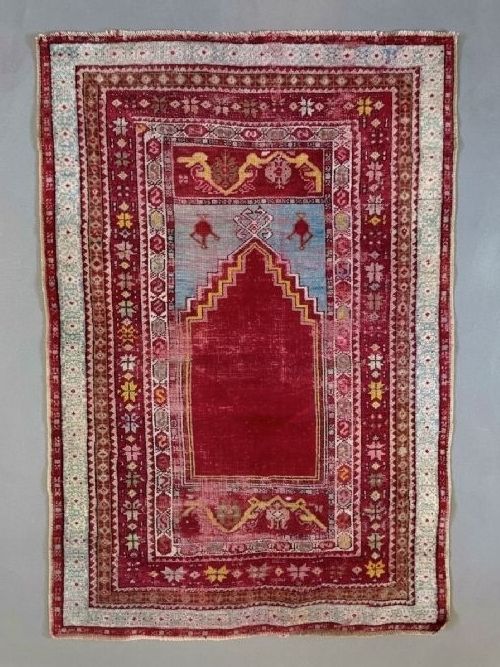
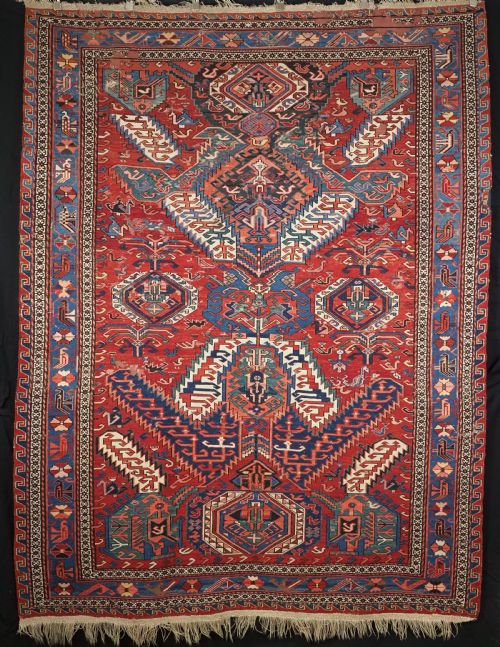
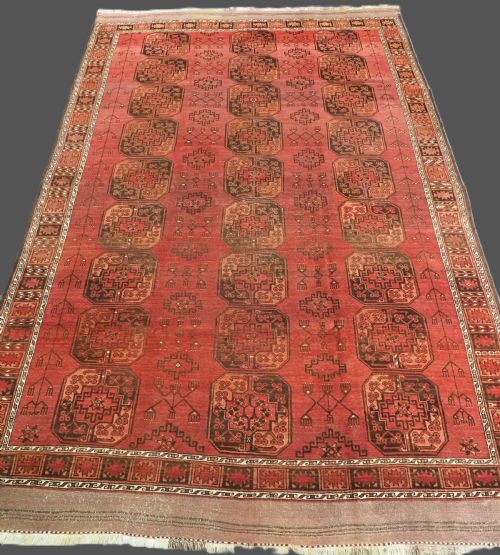
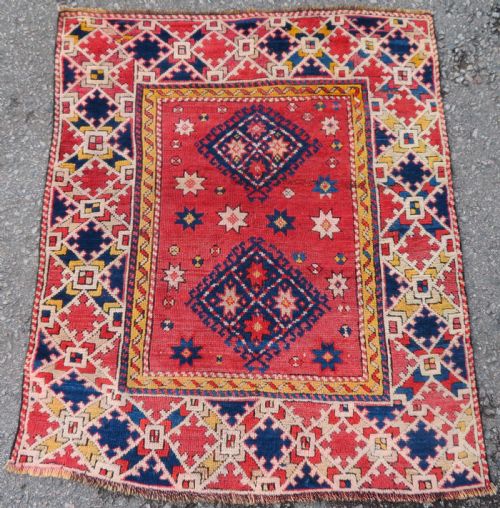
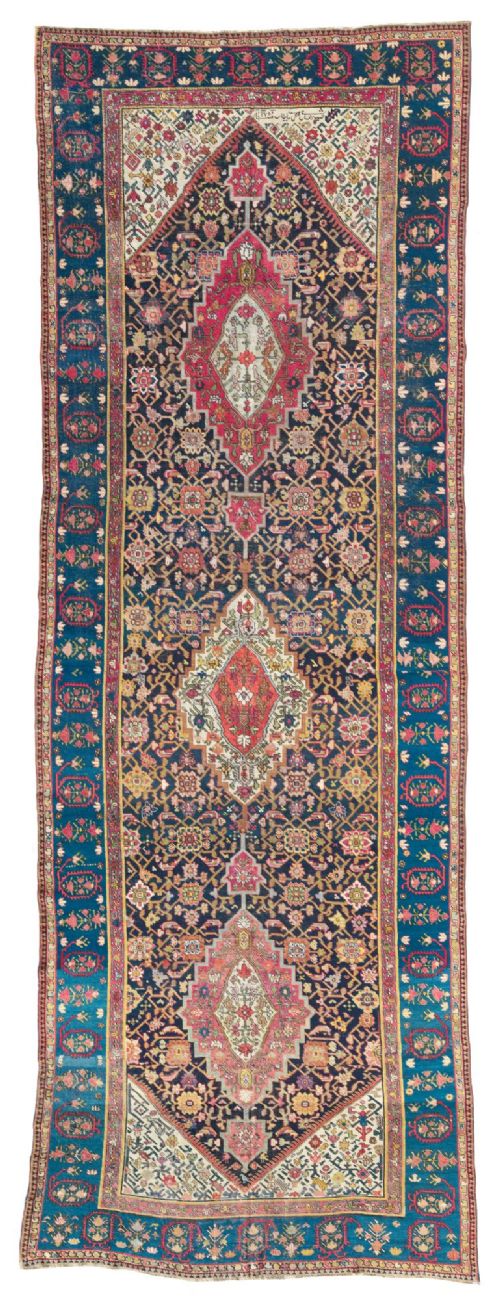
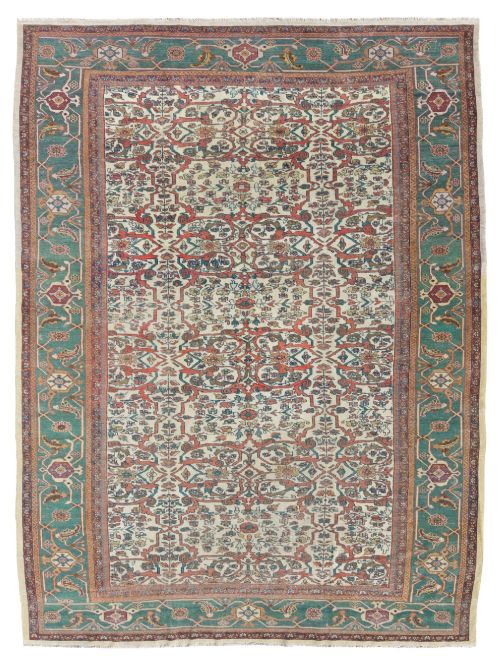
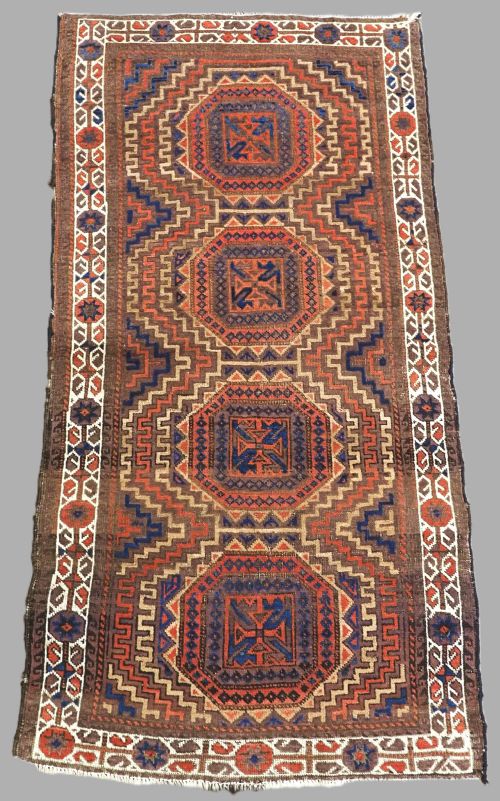
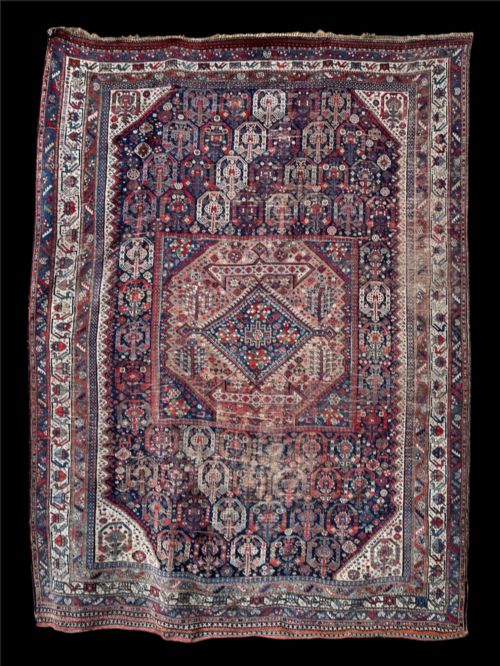
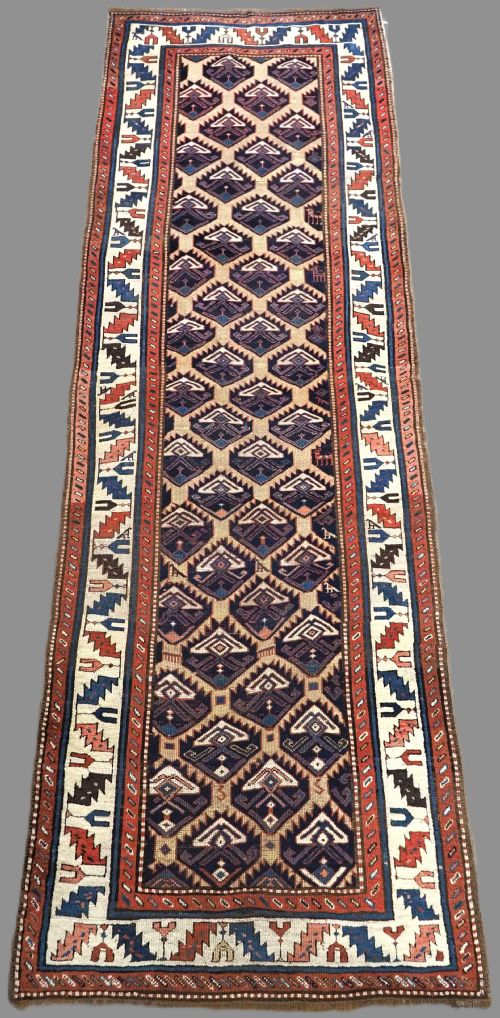
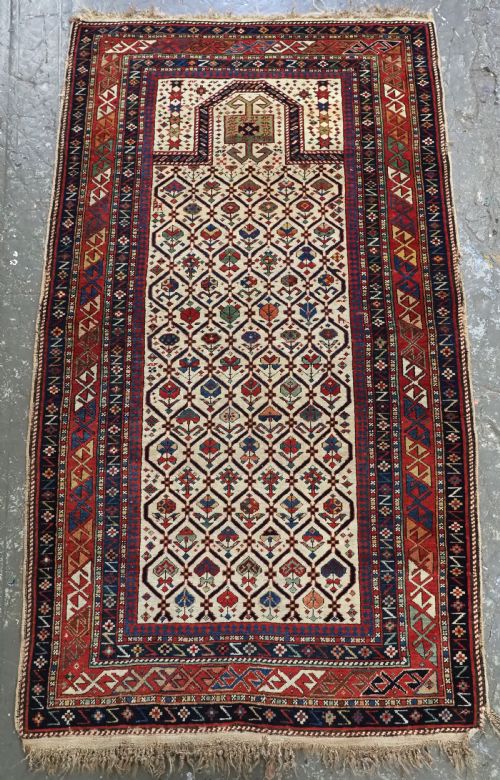
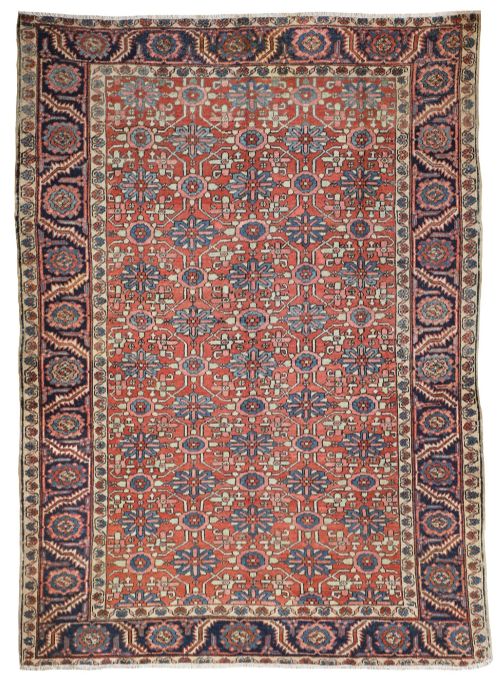
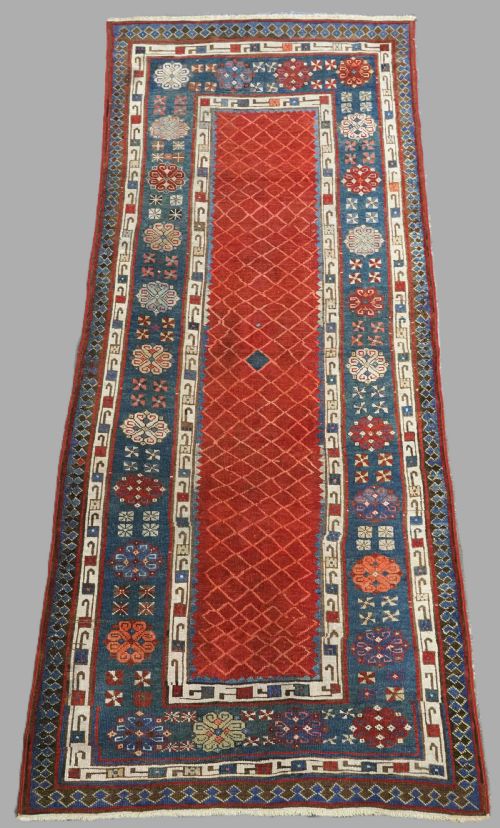
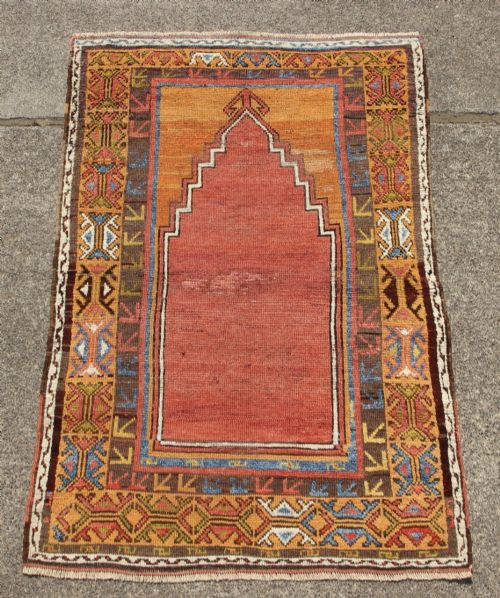
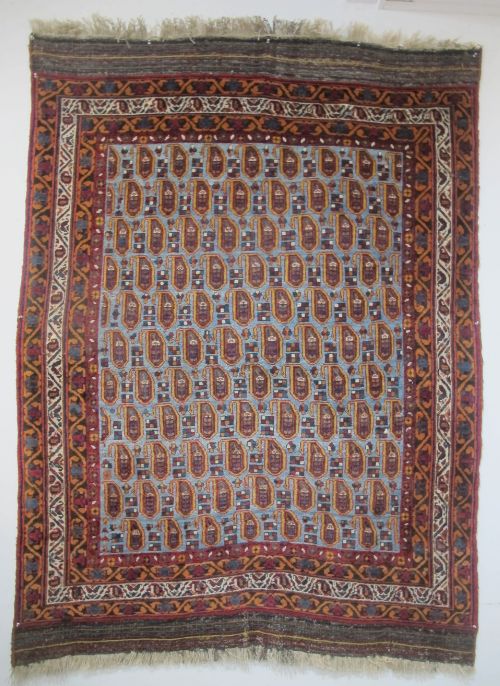
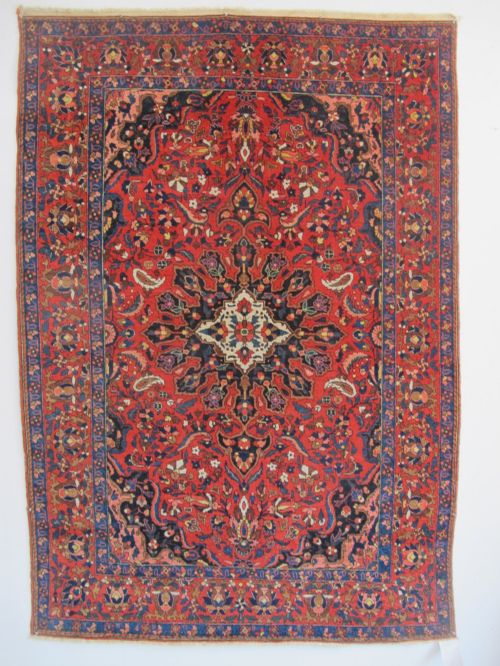
A 19th century oriental carpet encompasses room-sized floor coverings, smaller area rugs, and long runners woven across Persian, Caucasian, Anatolian, and Turkmen regions. These textiles display distinct tribal and town designs, including geometric lattices, central guls, and architectural prayer formats.
The most common examples on this page date from the decades between eighteen-fifty and nineteen-hundred. Buyers encounter both grand workshop carpets from centres like Sultanabad and Heriz alongside robust tribal weaves from nomadic confederacies.
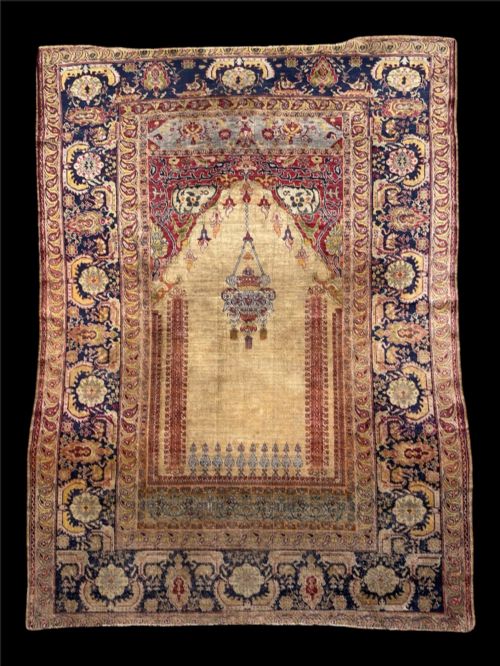
The practical forms range from expansive hall carpets to compact village prayer rugs and utilitarian torba faces. Each piece reflects the specific weaving grammar and cultural motifs of its distinct geographical origin.
Materials and Construction Techniques
The structural foundation relies predominantly on hand-spun wool, cotton, and occasionally silk for finer pile work and detail. Weavers knotted these fibres onto sturdy cotton or wool warps and wefts using traditional upright looms.
Natural dyes provide the foundational palette, yielding rich variations of tone that develop a characteristic patina over time. The combination of hand-spun materials and natural colourants gives these textiles their lasting structural integrity.
Listings feature wool, cotton, silk, and natural dyes across Caucasian, Persian, and Anatolian styles from the nineteenth and early twentieth centuries.
Variations in Quality
Quality in a 19th century oriental carpet relates to the precision of the knotting, the handling of the pile, and the clarity of the design drawing. Finer wool preparation and tightly beaten foundations distinguish workshop masterpieces from coarser tribal utility pieces.
The depth and brilliance of the natural dye palette also dictate standard, where skilful mordanting ensures vibrant and stable hues. Greater artistic expression in the secondary borders and central motifs separates exceptional regional examples from standard workshop output.
The 19th Century Oriental Carpet Glossary
- Gul
- A primary octagonal or gabled medallion motif frequently repeated across Turkmen and Baluch tribal carpets.
- Kelleh
- A traditional format describing a long, narrow carpet traditionally utilised in the reception rooms of Persian houses.
- Prayer Rug
- A textile featuring a distinct architectural mihrab arch design, created to direct the user during daily prayers.
- Torba
- A small storage bag or trapping produced by nomadic weavers, often displaying intricate gul patterns on the face.
- Warp
- The stationary vertical threads stretched parallel on the loom that form the structural skeleton of the carpet.
19th Century Oriental Carpet: Frequently Asked Questions
How do I identify a tribal carpet from a town carpet?
Tribal pieces usually feature spontaneous geometric motifs and bold, irregular colour shifts woven by nomadic groups. Town carpets display balanced, symmetrical floral layouts produced in fixed urban workshops.
Nomadic pieces often utilise heavy wool and elementary structures, whereas city workshops achieved finer knot densities on cotton foundations.
What is the difference between a rug and a runner?
A rug is proportioned for central floor placement in a room, while a runner is a long, narrow format suited for hallways and corridors. Both types share identical knotting techniques and regional material sources.
Runners frequently employ repeating lattice designs or continuous medallions to fit their elongated proportions.
How should I care for a antique carpet?
Protect the textile by placing it in low-traffic areas away from direct sunlight to preserve the natural wool pile and plant dyes. Regular gentle vacuuming without a rotating brush prevents dust accumulation within the foundation.
Professional cleaning by specialists in historic textiles ensures the structural safety of delicate cotton and silk foundations.
Where were these carpets originally woven?
Production centred across the Caucasus, Anatolia, and Persia, with distinct weaving traditions established in villages and nomadic camps. Each region developed specific palettes and geometric or floral vocabularies unique to local tribes.
Workshop production also flourished in urban centres to supply both domestic markets and international trade.