

19th Century Oak Dining Table
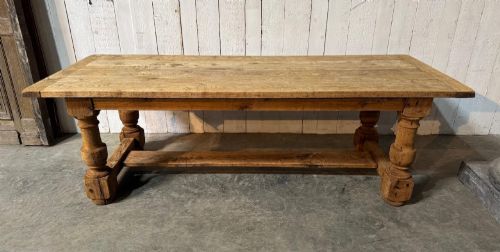
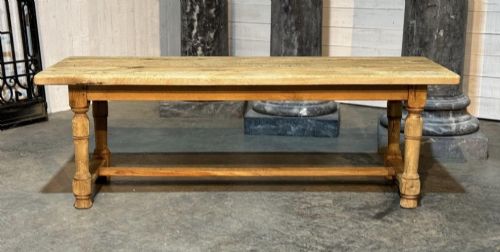
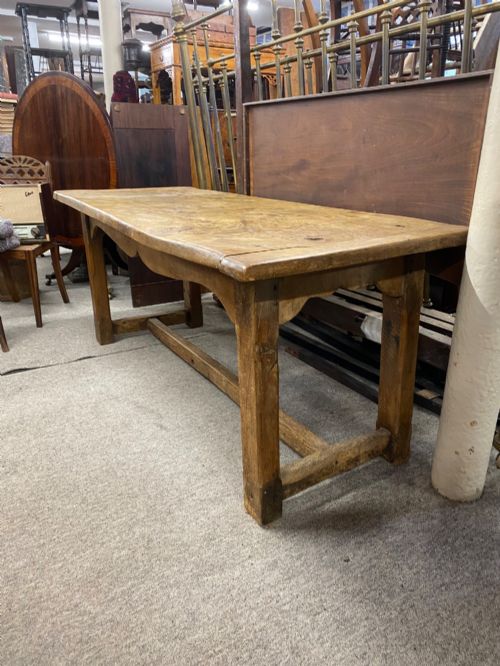
A 19th century oak dining table anchors a room with solid timber, offering a robust surface built for daily gatherings and decades of use.
19th Century Oak Dining Table
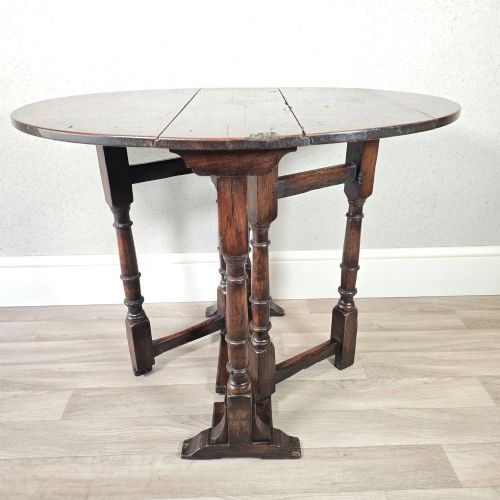
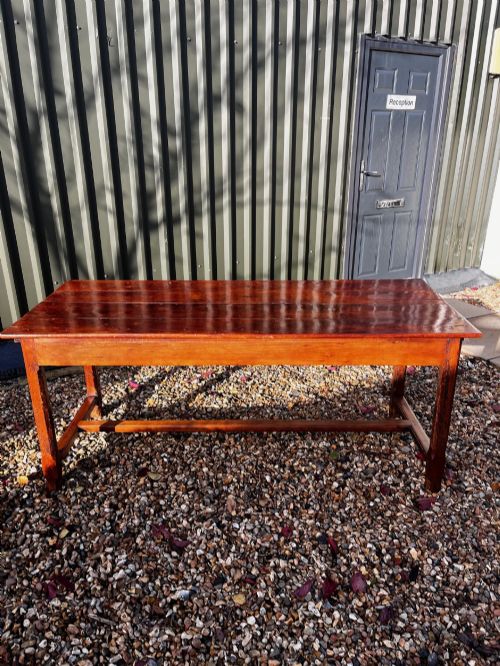
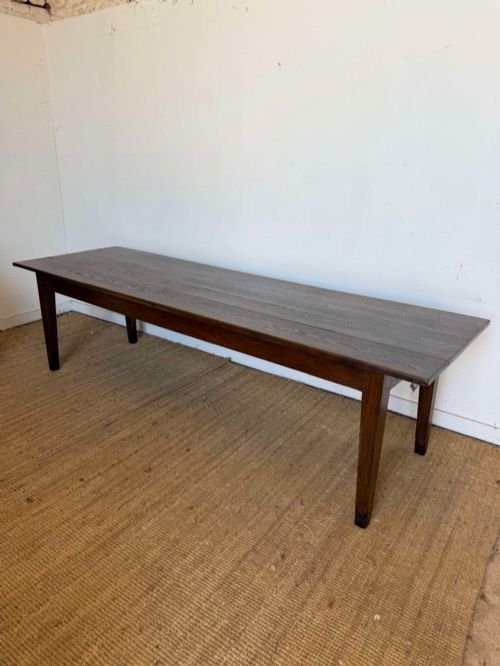
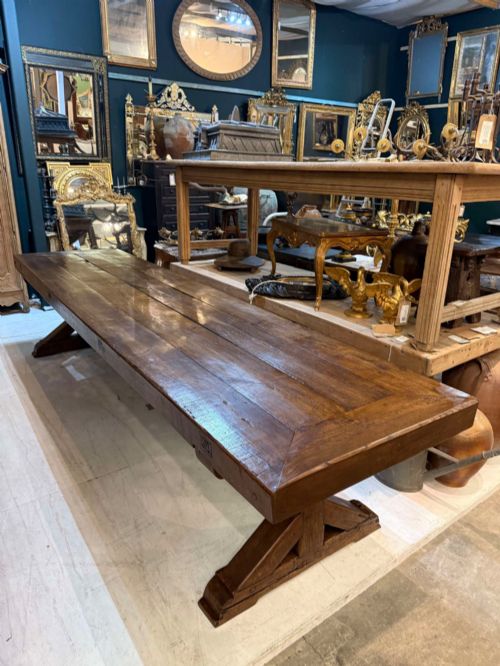
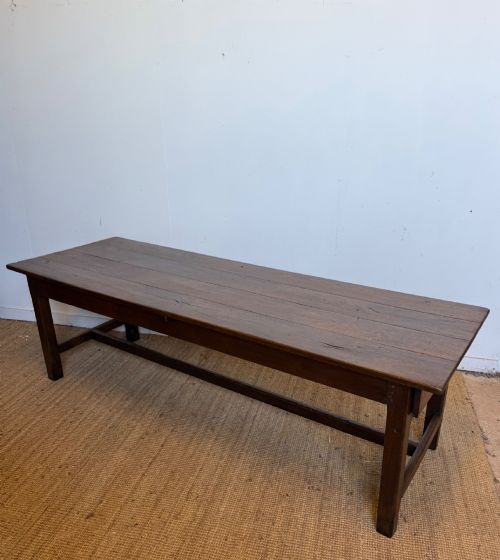
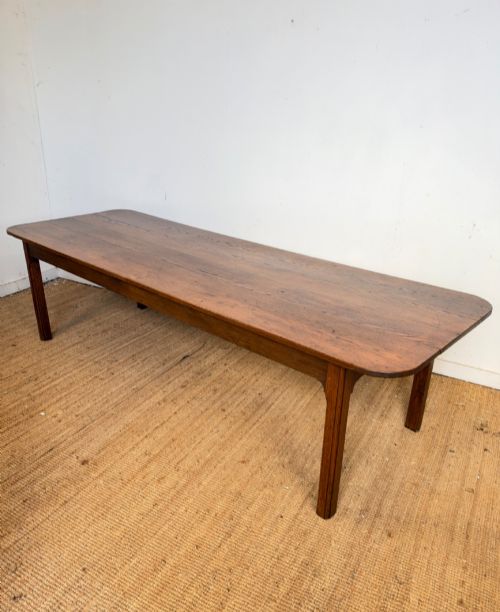
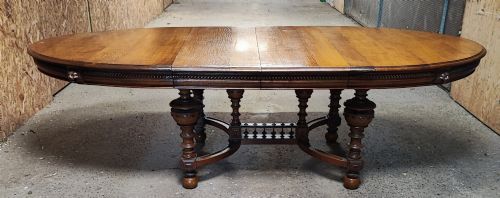
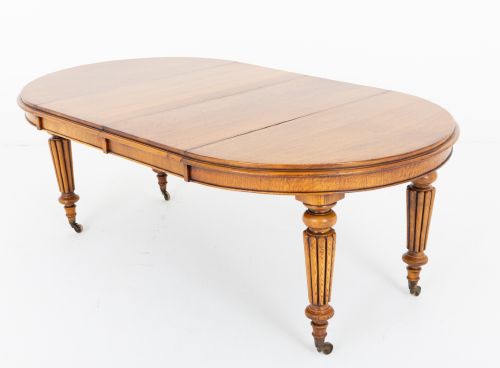
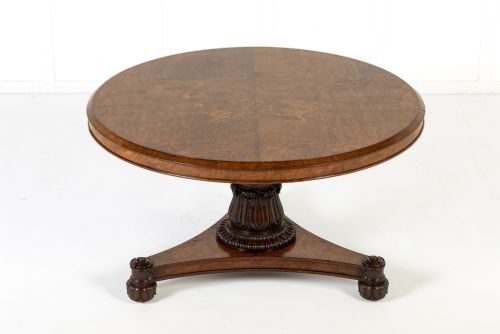
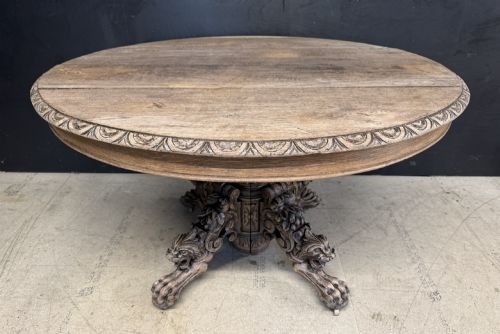
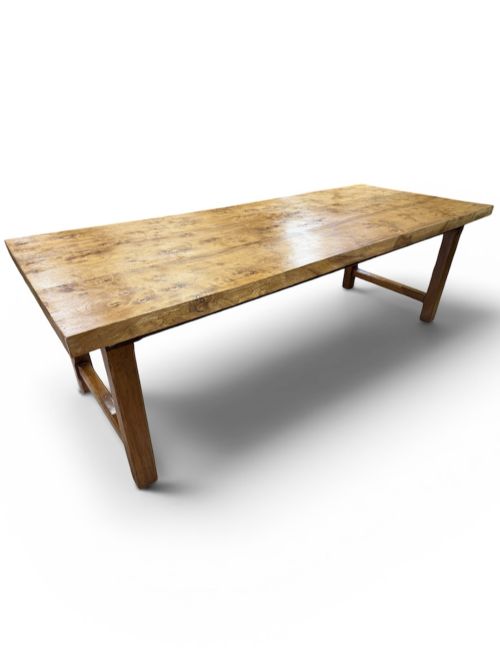
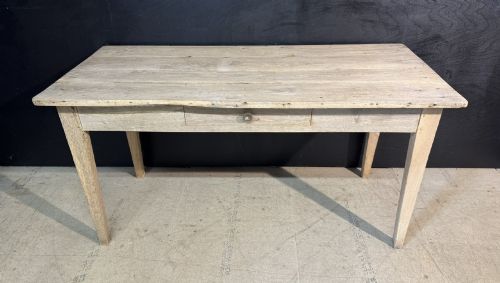
The selection ranges from early examples dated around 1800 to later Victorian and 1920s revivals. Forms include drop-leaf tables, circular extending variants, and long planked boards supported by sturdy legs.
What varies in quality
Quality rests on the selection of timber, particularly the thickness of the top planks and the grain pattern in quartersawn oak. Superior pieces display harmonious timber matching across wide surfaces rather than jarring contrasts.
Joinery execution dictates longevity, distinguishing straightforward utilitarian benches from finely carved revival pieces with smooth extension tracks or balanced drop-leaf hinges.
19th Century Oak Dining Table Retail Price Guide 2026
Typical asking prices for 19th century oak dining table among the pieces listed under this phrase on Sellingantiques today, from the lower quarter to the upper quarter. They describe what is for sale here now, not the wider market.
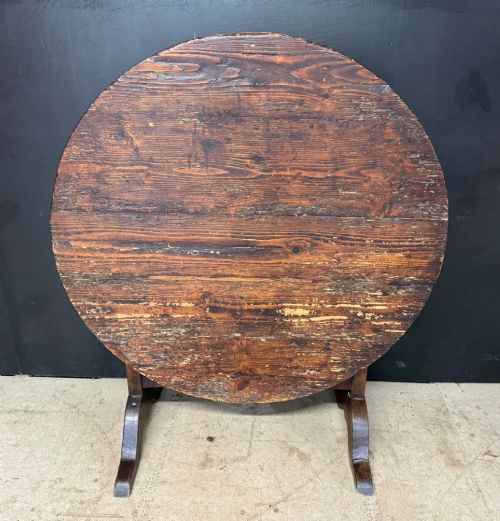
Wine tasting tables wait patiently for bottles, having spent their youth amidst French grape harvests.
The 19th Century Oak Dining Table Glossary
- Refectory table
- A long, narrow dining table traditionally used in monastic refectories and later adopted for domestic dining. These tables feature stretcher bases for stability.
- Drop leaf table
- A table with a fixed centre section and hinged flaps that fold down to save space. Brackets or swing legs support the flaps when raised.
- Extending table
- A dining table designed with a central mechanism or draw leaves to increase surface length. This type accommodates additional guests by pulling apart sections.
- Vendange table
- A traditional French wine tasting table featuring a round top, often with a tilt mechanism. Originally utilised during grape harvests in vineyards.
- Quartersawn oak
- Timber cut radially from the growth rings, producing a durable board with distinct medullary ray flecks. This method minimises shrinking and warping.
19th Century Oak Dining Table: Frequently Asked Questions
How do I seat six people comfortably?
Look for tables measuring at least two metres in length to allow adequate legroom between the base supports.
Refectory and farmhouse styles with recessed legs offer more flexibility for tucking chairs along the sides.
Are these tables suitable for daily family use?
Solid oak surfaces withstand heavy daily wear and handle accidental knocks better than veneered alternatives.
Routine waxing protects the timber grain from moisture and maintains the patina over years of meals.
How do I distinguish French from English tables?
French regional tables often feature fruitwood elements, bleached oak finishes, or carved aprons reflecting local craftsmanship.
English variants tend to show darker golden patinas, thick plank tops, and straightforward structural framing.
How does an extending mechanism work?
Victorian models typically utilise a central winding screw that separates the top halves to insert extra leaves.
Earlier tables rely on simpler drop leaves or pull-out draw mechanisms hidden beneath the main surface.