
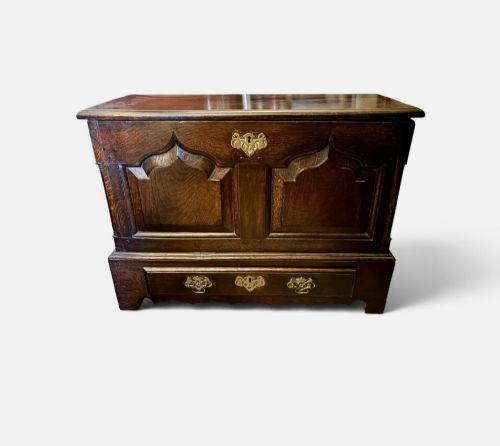
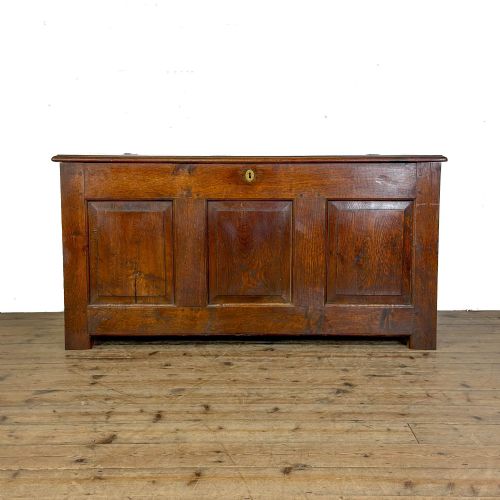


19th Century Oak Blanket Box
A 19th century oak blanket box provides robust storage with centuries of character, offering sturdy timber construction that anchors a room.
19th Century Oak Blanket Box
A 19th century oak blanket box encompasses traditional storage vessels used for linens, garments, and valuables across domestic spaces. When you search for this phrase, you encounter various forms including plain panels, carved coffers, mule chests with drawers, and heavily banded travel trunks.
The pieces on this page originate predominantly from the nineteenth century, including specific dates such as eighteen-seventy and eighteen-ninety alongside broader Victorian examples. Styles stretch from Georgian and Regency influences to Jacobean and Elizabethan revivals, incorporating regional variations like Welsh country pieces and French or Swedish imports.
Most items function as trunks, chests, and coffers, while some examples double as coffer bach, box stools, or slipper boxes. The structural variety ranges from simple panelled storage boxes to domed tops and elaborate travelling chests fitted with brass or iron reinforcement.
Judgments of quality
The standard of a piece rests upon the crispness of any carved decoration and the integrity of the timber selection. Superior examples maintain original structural elements, such as working iron or brass hardware, authentic hinges, and untouched surface patination developed through age.
Utility pieces like silver chests and travelling trunks derive distinction from specialist internal fittings, maker inscriptions, and robust metal banding. Conversely, later revivals or heavily altered examples diverge in timber quality and historical consistency, shifting the overall appeal.
Listings feature oak combined with materials like brass, iron, copper, and painted wood across Victorian, Georgian, and Regency periods.
Elkington
The 19th Century Oak Blanket Box Glossary
- Coffer
- A large wooden chest traditionally used for storing valuables, textiles, or documents. These pieces often feature hinged lids and sturdy box construction.
- Mule chest
- A storage chest featuring one or more drawers built into the base beneath the main compartment. This form bridges the gap between a traditional coffer and a chest of drawers.
- Coffer bach
- A small Welsh box or coffer, often resting on a stand or feet. The term translates from Welsh as little coffer.
- Silver chest
- A heavy-duty travelling trunk reinforced with iron or brass bands designed to transport plate and silverware securely. These items frequently feature reinforced carrying handles and secure internal compartments.
- Panelled
- A method of construction where timber boards are fitted within a surrounding frame to accommodate natural wood movement. This technique prevents warping in large furniture surfaces.
19th Century Oak Blanket Box: Frequently Asked Questions
What were 19th century oak blanket boxes used for?
These vessels stored heavy woolen blankets, household linens, and precious garments to protect them from dust and moths in domestic settings.
Sturdier variants functioned as travelling trunks or silver chests, built to transport valuables securely during journeys by coach or ship.
How do I tell a Georgian chest from a Victorian one?
Georgian examples generally display simpler, cleaner lines and earlier construction traits, whereas Victorian pieces often embrace heavier proportions or revival styles.
Revival pieces from the later nineteenth century frequently incorporate elaborate carving inspired by Elizabethan or Jacobean motifs.
Can I use a blanket box as a coffee table?
Lower coffers and flat-topped trunks suit placement in a living space to serve dual purposes as surface storage and coffee tables.
Ensure the lid remains stable and check that the height complements surrounding seating before positioning items on top.
What is a mule chest?
A mule chest combines the deep upper compartment of a traditional coffer with one or more drawers fitted beneath.
This hybrid form allowed owners to access smaller garments without disturbing the heavier items stored in the main upper well.