
19th Century Needlepoint
19th century needlepoint brings hand-stitched historical textiles into modern interiors, offering authentic Victorian, Georgian, and Scandinavian folk art texture.
What 19th century needlepoint is
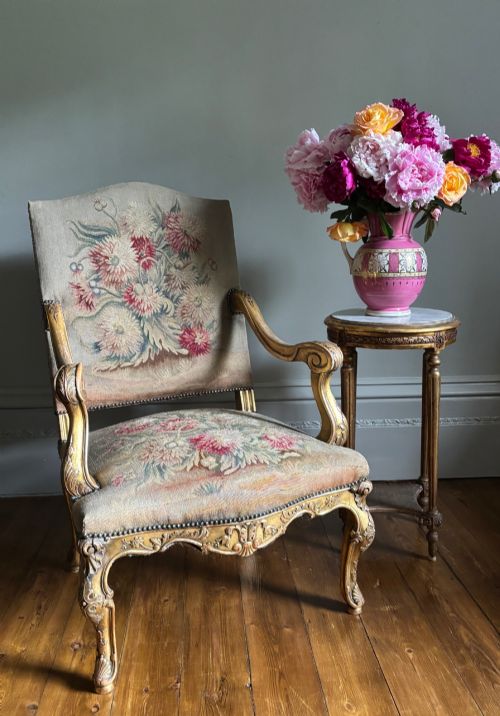
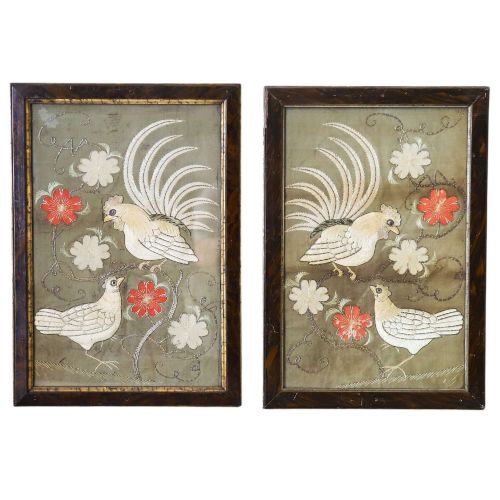
These pieces encompass framed wall art, samplers, tapestries, and upholstered furniture spanning the decades from eighteen hundred through eighteen ninety. Buyers encounter everything from detailed maps and mourning scenes to courtly maidens and Swedish pillow embroidery.
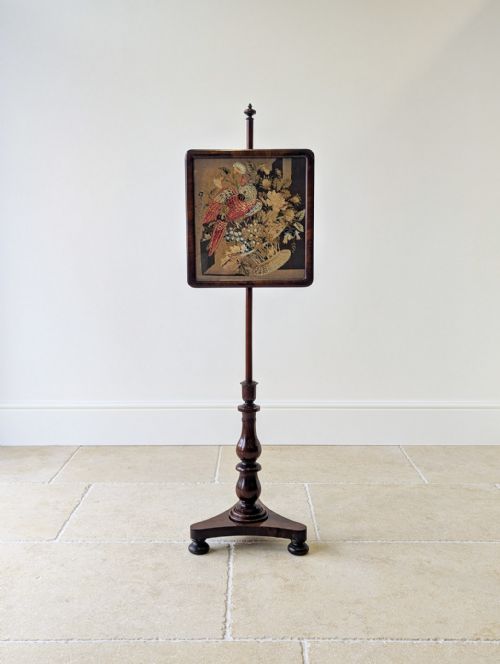
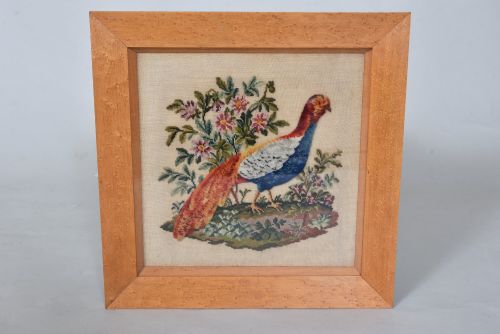
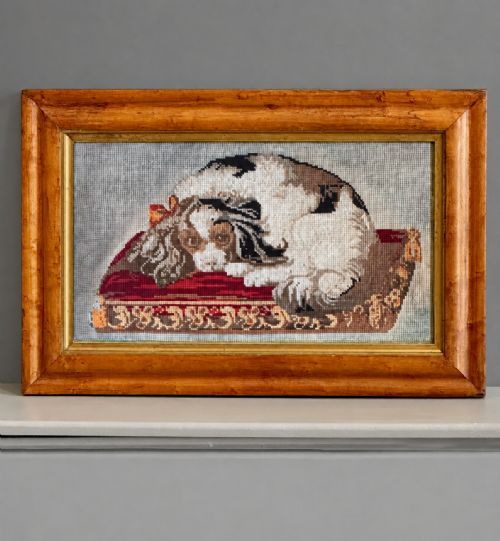
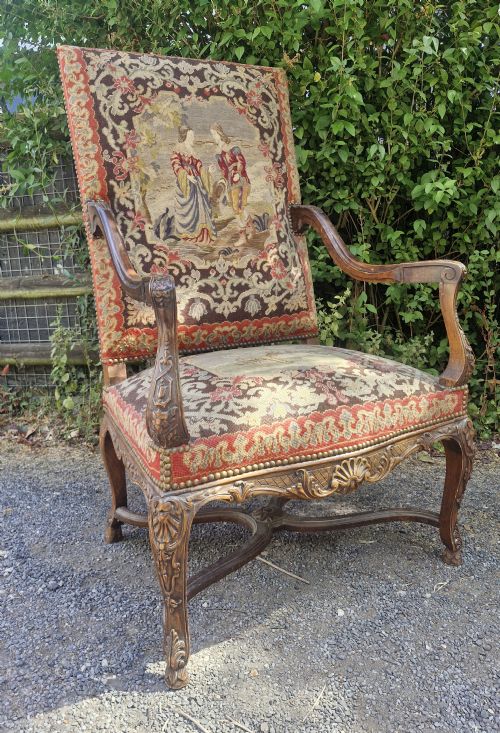
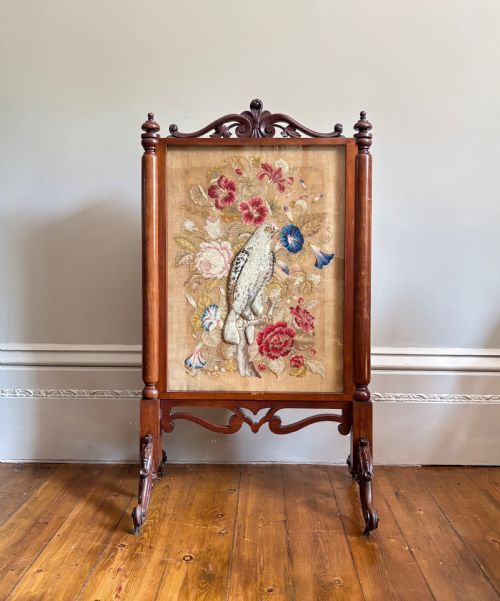
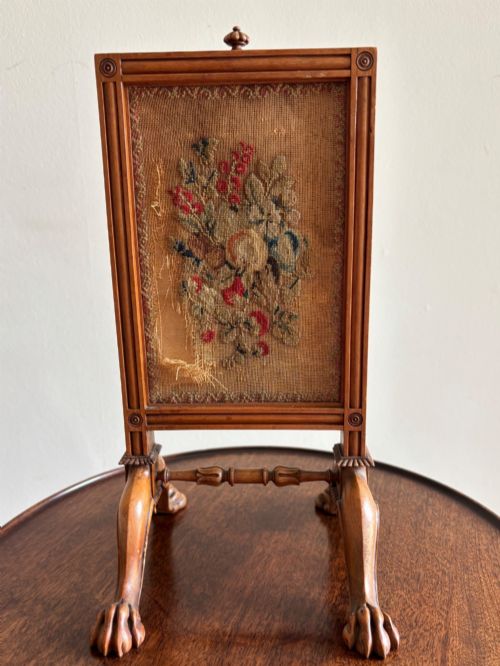
The Victorian and Georgian periods dominate the selection, alongside notable Scandinavian folk art examples. Forms range from standalone textile art panels to fire screens and armchairs framed in walnut, rosewood, and birds eye maple.
Materials and construction
Needlework artisans utilised wool, silk thread, linen, and canvas as the primary foundations for their stitching. These textiles often survived through integration with structural supports like wood, gilt wood, giltwood, and glass.
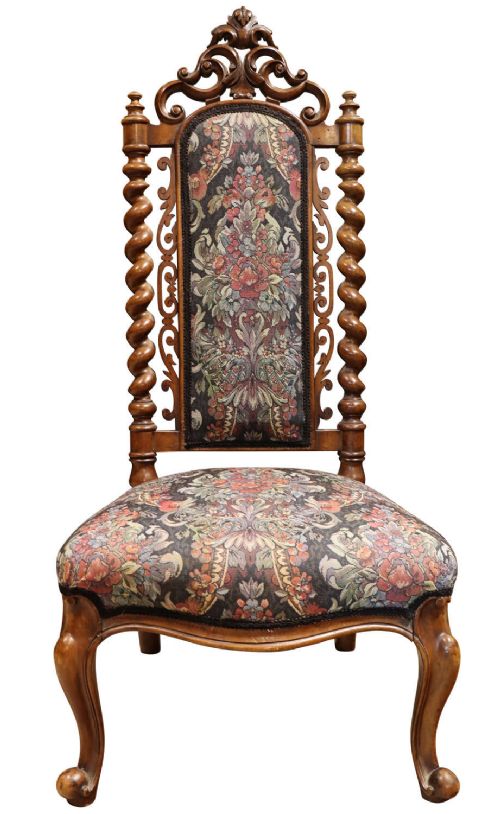
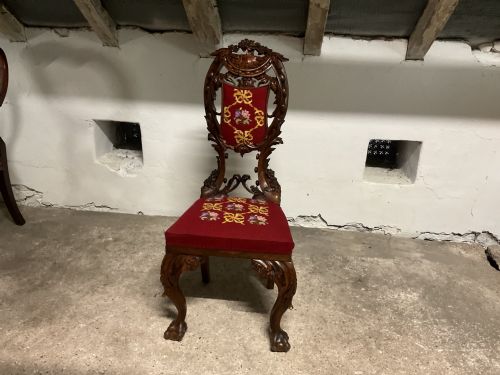
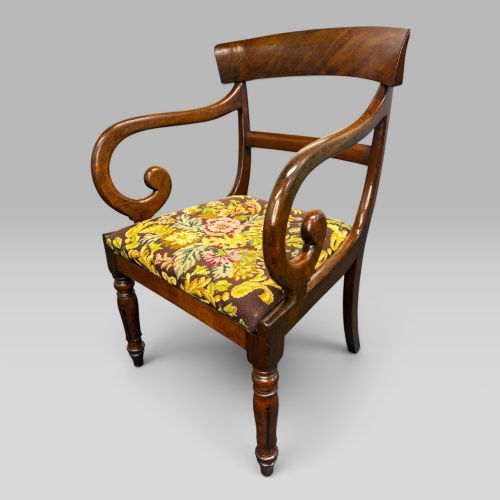
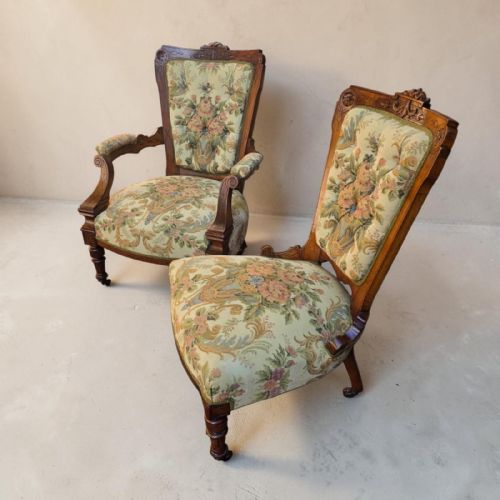
Makers mounted finished pieces into protective frames or upholstered them directly onto seating furniture such as armchairs and fauteuils. The combination of durable wool or silk threads on canvas ensured long-term survival under domestic use.
Retail Price Guide 2026
Typical UK retail prices for 19th century needlepoint, calculated from the Sellingantiques database of over a million retail prices indexed since 2003. This retail price guide relies exclusively on Sellingantiques data; no external sources or auction records are used, so the figures do not describe the wider market.
Materials recorded in current and past stock include wool, silk thread, linen, canvas, glass, and woods such as walnut, rosewood, and birds eye maple.
Judging quality in needlepoint
Quality rests upon the intricacy of the stitch work, the complexity of the pictorial subject, and the preservation of the original threads. Finer examples display meticulous colour blending and precise geometric or figurative composition.
The secondary material adds another layer of distinction, where rosewood, birds eye maple, or giltwood framing elevates the textile. Original mounts and period frames demonstrate greater care than later replacements.
Mary Banion
The 19th Century Needlepoint Glossary
- Sampler
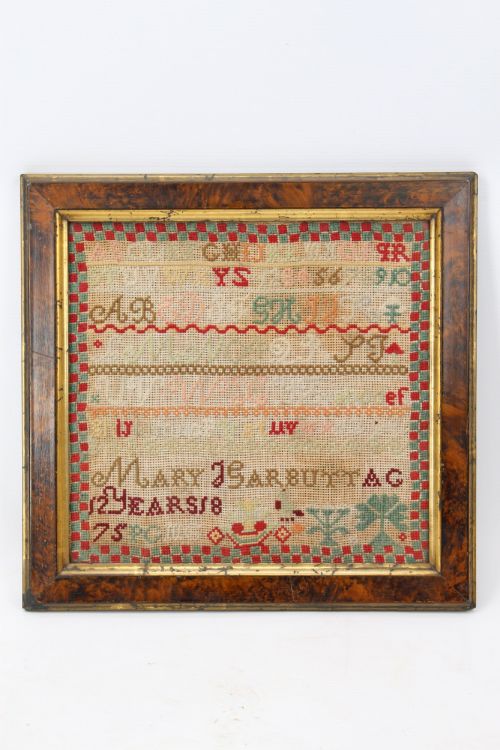
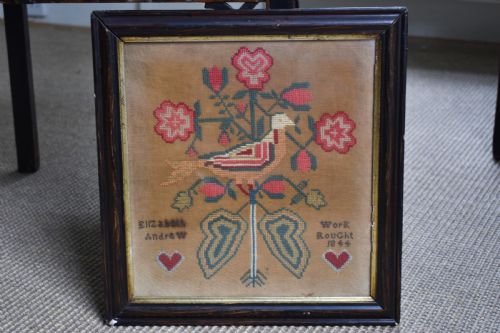
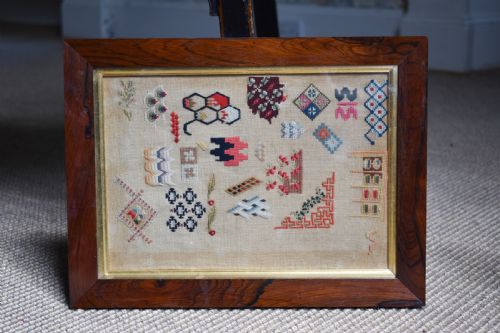
- A piece of needlework produced as a demonstration or test of skill in various stitches, often featuring alphabets, numbers, or maps. These historical items frequently record the maker's name and age.
- Tapestry
- A form of textile art traditionally woven on a loom or executed via needlepoint to depict figurative or narrative scenes. Such pieces often served as wall hangings or decorative panels in period homes.
- Fauteuil
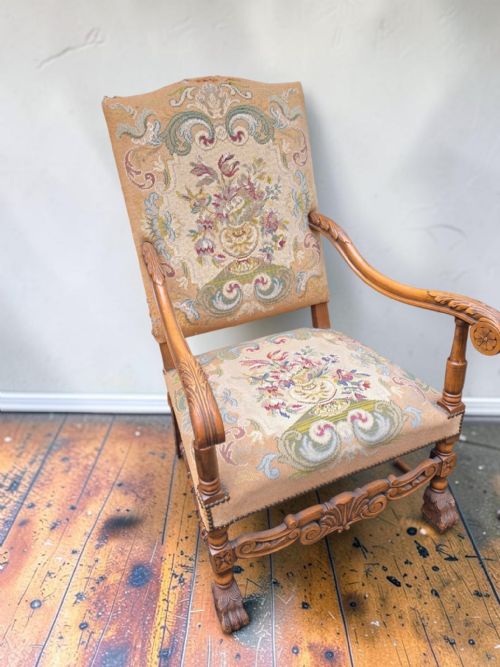
- An open-armed wooden armchair with upholstered seat and back, popular in French interior design. Many nineteenth-century examples incorporate original needlepoint upholstery.
- Giltwood
- Wood carved and prepared with a thin layer of gold leaf or gilt paint. This material frequently frames fine mirrors, fire screens, and needlepoint art.
Frequently Asked Questions
What is 19th century needlepoint?
It comprises hand-stitched textiles created using wool, silk, linen, and canvas during the eighteen hundreds. These pieces include samplers, framed pictorial art, tapestries, and upholstery.
Craftsmen and makers produced them across various European traditions, including British, French, Italian, and Scandinavian workshops.
How were these textiles used?
Historic households displayed needlepoint as framed wall art, maps, or functional fire screens placed before hearths. They also served as durable upholstery for armchairs and fauteuils.
Owners valued them for both decorative colour and practical warmth within period domestic spaces.
How do I clean needlepoint?
Textiles of this age require gentle surface dusting with a soft brush rather than immersion in water or chemical cleaning. Protecting them from direct sunlight prevents fading of the wool and silk threads.
Consulting a textile conservator remains the safest approach for significant conservation needs.
How do I date needlepoint?
Dating relies on recorded dates stitched into samplers, stylistic clues in the clothing and hair of depicted figures, and the construction methods of the accompanying frames. Walnut, rosewood, and birds eye maple frames often align with specific decades.
Comparing stitch density and material types against documented examples provides further chronological context.