
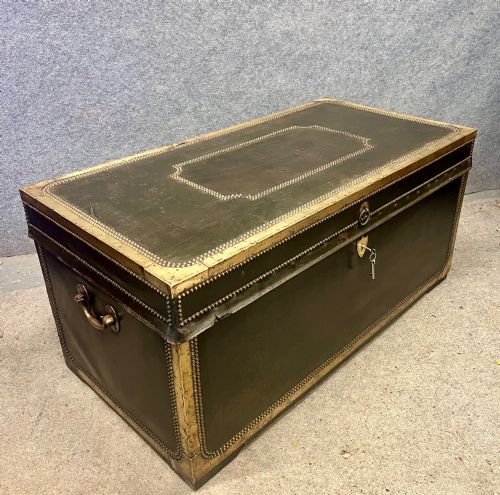
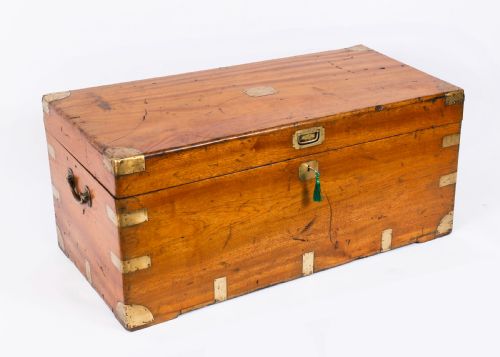

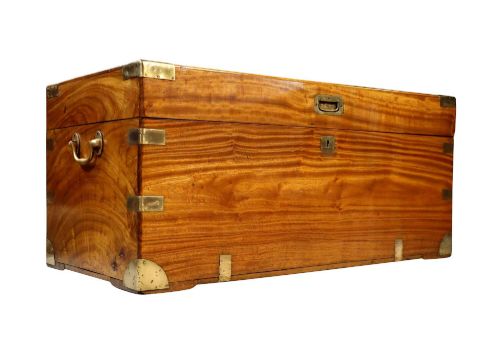
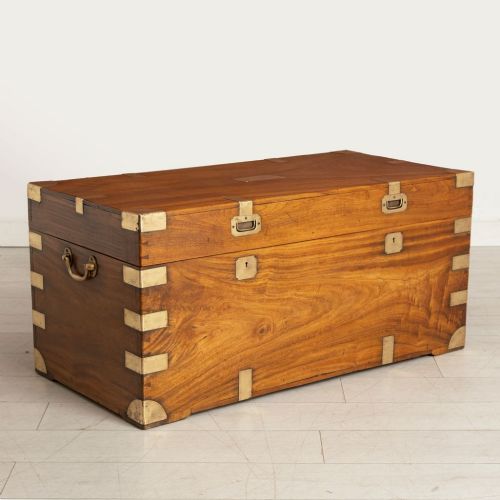
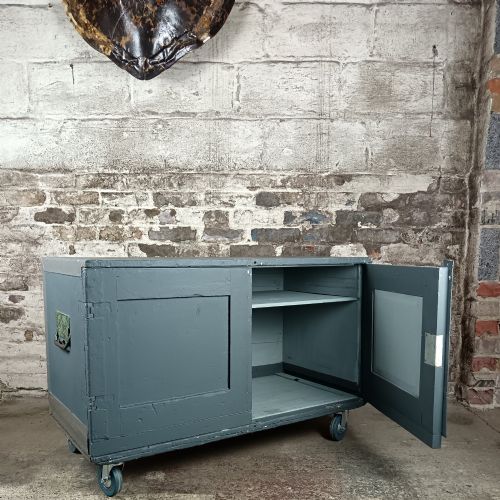
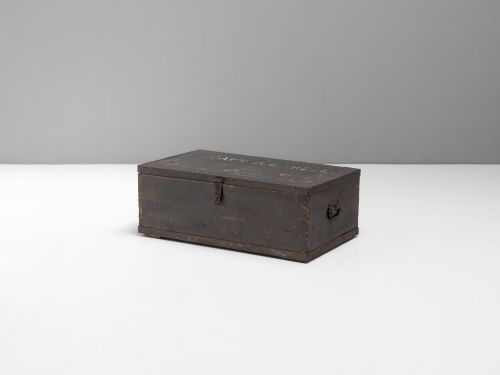
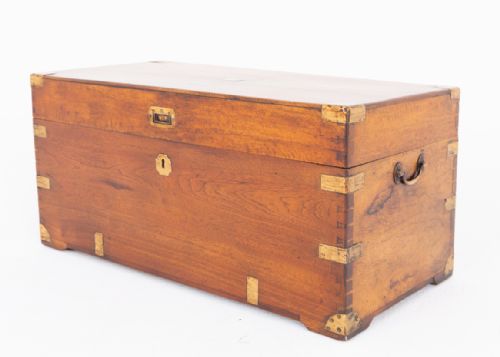
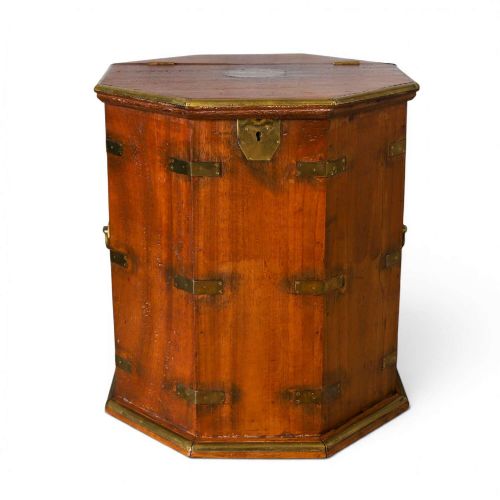
19th Century Military Trunk
When you search for a 19th century military trunk, you meet durable travel chests built to endure long voyages and rigorous campaigns.
19th Century Military Trunk
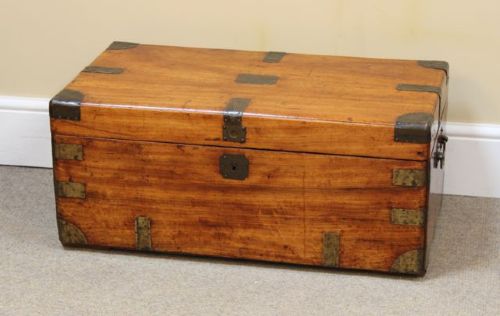
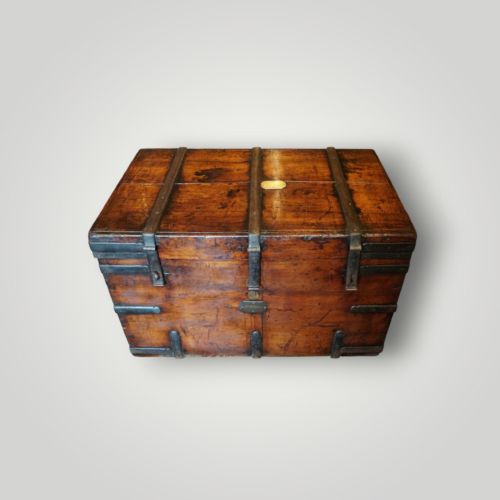
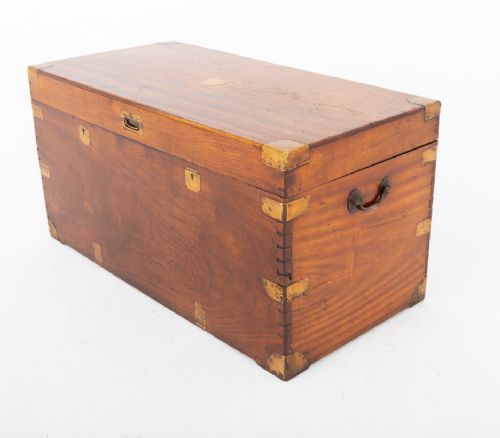
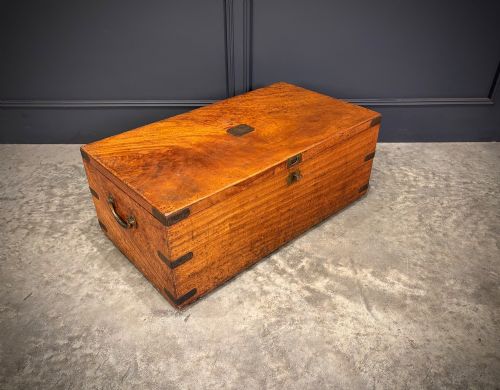
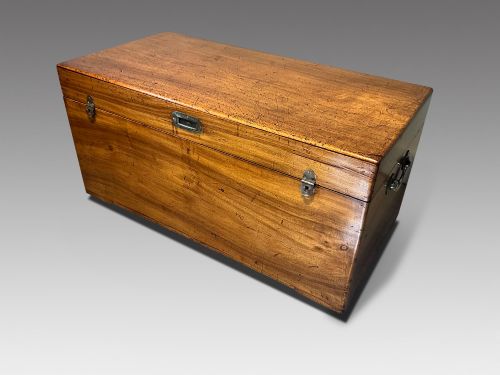
A 19th century military trunk is a robust storage chest designed for officers and officials travelling across the British Empire and beyond. These pieces are most commonly encountered in resilient timbers such as camphor wood and teak, frequently reinforced with brass corners and straps to withstand rough handling.
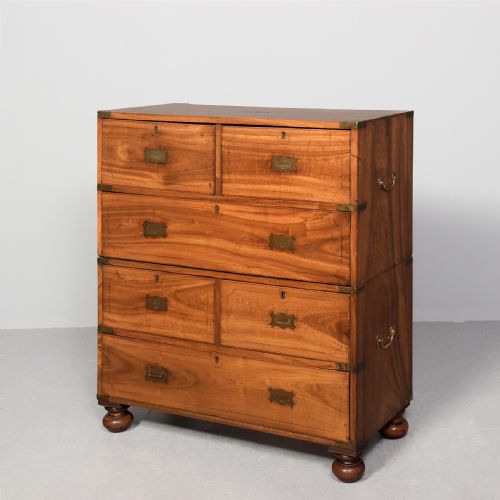
The form encompasses simple travelling coffers, fitted chests with internal compartments, and multi-part campaign chests meant for easy dismantling and transport. They originate from periods spanning the Regency era through the late Victorian decades, reflecting the practical needs of military life on the move.
How they were made
Construction relies heavily on dense, insect-resistant hardwoods like camphor wood and teak, alongside secondary timbers such as pine and oak. Cabinetmakers utilised sturdy dovetail joints and iron or brass bindings to ensure structural integrity under harsh transport conditions.
Hardware played a functional role, with countersunk brass handles, protective corner brackets, and robust locks fitted flush to prevent snagging during transit. Leather coverings and painted finishes appear on specific examples designed for officer luggage or maritime use.
What varies in quality
Quality separates pieces by the precision of their brass hardware integration and the selection of solid timber over veneered alternatives. Superior examples display meticulous flush-fitting handles, original recessed locks, and finely figured camphor wood or teak boards.
The complexity of internal fittings also dictates standing, with multi-compartment layouts, secret drawers, and complete original transport documentation lifting certain items above standard utilitarian packing cases.
Drew and Sons
The 19th Century Military Trunk Glossary
- Campaign chest
- A modular chest of drawers designed to split into separate sections for military transport. These units often feature recessed brass drop handles and corner brackets.
- Camphor wood
- An aromatic hardwood utilised for campaign furniture because its natural oils repel insects and protect stored uniforms. It is easily recognised by its distinct scent.
- Brass bound
- A construction method where brass strips and corners reinforce the edges and joints of a wooden trunk. This protects the chest from impacts during travel.
- Recessed handle
- A metal pull set into a flush cavity in the wood so it does not project beyond the surface. This prevents the hardware from catching during loading and stacking.
- Zinc lined
- An internal metal protective lining applied to trunks to keep contents dry against moisture during sea voyages.
19th Century Military Trunk: Frequently Asked Questions
What is a 19th century military trunk?
A 19th century military trunk is a heavy-duty wooden chest built for officers on active service or colonial posting. They were engineered to protect uniforms, documents, and personal possessions during difficult journeys by land and sea.
These pieces typically feature protective metal hardware and durable timbers like camphor wood or teak. Their robust construction allowed them to survive repeated loading onto ships, wagons, and pack animals.
How were military trunks used?
Officers used these trunks to transport clothing, maps, mess kit, and valuables across the British Empire. Many double as writing desks or feature internal compartments to keep belongings organised in temporary quarters.
When camp was broken, the trunks were locked, strapped, and loaded onto transport vehicles. Their sturdy design meant they doubled as furniture inside tents or campaign quarters.
Why use camphor wood?
Camphor wood contains natural aromatic oils that deter moths and other destructive insects. This property made it the preferred material for protecting wool uniforms and linen in humid tropical climates.
The wood is also resilient and relatively lightweight while remaining strong enough for arduous travel. Its distinctive fragrance often lingers after centuries.
How do you date a campaign trunk?
Dating relies on the style of the hardware, construction methods, and timber choice. Earlier pieces often date from the Regency era, while brass binding styles and lock types evolve through the Victorian period.
Makers' stamps, registry marks, or inscriptions on brass plaques can also narrow down the manufacturing decade. Simple utilitarian boxes sit alongside more elaborate fitted examples across the century.